Optimized solar charge regulation modules specifically selected for deployment across Asunción, the Gran Chaco region, and regional industrial projects.
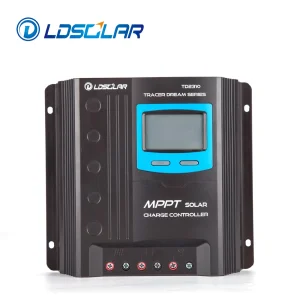
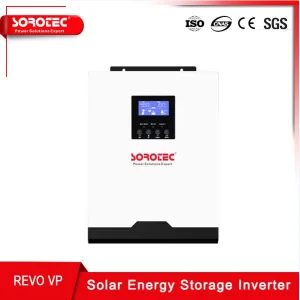
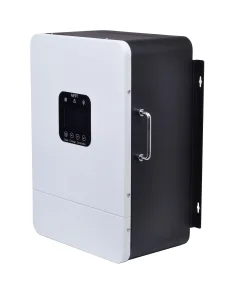
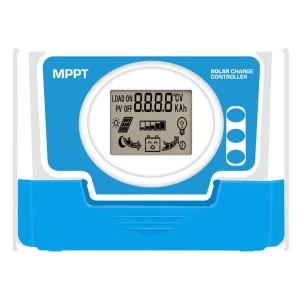
Paraguay presents a unique energy landscape. Although the nation generates 100% of its electricity from massive hydroelectric resources (the Itaipu and Yacyretá dams), regional distribution remains a major challenge. The transmission networks traversing rural departments like Boquerón, Alto Paraguay, and Presidente Hayes suffer from massive distribution losses and voltage instabilities. In the vast Gran Chaco region, grid expansion is economically unfeasible, leaving livestock operations, agricultural processing facilities, and remote communities dependent on self-generation.
This dynamic has triggered a rapid transition toward solar photovoltaic infrastructure. However, the Paraguayan climate is demanding. High daytime temperatures often exceeding 40°C, high dust levels in agricultural zones, and localized intense seasonal rainfall demand charge controllers that offer not only electrical efficiency but superior thermal and structural isolation. To secure long-term reliability for local cattle ranches (Estancias), telecommunication repeaters, and off-grid residential clusters, engineering teams require heavy-duty PWM and MPPT solar charge controllers built to withstand environmental stress while maintaining optimal battery health.
Even in urban areas like Asunción and Ciudad del Este, sudden storms and grid overloading cause frequent dropouts. High-efficiency MPPT charge controllers act as the brain of backup battery banks, ensuring quick recharging when solar PV power is available.
Standard solar controllers suffer from significant efficiency drops (thermal de-rating) in high temperatures. Our industrial line employs advanced heavy-duty aluminum heat sinks and high-temperature alloy capacitors to guarantee full output capacity up to 45°C ambient.
Choosing the correct topology—Pulse Width Modulation (PWM) or Maximum Power Point Tracking (MPPT)—is critical to project economics and system output. While PWM technology offers simplicity and exceptional cost efficiency for small scale, low voltage loads, MPPT technology excels by actively tracking the solar array's maximum power point, extracting 15% to 30% more energy from the exact same solar panels.
| Feature Parameter | PWM Charge Controller | MPPT Charge Controller |
|---|---|---|
| Operating Principle | Direct switch connection between PV array and battery | DC-to-DC conversion with dynamic maximum power tracking |
| System Efficiency | Typically 70% – 80% | Typically 95% – 99% |
| PV Input Voltage | Must match battery voltage closely (e.g., 12V panels for 12V battery) | Highly flexible. PV array voltage can be much higher than battery voltage |
| Best Application Scenario | Small scale systems, solar home lighting, low temperature regions | Medium to large industrial arrays, variable shade conditions, high power |
| Battery Compatibility | Standard Lead-Acid, Gel, some basic Lithium configurations | Multi-chemistry (Lead-Acid, GEL, Lithium Iron Phosphate (LiFePO4)) |
| Paraguayan Market Suitability | Urban off-grid signs, basic telematics, micro cattle farms | Commercial agriculture, off-grid water pumping, remote communication nodes |
A high-performance MPPT charge controller utilizes a sophisticated digital microcontroller to execute algorithms like Perturb and Observe (P&O) or Incremental Conductance. The controller continuously samples the current and voltage of the solar modules to calculate the optimal operational point. Under typical Paraguayan climatic conditions, where passing convective clouds cause sudden drops in irradiance, our controllers adapt in milliseconds, ensuring maximum energy yield is delivered to the battery storage banks.
Hangzhou Smart Energy Co., Ltd. is a professional solar power system supplier based in Hangzhou, China, dedicated to delivering efficient and sustainable energy solutions for global customers. The company specializes in the design, manufacturing, and integration of residential, commercial, and hybrid energy storage systems, helping users achieve energy independence and reduce electricity costs.
With a comprehensive product portfolio, Smart Energy offers high-performance solar panels, advanced inverters, and reliable battery storage systems, all engineered to ensure optimal efficiency and long-term durability. Its solutions are widely applied in homes, commercial facilities, industrial projects, and off-grid applications, adapting to diverse energy demands and environmental conditions.
Driven by innovation and quality, the company utilizes modern production technologies and strict quality control processes to meet international standards. Its experienced engineering team provides customized system design, technical support, and turnkey project solutions tailored to client requirements.
Hangzhou Smart Energy is committed to promoting clean energy adoption worldwide. By combining smart energy management with scalable solar technologies, the company empowers customers to build greener, more efficient, and future-ready power systems.

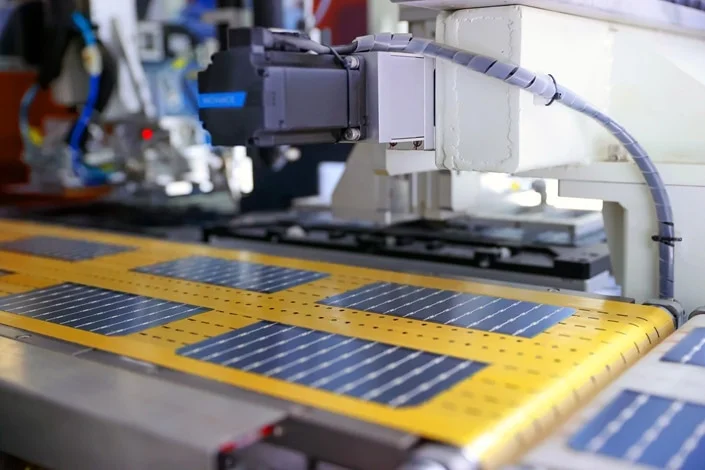
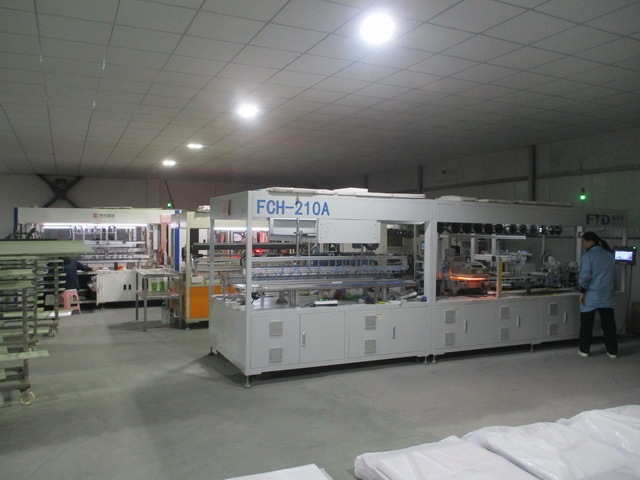
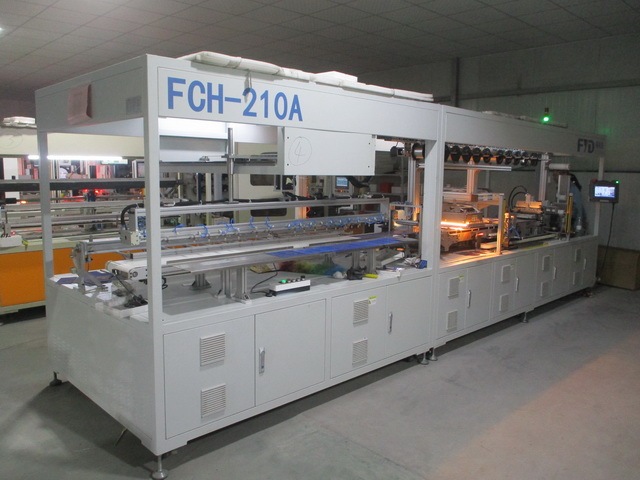
Our manufacturing complex maintains rigorous quality compliance standards, including ISO 9001, ISO 14001, CE, FCC, and RoHS certifications. We supply heavy-duty solar hardware designed to meet regional electric utilities compliance. By maintaining tight control over design, component selection (sourcing high-grade semiconductor parts from industry-leading manufacturers), and thermal testing, we ensure that every batch exported to South America delivers unmatched durability.
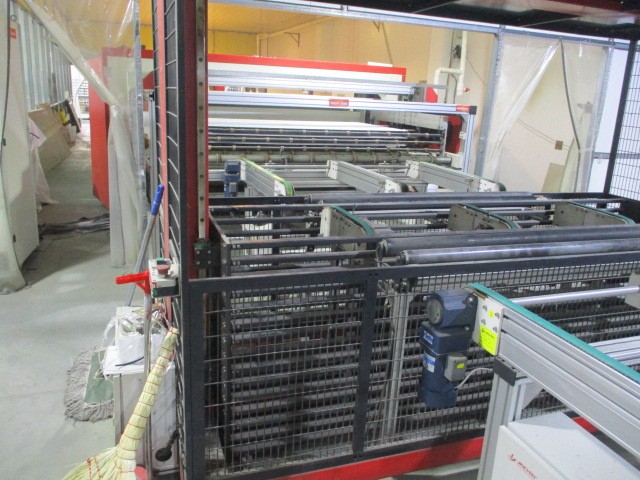
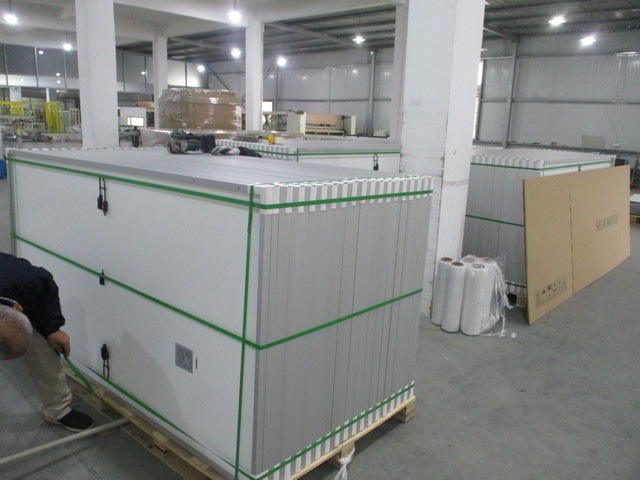
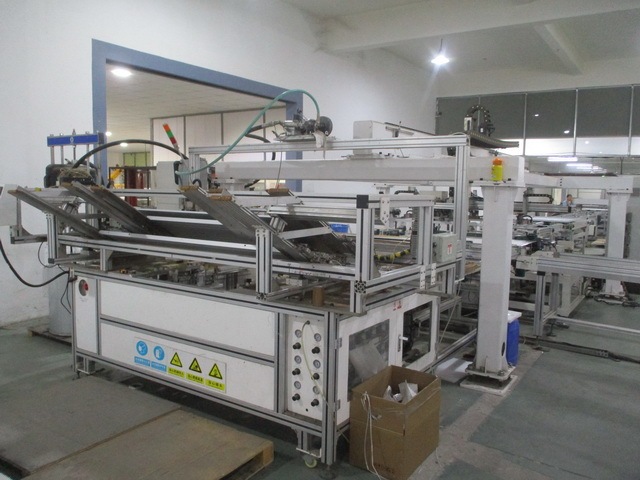
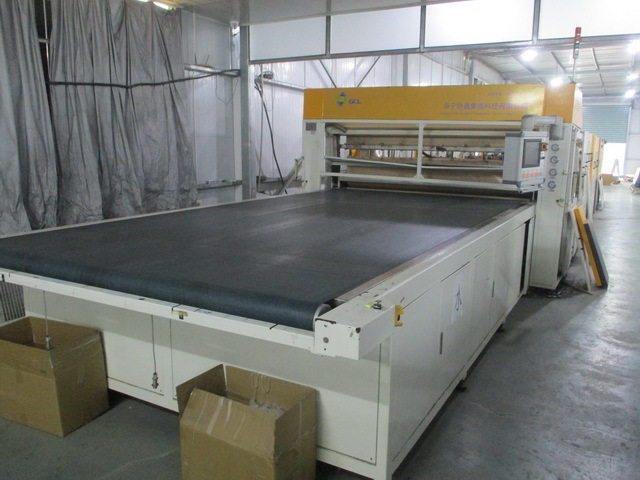
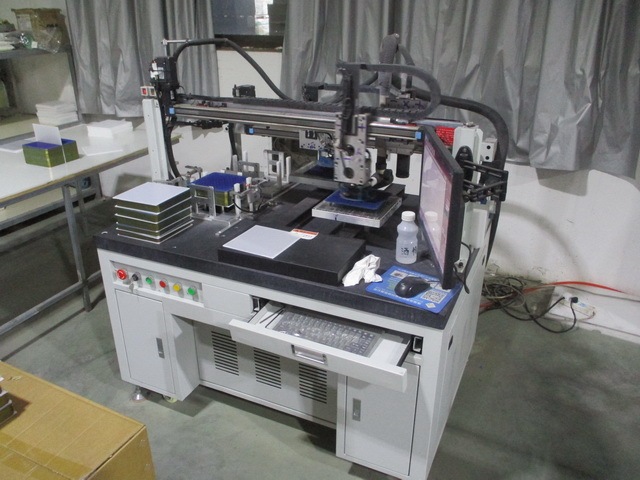
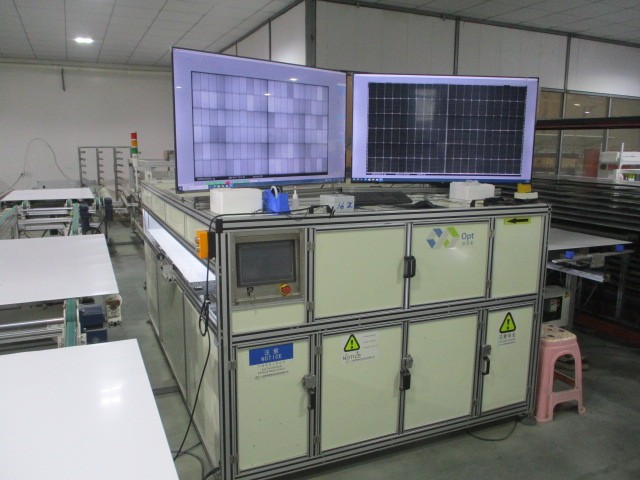
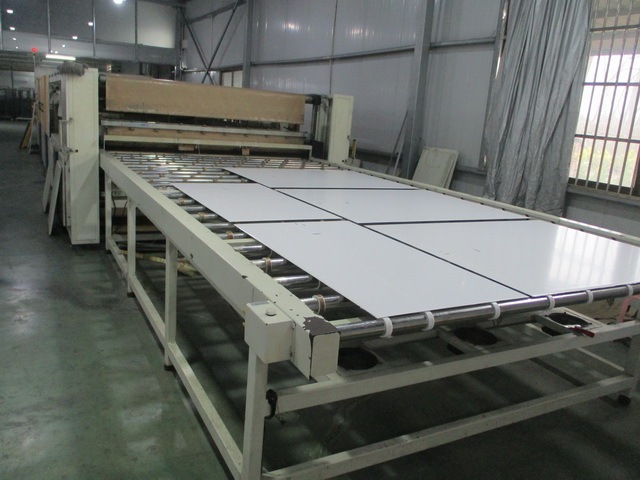

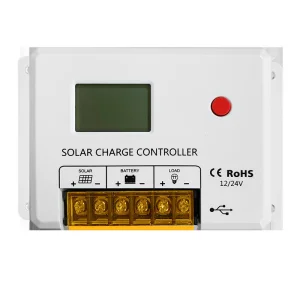
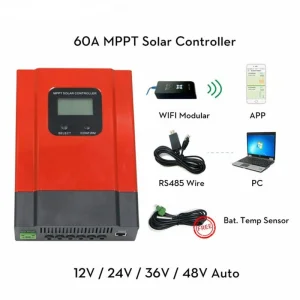
Complete selection of multi-stage solar battery chargers. Offering customization options, OEM service, and tailored charging algorithm presets for the Paraguay region.
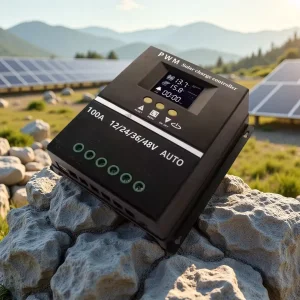
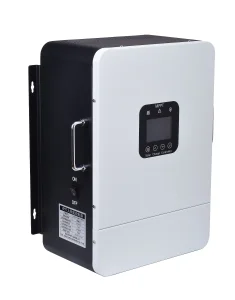
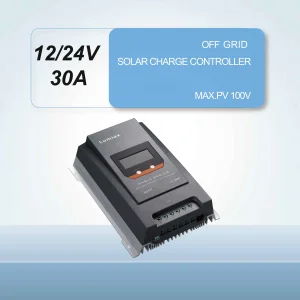
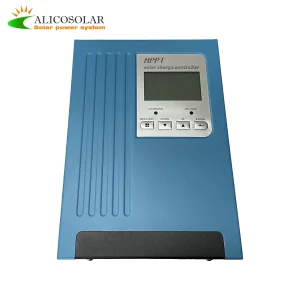
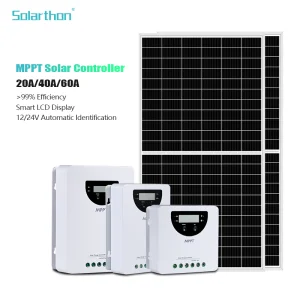
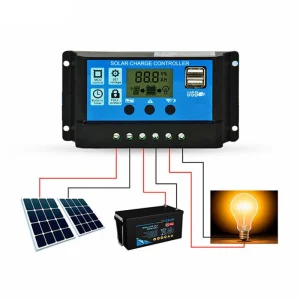
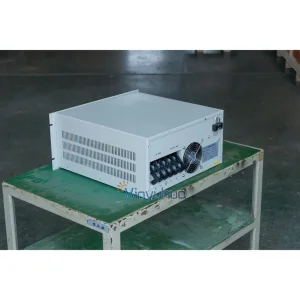
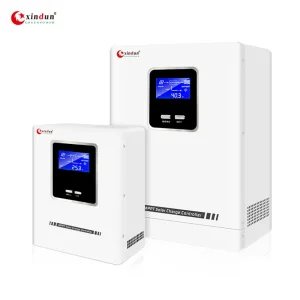
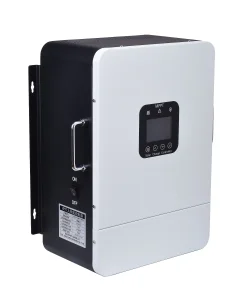
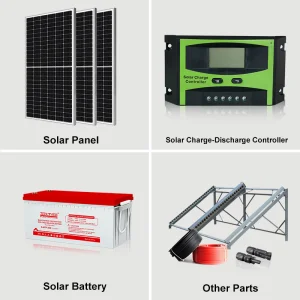
Our technology integration path focuses on designing high-reliability power blocks tailored for specific industrial nodes. The following applications highlight how our solar charge controllers function as critical infrastructure elements:
Livestock farming (ganadería) in the Boquerón department requires consistent water extraction from deep wells. Mechanical pump loads create heavy starting currents. Using MPPT solar charge controllers with dynamic peak power limitation ensures solar PV arrays can drive agricultural pump stations without blowing fuses or overloading storage batteries.
For cross-country networks, isolated telecom towers require 99.99% operational uptime. Our waterproof controllers with RS485 communication interfaces support Modbus protocols, allowing central operations teams in Asunción to monitor remote battery charging status, power trends, and ambient temperature metrics in real time via satellite telemetry.
To reduce dependency on unstable regional power grids, local businesses employ hybrid energy storage networks. The intelligent multi-stage charging configuration (Bulk, Absorption, Float) preserves the lifetime of lead-acid and lithium battery storage systems, reducing lifetime capital expenditures by up to 35%.
Get technical insights regarding the selection, deployment, and operation of solar charge controllers in South American climates.
 Smart Energy