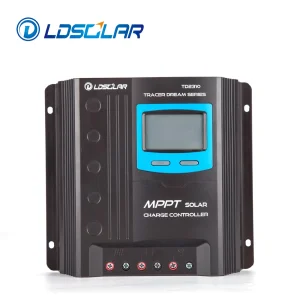
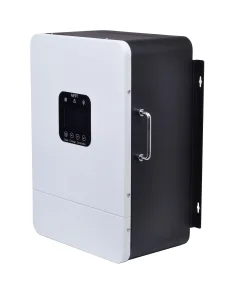
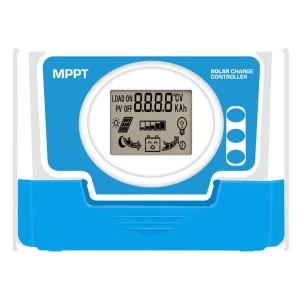
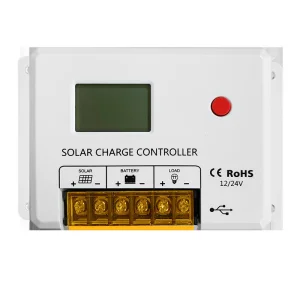
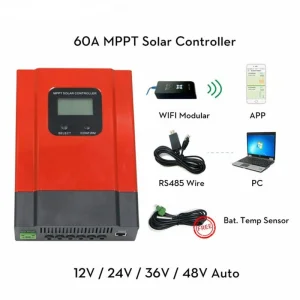
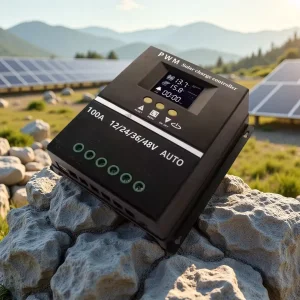
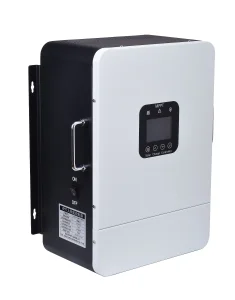
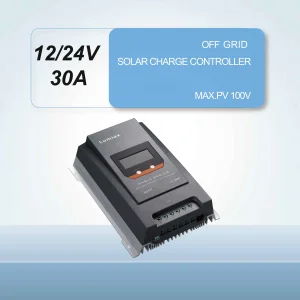
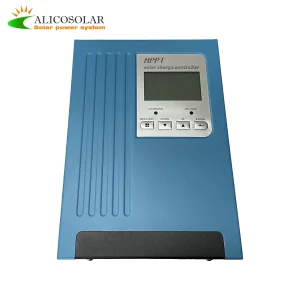
Solar Controller MPPT 12/24V Automatic Recognition Charge Controller 40A Solar Charge Controller PWM

Still deciding? Get samples of $ !
Order Sample

Product Description

Basic Specifications

Model NO.
STH
Condition
New
Certification
ISO, CB, CE
Application
Collector Controller, Solar System, Charger
Rated Voltage
12V/24VDC
Charging Mode
PWM
Max Charging Current
10A - 60A
USB Output
5V/2A
Protection Grade
IP32
Operating Temp.
-35~60ºC

Product Description

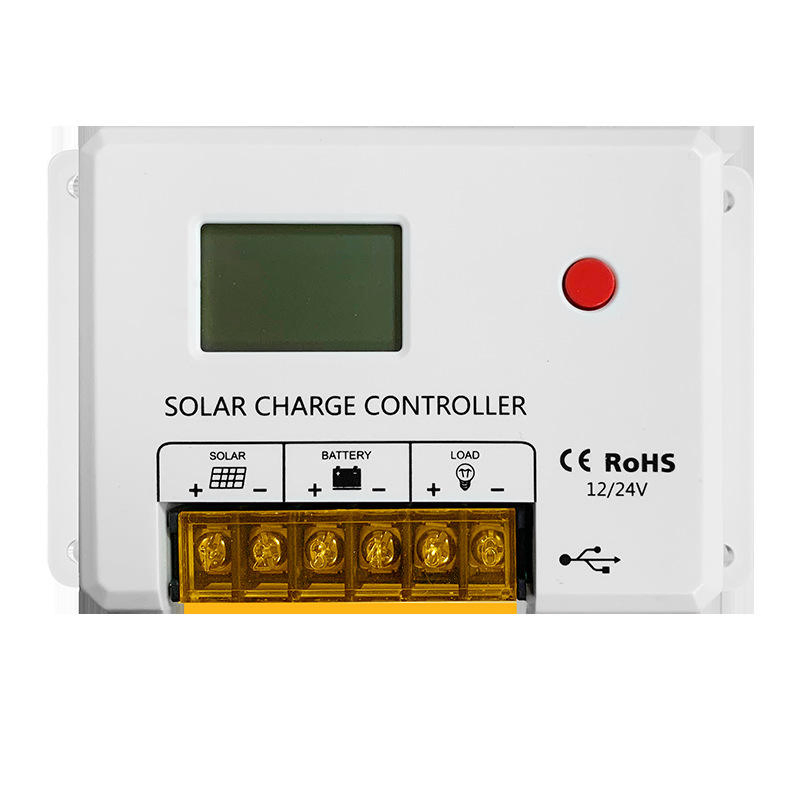
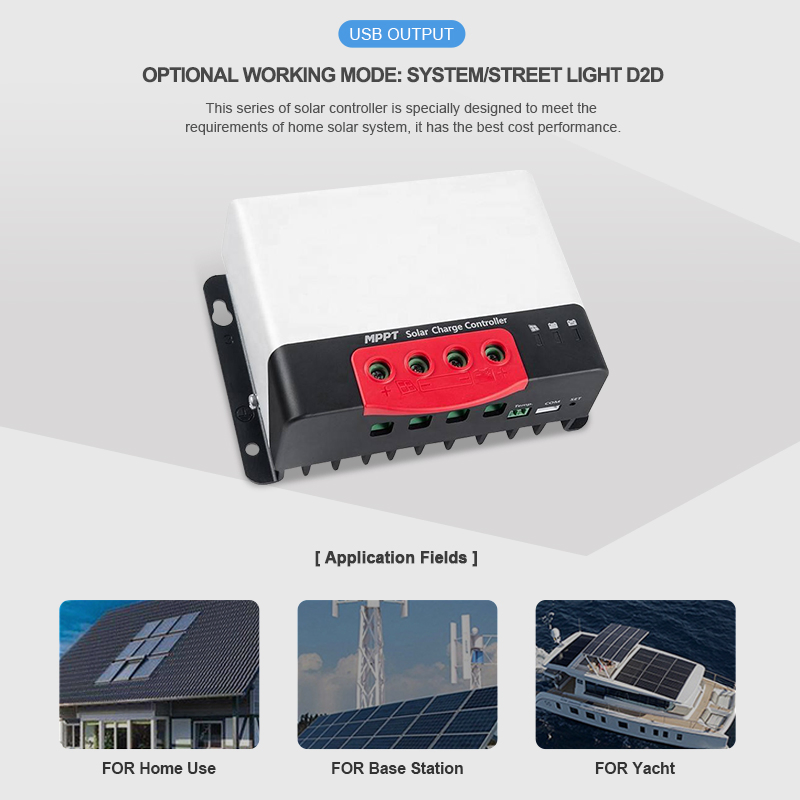
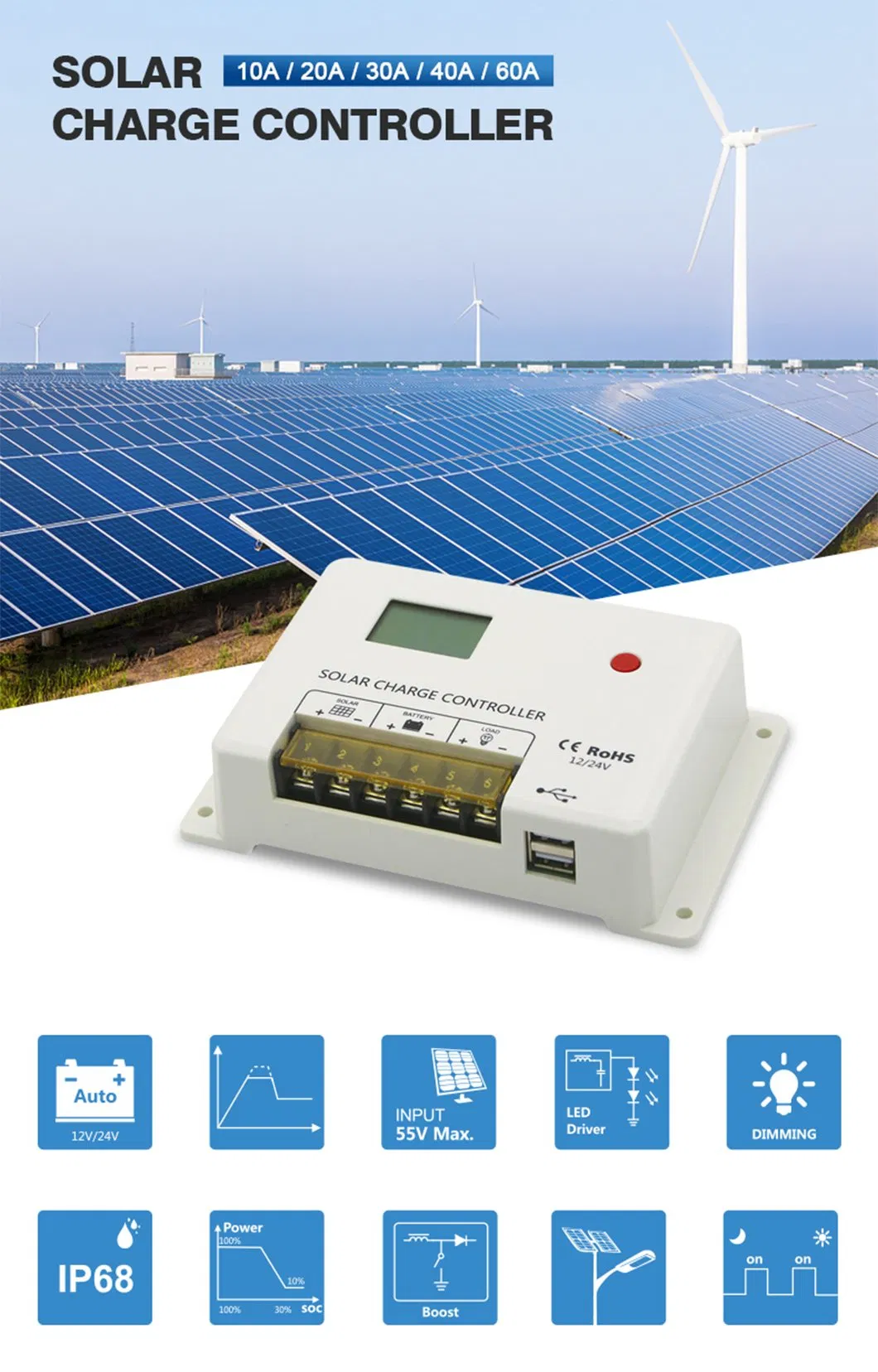
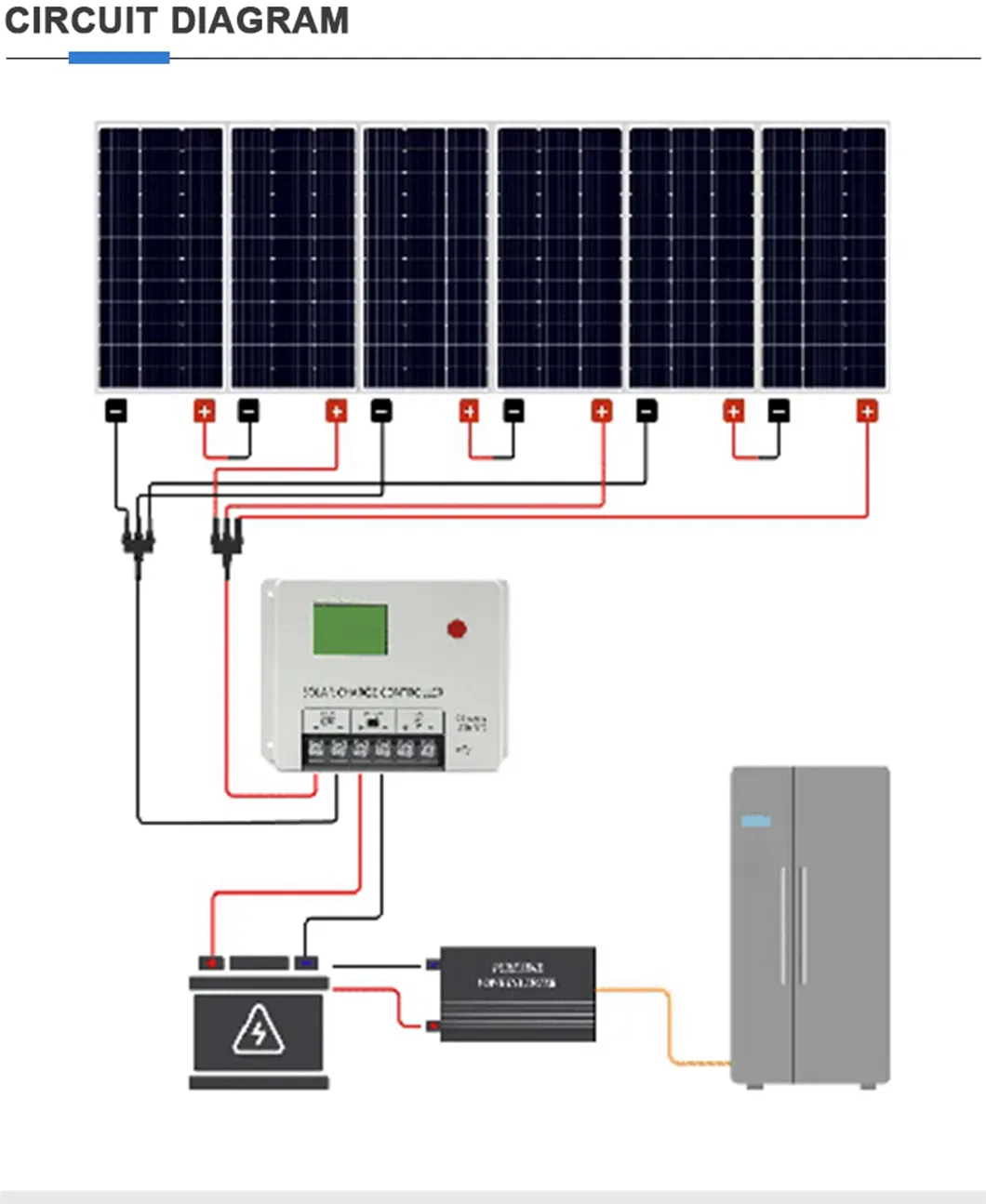
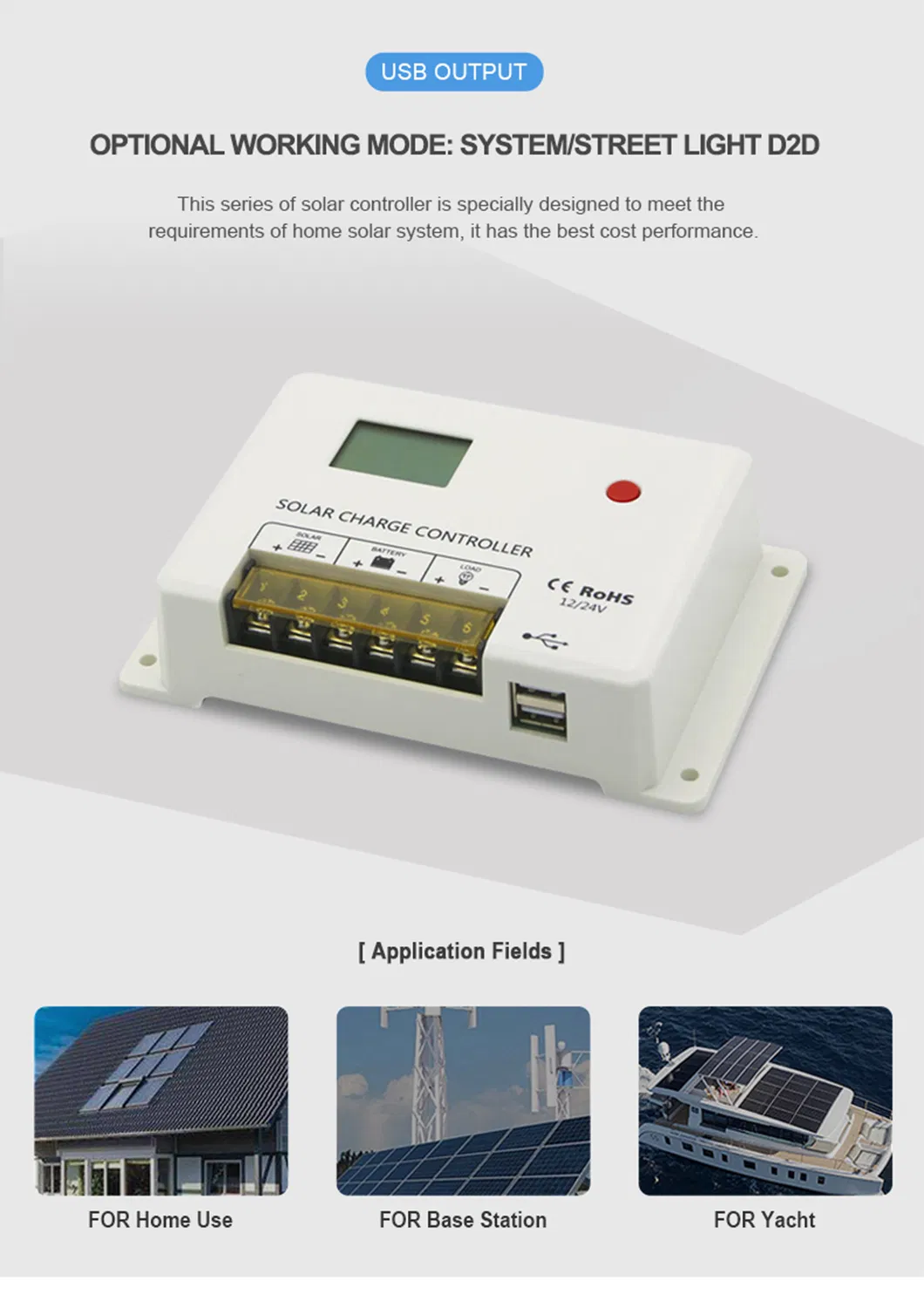
This series of solar charge controller is specifically engineered for residential solar systems, providing exceptional performance and reliability.
Solar Charge Controller Overview
  • Equipped with 32-bit high-speed console chips for efficient processing.
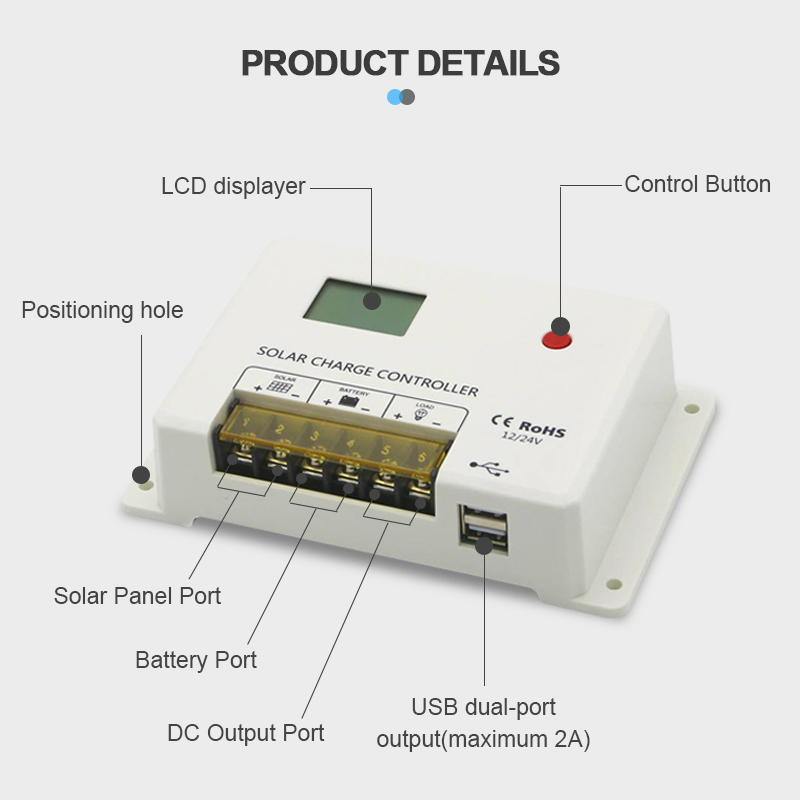
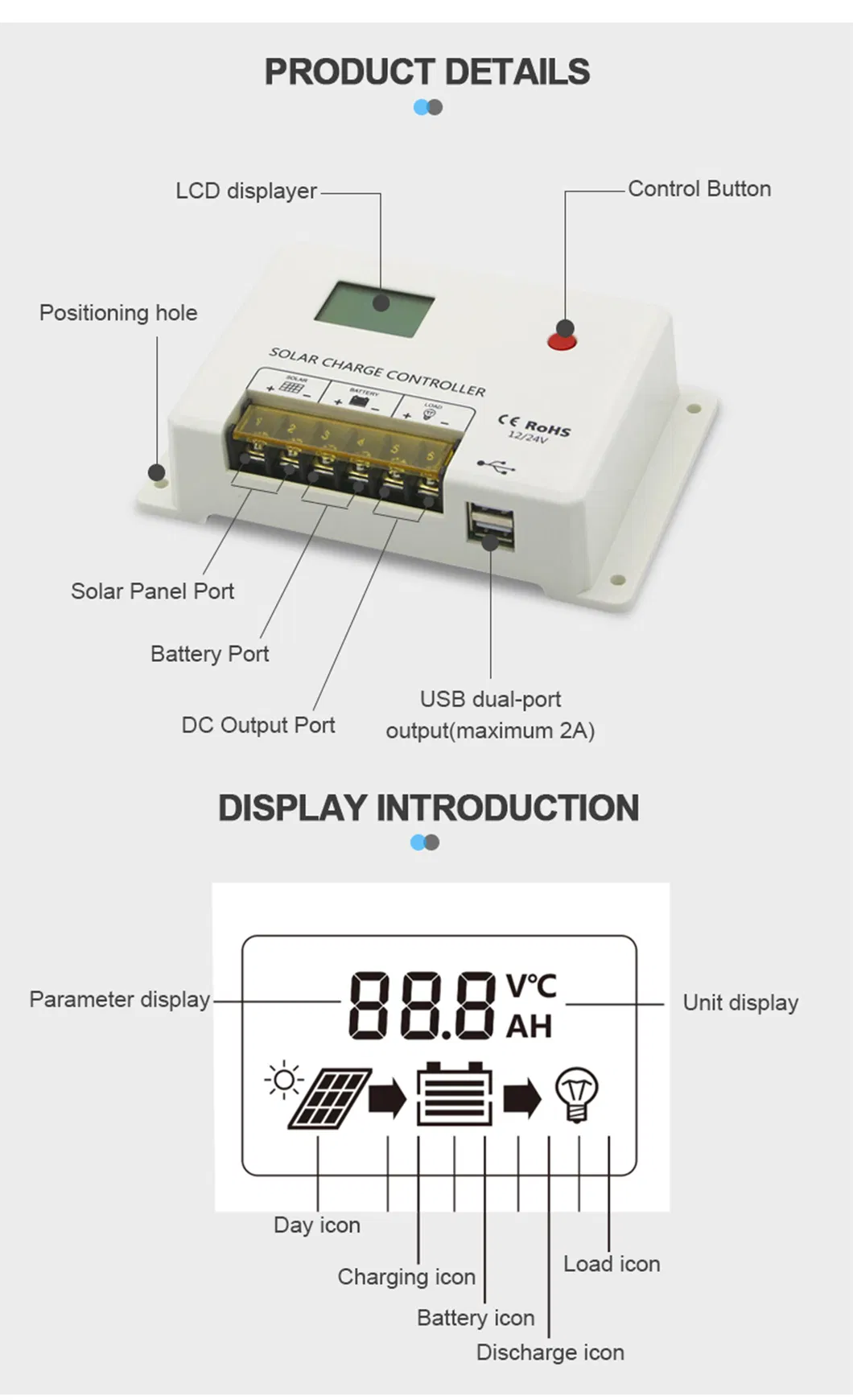
  • Clear LCD display with adjustable charging and discharging parameters.
  • Supports multiple battery types and flexible load settings for day/night operation.
  • Comprehensive multi-stage PWM charging management.
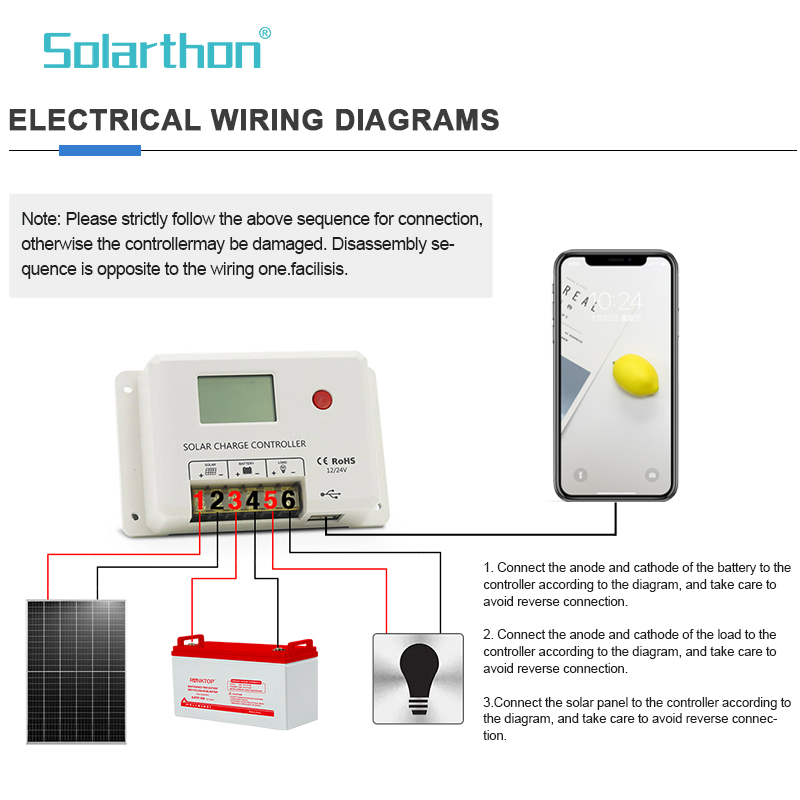
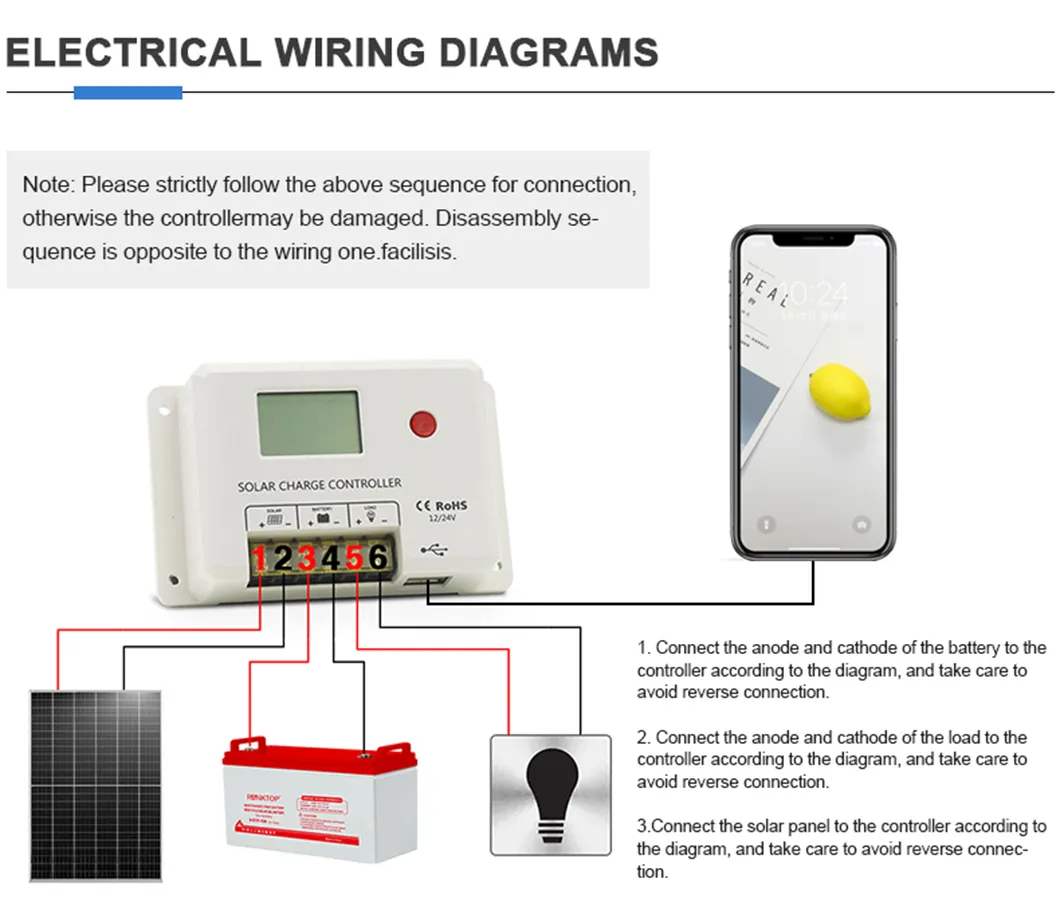
  • Integrated safety features: reverse connection, open circuit, high temperature, and over-current/short-circuit protection.
  • Dual USB outputs (Max 2A) for charging mobile devices and tablets.
  • Double MOS anti-back flow circuit with ultra-low heat generation.
  • Specialized lithium battery activation function.

Technical Parameters

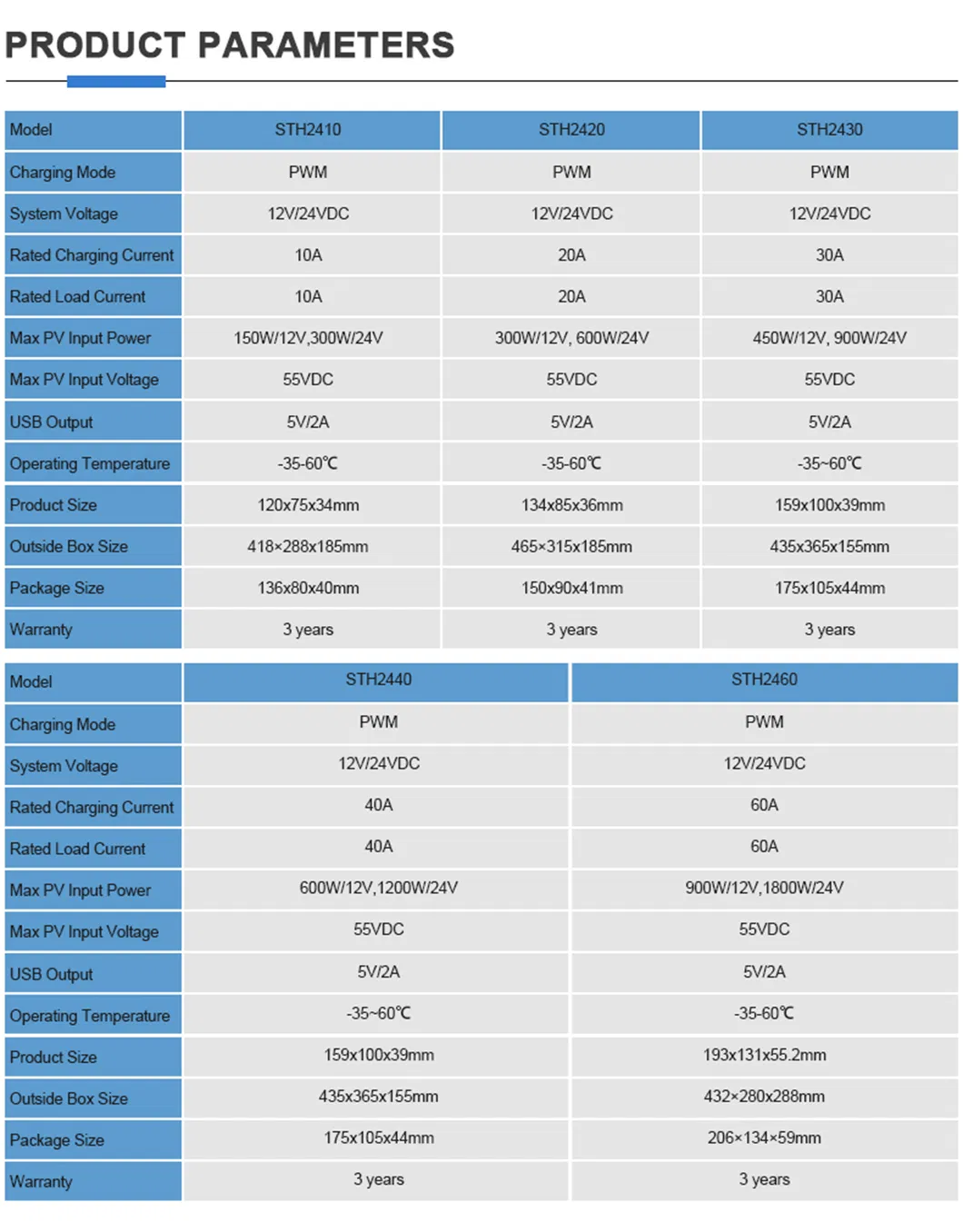
Model STH2410 STH2420 STH2430 STH2440 STH2460
Rated Charging Current 10A 20A 30A 40A 60A
Max PV Input Power 150W/12V 300W/12V 450W/12V 600W/12V 900W/12V
Product Size (mm) 120x75x34 134x85x36 159x100x39 159x100x39 193x131x55.2
Net Weight 0.13kg 0.18kg 0.29kg 0.322kg 0.66kg
Warranty 3 Years

Detailed Visuals

Advantages & Certifications

Advantages Certifications

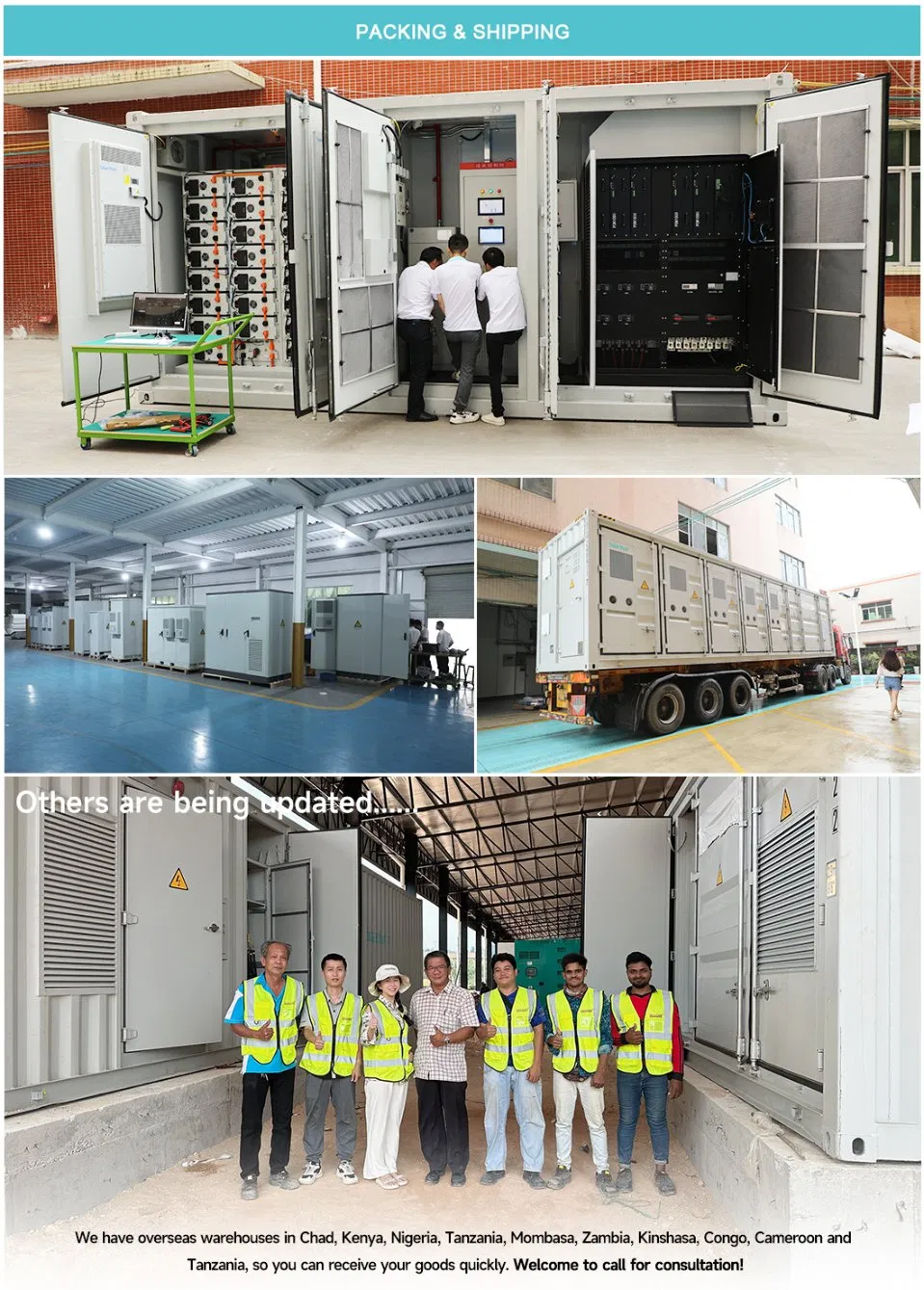
Packaging & Logistics

Packaging Information

Frequently Asked Questions

Q1: What is the difference between pure sine wave and modified sine wave inverters? A: Pure sine wave output is as stable as the public power grid, ensuring long lifespan for appliances without harmonic pollution. Modified sine wave output can negatively impact inductive loads like refrigerators and air conditioners.
Q2: What kind of appliances can these systems load? A: They can be used for household, office, and agricultural appliances, including inductive loads such as refrigerators, air conditioners, and water pumps.
Q3: How do I choose the right voltage (12V, 24V, or 48V)? A: This refers to the input voltage from the battery bank. Higher voltages allow for lower current, enabling the use of smaller wires between the solar array and the battery bank.
Q4: Is a power inverter absolutely required for a solar system? A: It is not required if you only intend to use battery power directly. However, an inverter is necessary if you want to use standard AC appliances (220V or 230V).
Q5: How do I solve technical problems with the product? A: We provide technical consultancy to help resolve issues easily. If a product is faulty, you can provide photos or videos for analysis and spare parts support.
Q6: Do you accept customized orders for branding? A: Yes, we accept OEM orders and can include specific logos on the products, nameplates, and packaging upon request.

Related Products