Decarbonizing industrial and domestic heating loops represents one of the most critical challenges of our decade. As global environmental protocols tighten, traditional fossil-fuel-powered boilers are being replaced by high-performance Custom OEM Solar Hot Water Systems. Today's commercial solar water heaters are no longer simple rooftop collectors; they are highly integrated thermal energy systems, optimized by IoT controls, smart metering, and advanced heat storage materials.
Utilizing vacuum-insulated borosilicate glass tubes and high-absorption selective coatings (Al-N/Al) to reach optical efficiency above 80%, minimizing radiative and convective heat loss in climates down to -30°C.
Tailor-made dimensions, pressure ratings up to 1.0 MPa (10 Bar), and corrosion-resistant inner tank materials (SUS316L, Duplex 2205) designed to handle aggressive water chemistry globally.
Seamlessly coupling solar collectors with auxiliary air-source heat pumps, gas backup systems, and PV-T hybrid systems to ensure uninterrupted 24/7 hot water supply at minimal cost.
When procurement managers select custom solar thermal collectors, the choice between evacuated tube and flat plate architectures is governed by geographic climate profiles and target temperature requirements.
Evacuated Tube Collectors (ETC): Leveraging a vacuum layer between concentric glass tubes, these units practically eliminate conduction and convection losses. This configuration is standard for regions with freezing winters or applications needing high-temperature water (60°C to 90°C) such as dairy pasteurization or laundry plants. The integrating copper heat pipes transfer thermal energy cleanly, ensuring that a single tube failure does not compromise the loop.
Flat Plate Collectors (FPC): Known for structural robustness and aesthetic rooftop integration. Featuring a copper or aluminum absorber plate covered with a selective blue-sputtered coating inside a weatherproof casing. Highly suited for tropical and sub-tropical environments where moderate temperatures are sufficient, and the structural wind load of typhoons requires low-profile setups.
The global adoption of clean thermal energy relies on two pillars: cost-efficiency and absolute reliability. Sourcing from premier Chinese industrial clusters provides distinct strategic advantages that European or North American manufacturing centers struggle to replicate at scale.
Chinese manufacturers benefit from localized, highly concentrated supply chains. From raw silica mining to high-precision borosilicate glass blowing, copper tube extrusion, PU foaming chemical synthesis, and precision electronics for controllers, every critical material is sourced within a 2-hour logistics radius. This translates to rapid prototyping, lower unit costs, and the agility to modify OEM design specifications on the fly.
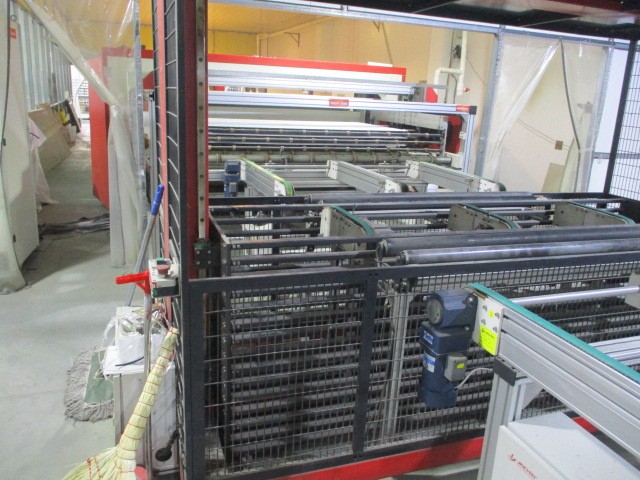
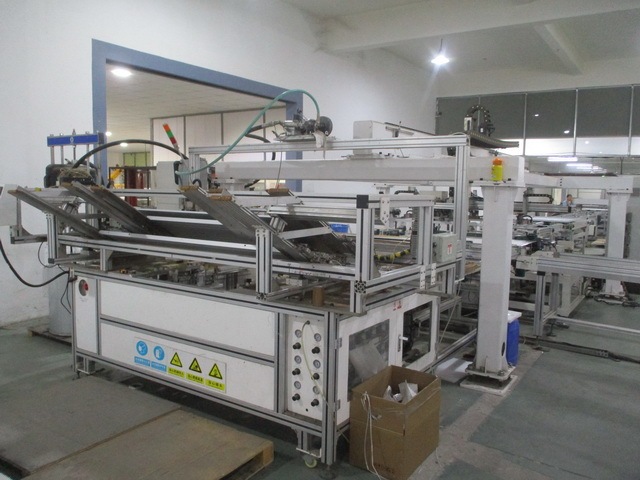
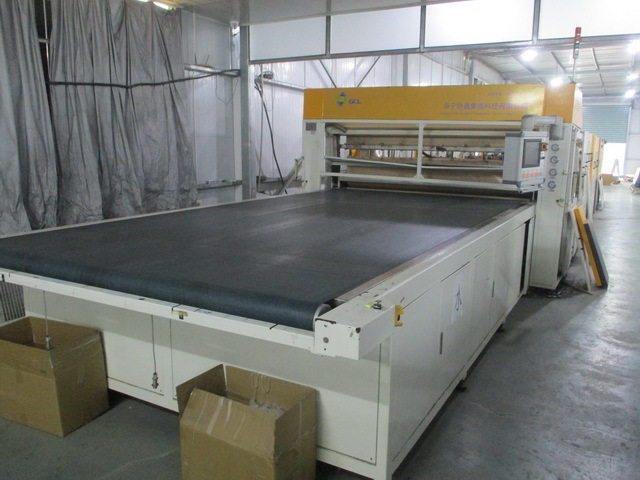
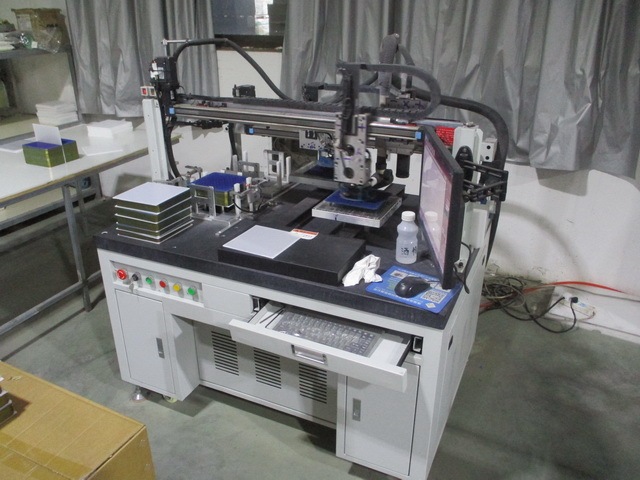
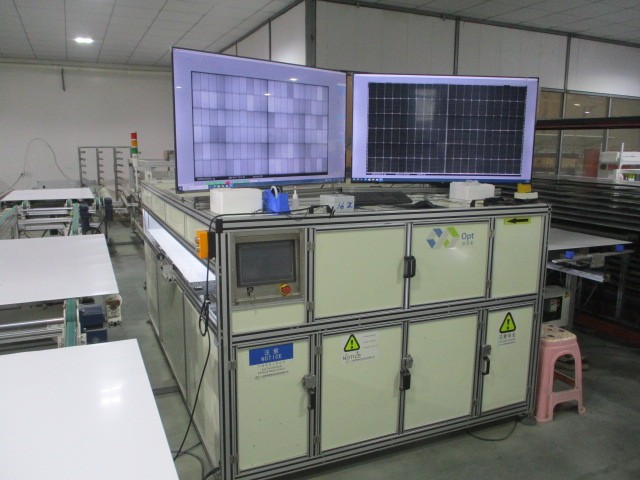
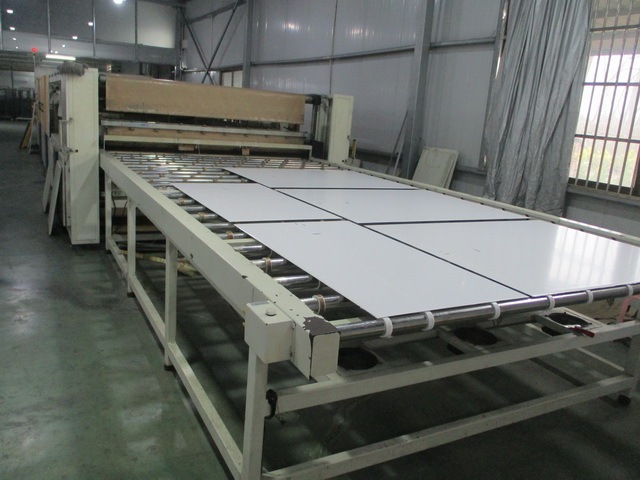
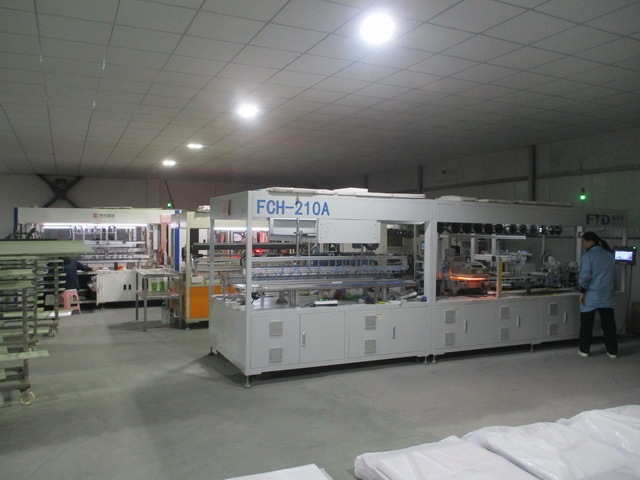
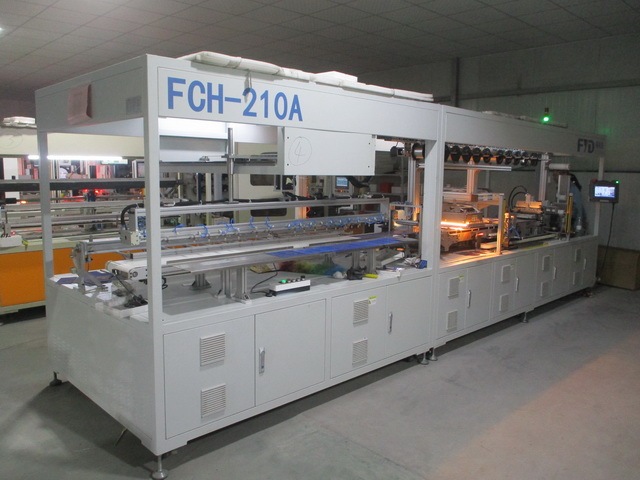
Top-tier Chinese factories utilize automated robotic laser welding for the manifold headers and inner water tanks. Automated high-pressure polyurethane foaming chambers ensure uniform insulation thickness and density (typically 40kg/m³), maintaining heat retention performance for up to 72 hours. Quality control is integrated into every station, including pressurized water leak tests, vacuum degradation tests, and thermal performance testing according to ISO 9001 and Solar Keymark directives.
Global distributors and engineering, procurement, and construction (EPC) contractors require customized products that conform to regional codes. Chinese OEM suppliers specialize in custom naming rights, specific color coatings, custom-shaped mounting frames designed for varying tilt angles, and regionalized language localization on digital controllers.
Solar hot water systems must operate in diverse settings. Below are the macro-industry solutions developed to meet specific application profiles.
Massive daily hot water volume demand is managed via centralized multi-stage thermal storage systems with anti-legionella cycles, ensuring hot water comfort for thousands of guests simultaneously.
Used in greenhouse root heating, livestock sanitation, and dairy cleaning loops, reducing operational overhead and carbon footprint in high-energy consumption operations.
Large-scale solar thermal collector fields installed on ground mounts feeding directly into municipal district heating grids, reducing seasonal gas dependence.
High-durability flat plate arrays with heavy-duty structural steel mounts engineered for off-grid operations in harsh desert or mountain terrains.
When issuing an RFP (Request for Proposal) for custom OEM solar hot water systems, engineering teams must evaluate specific mechanical properties. The table below outlines typical B2B specifications for global distribution.
| Component / System Part | Standard Specifications | Premium OEM Upgrades Available |
|---|---|---|
| Inner Tank Material | SUS304-2B Stainless Steel (0.41 - 0.5mm) | SUS316L (0.6 - 2.0mm) or Duplex 2205 for high chloride zones |
| Outer Tank Shell | Galvanized Steel with PVDF Coating | Marine-grade SUS304 Brushed Stainless Steel |
| Collector Absorption Layer | AL-N/AL-SS/CU Graduated Absorption | Blue Sputtered Titanium Magnetron Coating (α ≥ 95%) |
| Insulation Layer | 50mm High-density Polyurethane (PU) Foam | 80mm Custom Foam Thickness + Rockwool High-Temp Hybrid |
| System Type | Thermosiphon / Natural Circulation | Split Pressurized / Closed Loop Glycol System with Active Pump |
Hangzhou Smart Energy Co., Ltd. is a professional solar power system supplier based in Hangzhou, China, dedicated to delivering efficient and sustainable energy solutions for global customers. The company specializes in the design, manufacturing, and integration of residential, commercial, and hybrid energy storage systems, helping users achieve energy independence and reduce electricity costs.
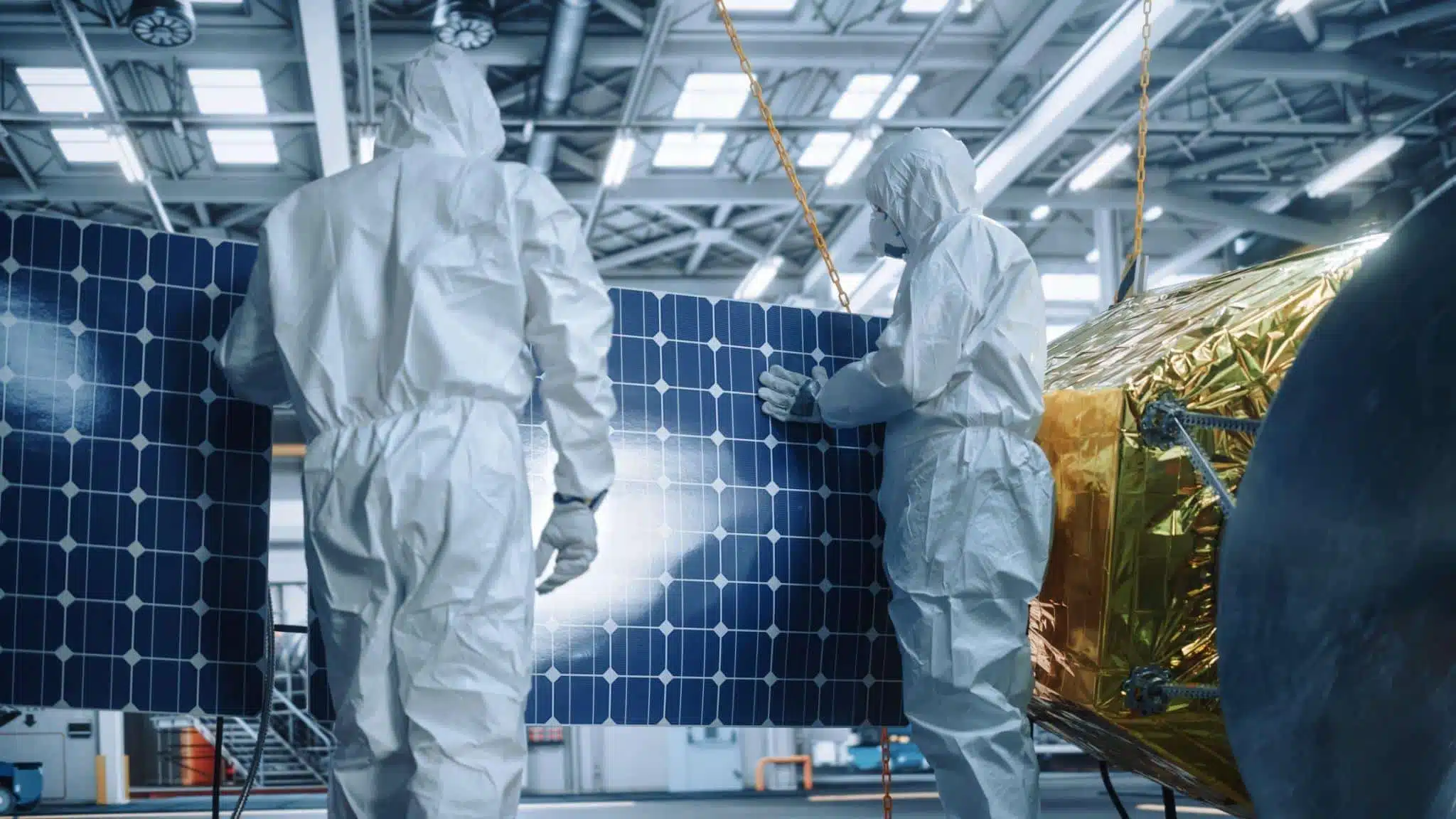
With a comprehensive product portfolio, Smart Energy offers high-performance solar panels, advanced inverters, and reliable battery storage systems, all engineered to ensure optimal efficiency and long-term durability. Its solutions are widely applied in homes, commercial facilities, industrial projects, and off-grid applications, adapting to diverse energy demands and environmental conditions.
Driven by innovation and quality, the company utilizes modern production technologies and strict quality control processes to meet international standards. Its experienced engineering team provides customized system design, technical support, and turnkey project solutions tailored to client requirements.
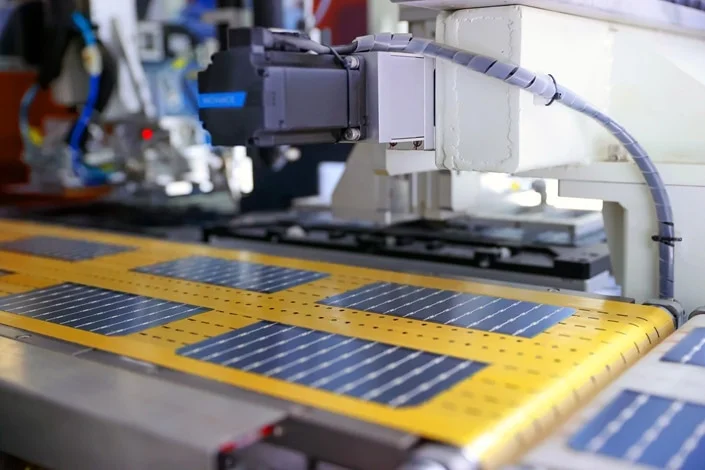
Hangzhou Smart Energy is committed to promoting clean energy adoption worldwide. By combining smart energy management with scalable solar technologies, the company empowers customers to build greener, more efficient, and future-ready power systems.
 Smart Energy