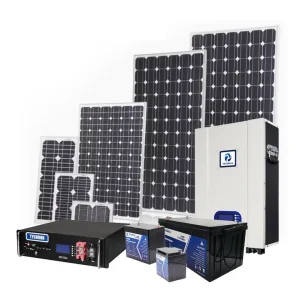
In the modern decentralized energy landscape, commercial, industrial, and utility-scale projects are rapidly transitioning away from piecemeal component procurement. The focus has shifted decisively towards Integrated Solar Power Systems. An integrated system unifies photovoltaic conversion, maximum power point tracking (MPPT) charging, smart battery storage, and advanced inverters into a single, cohesive ecosystem. This engineering synthesis minimizes transmission losses, eliminates inter-component latency, and guarantees maximum round-trip efficiency.
For engineering, procurement, and construction (EPC) firms, the key to scaling solar deployment lies in reducing localized custom installation hours. Integrated solutions mitigate complex layout calculations, field-wiring risks, and structural inconsistencies. More importantly, when certified to rigorous standards such as the CE Mark (Conformité Européenne), these systems assure operators of compliance with strict electrical safety, electromagnetic compatibility, and low voltage directives. Under the LVD (Low Voltage Directive) and EMC directives, CE certification acts as an essential seal of reliability, guaranteeing the system operates safely under varying grid loads and climatic stresses.
Components are pre-calibrated for harmonized voltage matching. The battery chemical properties sync perfectly with the charge controller’s MPPT parameters, extending system lifespan.
Built and tested under strict European harmonized standards (EN 62109, EN 61000). Certified safety guards against thermal runaway, short circuits, and harmonic grid distortion.
Lower initial installation overhead combined with high-density N-type components reduces the overall Levelized Cost of Energy over a standard 25-year system cycle.
Hangzhou Smart Energy Co., Ltd. is a professional solar power system supplier based in Hangzhou, China, dedicated to delivering efficient and sustainable energy solutions for global customers. The company specializes in the design, manufacturing, and integration of residential, commercial, and hybrid energy storage systems, helping users achieve energy independence and reduce electricity costs.
With a comprehensive product portfolio, Smart Energy offers high-performance solar panels, advanced inverters, and reliable battery storage systems, all engineered to ensure optimal efficiency and long-term durability. Its solutions are widely applied in homes, commercial facilities, industrial projects, and off-grid applications, adapting to diverse energy demands and environmental conditions.
Driven by innovation and quality, the company utilizes modern production technologies and strict quality control processes to meet international standards. Its experienced engineering team provides customized system design, technical support, and turnkey project solutions tailored to client requirements.
Hangzhou Smart Energy is committed to promoting clean energy adoption worldwide. By combining smart energy management with scalable solar technologies, the company empowers customers to build greener, more efficient, and future-ready power systems.
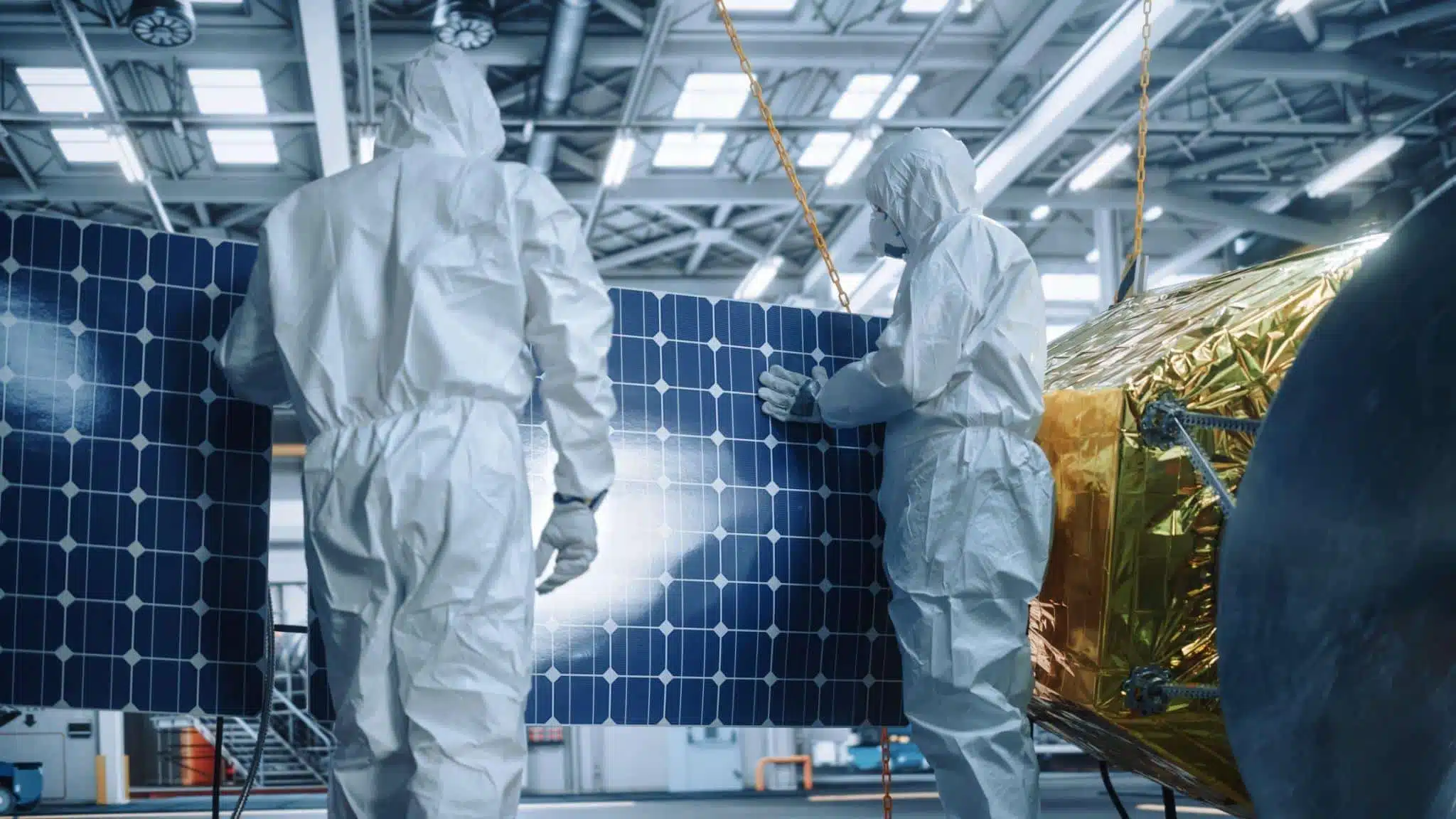
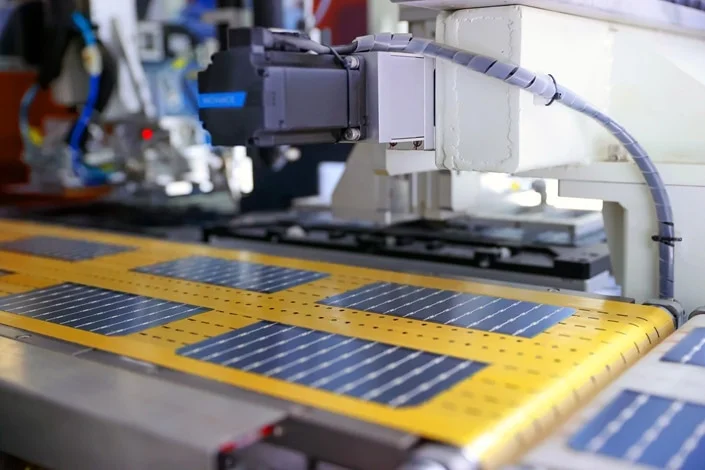
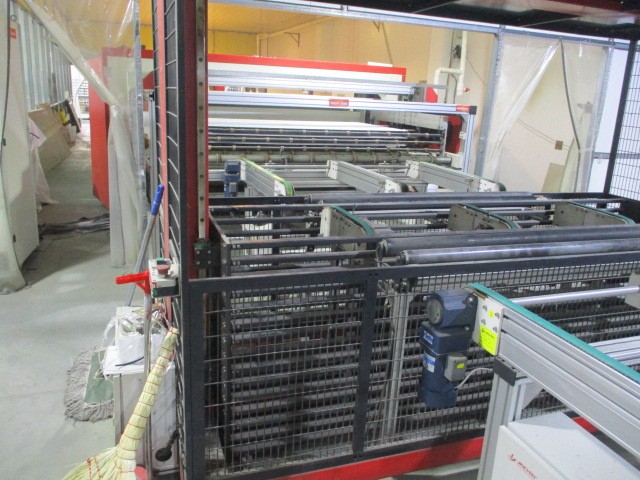
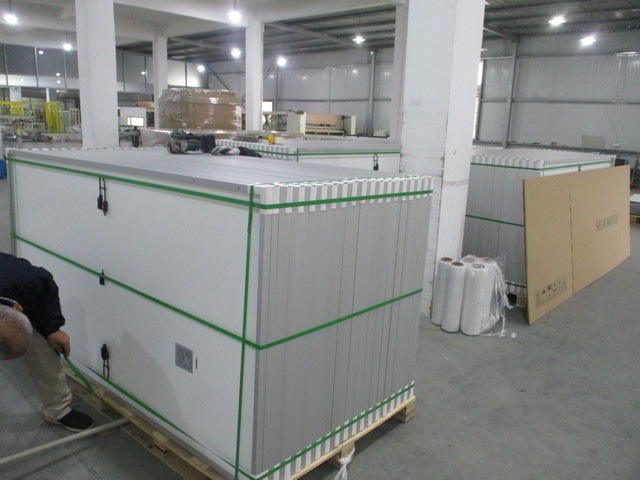
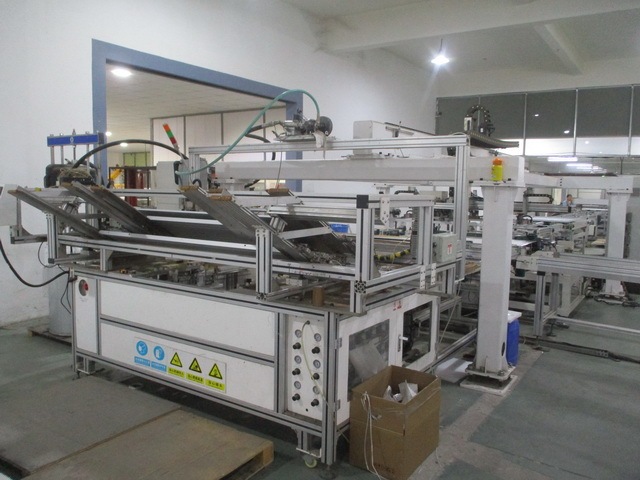
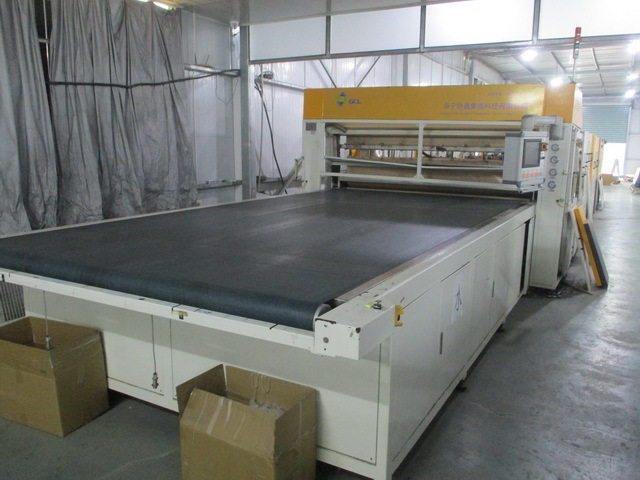
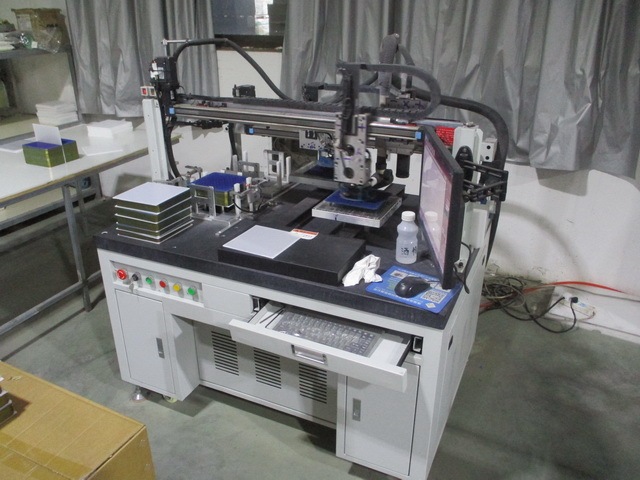
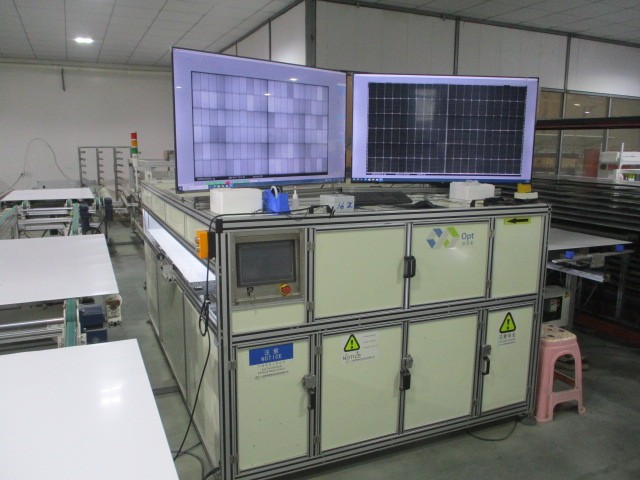
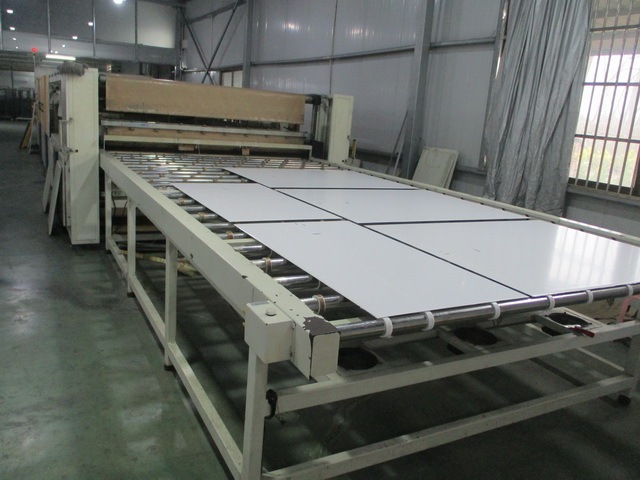
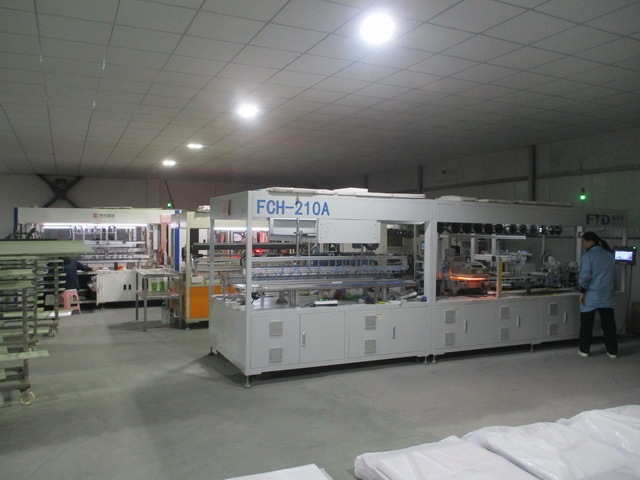
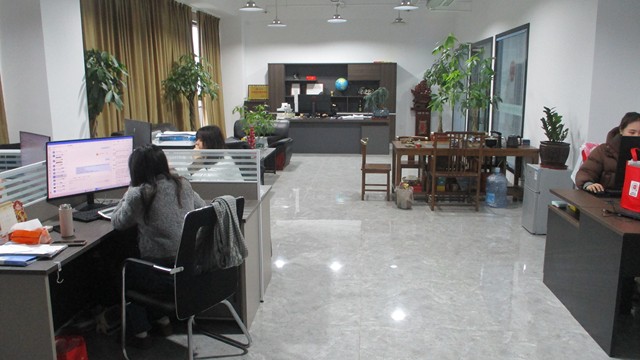
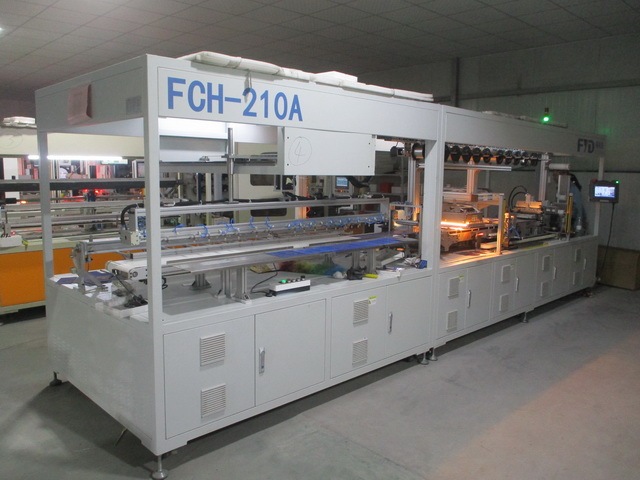
The global dominance of Chinese manufacturers in the solar and energy storage sector is not merely a matter of scale; it is an optimization of vertical supply chain integration. The industrial cluster in Zhejiang, centered around technology hubs like Hangzhou, brings raw material refinement, silicon wafer processing, lithium-cell synthesis, and microelectronics assembly into a contiguous geographic area. This proximity eliminates logistical lag, drastically lowers component transit costs, and fosters a collaborative R&D environment where hardware changes can be prototyped and validated within days.
Furthermore, China’s industrial ecosystem controls over 80% of the world’s PV manufacturing steps, including the processing of high-purity polysilicon and the mass fabrication of N-type monocrystalline cells (such as TopCon technology). For global buyers, purchasing direct from integrated factories in China translates to substantial benefits:
From wafer slicing to finished hybrid battery systems, every stage is executed within the same technological cluster. This reduces manufacturing markup, allowing Hangzhou Smart Energy to pass on direct-to-buyer savings while maintaining strict quality metrics.
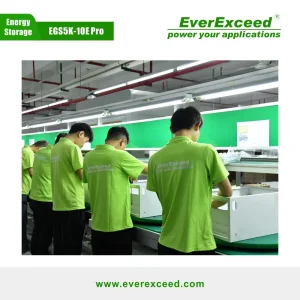
Modern factories utilize automated robotics for solar cell soldering, EL (electroluminescence) testing, and automated battery module calibration. Machine automation reduces human assembly errors to virtually zero, ensuring uniform safety profiles across all batches.
Systems undergo automated thermal chambers, vibration analysis, and high-voltage insulation tests. Each hybrid battery storage system complies with UN38.3 standards to guarantee completely safe shipping and long-term functional stability.
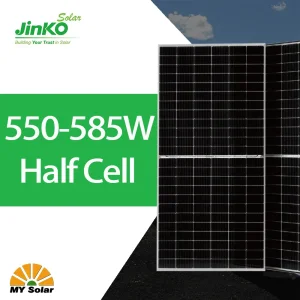
Proximity to leading Tier-1 brands (like Jinko Solar cell platforms and advanced chemical research facilities) ensures that off-grid and on-grid integrated configurations utilize the absolute latest high-density cell designs.
Deploying solar power systems globally requires navigating complex municipal grid requirements, structural safety regulations, and environmental safety protocols. For European markets, the CE Certification is non-negotiable. It proves that the complete integrated unit—including high-frequency inverters, battery management systems (BMS), and solar PV panels—has successfully passed strict testing parameters for electromagnetic interference (EMC) and low-voltage protection (LVD).
Beyond the European continent, compliance frameworks such as UL (Underwriters Laboratories) for North America, MCS for the United Kingdom, and local grid-connection codes (such as Germany’s VDE-AR-N 4105) dictate the feasibility of solar integration. Hangzhou Smart Energy ensures compliance at every stage of the design, assisting procurement teams with precise certificate verification, technical documentation files, and regionalized layout support.
Guarantees that both inverters and power conversion systems are safe from electrical shock, arc faults, and overheating, even during continuous peak load performance.
Ensures that high-frequency inverters do not emit electromagnetic waves that interfere with local telecommunications, medical equipment, or smart home electronics.
Ensures that lithium-iron-phosphate (LiFePO4) storage batteries are completely secure during transcontinental transport, resisting impact, vibration, and thermal exposure.
Different regions and operational scales demand vastly different system layouts. Integrated solar systems excel because of their modular and customizable design configurations, adapting to different environments and usage scenarios:
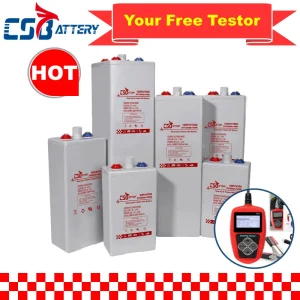
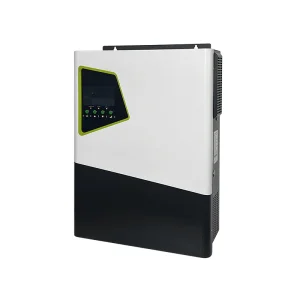
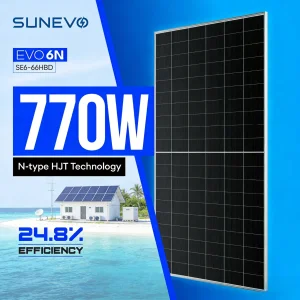
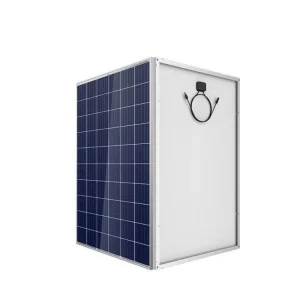
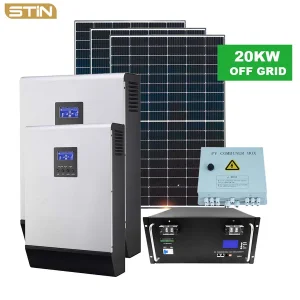
Optimized for regions with short daylight cycles or highly remote terrains. Utilizes high-performance N-Type bifacial solar panels (like the 700W+ models) paired with 10kW off-grid high-frequency hybrid inverters and low-temperature resilient Tubular Gel or LiFePO4 battery modules to guarantee continuous power during extreme winter conditions.
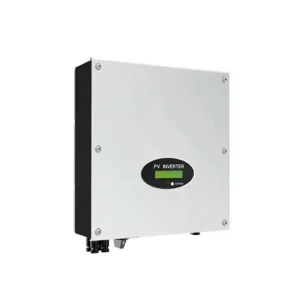
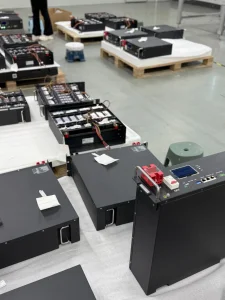
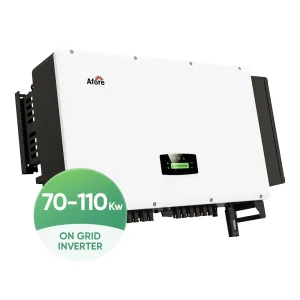
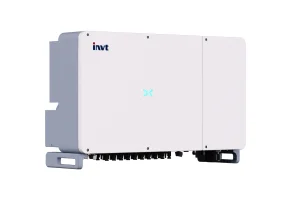
Designed for factories and commercial facilities seeking to lower demand charges and stabilize operational costs. Employs 25kWh to 100kWh Industrial & Commercial Air BESS (Battery Energy Storage Systems) combined with three-phase 80kW/100kW string inverters to intelligently discharge stored clean energy during peak grid tariff windows.
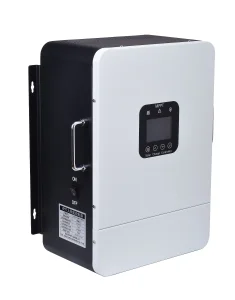
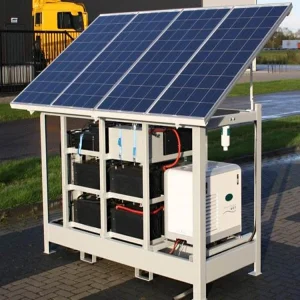
Designed for telecommunication base towers, rural water pumping facilities, and research centers. Uses reliable, modular PWM and MPPT charge controllers integrated with wall-mounted or rack-mounted 51.2V 100Ah battery banks, supplying clean, redundant DC power without grid access.
For corporate purchasing agents, institutional buyers, and EPC managers, sourcing solar power systems involves evaluating long-term financial viability and mitigation of technical risk. Key metrics include component reliability, manufacturer bankability, long-term warranties, and comprehensive documentation for insurance and local compliance. When sourcing high-capacity integrated configurations, procurement teams should prioritize the following parameters:
The future of clean energy lies in intelligence. The integration of AI algorithms and machine learning within local Energy Management Systems (EMS) is revolutionizing how power is stored and consumed. Predictive battery charging systems analyze local weather forecasts, historic energy usage patterns, and real-time utility pricing to dynamically shift power flows. This ensures that energy storage units are charged at the lowest possible cost and discharged when utility rates peak, maximizing ROI.
Additionally, hardware developments continue to push boundary efficiencies. Monocrystalline N-Type TOPCon and Heterojunction (HJT) cell architectures are setting new records for conversion efficiency, keeping temperature coefficients low and maximizing energy yield per square meter. Concurrently, V2G (Vehicle-to-Grid) integration and smart microgrid clusters are transforming residential and industrial sites from passive energy consumers into active clean-energy power hubs.
 Smart Energy