Smart Energy
1 / 5

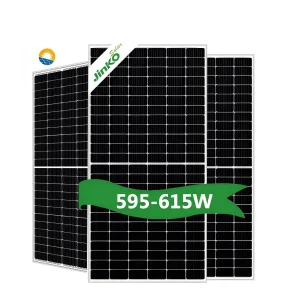
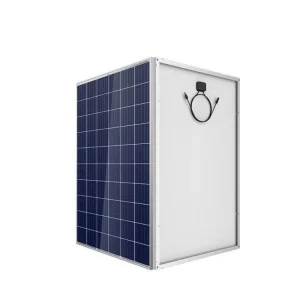
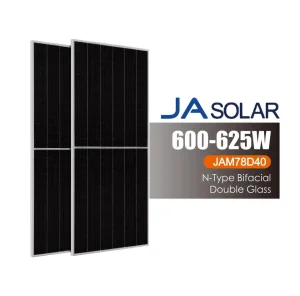
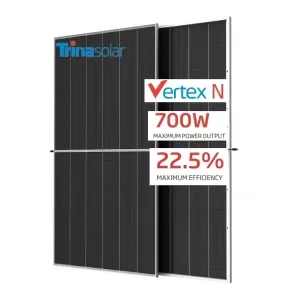
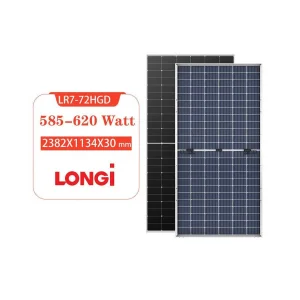
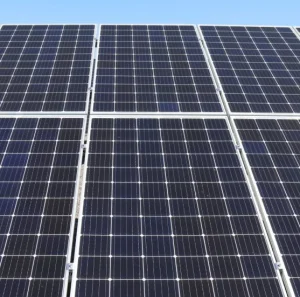
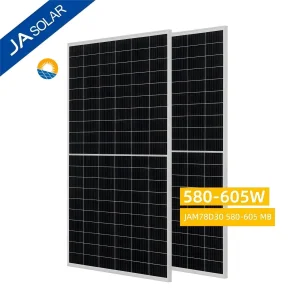
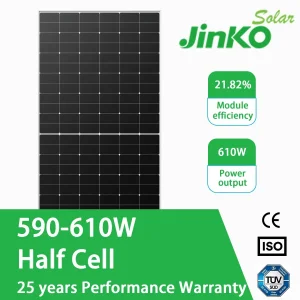
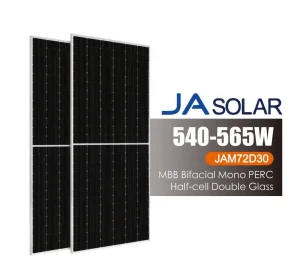
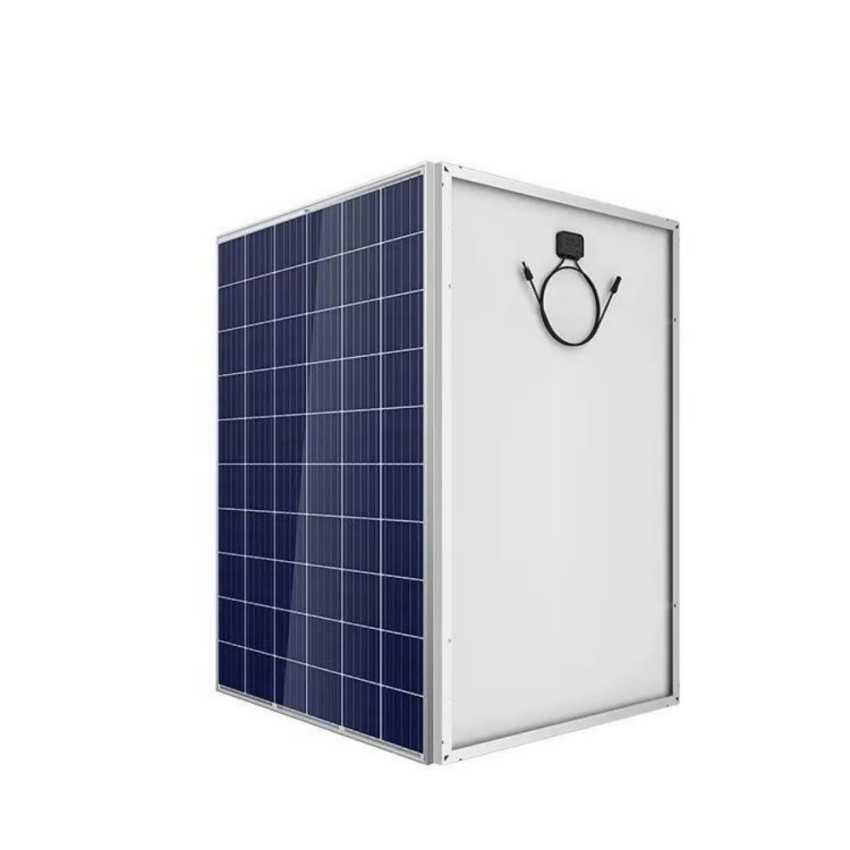
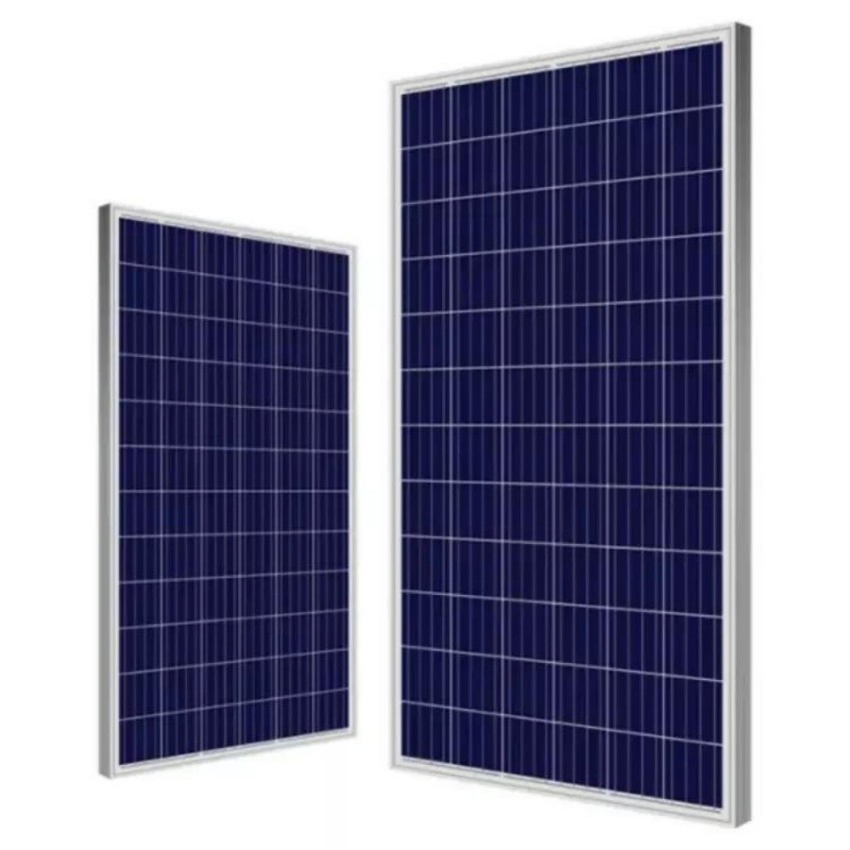
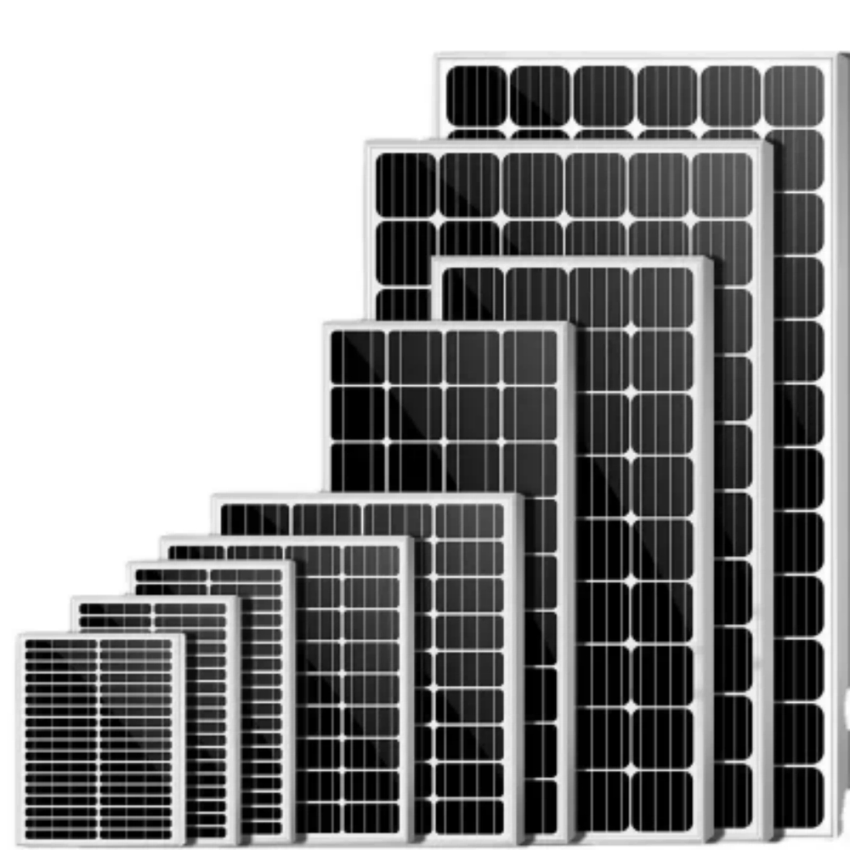
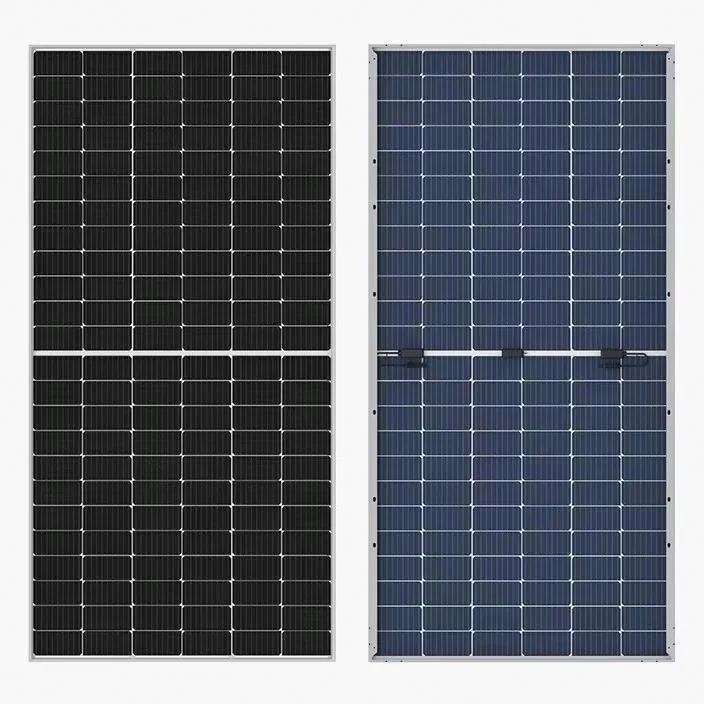
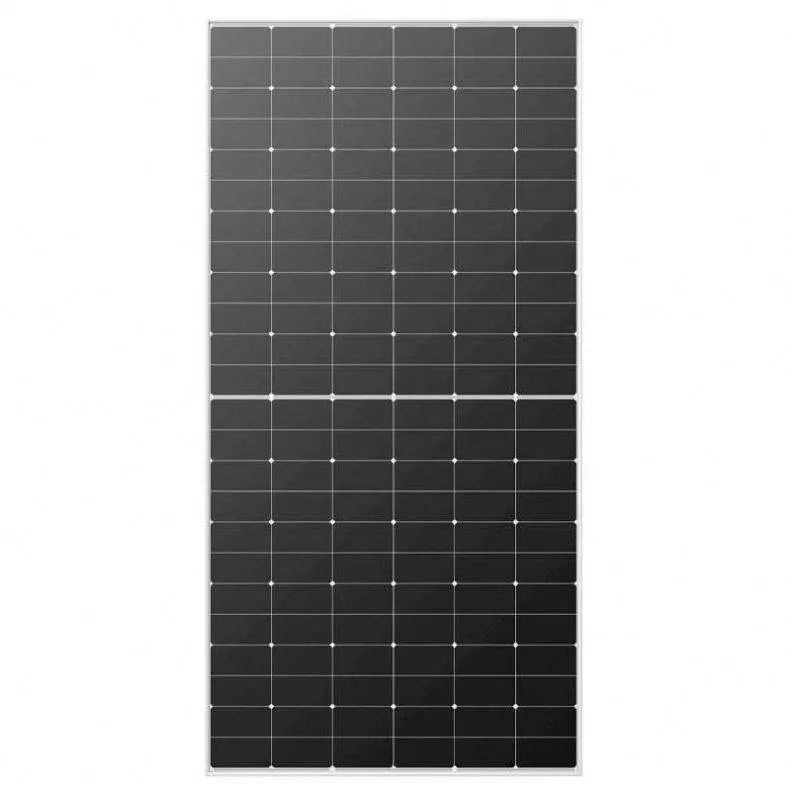
Mono Solar Panel: To produce a monocrystalline silicon cells, absolutely pure semiconduction material is necessary. Monocrystalline rods are extracted from melted silicon and then sawed into thin plates. This production process guarantees a relatively high level of efficiency silicon and makes monocrystalline panels one of the most efficient, producing smaller solar cells, and therefore smaller panels. Monocrystalline works very well in bright cool conditions.
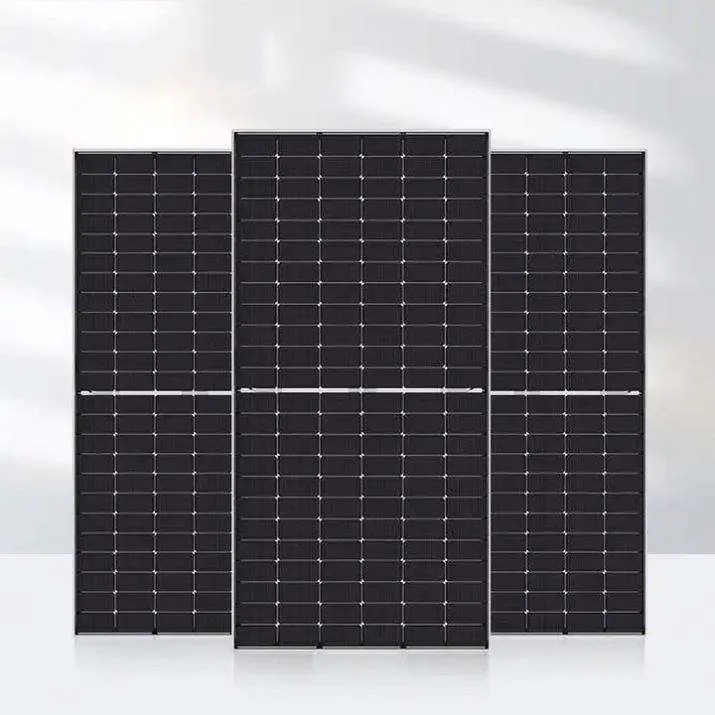
| Maximum Power-Pmax(w) | 100 | 110 | 120 | 130 | 140 |
| Open Circuit Voltage-Voc(V) | 20.60 | 21.23 | 21.60 | 21.95 | 23.16 |
| Short Circuit Current-Isc(A) | 5.94 | 6.41 | 6.87 | 7.21 | 7.46 |
| Maximum Power Voltage-Vmpp(V) | 17.82 | 18.15 | 18.48 | 19.08 | 19.80 |
| Module Efficiency(%) | 18.80 | 20.70 | 22.69 | 21.30 | 20.30 |
| Pmax Temp Coeffcient | -0.40%/ºC | Voc Temp Coeffcient | -0.32%/ºC |
| Operating Temp | -40-+85ºC | NOCT | 45±2ºC |
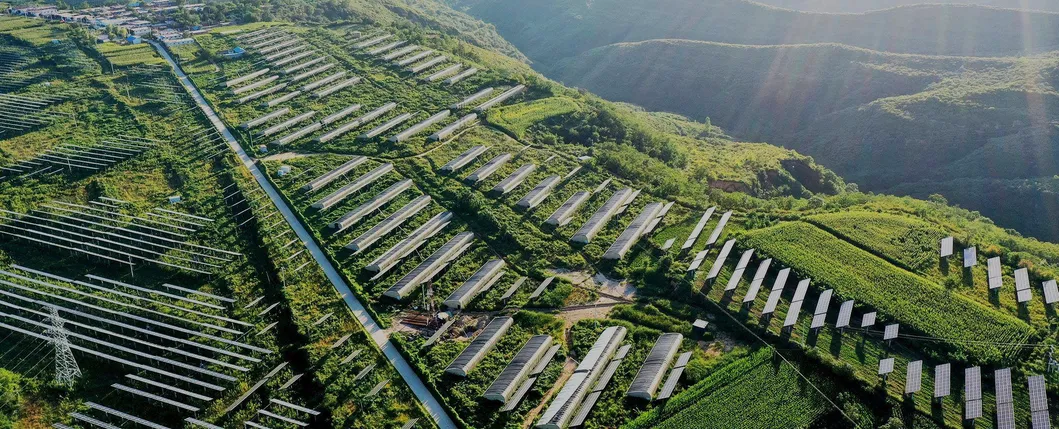
Grid-friendly and environmentally-friendly. Featured applications include large-scale PV power plants on flat terrain, mountainous terrain, and floating systems (floatovoltaics).
Solar PV can be paired with high-energy-consuming enterprises to meet demand and power green hydrogen production, helping achieve decarbonization goals.

Enhancing environmental protection and brand equity by reducing energy consumption, pollution, and long-term operating costs.