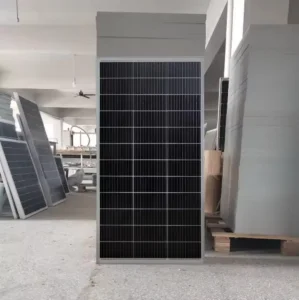
Engineered to withstand low ambient temperatures and intense structural snow loads while maximizing daily yield across Russia's industrial heartland.

The Samara Oblast, positioned within the Volga Federal District, represents one of Russia’s most vital industrial hubs. With heavy concentration in automotive manufacturing (Tolyatti industrial cluster), aerospace engineering, metallurgical processing, and chemical refining, energy resilience and cost-containment have surfaced as major strategic priorities for local enterprise executives. As conventional grid tariffs face continuous adjustments and corporate sustainability initiatives take center stage, industrial-scale photovoltaic (PV) adoption in Samara has escalated from an exploratory alternative into a core financial hedging mechanism.
From a solar resource perspective, Samara possesses a unique solar irradiance profile. Receiving an average annual global horizontal irradiance (GHI) ranging between 1,120 kWh/m² and 1,280 kWh/m² with over 1,800 to 2,000 hours of direct sunshine per year, the region outperforms many Central European manufacturing hubs in annual photovoltaic yield potential. However, Samara's continental climate presents rigorous operational challenges: freezing winter temperatures dropping to -30°C to -35°C, high snow load accumulation, seasonal wind gusts from the Volga basin, and sharp thermal swings between winter freeze and summer peaks reaching +35°C.
This whitepaper provides an authoritative blueprint for EPC contractors, industrial project developers, and import distributors in Samara. It explores the technical merits of advanced monocrystalline modules, evaluates supply chain dynamics originating from China’s Industry 4.0 solar gigafactories, and establishes precise criteria for selecting long-term manufacturing partners.
The shift from legacy Polycrystalline (Poly-Si) and P-Type PERC cells toward advanced N-Type Monocrystalline technology marks a transformative milestone in PV efficiency and field reliability. For industrial applications in cold, high-latitude regions like Samara, N-Type TOPCon (Tunnel Oxide Passivated Contact) and HPBC (Hybrid Passivated Back Contact) cells deliver fundamental physical advantages:
Monocrystalline cells exhibit a superior power temperature coefficient (Pmax as low as -0.30%/°C). In freezing winter conditions (-20°C to -30°C), the open-circuit voltage (Voc) increases significantly, yielding up to 8-12% higher instantaneous power output than nominal STC ratings.
N-type monocrystalline wafers are doped with Phosphorus instead of Boron, eliminating Boron-Oxygen complex degradation. This guarantees zero Light Induced Degradation (LID) and negligible Light and Elevated Temperature Induced Degradation (LeID).
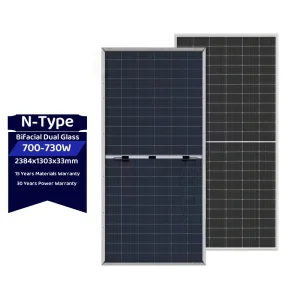
Double-glass bifacial monocrystalline modules capture ambient light reflected from winter snow coverage. With bifaciality factors reaching 80-85%, system yield increases by an additional 15-28% during snow-covered months.
| Module Parameter | Legacy P-Type PERC | N-Type TOPCon (Recommended) | HPBC / HJT Advanced |
|---|---|---|---|
| Cell Efficiency Range | 22.5% - 23.2% | 25.0% - 26.2% | 25.5% - 26.8% |
| Module Power Output (182/210mm) | 450W - 550W | 580W - 710W | 600W - 730W |
| Temperature Coefficient (Pmax) | -0.35% / °C | -0.30% / °C | -0.26% / °C |
| First Year Degradation | ≤ 2.0% | ≤ 1.0% | ≤ 1.0% |
| Annual Degradation (Yr 2-30) | -0.55% / year | -0.40% / year | -0.35% / year |
| Mechanical Snow Load Rating | 5400 Pa | 5400 Pa - 7200 Pa (Dual Glass) | 5400 Pa - 7200 Pa (Dual Glass) |
When enterprise procurement directors, project financiers, and EPC leads in Samara initiate sourcing for monocrystalline solar modules, their underlying search intent revolves around risk mitigation, Levelized Cost of Electricity (LCOE) optimization, and supply continuity.
Key evaluation dimensions identified in B2B user intent mining include:
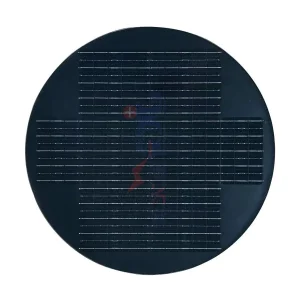
Industrial buyers require versatile form factors—from ultra-high wattage 700W+ bifacial modules for utility ground mounts, down to OEM customized 6V/18V mini panels for autonomous outdoor infrastructure and municipal garden lighting across Samara’s urban parks.
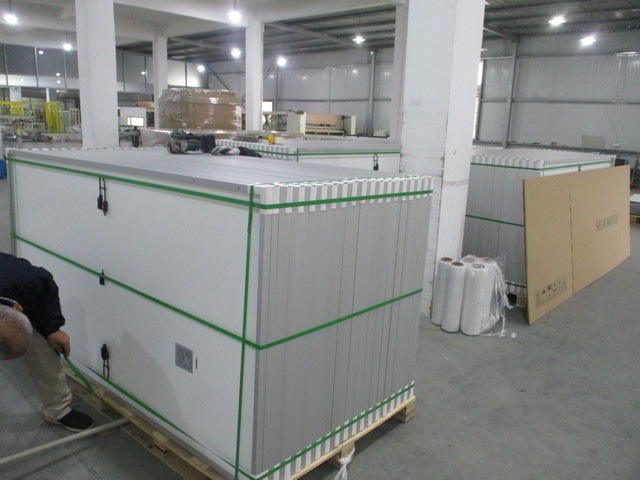
Navigating cross-border rail and maritime logistics from Eastern manufacturing hubs into Russian regional hubs demands robust packaging (anti-vibration wooden pallets, moisture-proof vacuum encapsulation) and comprehensive export documentation (TUV, CE, ISO, IEC test certificates).
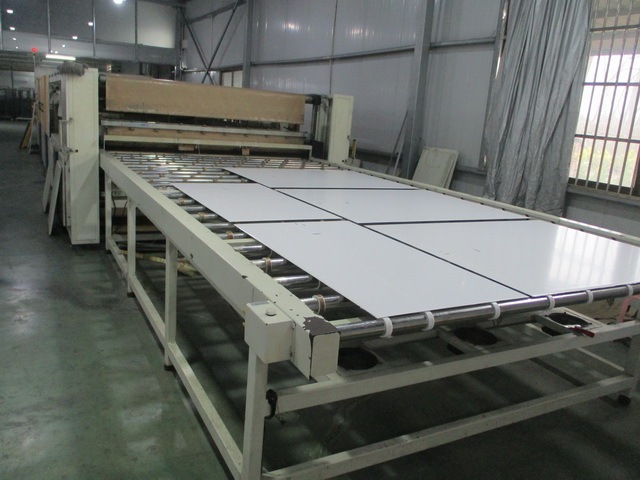
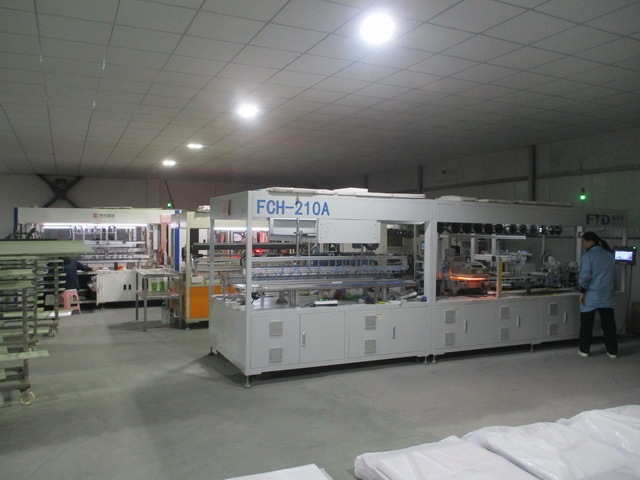
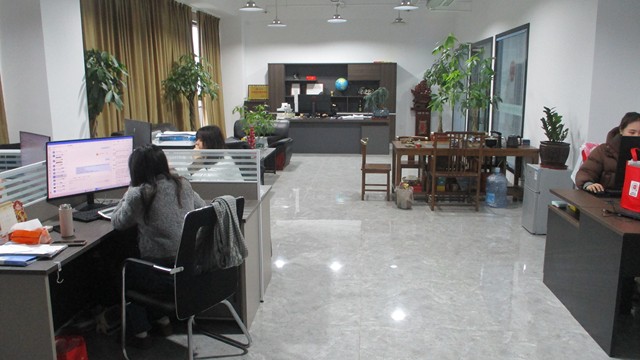
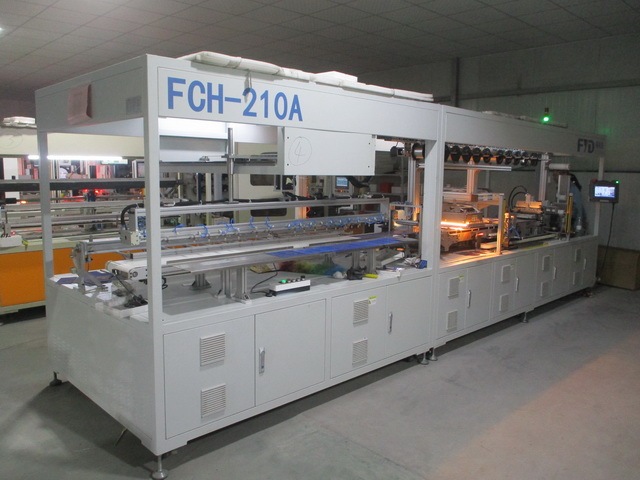
Hangzhou Smart Energy Co., Ltd. is a professional solar power system supplier based in Hangzhou, China, dedicated to delivering efficient and sustainable energy solutions for global customers. The company specializes in the design, manufacturing, and integration of residential, commercial, and hybrid energy storage systems, helping users achieve energy independence and reduce electricity costs.
With a comprehensive product portfolio, Smart Energy offers high-performance solar panels, advanced inverters, and reliable battery storage systems, all engineered to ensure optimal efficiency and long-term durability. Its solutions are widely applied in homes, commercial facilities, industrial projects, and off-grid applications, adapting to diverse energy demands and environmental conditions.
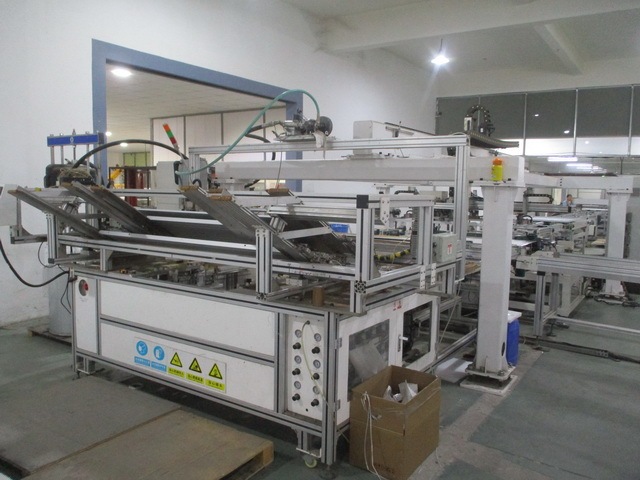
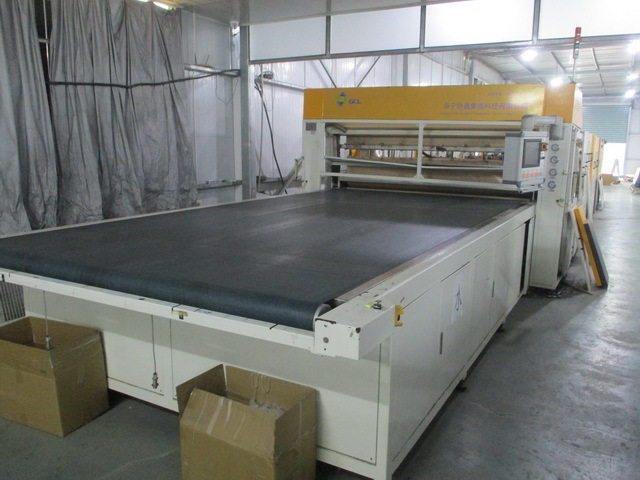
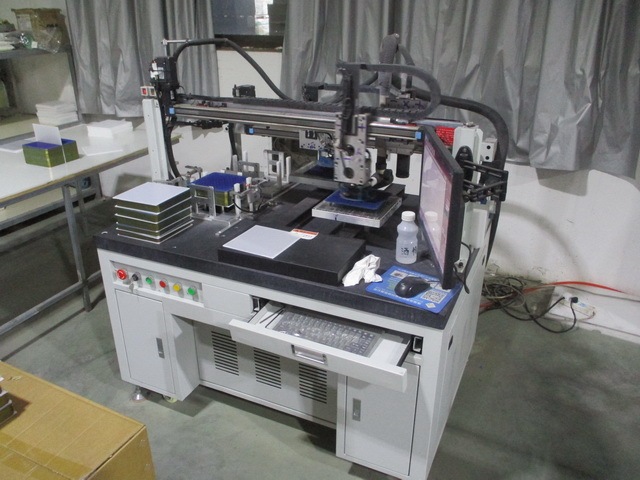
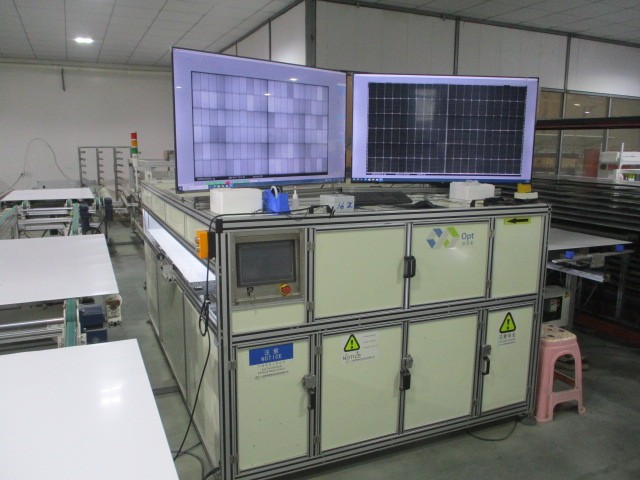
Driven by innovation and quality, the company utilizes modern production technologies and strict quality control processes to meet international standards. Its experienced engineering team provides customized system design, technical support, and turnkey project solutions tailored to client requirements. Hangzhou Smart Energy is committed to promoting clean energy adoption worldwide. By combining smart energy management with scalable solar technologies, the company empowers customers to build greener, more efficient, and future-ready power systems.
To maximize economic returns on PV deployment in Samara, system design must be directly aligned with specific site profiles and load requirements:
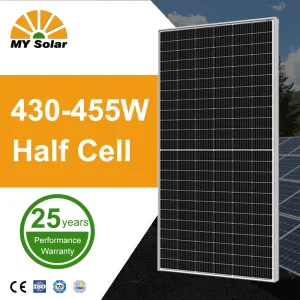
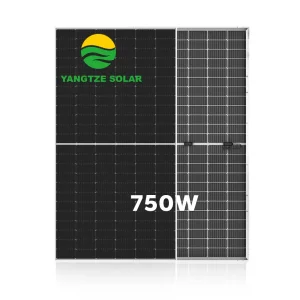
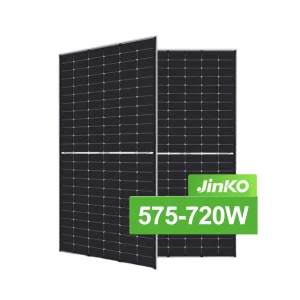
Manufacturing plants in Tolyatti and Samara city utilize large-format 600W-700W Monocrystalline PV modules on metallic trapezoidal roofs. Grid-tied zero-export configurations offset peak daytime tariffs during continuous factory operation.
Agricultural complexes along the Volga basin leverage bifacial double-glass monocrystalline arrays elevated over storage facilities. Reflective ground surfaces enhance winter yield, ensuring reliable power for refrigeration systems.
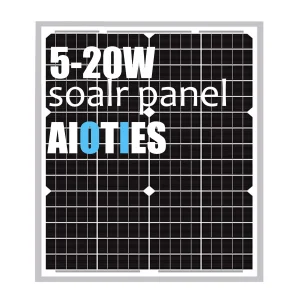
Municipal street lighting and remote environmental monitoring stations in Samara utilize customized 5W to 20W mini mono solar kits, ensuring uninterrupted operation without expensive grid extension costs.
Explore our full line of Tier-1 certified PV modules, engineered for residential, commercial, and utility-scale projects in Samara.
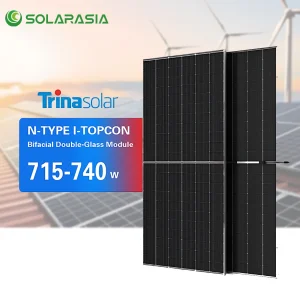
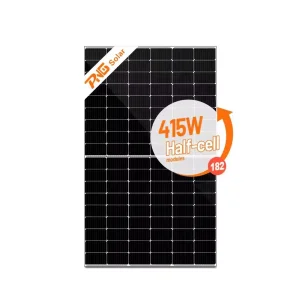
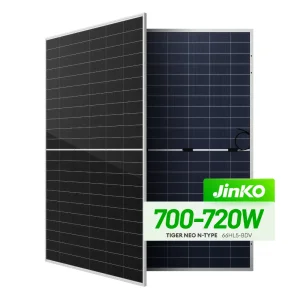
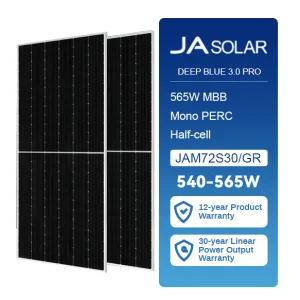
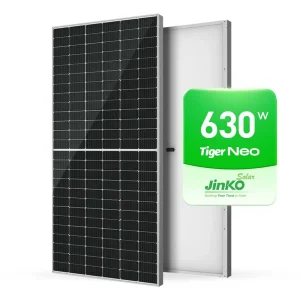
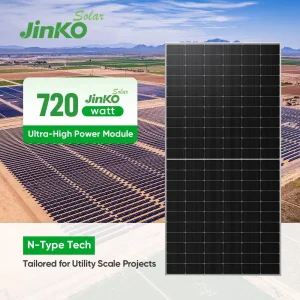
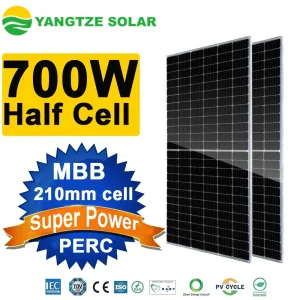
Partner directly with China's leading Industry 4.0 monocrystalline manufacturer. Contact our engineering team today for factory-direct wholesale quotes, customized OEM specifications, and complete system designs.
Send Inquiry Now Smart Energy