Explore our flagship lineup of solar thermal systems, high-density LiFePO4 batteries, ultra-efficiency TOPCon & N-Type modules, and versatile agricultural/commercial PV integrations engineered to international standards.
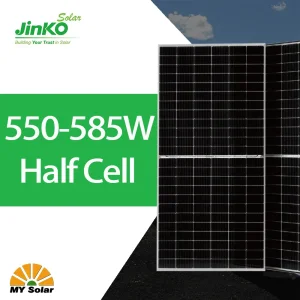
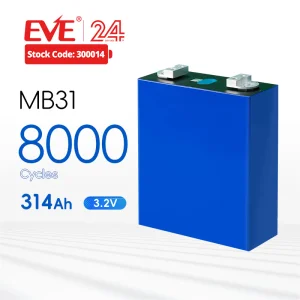
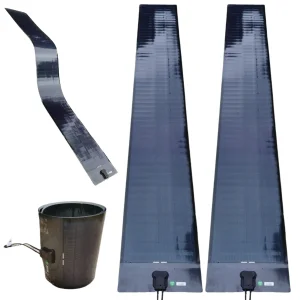
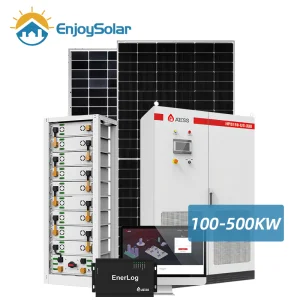
As energy infrastructure globally transitions toward zero-carbon baseline operations, industrial solar thermal energy systems combined with high-yield photovoltaic (PV) generation and advanced energy storage systems (BESS) represent the benchmark for thermal and electrical energy independence.
PVT hybrid technology captures both electrical power and heat energy simultaneously. Liquid cooling heat exchangers attached to the back of high-efficiency N-Type TOPCon or monocrystalline panels extract thermal waste heat, decreasing solar cell temperature by up to 25°C. This dual-action mechanism prevents high-temperature efficiency roll-off while supplying high-grade thermal fluid (up to 80°C) for commercial hot water, space heating, or industrial processes.
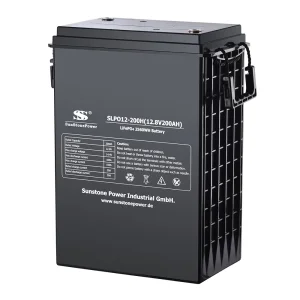
To mitigate renewable intermittency, modern solar systems deploy high-capacity Lithium Iron Phosphate (LiFePO4) cell chemistry—featuring flagship 3.2V 314Ah cells from EVE and turnkey battery racks. Integrated three-phase hybrid inverters (from 5kW to 500kW) ensure millisecond-level UPS backup switching, peak shaving, demand response management, and maximum self-consumption optimization.
Equipped with intelligent Energy Management Systems (EMS) and IoT sensors, our turnkey microgrid systems continuously calculate solar thermal collection rates, ambient thermal loss, load curves, and grid tariff rates. High-efficiency stainless steel heat exchangers and insulated glycol loops guarantee long-term operational integrity across harsh climates (-40°C to +60°C).
Empowering the global energy transition through precision manufacturing, engineering excellence, and scalable renewable energy integration.
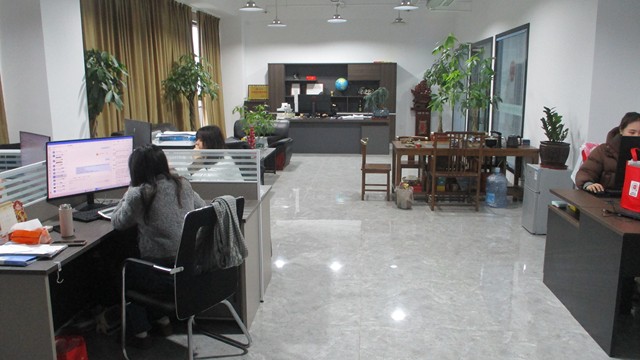
Hangzhou Smart Energy Co., Ltd. is a professional solar power system supplier based in Hangzhou, China, dedicated to delivering efficient and sustainable energy solutions for global customers. The company specializes in the design, manufacturing, and integration of residential, commercial, and hybrid energy storage systems, helping users achieve energy independence and reduce electricity costs.
With a comprehensive product portfolio, Smart Energy offers high-performance solar panels, advanced inverters, and reliable battery storage systems, all engineered to ensure optimal efficiency and long-term durability. Its solutions are widely applied in homes, commercial facilities, industrial projects, and off-grid applications, adapting to diverse energy demands and environmental conditions.
Driven by innovation and quality, the company utilizes modern production technologies and strict quality control processes to meet international standards. Its experienced engineering team provides customized system design, technical support, and turnkey project solutions tailored to client requirements.
Hangzhou Smart Energy is committed to promoting clean energy adoption worldwide. By combining smart energy management with scalable solar technologies, the company empowers customers to build greener, more efficient, and future-ready power systems.
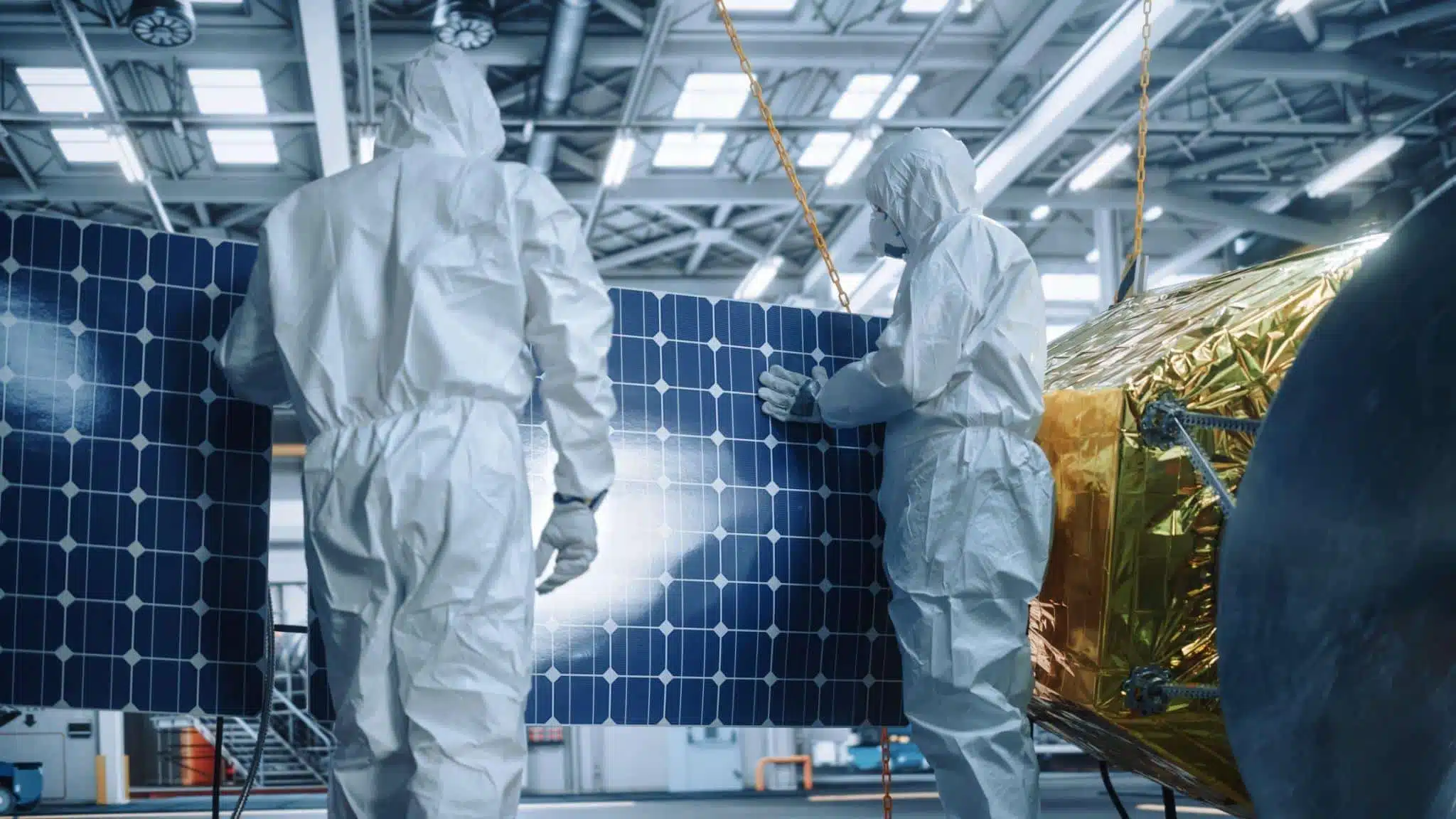
China produces over 80% of the world's solar components and lithium-ion batteries. Leveraging Hangzhou’s technology innovation hub and Yangtze River Delta logistics, our factory network provides unmatched supply chain resilience, cost efficiency, and technological superiority.
From high-purity polysilicon ingot pulling, N-Type wafer slicing, and TOPCon double-glass module assembly to high-capacity LiFePO4 prism cell packing (EVE 314Ah), our fully integrated manufacturing value chain eliminates middleman overhead and ensures raw material traceability.
We tailor solutions for international distributors, EPC contractors, and brand owners. Options include customized nameplate branding, custom voltage/frequency configurations (110V-480V, 50Hz/60Hz), custom enclosure IP ratings (IP65/IP67), and specialized vertical or flexible CIGS solar mounting kits.
Operating gigawatt-scale production capacity enables high purchasing power for premium raw materials. Proximity to Ningbo and Shanghai sea ports ensures streamlined ocean freight dispatch, container loading optimization, and rapid delivery lead times worldwide.
For industrial procurement managers, engineering procurement construction (EPC) firms, and corporate sustainability officers, renewable assets must deliver strong return on investment (ROI) while satisfying stringent ESG standards.
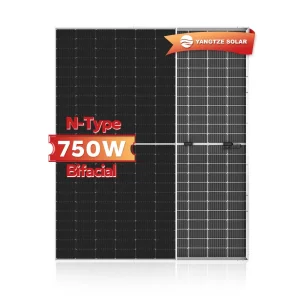
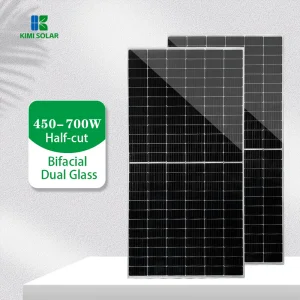
By pairing high-power 750W N-Type TOPCon bifacial panels (with up to 30% rear-side gain) alongside long-life 3.2V 314Ah LiFePO4 cells, system LCOE is reduced by 15-22% compared to conventional P-type PERC installations. Higher energy density lowers Balance of System (BOS) costs including cabling, racking, and labor.
Corporations facing mandatory Scope 1, 2, and 3 emissions reporting demand verifiable clean production metrics. Our manufacturing processes utilize recyclable materials, non-hazardous assembly practices, full ROHS compliance, and transparent raw material auditing to ensure seamless ESG disclosures.
Navigating regional electrical codes, grid connection standards, and safety certifications is essential for smooth project execution across North America, Europe, Latin America, Australia, and Africa.
All exported products carry full certifications including CE, TÜV Rheinland, IEC 61215 / IEC 61730 (for PV modules), UL 1973 / UL 9540A (for battery storage safety), and UN38.3 transport certification. Systems meet European EMC directives and North American National Electrical Code (NEC 2020) requirements.
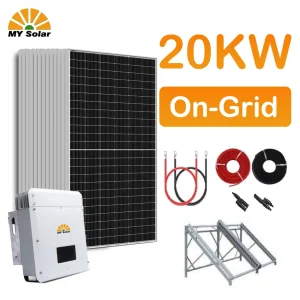
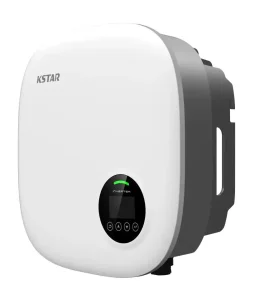
Our on-grid and hybrid string inverters (such as Kstar three-phase 5kW-25kW series) support localized dynamic grid stabilization functions, including reactive power adjustment (anti-islanding protection, VDE-AR-N 4105, EN 50549, IEEE 1547 compliance) and zero-export smart meter integration.
Hangzhou Smart Energy offers localized technical documentation, remote CAD/PVsyst system design assist, virtual commissioning assistance, and warranty fulfillment protocols (25-year panel performance guarantees and 5-10 year battery warranties).
Engineered for versatility across agricultural, commercial, industrial, and off-grid mobile environments.
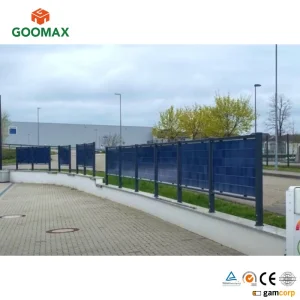
Vertical bifacial mounting structures optimize land-use ratio by allowing heavy agricultural machinery to maneuver between rows. Dual-sided absorption captures morning and evening low-angle solar rays, while thermal co-generation provides warm water for livestock or greenhouse climate management.
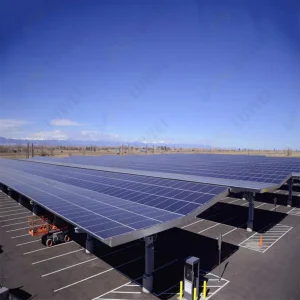
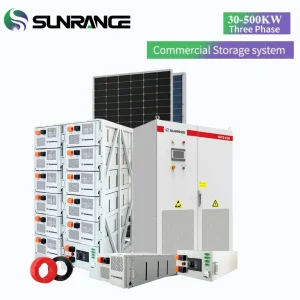
Large-scale solar carports convert open parking spaces into clean energy hubs. Integrated with 100kW - 500kW hybrid LiFePO4 energy storage systems, businesses offset peak utility charges, supply EV fast chargers, and preserve emergency backup capability during grid failures.
Ultra-thin, bendable Copper Indium Gallium Selenide (CIGS) solar panels adhere directly to curved surfaces on RV roofs, trucks, fleet trailers, and marine vessels. Resilient against micro-cracking and high aerodynamic drag, they provide continuous trickle-charging for mobile battery banks.
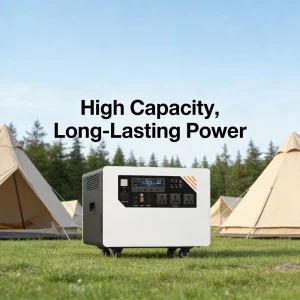
Portable fast-charging power stations (2500W output) paired with plug-and-play folding solar panels cater to remote telecom stations, disaster relief operations, field hospitals, and off-grid expeditions requiring instant noise-free power.
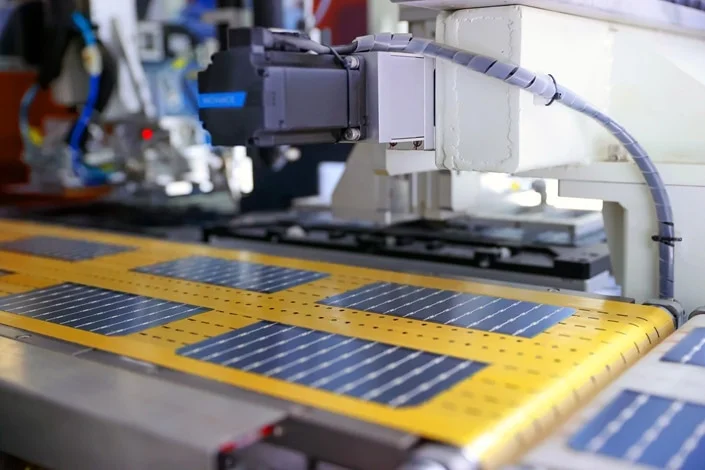
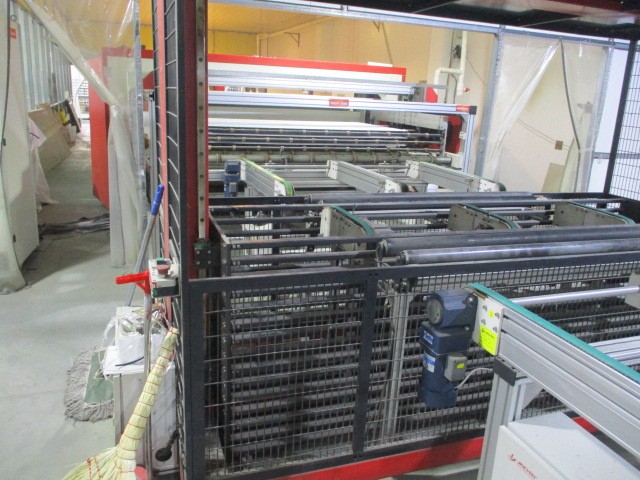
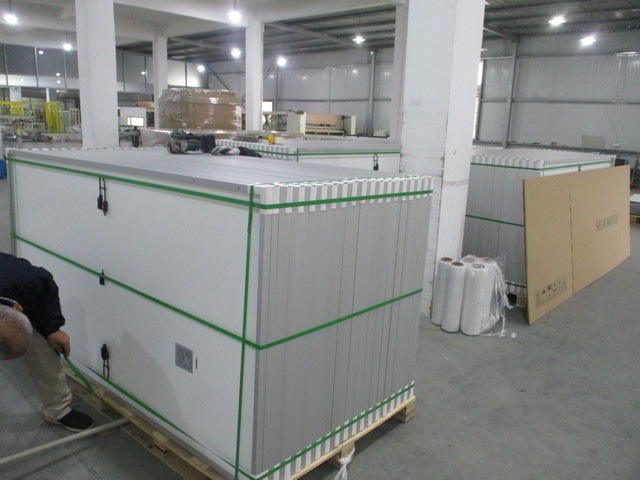
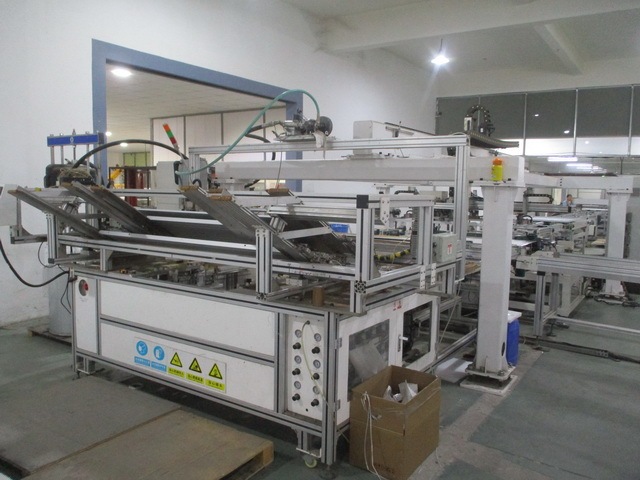
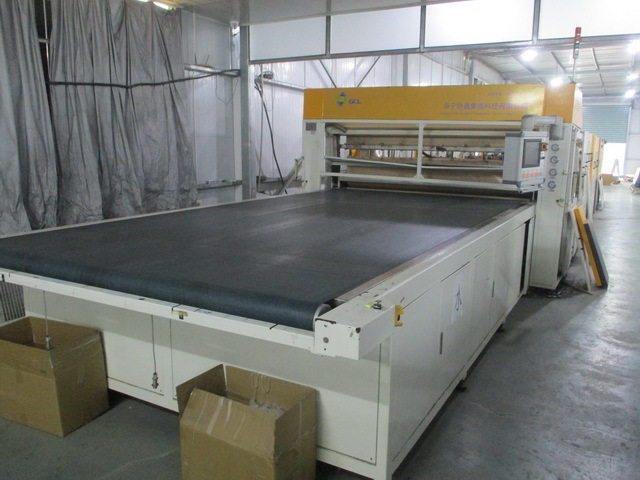
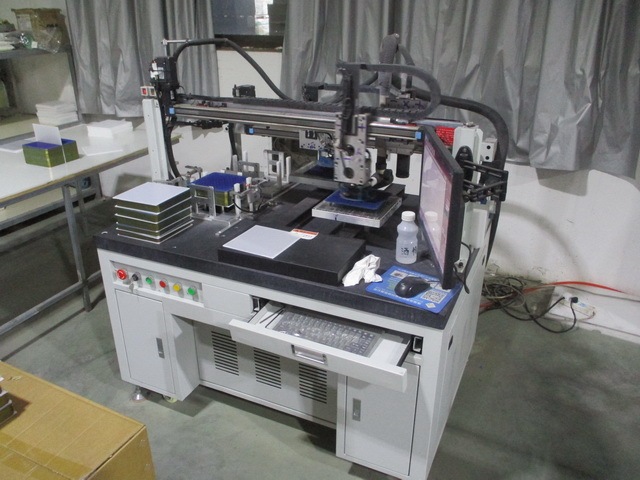
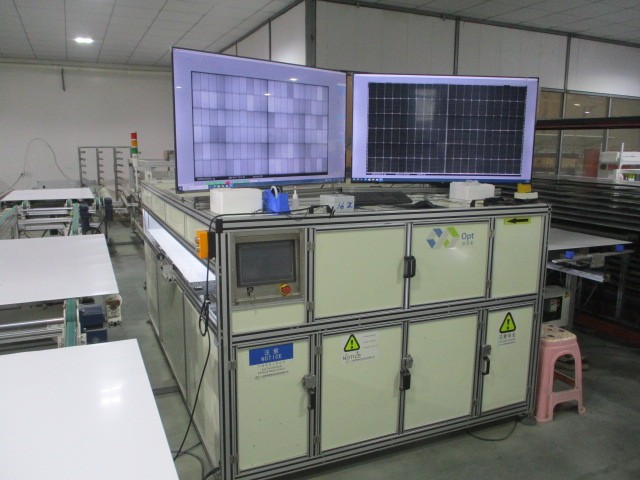
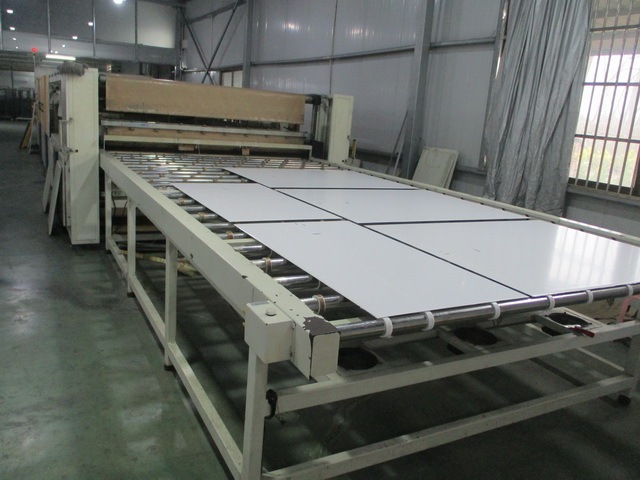
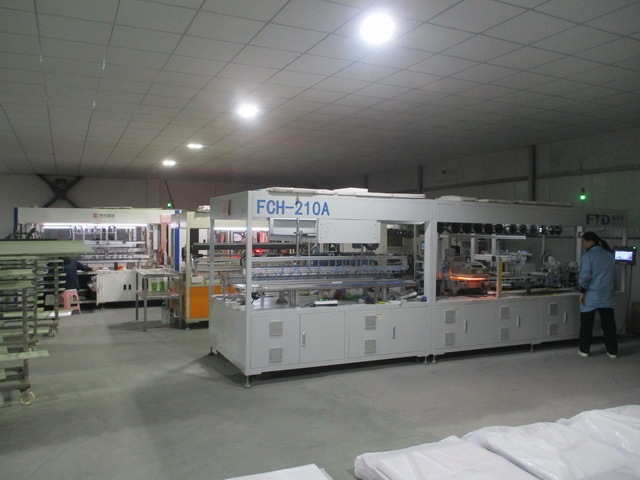
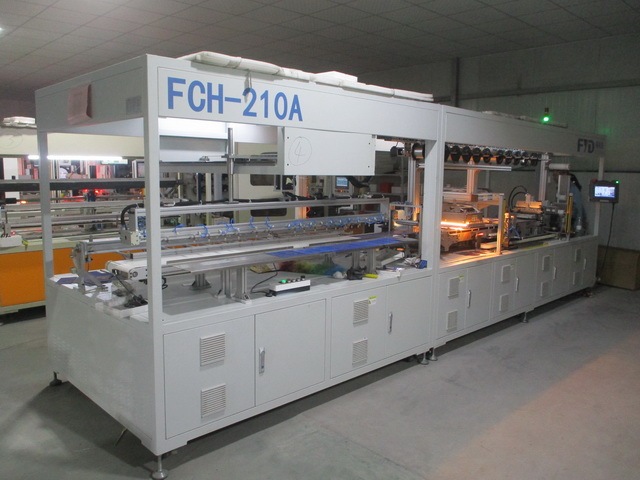
Our state-of-the-art production facility incorporates automated assembly lines, triple Electroluminescence (EL) defect detection, flash testing simulators, and environmental stress chambers.
Analyzing the technological shifts driving lower system costs and higher energy density in the global renewable market.
Legacy P-type PERC panels have hit technological efficiency limits (~21.4%). The industry standard has shifted to N-Type TOPCon (Tunnel Oxide Passivated Contact) and Heterojunction (HJT) cells, delivering efficiencies exceeding 23.5%, lower power degradation (0.4% per year), and superior temperature coefficients.
Commercial energy storage is rapidly standardizing on 314Ah LiFePO4 cells over older 280Ah designs. The 314Ah capacity yields a 12% increase in energy density per volumetric footprint, reducing containerized BESS shipping costs and installation footprint for utility projects.
Inverters are evolving from simple power convertors into edge-computing IoT nodes. Integrated VPP firmware allows aggregated commercial solar energy systems to participate in real-time grid frequency regulation and spot-market electricity trading automatically.
Expert answers to critical engineering, manufacturing, and procurement inquiries from global EPC buyers and distributors.
Discover our additional commercial-grade inverter range, utility solar panels, and scalable battery systems for residential and industrial microgrids.
 Smart Energy