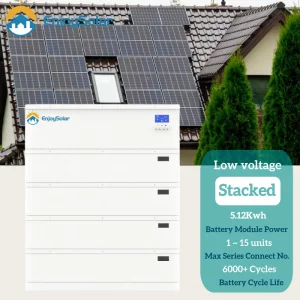
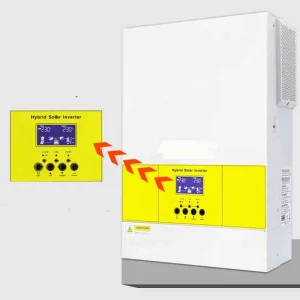
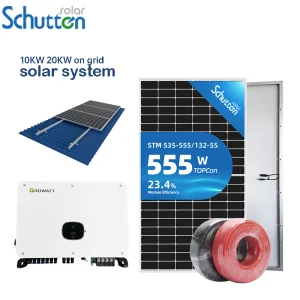
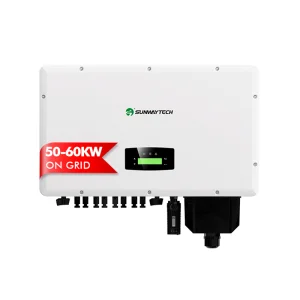
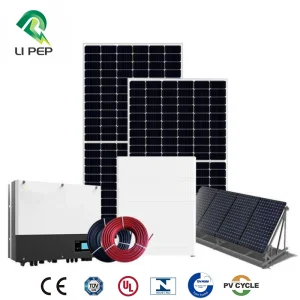
Explore our premium grade selection of smart hybrid, off-grid and on-grid solar solutions engineered for ultimate operational efficiency.
The global renewable energy landscape is transitioning from passive power generation to active, intelligent grid integration. At the core of this transition is the Smart Solar Inverter. Traditional inverters served a singular purpose: converting direct current (DC) produced by photovoltaic panels into alternating current (AC) for local consumption or grid export. Modern smart inverters represent a paradigm shift. They operate as edge-computing energy nodes equipped with bidirectional communication, dynamic grid support, advanced thermal management, and artificial intelligence-driven maximum power point tracking (MPPT) algorithms.
By leveraging real-time data analytics, smart inverters mitigate grid fluctuations caused by intermittent solar irradiance. They facilitate peak shaving, demand response integration, and serve as the critical gateway for battery energy storage systems (BESS). As utility companies enforce strict network codes (such as IEEE 1547 and UL 1741 SB), selecting a tier-one smart solar inverter manufacturer and exporter has become a key requirement for project developers, EPC contractors, and distributors worldwide.
The pace of technological innovation in the solar electronics sector is accelerating. For procurement directors and engineering leads, keeping abreast of these technological trends is crucial for building future-proof infrastructure:
Traditional grid-following inverters rely on a stable voltage and frequency signal from the utility grid to operate. Grid-forming smart inverters, however, can construct a voltage source independently. This allows them to stabilize weak grids, operate in high-penetration microgrids, and support black-start operations after utility failures.
Complex roof designs and localized shading dramatically impact solar string output. Leading manufacturers now deploy multi-MPPT configurations (up to 12 MPPTs on utility-scale systems) combined with AI-powered shadow-scanning. This detects global maximum power points in milliseconds, avoiding local power traps.
The integration of Silicon Carbide (SiC) and Gallium Nitride (GaN) components is replacing legacy silicon IGBTs. These advanced materials tolerate higher switching frequencies and temperatures, which significantly reduces the dimensions and weight of the inverter while pushing efficiency limits beyond 99%.
Safety regulations are becoming more stringent globally. Modern inverters incorporate AI-driven Arc Fault Circuit Interrupters (AFCI) that detect micro-arcs along DC lines and shut down operation in under 2.5 seconds. Module-level rapid shutdown (RSD) integration ensures installer and first-responder safety.
Modern commercial energy portfolios demand absolute transparency. Smart inverters ship with integrated Wi-Fi, Ethernet, 4G, and RS485 communication protocols. These link directly to cloud-based Energy Management Systems (EMS), allowing asset managers to run predictive maintenance and monitor string levels remotely.
Industrial, commercial, and utility buyers face distinct regulatory and operational pressures when sourcing smart solar inverters. A transactional purchasing approach is no longer sufficient; global buyers must align their procurement criteria with long-term bankability and localized system requirements:
For large-scale utility and commercial projects funded by institutional debt, the bankability of the inverter supplier is paramount. Financial institutions evaluate the supplier's balance sheet, warranty reserve funds, historical field-performance data, and presence on industry-standard indexes (such as BloombergNEF's Tier 1 list). Sourcing from highly bankable manufacturers ensures smooth project financing and long-term risk mitigation.
Grid connection requirements vary dramatically across geographies. In North America, UL 1741 SB and IEEE 1547-2018 certification are standard requirements. In Europe, systems must conform to EN 50549-1/2 standards. In Australia, AS/NZS 4777.2 compliance is necessary for grid integration. The chosen manufacturer must provide verified certificates issued by globally recognized testing agencies like TÜV Rheinland, Intertek, or SGS.
Inverters are the most active component in a solar plant and are the most common source of service interventions. Enterprise procurement demands standard warranties of 5 to 10 years, with options for extensions to 20 years. Strategic buyers prioritize suppliers that offer advanced exchange programs, local spare-parts hubs, and authorized service centers to minimize downtime.
While the initial capital expenditure (CAPEX) of an inverter represents only a fraction of the total system cost, the inverter dictates the Levelized Cost of Storage (LCOS) and overall energy yields. Smart features like integrated DC fuses, AC/DC Type II surge protection devices (SPDs), and integrated DC switches reduce external BOS costs, making the overall installation more cost-effective.
China is a primary hub for solar inverter manufacturing, supplying more than 70% of the world's power conversion equipment. This market share is sustained by advanced manufacturing practices, deep integration of the supply chain, and scale efficiency:
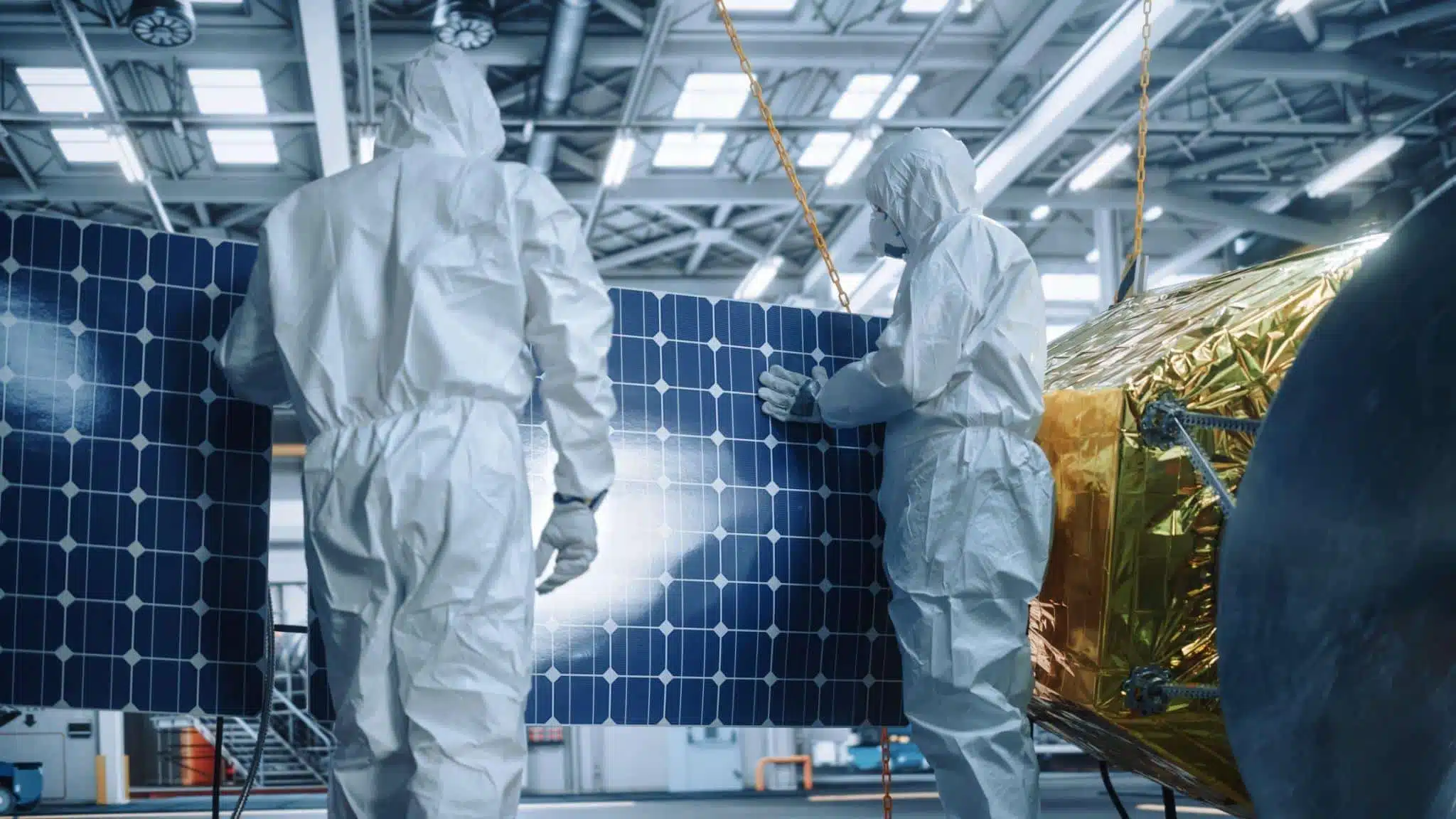
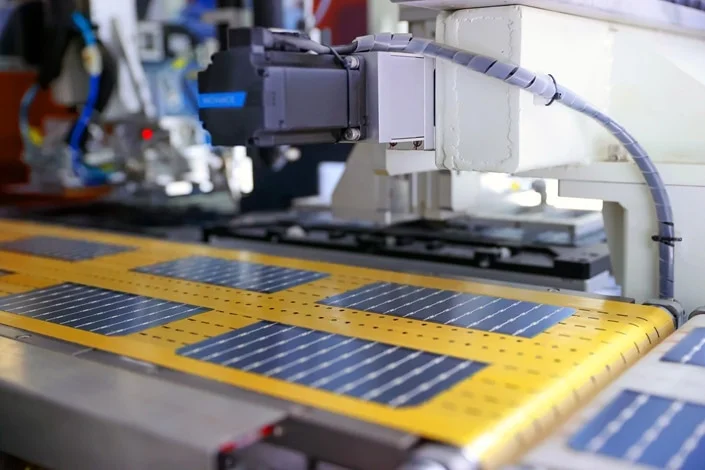
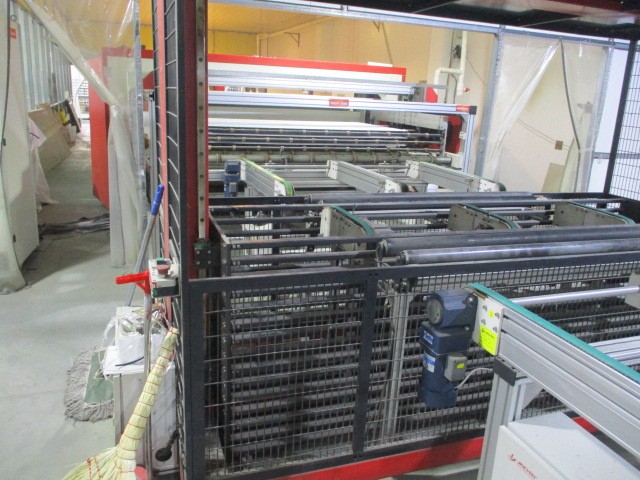
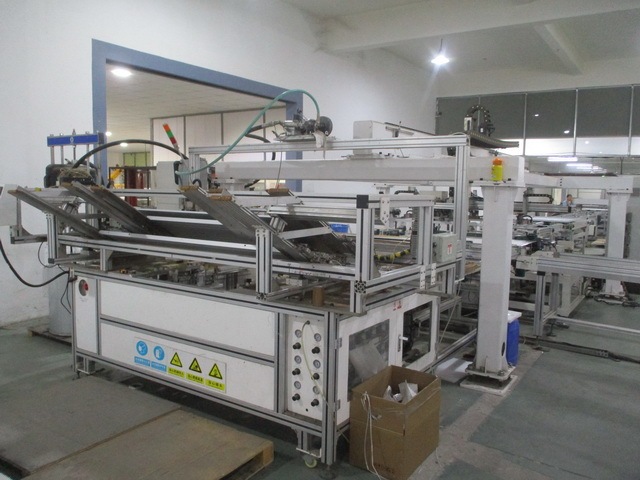
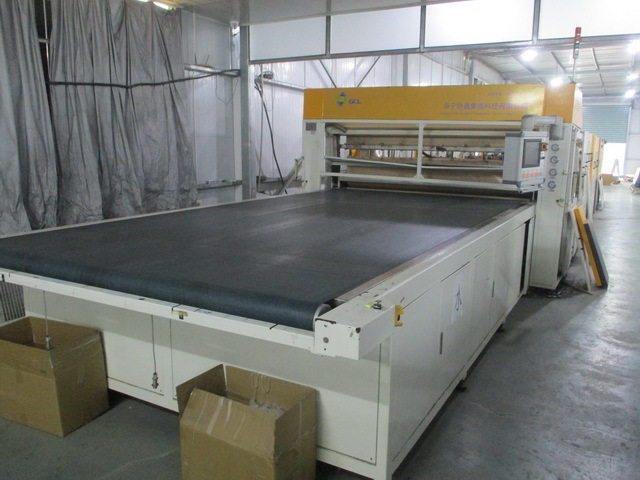
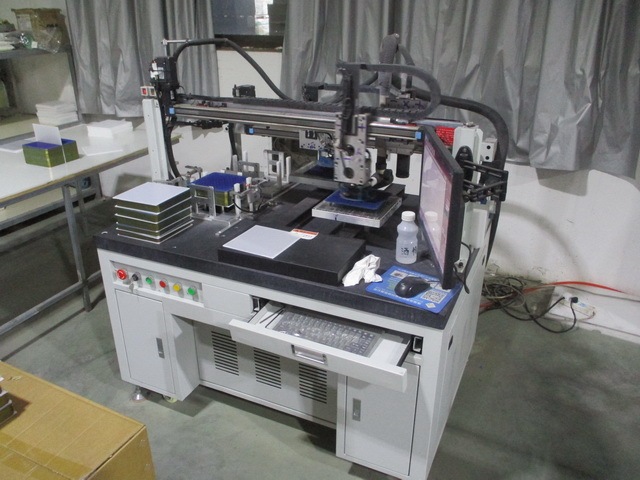
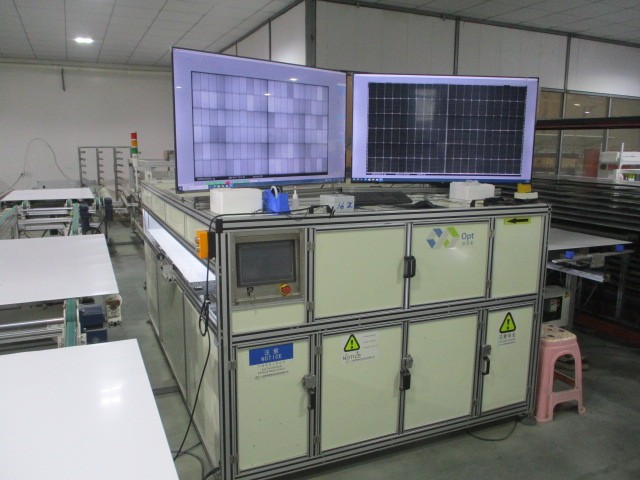
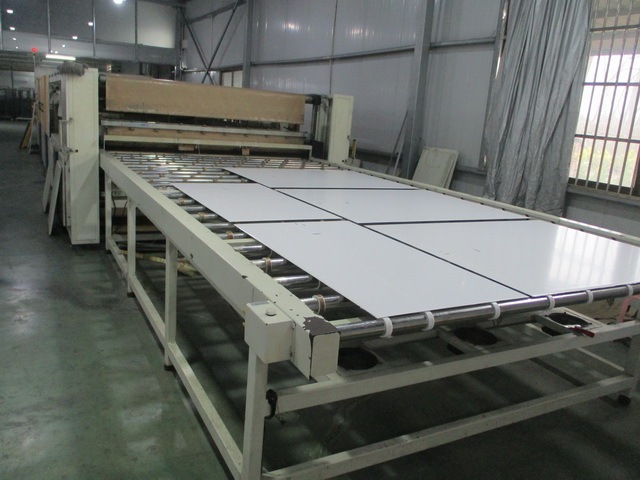
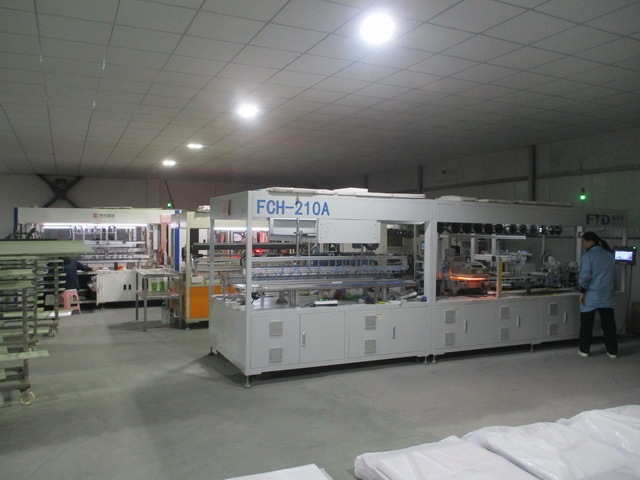
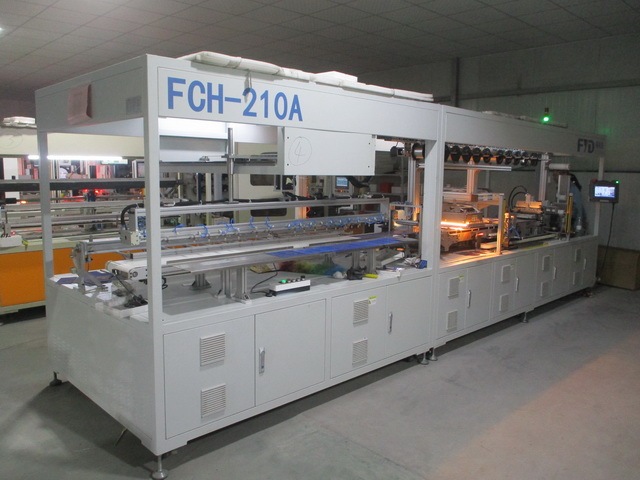
Through Factory 4.0 principles, modern manufacturing sites deploy fully automated SMT (Surface Mount Technology) assembly lines, automated optical inspection (AOI) systems, and computer-controlled robotic testing stations. These technologies minimize human error in critical PCBA manufacturing steps. Additionally, environmental stress screening (ESS) and automatic burn-in chambers simulate real-world thermal cycling under full load before units are packed for shipping.
Supply chain integration in China's industrial zones offers distinct logistical and component-sourcing advantages. Key materials, including raw copper windings, structural aluminum extrusions, advanced thermal interface materials, and specialized capacitor units, are sourced locally. This proximity reduces transit times and buffers the manufacturing process against geopolitical and global logistics disruptions.
The C&I sector is facing high grid tariffs, grid instability, and increasing corporate mandates for carbon neutrality. Historically, businesses utilized grid-tied solar systems to offset daytime operating expenses. Today, volatility in energy prices has shifted attention toward behind-the-meter hybrid systems that combine PV generation with Battery Energy Storage Systems (BESS).
Commercial facilities use smart inverters to perform peak shaving by discharging battery power when demand charges peak, avoiding utility penalties. In regions with unstable grids, such as parts of Southeast Asia, Africa, and Latin America, smart hybrid inverters function as high-power Uninterruptible Power Supplies (UPS). This safeguards automated assembly lines and data processing centers from voltage sags and blackouts. In mature markets like Germany and California, commercial users pool their inverter capacities into Virtual Power Plants (VPPs) to provide ancillary grid services, unlocking new revenue streams.
No two solar installations face identical environmental stresses. Inverters must be designed to withstand localized environmental challenges to ensure a 20-year service life:
Salt mist and high humidity lead to accelerated oxidation of electronics. Premium inverters for these locations feature IP66 ingress protection ratings and electronics chambers protected by C5-high anti-corrosion coatings. External heatsinks are cast from anodized aluminum alloys, preventing oxidation and maintaining thermal dissipation.
Fine sand and high ambient temperatures can clog traditional fans, causing thermal de-rating. Advanced smart inverters feature natural convection cooling or fully isolated cooling chambers. This ensures internal sensitive electronics remain dust-free while external intelligent fans dynamically clear debris.
At altitudes above 2000 meters, thin air reduces heat-dissipation efficiency and lowers the dielectric breakdown strength of the air. Design strategies for high-altitude applications require early voltage and thermal de-rating calculations. Manufacturers address this by utilizing oversized internal creepage distances and higher-rated components.
A leading professional solar power system supplier dedicated to manufacturing and integrating residential, commercial, and hybrid energy storage systems.
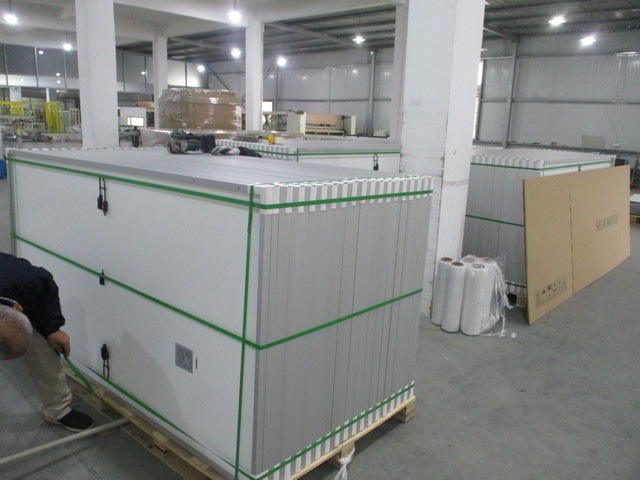
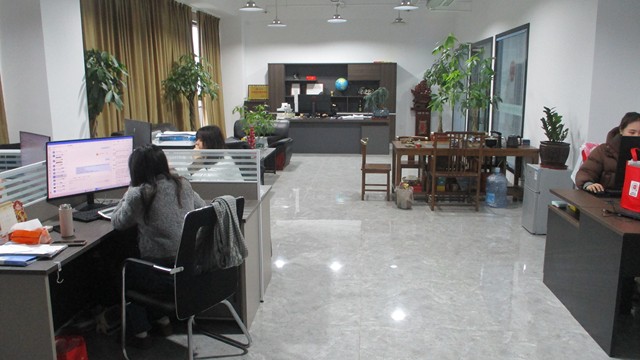
Hangzhou Smart Energy Co., Ltd. is a professional solar power system supplier based in Hangzhou, China, dedicated to delivering efficient and sustainable energy solutions for global customers. The company specializes in the design, manufacturing, and integration of residential, commercial, and hybrid energy storage systems, helping users achieve energy independence and reduce electricity costs.
With a comprehensive product portfolio, Smart Energy offers high-performance solar panels, advanced inverters, and reliable battery storage systems, all engineered to ensure optimal efficiency and long-term durability. Its solutions are widely applied in homes, commercial facilities, industrial projects, and off-grid applications, adapting to diverse energy demands and environmental conditions.
Driven by innovation and quality, the company utilizes modern production technologies and strict quality control processes to meet international standards. Its experienced engineering team provides customized system design, technical support, and turnkey project solutions tailored to client requirements.
Hangzhou Smart Energy is committed to promoting clean energy adoption worldwide. By combining smart energy management with scalable solar technologies, the company empowers customers to build greener, more efficient, and future-ready power systems.
Technical guidance from senior power engineers regarding smart solar inverters and energy storage integration.
Explore our secondary tier of grid-tied controllers, micro-inverters, portable power stations, and custom lithium-ion storage solutions.

 Smart Energy