Explore our high-efficiency solar modules, state-of-the-art power conversion systems, and heavy-duty smart energy storage options engineered for municipal, industrial, and residential deployment.
The global transition to sustainable infrastructure has moved beyond basic environmental advocacy to become a fundamental catalyst for bottom-line efficiency. Today, municipal, industrial, and commercial enterprises operate within a regulatory and commercial landscape governed by stringent decarbonization targets, rising grid electricity tariffs, and demanding environmental, social, and governance (ESG) reporting criteria. In this environment, high-efficiency solar LED lighting systems and integrated photovoltaic-storage frameworks are essential infrastructure assets rather than auxiliary upgrades.
Across North America, Europe, and the Asia-Pacific region, the demand for industrial solar lighting has scaled rapidly. Decentralized outdoor lighting systems for highways, maritime ports, logistics corridors, and large manufacturing complexes are changing how businesses approach utility layout. These systems combine high-efficiency LED arrays with localized solar harvesting and lithium storage, bypassing the substantial capital expenditure needed to trench cables across vast distances.
Recent energy management reports indicate that incorporating smart commercial solar setups can reduce a facility’s localized grid load by 35% to 55%. By utilizing intelligent energy storage systems (BESS) alongside advanced solar LED solutions, companies achieve peak-shaving benefits. They capture solar energy during midday peaks and discharge it during peak tariff periods. Ultimately, these systems deliver reliable lighting, energy security, and improved resilience against grid disruptions.
China's position at the forefront of global solar energy and LED lighting technology is built on a highly integrated supply chain network. Eastern manufacturing hubs, particularly in Zhejiang and Jiangsu, provide an efficient ecosystem where raw material processing, semiconductor manufacturing, battery pack integration, and quality control systems are co-located.
Unlike regional assemblers, our operations benefit from direct access to raw silicon, automated cell-slicing, and proprietary LED driver development. This vertical integration reduces logistics overhead, minimizes lead times, and maintains production tolerances within strict PPM thresholds.
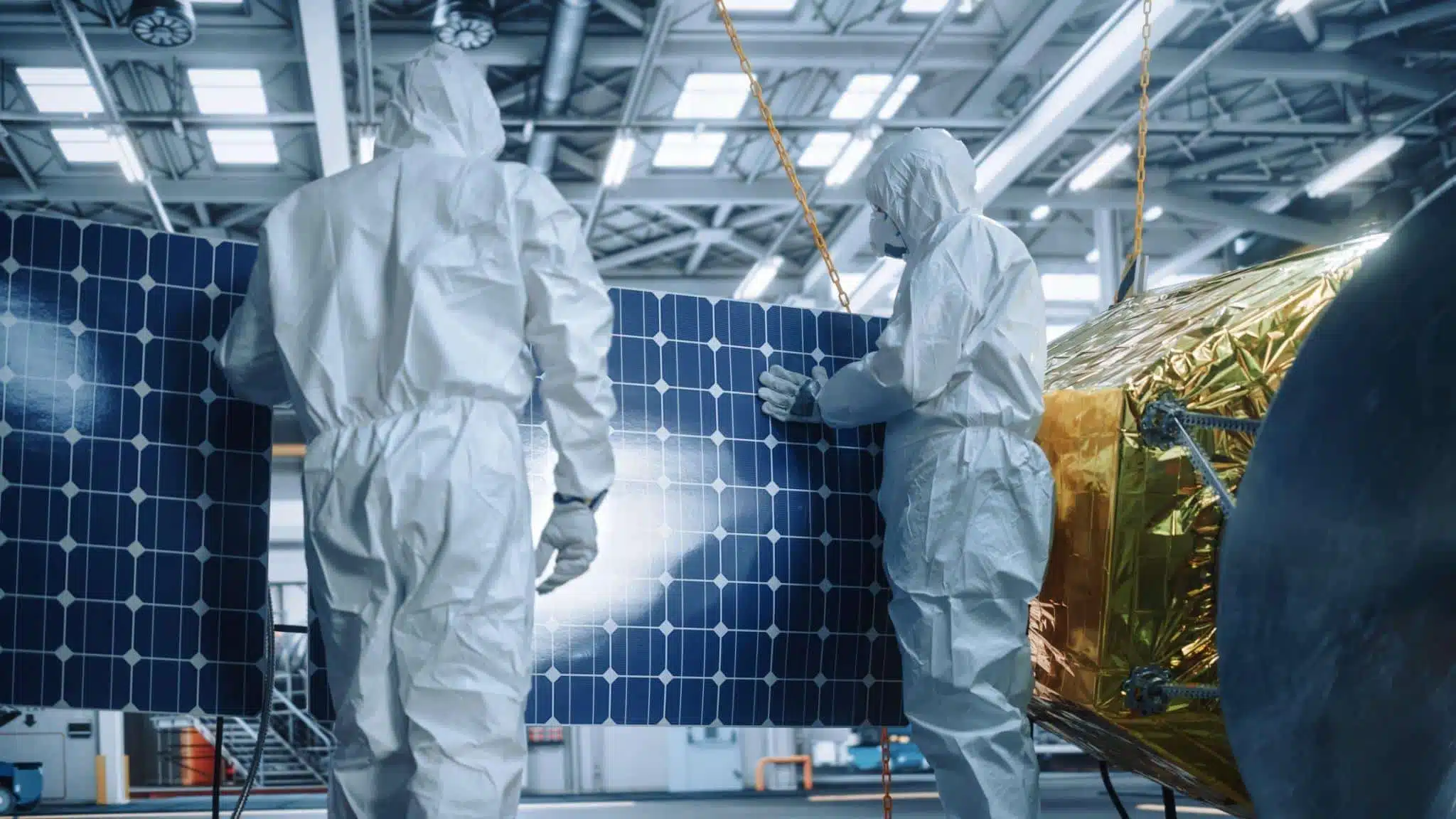
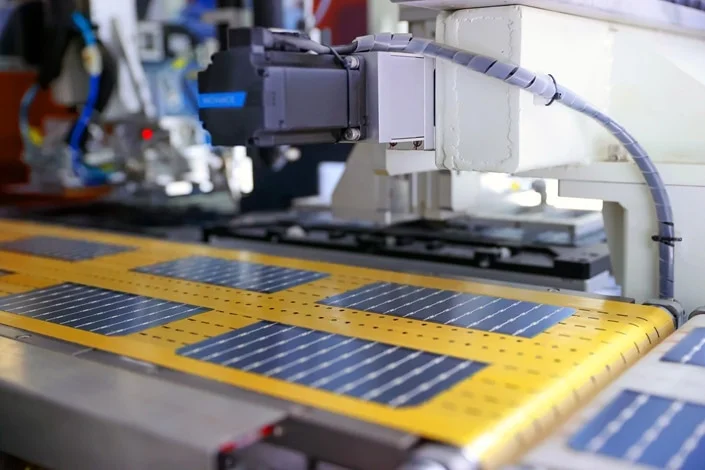
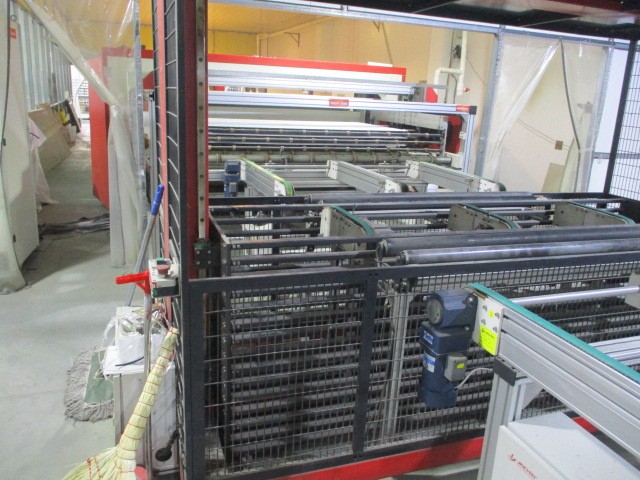
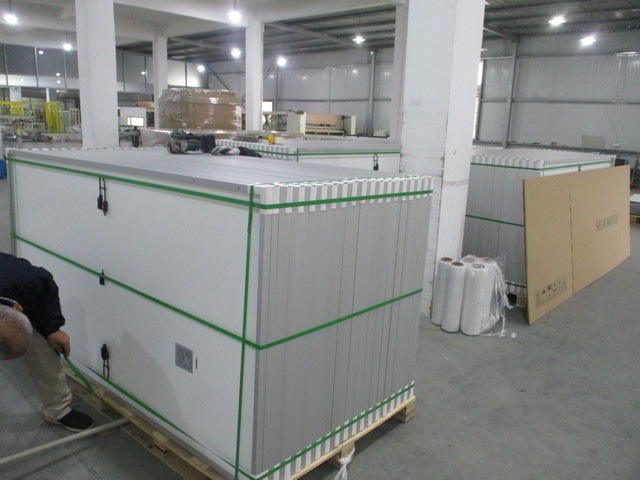
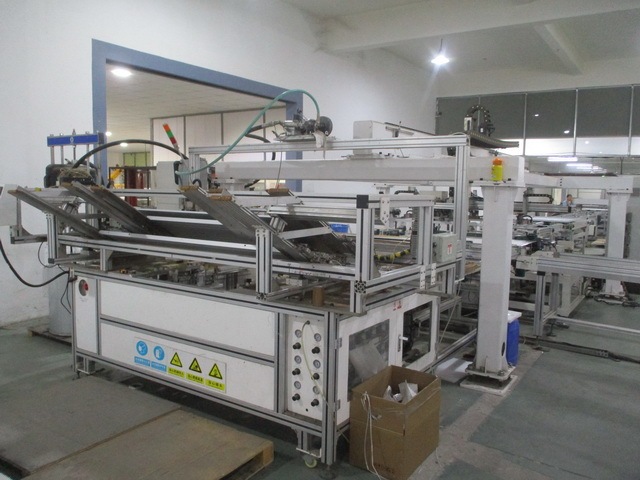
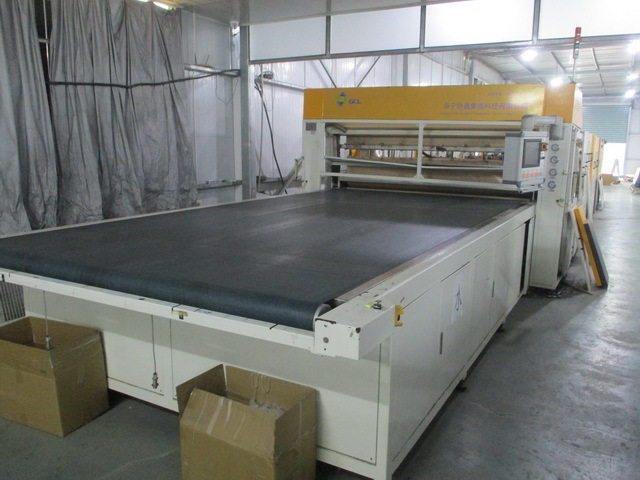
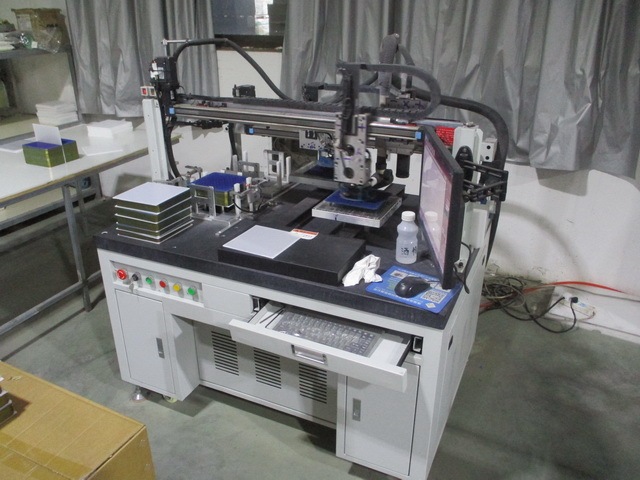
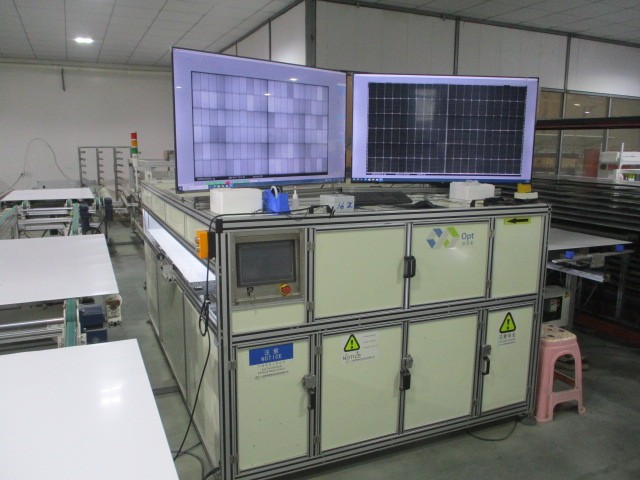
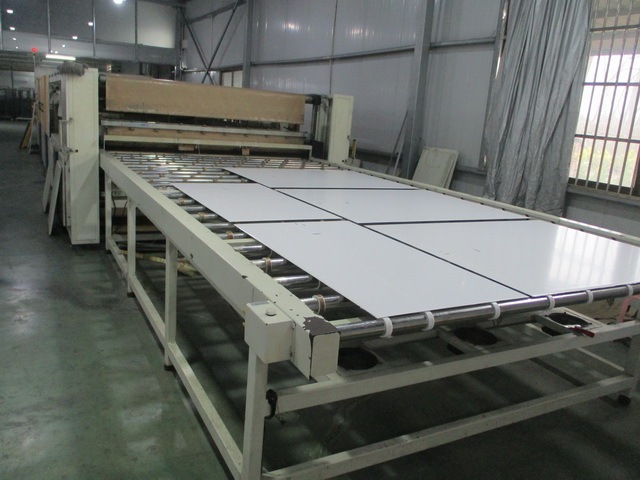
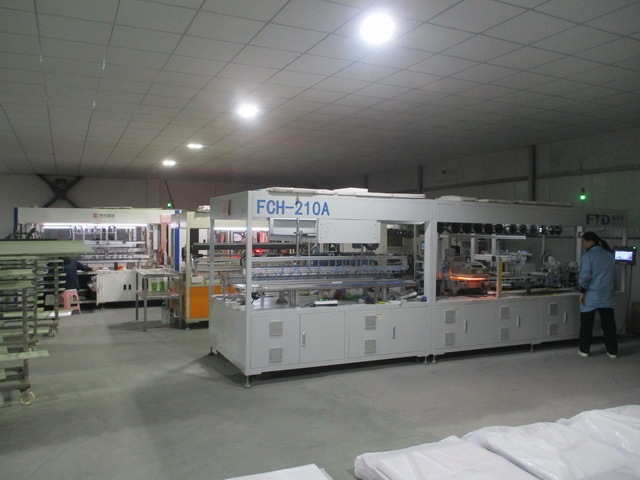
Our production facilities utilize automated optical inspection (AOI), robotic component placement, and simulated solar chambers. These advanced manufacturing technologies ensure that every photovoltaic module and light engine meets performance benchmarks before shipping.
All commercial systems undergo strict environmental testing, including salt spray tests for marine projects, wind tunnel testing for high-altitude mounts, and thermal chamber tests for battery storage systems. This processes guarantee certifications such as CE, TUV, UL, and RoHS.
By optimizing upstream wafer manufacturing, choosing high-cycle battery cells, and using intelligent thermal management designs, Chinese manufacturers offer an optimal cost-to-performance ratio. For international buyers, sourcing from a manufacturer like Hangzhou Smart Energy Co., Ltd. ensures access to advanced product designs at a competitive price point.
Modern solar LED lights are integrated power systems that require balanced components to operate reliably. The design must harmonize energy collection, power conversion, storage, and lighting output. If any component is misaligned, the system's operational lifespan can drop significantly.
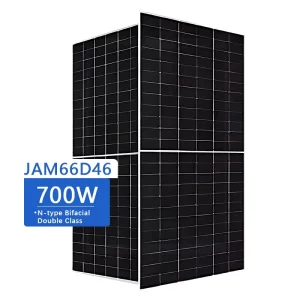
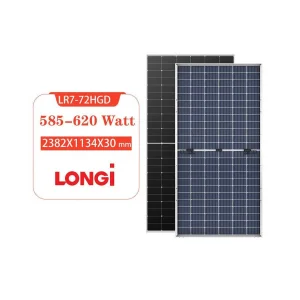
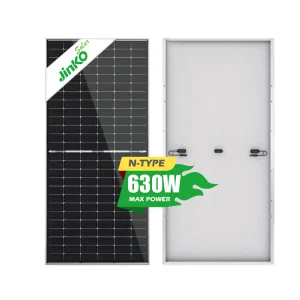
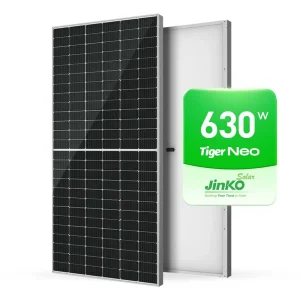
Utilizing N-Type TOPCon and half-cell technologies (like the Jinko and Longi series), our systems capture light across a wider spectral range. These modules maintain a low temperature coefficient and perform well in low-light conditions, ensuring reliable energy generation during cloudy periods.
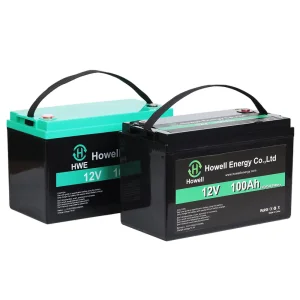
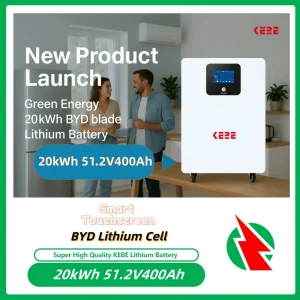
Lithium Iron Phosphate (LiFePO4) is the industry standard for stationary solar systems due to its thermal stability and long life. Our battery packs (such as the BYD series and deep-cycle 12V packs) feature intelligent Battery Management Systems (BMS) that prevent overcharging, deep discharging, and thermal runaway.
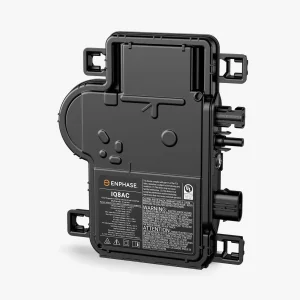
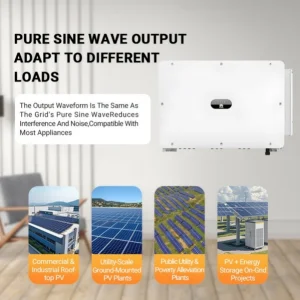
By utilizing smart string inverters (such as Huawei SUN2000) and microinverters (like the IQ8 series), our systems monitor energy production at the string or panel level. This optimization ensures maximum energy yields even when partial shading occurs.
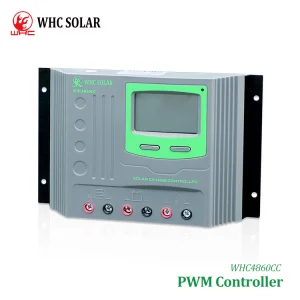
Maximum Power Point Tracking (MPPT) dynamically adjusts charging parameters to capture the maximum energy from the solar panel. With conversion efficiencies up to 99%, our controllers ensure battery banks charge fully even in winter conditions.
From commercial parking zones to isolated infrastructure projects, we engineer systems that resolve specific geographic and load challenges.
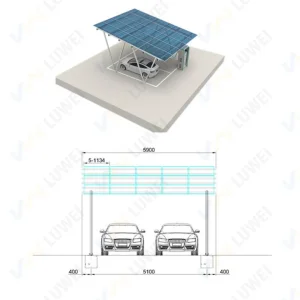
Large parking structures offer significant space for solar harvesting. Integration designs like the Luwei Solar Carport 1MW turn parking spaces into active energy generators, providing clean power for fleet charging and facility operations.
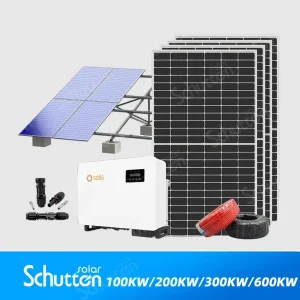
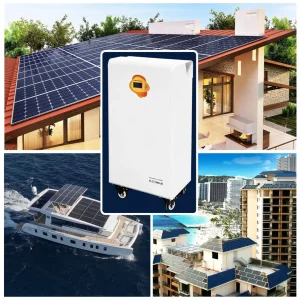
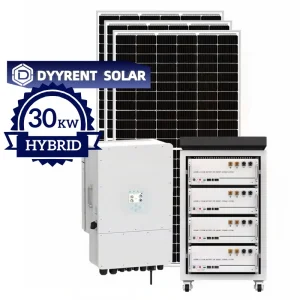
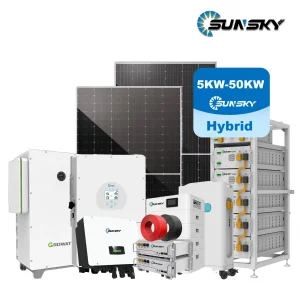
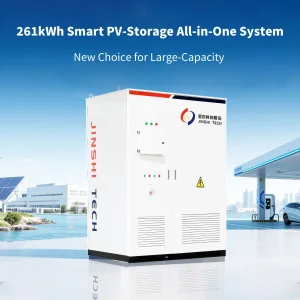
By combining rooftop solar systems (such as the 50000W On-Grid solutions) with hybrid inverters and BESS cabinets, commercial facilities can lower peak energy demand charges, ensure backup power during outages, and maintain key operations.
In rural communities, remote mining operations, and telecommunications sites, installing grid lines is often impractical. Complete 10kW to 50kW off-grid solar kits provide reliable, self-sustaining electricity to power lighting, security systems, and communication links.
Your Trusted Global Solar Power System Supplier
Hangzhou Smart Energy Co., Ltd. is a professional solar power system supplier based in Hangzhou, China, dedicated to delivering efficient and sustainable energy solutions for global customers. The company specializes in the design, manufacturing, and integration of residential, commercial, and hybrid energy storage systems, helping users achieve energy independence and reduce electricity costs.
With a comprehensive product portfolio, Smart Energy offers high-performance solar panels, advanced inverters, and reliable battery storage systems, all engineered to ensure optimal efficiency and long-term durability. Its solutions are widely applied in homes, commercial facilities, industrial projects, and off-grid applications, adapting to diverse energy demands and environmental conditions.
Driven by innovation and quality, the company utilizes modern production technologies and strict quality control processes to meet international standards. Its experienced engineering team provides customized system design, technical support, and turnkey project solutions tailored to client requirements.
Hangzhou Smart Energy is committed to promoting clean energy adoption worldwide. By combining smart energy management with scalable solar technologies, the company empowers customers to build greener, more efficient, and future-ready power systems.
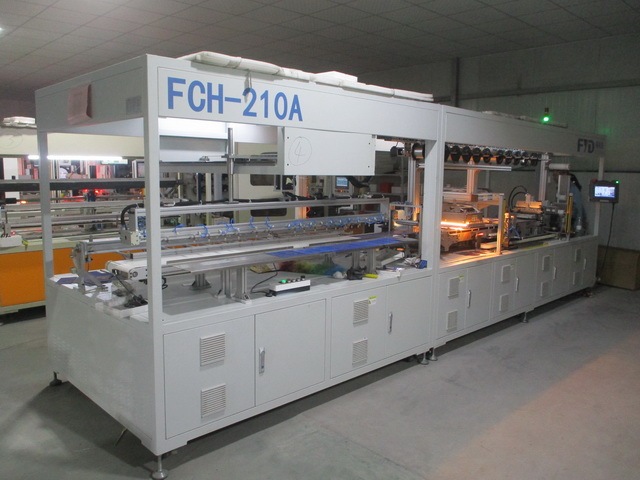
Sourcing commercial solar equipment requires verifying detailed technical specifications to ensure long-term performance and returns on investment. When evaluating solar arrays, inverters, and battery banks, B2B procurement managers should prioritize the following parameters:
The solar energy and lighting industry is evolving rapidly, driven by materials science innovations and smart software solutions:
Modern hybrid inverters and storage systems utilize machine learning to predict local weather patterns, analyze grid load curves, and optimize battery charge cycles to maximize energy savings.
The industry is shifting from P-Type cells to N-Type TOPCon technology. This transition offers higher efficiency, a lower temperature coefficient, and reduced initial light-induced degradation (LID).
Next-generation solar LED installations feature built-in IoT modules that allow operators to monitor dimming profiles, trace battery health, and diagnose faults remotely from a central control platform.
Clear answers to technical queries from engineering directors and B2B procurement managers.
Select from our range of reliable solar components, high-capacity battery units, and customized off-grid power solutions.
 Smart Energy