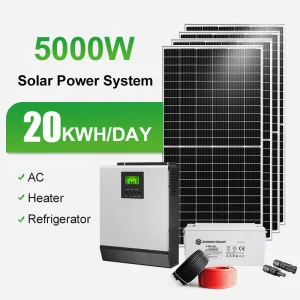
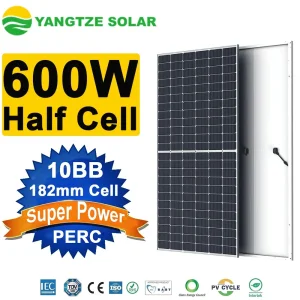
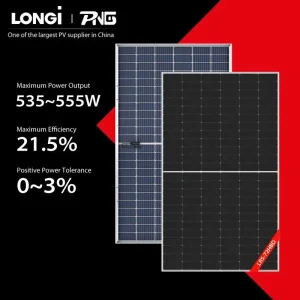
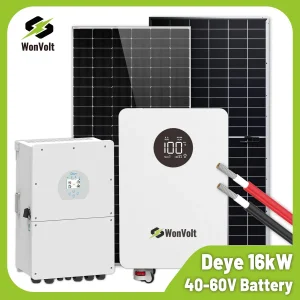
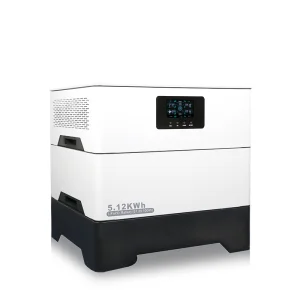
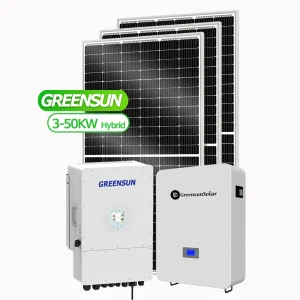
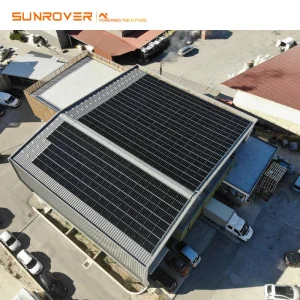
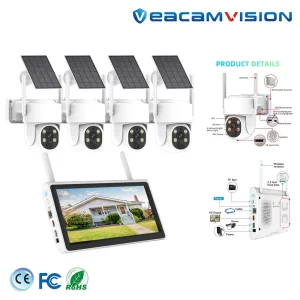
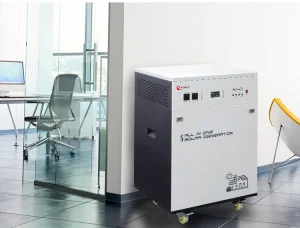
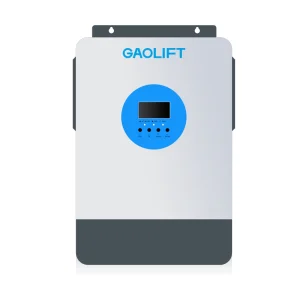
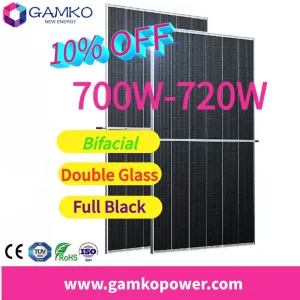
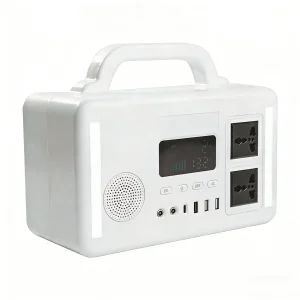
Engineered to meet the stringent demands of global off-grid, residential hybrid, and industrial backup power requirements.
Hangzhou Smart Energy Co., Ltd. is a professional solar power system supplier based in Hangzhou, China, dedicated to delivering efficient and sustainable energy solutions for global customers. The company specializes in the design, manufacturing, and integration of residential, commercial, and hybrid energy storage systems, helping users achieve energy independence and reduce electricity costs.
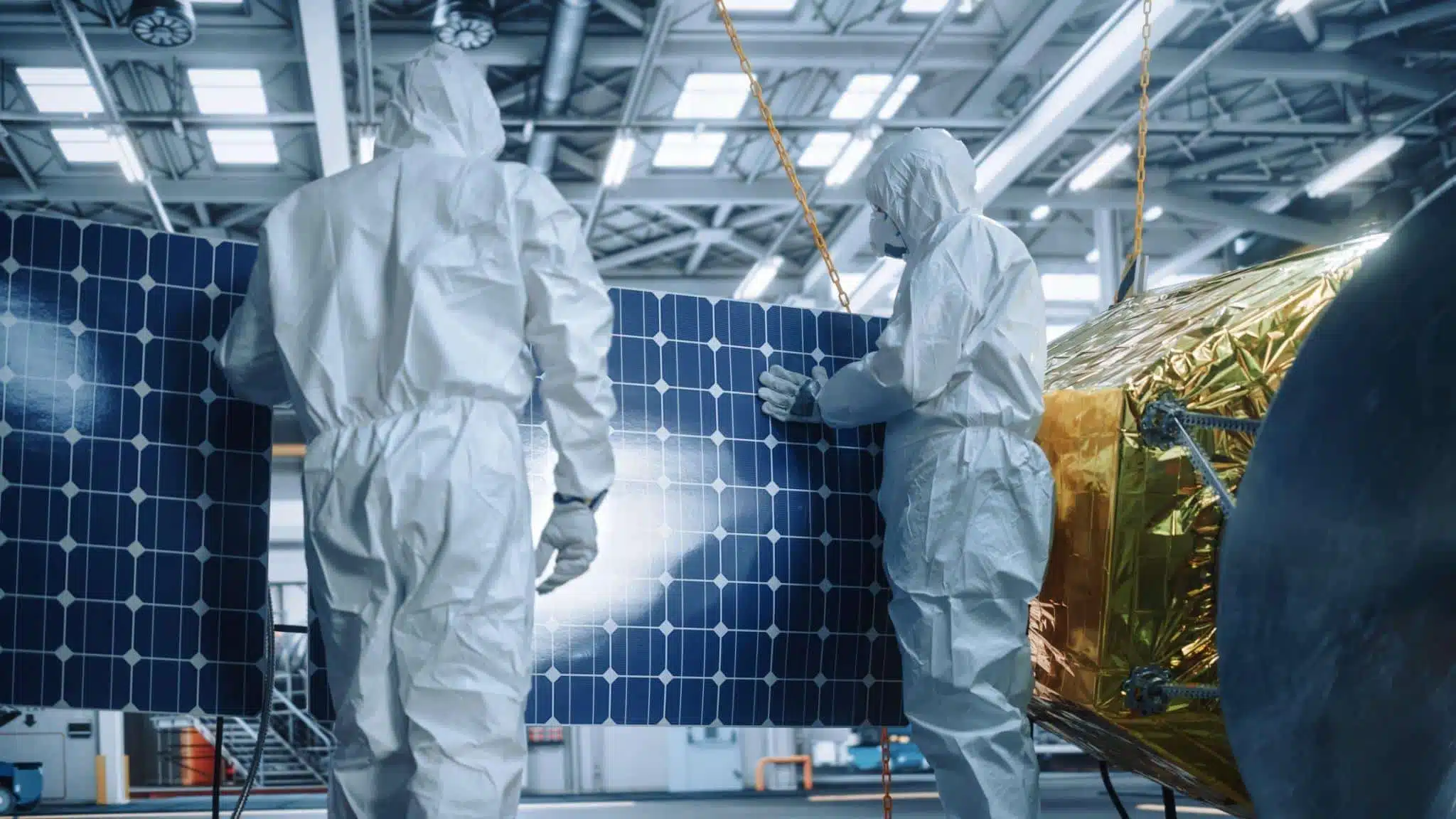
With a comprehensive product portfolio, Smart Energy offers high-performance solar panels, advanced inverters, and reliable battery storage systems, all engineered to ensure optimal efficiency and long-term durability. Its solutions are widely applied in homes, commercial facilities, industrial projects, and off-grid applications, adapting to diverse energy demands and environmental conditions.
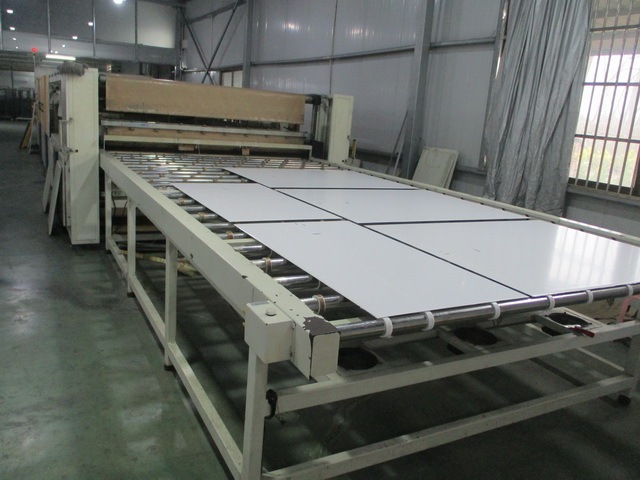
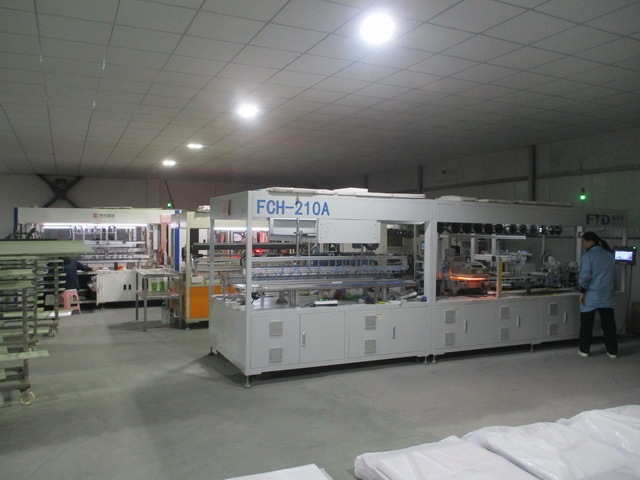
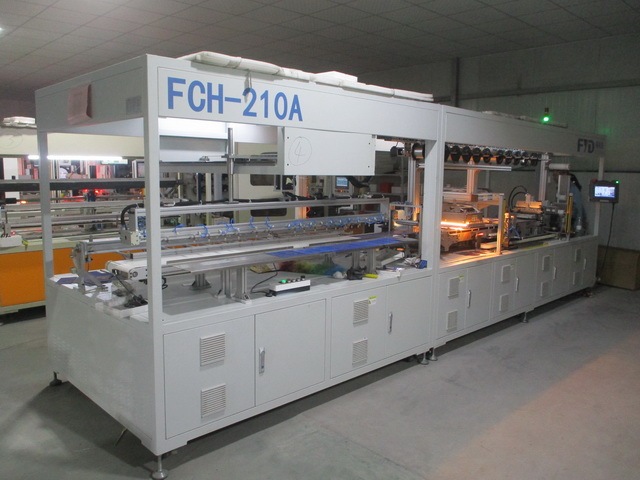
Driven by innovation and quality, the company utilizes modern production technologies and strict quality control processes to meet international standards. Its experienced engineering team provides customized system design, technical support, and turnkey project solutions tailored to client requirements.
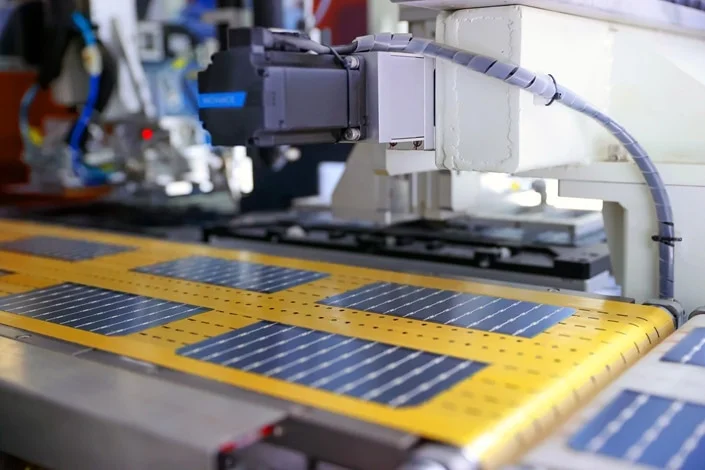
Hangzhou Smart Energy is committed to promoting clean energy adoption worldwide. By combining smart energy management with scalable solar technologies, the company empowers customers to build greener, more efficient, and future-ready power systems.
Analyzing the supply chain resilience, advanced automation, and cost-efficiency matrices driving China's global dominance in energy storage systems.
In the global race toward carbon neutrality, portable solar power stations have transitioned from mere camping novelties to critical municipal, residential, and emergency utility infrastructures. As the epicenter of this shift, China's manufacturing clusters in Zhejiang and Guangdong leverage unparalleled industrial synergy. This concentration allows factories to construct an entire lithium-ion or LiFePO4 battery pack, configure proprietary Battery Management Systems (BMS), and encapsulate ruggedized outer casings within a single logistical circle.
Furthermore, China's dominant position in upstream battery mineral refinement (such as lithium carbonate, cobalt, and synthetic graphite) ensures that top-tier manufacturers like Hangzhou Smart Energy remain insulated from global supply shocks. By maintaining raw material security, these factories provide consistent pricing structures, keeping export rates remarkably stable even amid global macroeconomic volatility.
An engineering deep dive into battery chemistry transitions, smart power conversion, and digital energy management.
Transitioning from traditional NMC chemistries to Lithium Iron Phosphate (LiFePO4) has elevated cell lifespan from 500 cycles to over 3,500-6,000 cycles at 80% Depth of Discharge (DoD), drastically reducing lifetime ownership costs.
Eliminating heavy external power adapters, bidirectional flow allows direct AC cable charging, reducing charging times from 8 hours to under 1.5 hours through synchronized conversion circuits.
Incorporating Bluetooth, Wi-Fi, and 4G-enabled microprocessors, modern power stations allow users to monitor real-time discharge parameters, thermal status, and cycle metrics via remote mobile apps.
How modular energy storage solutions are solving real-world power challenges across distinct regions.
Meeting strict international benchmarks to ensure seamless clearance and legal deployment in target regions.
Distributing energy storage systems globally demands comprehensive compliance documentation to assure regulatory bodies, shipping lines, and end-consumers of product safety. Below are the key industry standard certifications implemented across our production facilities:
Governs portable power stations and stationary energy storage batteries in North America. These tests subject units to rigorous drop tests, casing integrity evaluation, and sustained thermal overload scenarios.
Ensures safe air and ocean transport. Products undergo impact testing, continuous vibration cycles, vacuum simulations, and altitude tests to achieve hazardous material transit approval.
Guarantees electromagnetic compatibility (EMC), low voltage safety compliance (LVD) for European markets, and verifies that the materials used are free from dangerous substances like lead or cadmium.
Direct, technical, and transparent answers to the most common procurement inquiries.
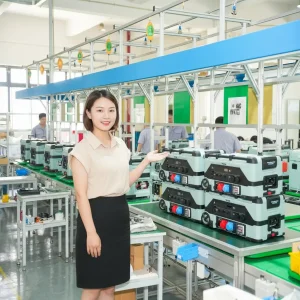
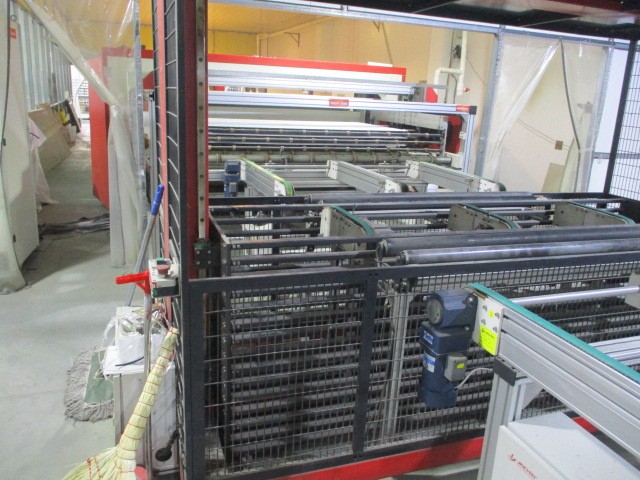
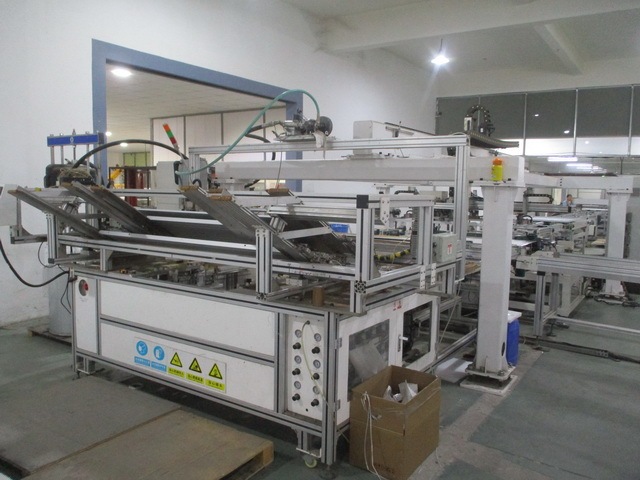
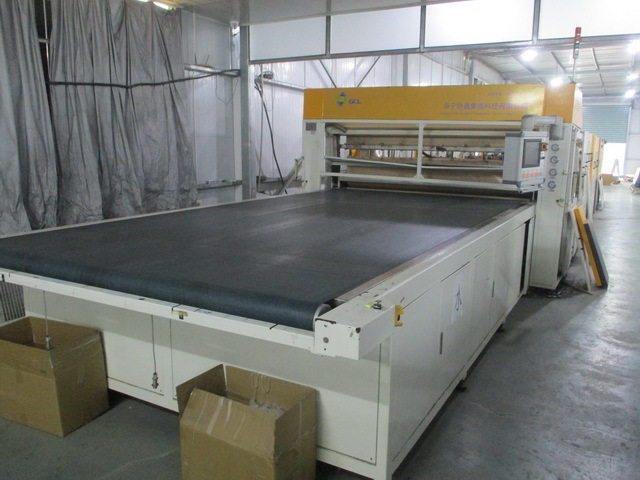
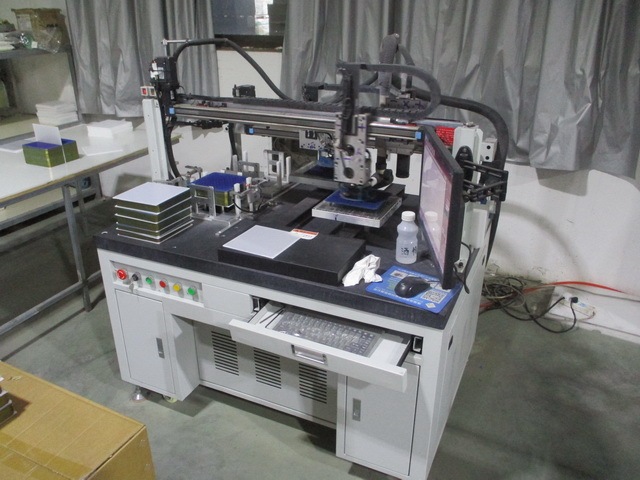
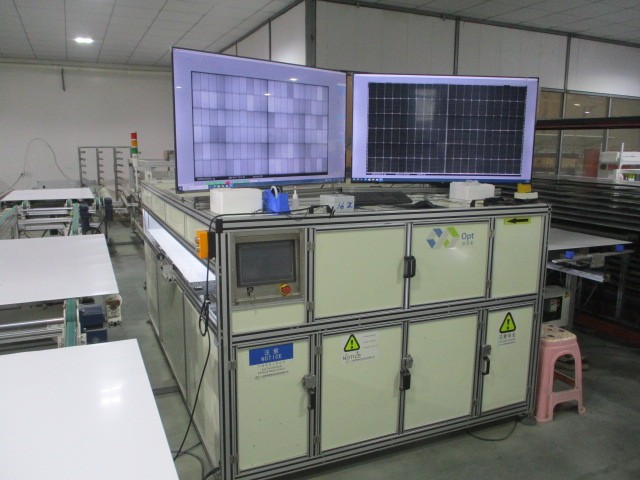
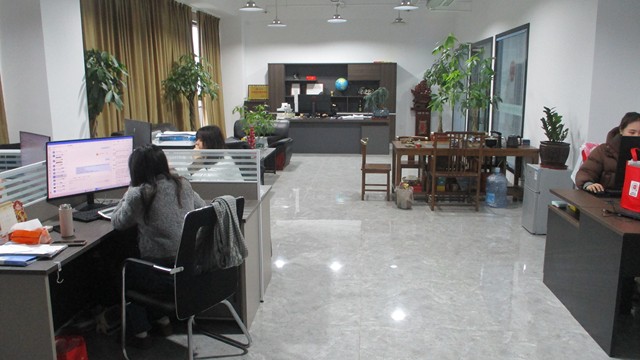
Transparent insight into the manufacturing operations at Hangzhou Smart Energy Co., Ltd.
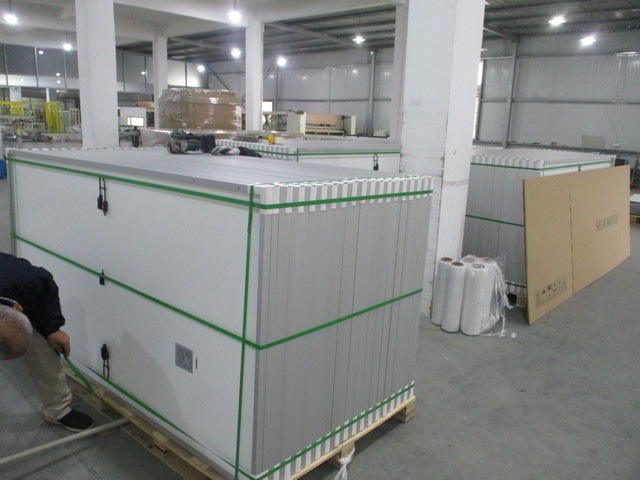
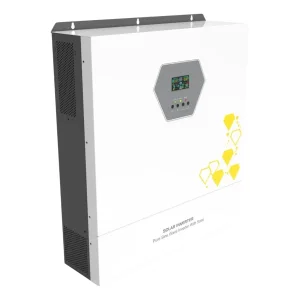
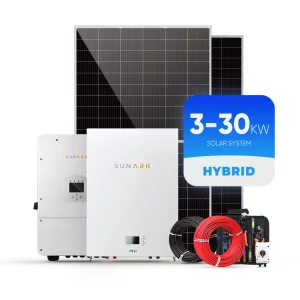
Extend system performance with premium PV panels, hybrid high-frequency inverters, and heavy-duty battery backups.
 Smart Energy