Industrial, commercial, and high-performance utility solutions engineered from state-of-the-art Chinese clean energy facilities.
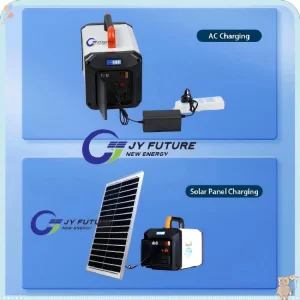
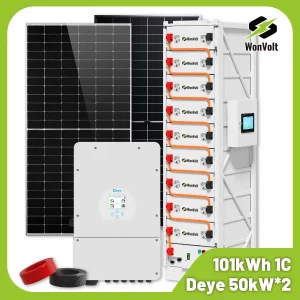
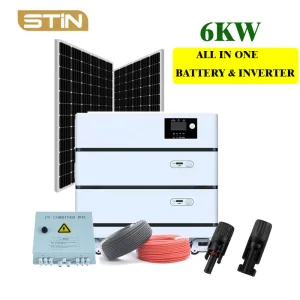
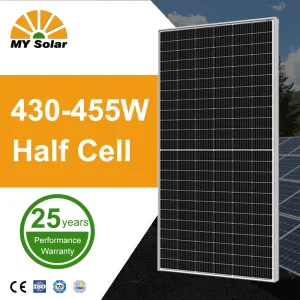
Strategic vertical integration, gigawatt-scale economies, and technological evolution from P-type PERC to N-type TOPCon, HJT, and Perovskite tandems.
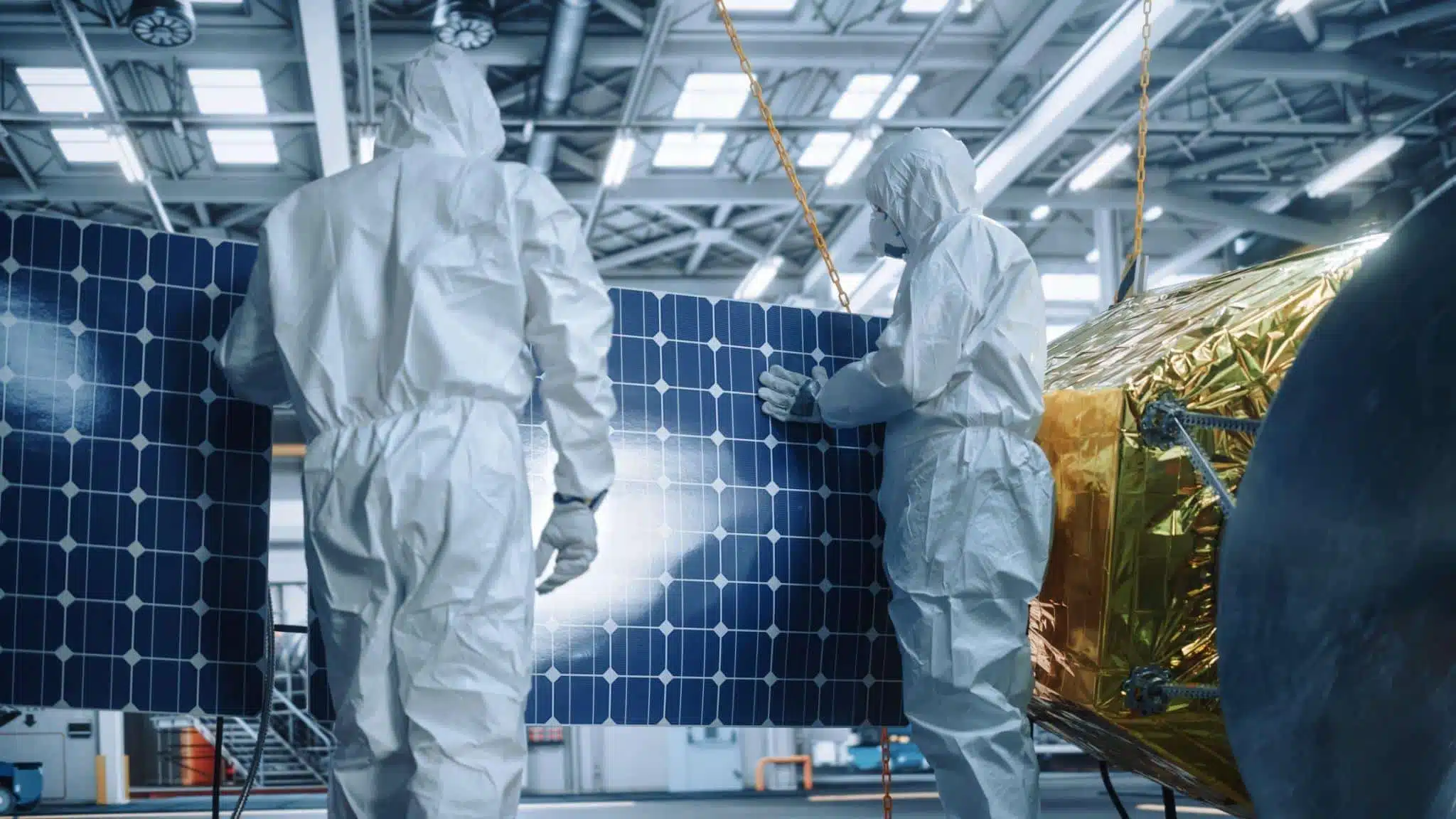
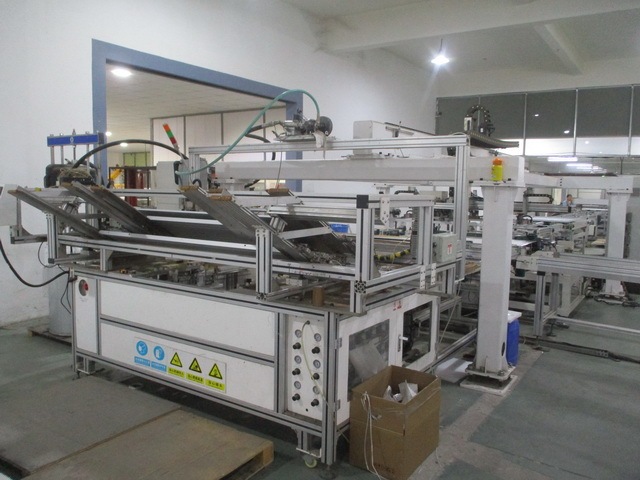
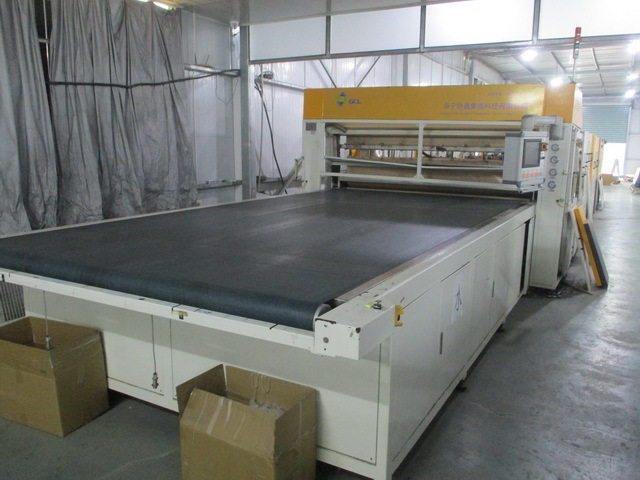
From high-purity polysilicon refinement and crystal pulling to micro-sawing ultra-thin 182mm/210mm wafers, China's centralized industrial clusters cut lead times, optimize logistics, and drastically mitigate supply bottlenecks for global EPCs.
Modern Chinese fabrication units prioritize N-type TOPCon (Tunnel Oxide Passivated Contact) and Heterojunction (HJT) cell architectures, delivering minimal LID/LeTID loss, superior bifacial coefficients up to 85%, and optimized temperature coefficients (-0.30%/°C).
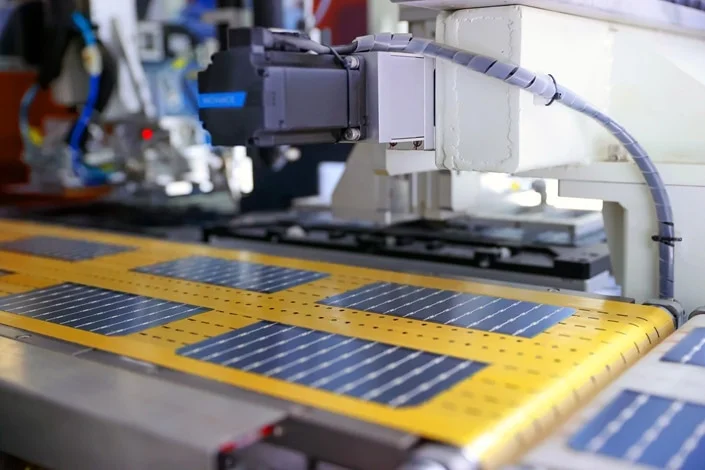
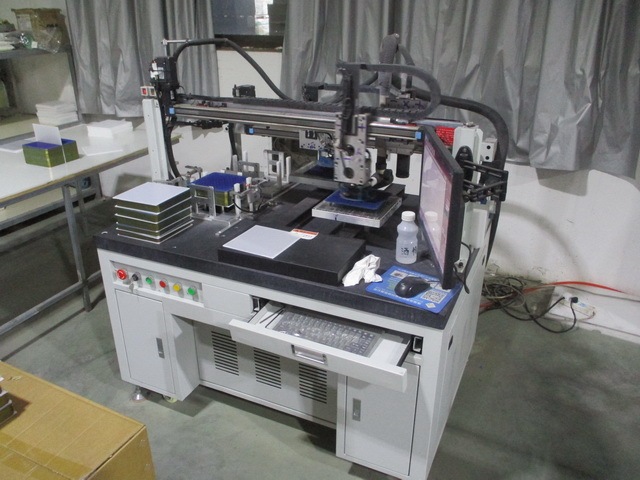
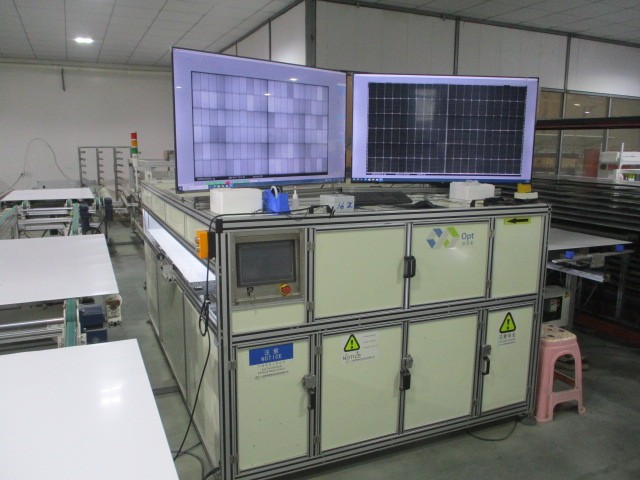
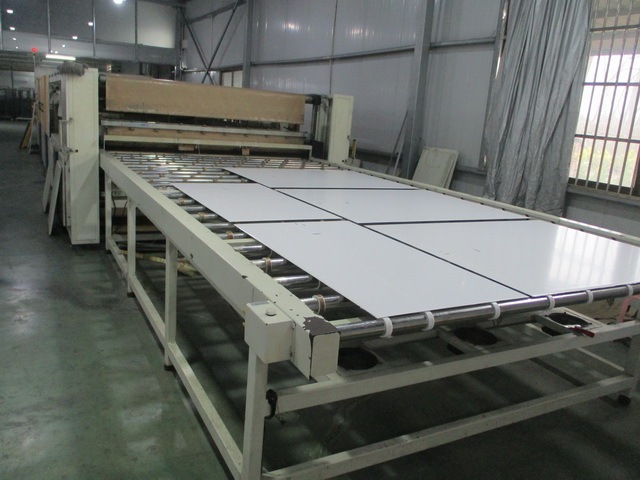
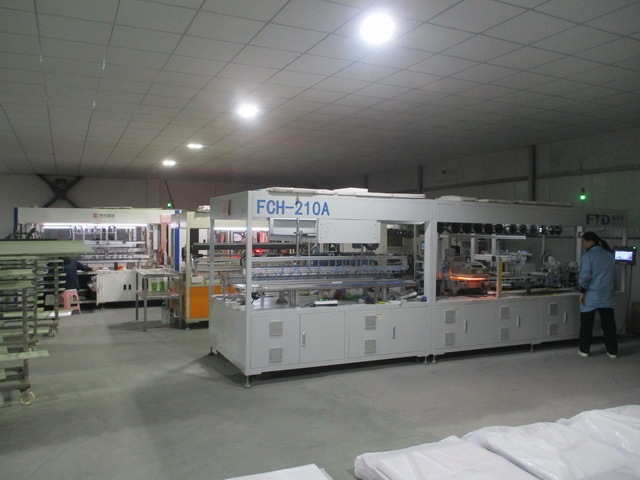
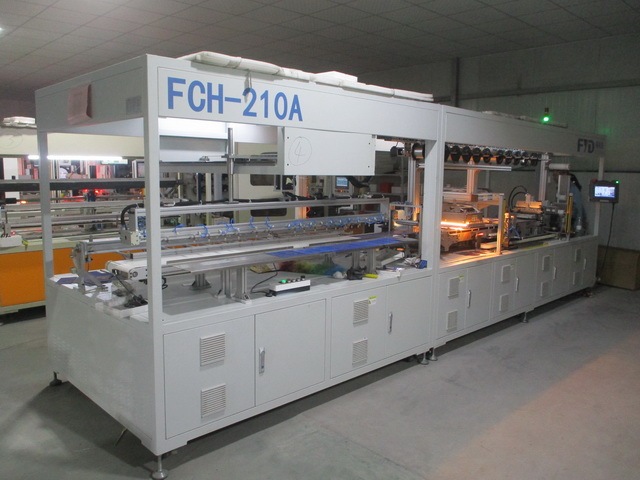
Top factories implement end-to-end Manufacturing Execution Systems (MES) equipped with machine vision electroluminescence (EL) inspection, sorting micro-cracks, and verifying busbar soldering integrity at millisecond speeds before module lamination.
Addressing the strict techno-commercial criteria demanded by international utility developers, commercial installers, and wholesale distributors.
International asset financers evaluate solar manufacturers against BloombergNEF Tier 1 criteria, requiring 12-to-15 year product quality warranties paired with 25-to-30 year linear performance guarantees backed by reinsurance underwriters like Munich Re.
B2B developers balance high power (up to 700W+) with mechanical load safety. Modern half-cut multi-busbar (MBB) configurations handle 5400 Pa snow loads and 2400 Pa wind resistance while fitting standardized container freight limits for reduced shipping expenses.
Higher conversion efficiencies mean fewer modules, fewer mounting racks, fewer combiner boxes, and lower labor overheads. By maximizing power density per square meter, overall Levelized Cost of Electricity (LCOE) is trimmed across utility and commercial installations.
Delivering compliant, turnkey photovoltaic systems and storage infrastructure from Hangzhou to worldwide destinations.
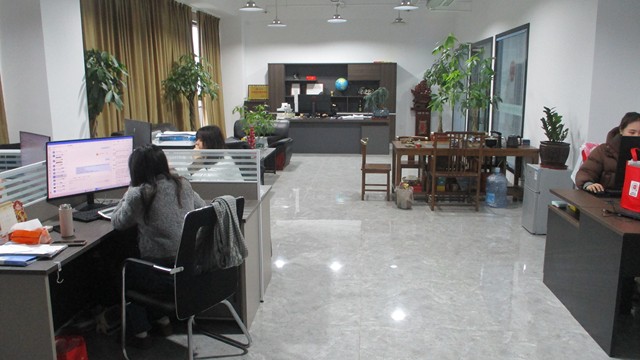
Hangzhou Smart Energy Co., Ltd. is a professional solar power system supplier based in Hangzhou, China, dedicated to delivering efficient and sustainable energy solutions for global customers. The company specializes in the design, manufacturing, and integration of residential, commercial, and hybrid energy storage systems, helping users achieve energy independence and reduce electricity costs.
With a comprehensive product portfolio, Smart Energy offers high-performance solar panels, advanced inverters, and reliable battery storage systems, all engineered to ensure optimal efficiency and long-term durability. Its solutions are widely applied in homes, commercial facilities, industrial projects, and off-grid applications, adapting to diverse energy demands and environmental conditions.
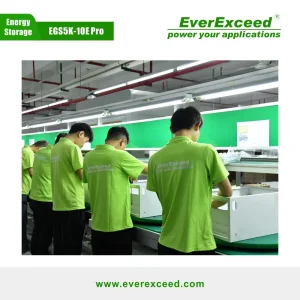
Driven by innovation and quality, the company utilizes modern production technologies and strict quality control processes to meet international standards. Its experienced engineering team provides customized system design, technical support, and turnkey project solutions tailored to client requirements.
Hangzhou Smart Energy is committed to promoting clean energy adoption worldwide. By combining smart energy management with scalable solar technologies, the company empowers customers to build greener, more efficient, and future-ready power systems.
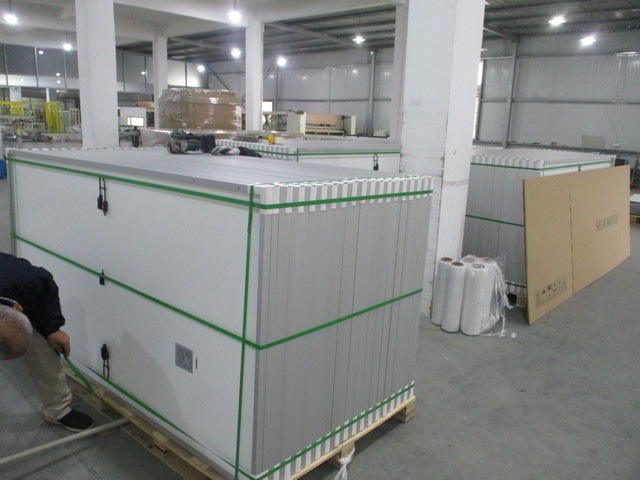
Ensuring frictionless global transit, rapid customs approval, and verified compliance with local grid codes.
Certified in compliance with IEC 61215 (design qualification), IEC 61730 (photovoltaic safety), and UL 61730 for the North American market, certifying endurance against salt mist corrosion, ammonia resistance, and sand dust exposure.
Strict chain-of-custody documentation tracing quartz sourcing through wafer fabrication and assembly. Comprehensive ISO 9001 (Quality), ISO 14001 (Environmental), and ISO 45001 (Health & Safety) certifications verified by third parties.
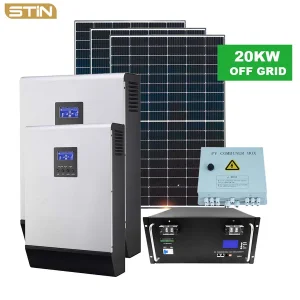
Turnkey hybrid inverters and BESS systems ship compliant with regional interconnection standards including IEEE 1547 (US), VDE-AR-N 4105 (Germany), G99 (UK), and AS/NZS 4777 (Australia) for rapid commissioning and zero grid-rejection risks.
High-reliability balance-of-system hardware directly integrated for residential, industrial, and off-grid project deployment.
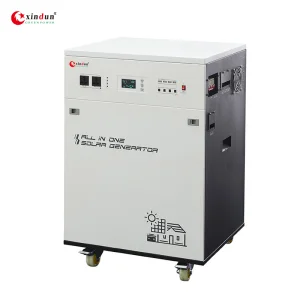
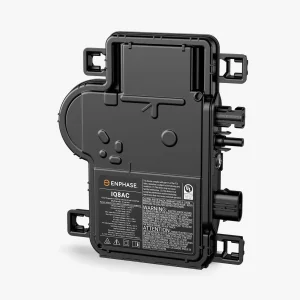

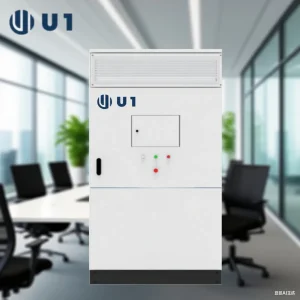
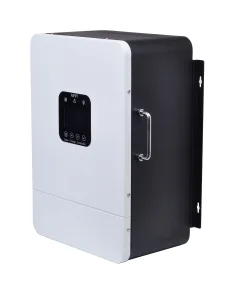
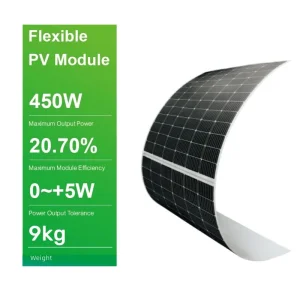
Customizing PV modules and BESS configurations to challenging geographical and electrical conditions.
High-efficiency modules paired with scalable containerized LiFePO4 storage (such as our 25kWh - 200kWh units) provide peak shaving, self-consumption optimization, and uninterrupted backup power during peak grid tariff cycles.
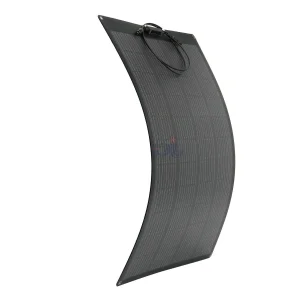
For curved RV roofs, light commercial canopies, and marine vessels where weight restrictions prevent heavy glass modules, our 100W semi-flexible and ultra-light 450W (9kg) monocrystalline units deliver durable power without structural modifications.
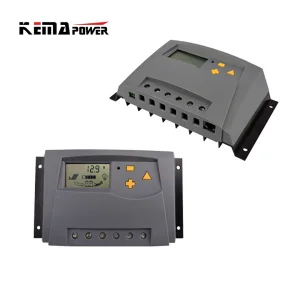
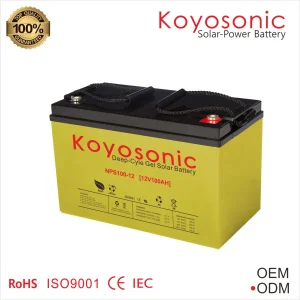
Combining heavy-duty MPPT charge controllers, VRLA deep cycle/LiFePO4 banks, and high-wattage modules (450W - 1000W) provides robust solar water pumping, telecommunication backup, and island micro-grid stability in harsh, isolated regions.
Essential guidance for project managers, solar wholesalers, and procurement directors evaluating Chinese manufacturing partners.
N-type TOPCon solar cells employ an ultra-thin tunnel oxide passivated contact layer that significantly reduces electron recombination. This yields higher commercial conversion efficiency (exceeding 22.5% at module level versus 21.0% PERC), a lower temperature coefficient (-0.30%/°C vs -0.35%/°C), zero light-induced degradation (LID), and a substantially higher bifaciality factor (up to 80-85%). Over a 30-year lifecycle, TOPCon provides 3% to 5% higher cumulative energy yield per watt installed.
Reputable factories subject production runs to strict accelerated stress testing according to IEC 61215/61730 standards. This encompasses thermal cycling (-40°C to +85°C for up to 600 cycles), damp heat exposure (85°C and 85% relative humidity for 1,000+ hours), mechanical load testing (up to 5,400 Pa static snow load), and potential-induced degradation (PID) resistance tests, alongside 100% dual-stage Electroluminescence (EL) crack detection before shipment.
Yes. Hangzhou Smart Energy Co., Ltd. provides comprehensive engineering customization. Solar modules, inverters, and lithium energy storage systems can be manufactured to fulfill CE, UL 1741, IEEE 1547, and regional European/Australian electrical code specifications, ensuring immediate authorization for installation and grid-tie permissions in target export markets.
Standard container orders typically require 15 to 25 days production lead time, depending on bill-of-materials availability and module watt ratings. Products feature standard 12-to-15 year workmanship warranties alongside 25-to-30 year linear output warranties, backed by clear RMA protocols and engineering support documentation for seamless local maintenance.
 Smart Energy