?
Frequently Asked Questions
How do you ensure product quality compared to cheaper market alternatives?
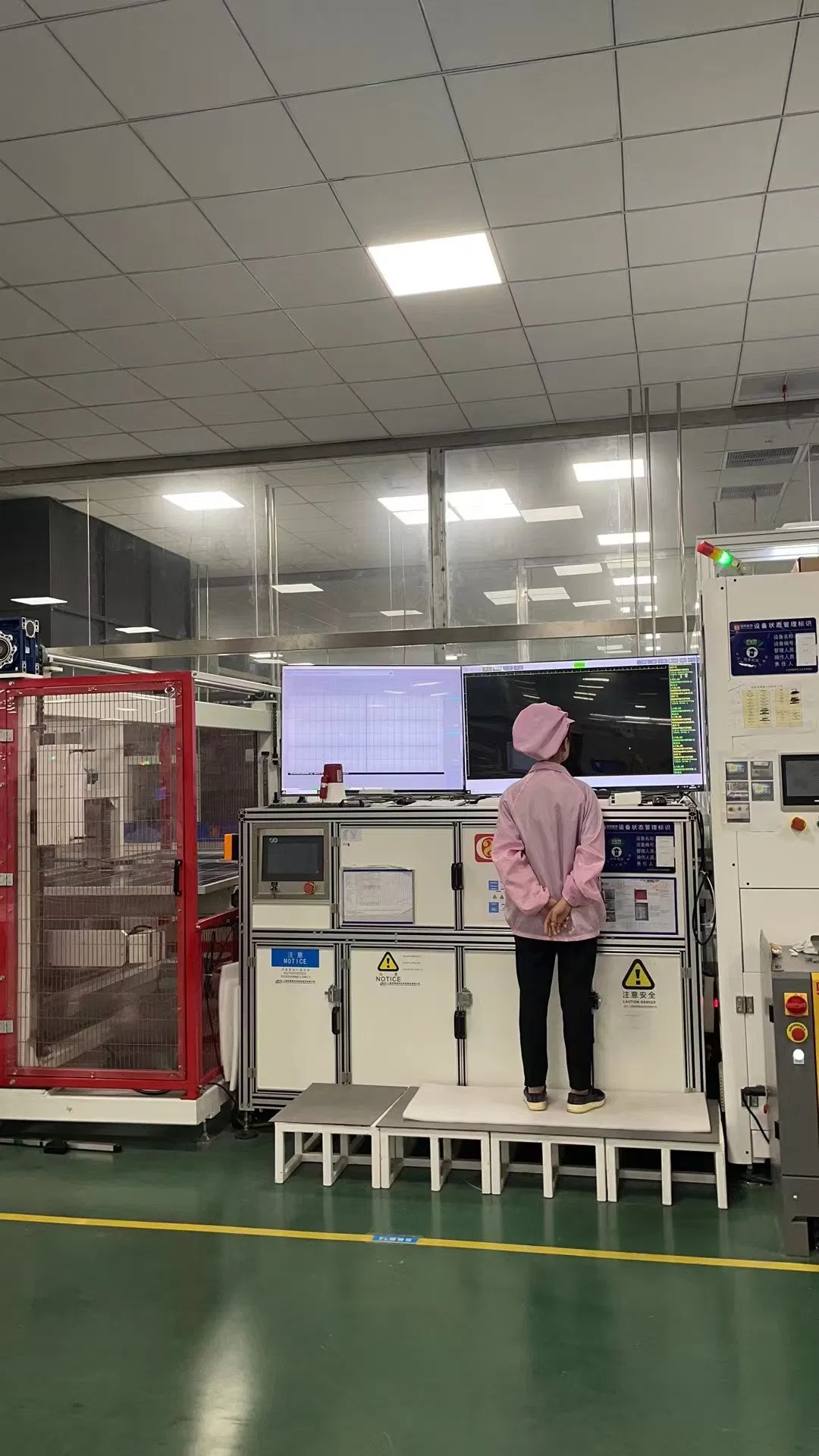
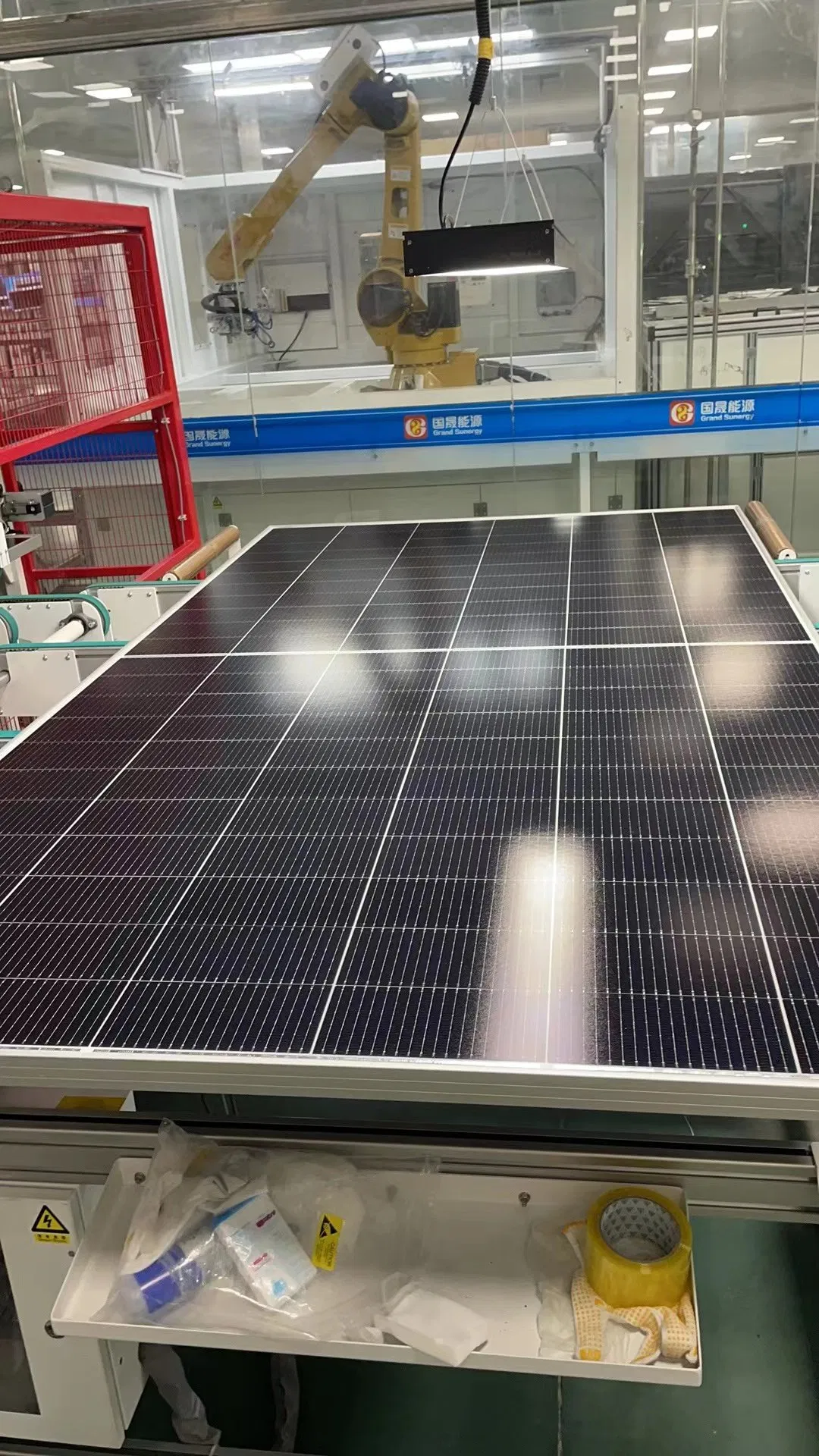
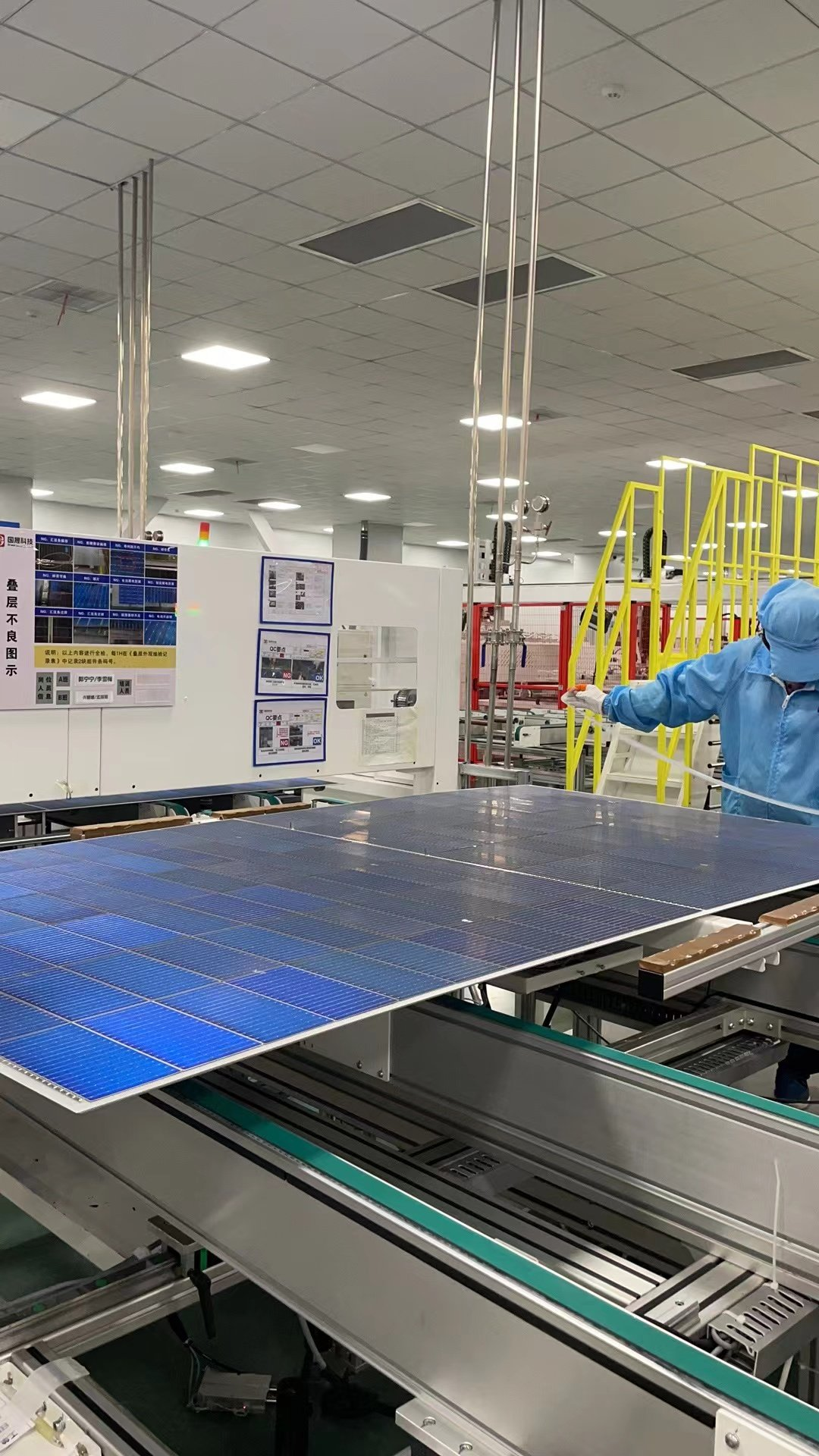
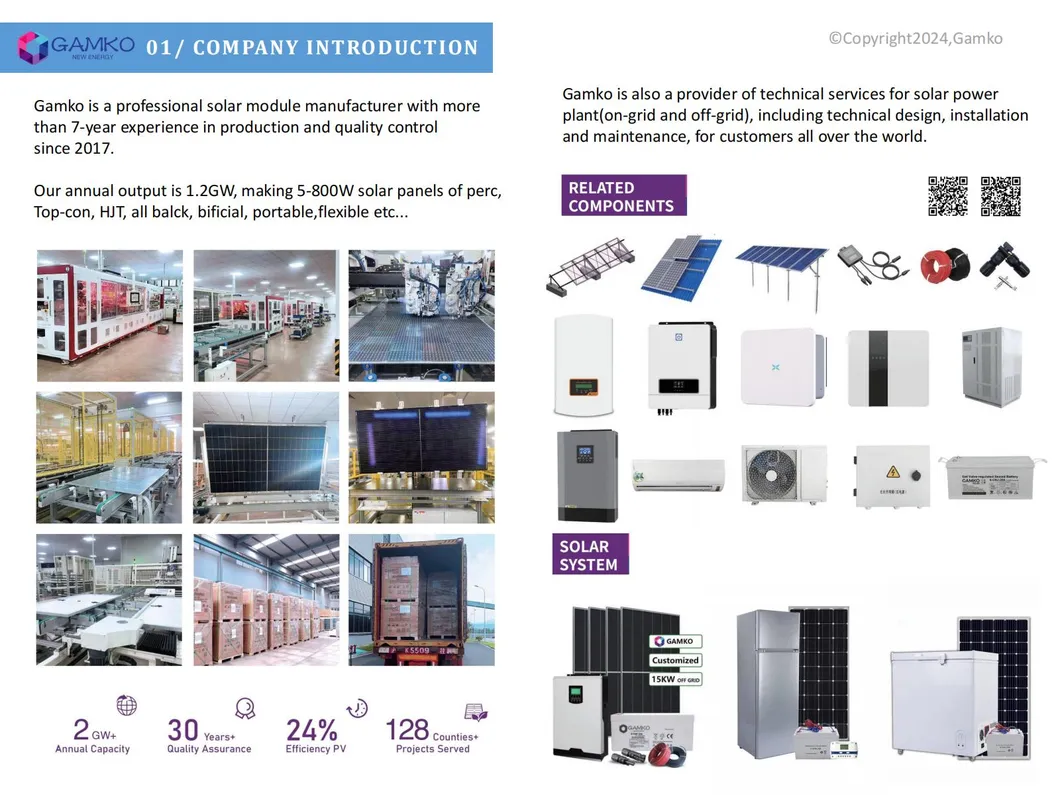
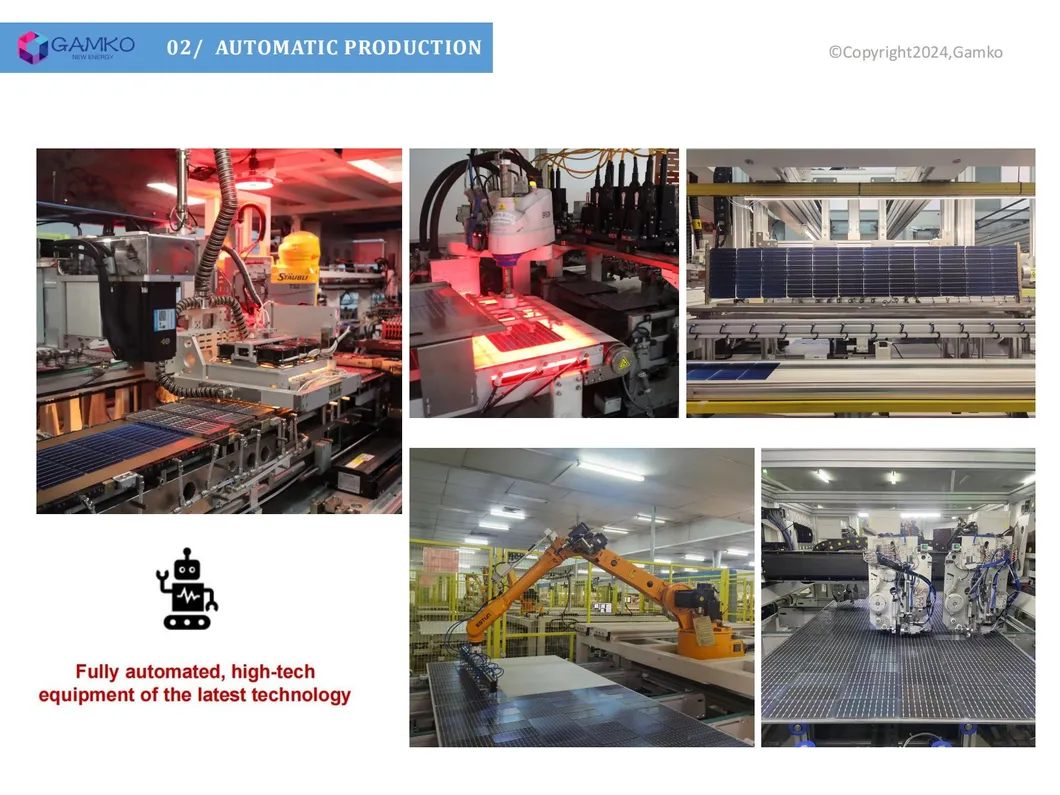
We prioritize long-term reliability. Unlike low-cost factories that use low-efficiency or "reverse current" cells without testing, we perform 3 EL tests and 2 Flash tests throughout production (string welding, intermediate inspection, and final inspection). This prevents hidden cracks and ensures consistent cell grading, which is critical to avoiding hot-spot effects and fire hazards.
What payment security options are available for first-time buyers?
We offer multiple secure payment structures including a 30% advance/70% before shipment terms with third-party inspection, Letter of Credit (LC) at sight, and the STS payment method. With STS, payments are held by a third-party and only released to us after we submit valid shipping documents and bills of lading.
Can I arrange for a third-party inspection before the final payment?
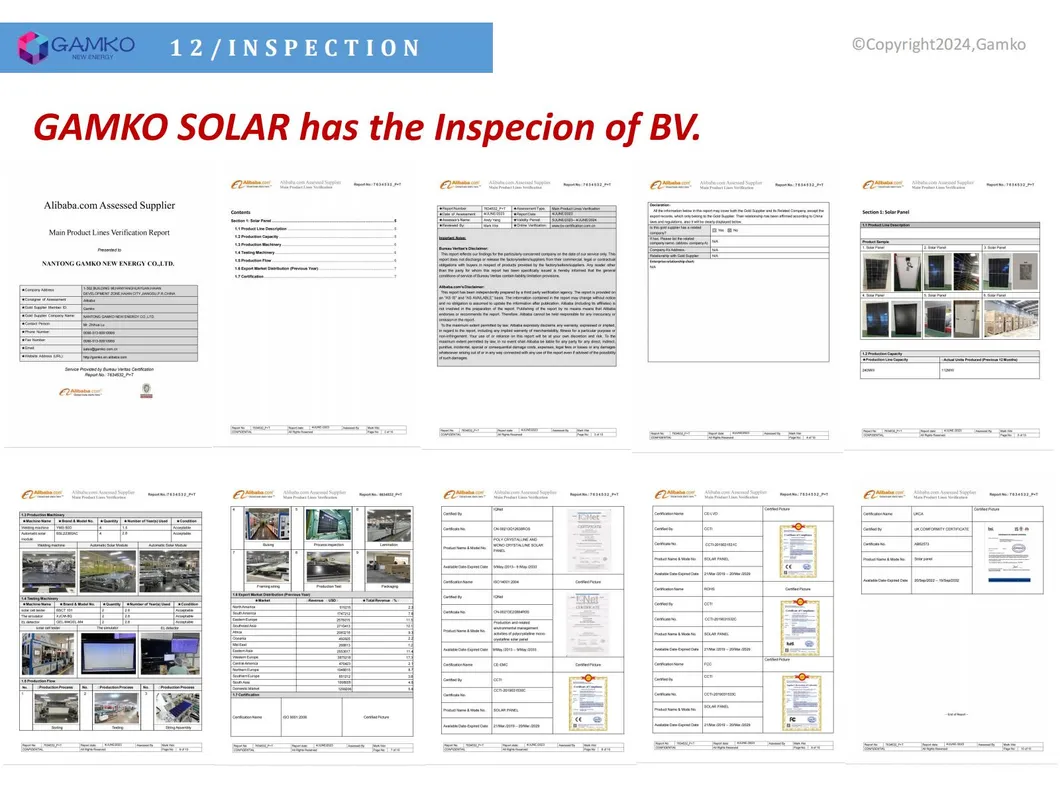
Yes, we fully cooperate with third-party inspection firms like BV or SGS. Customers often use these services for on-site testing. For orders exceeding two containers, we even cover the third-party inspection costs to ensure full transparency and build long-term trust.
How are warranty claims handled after installation?
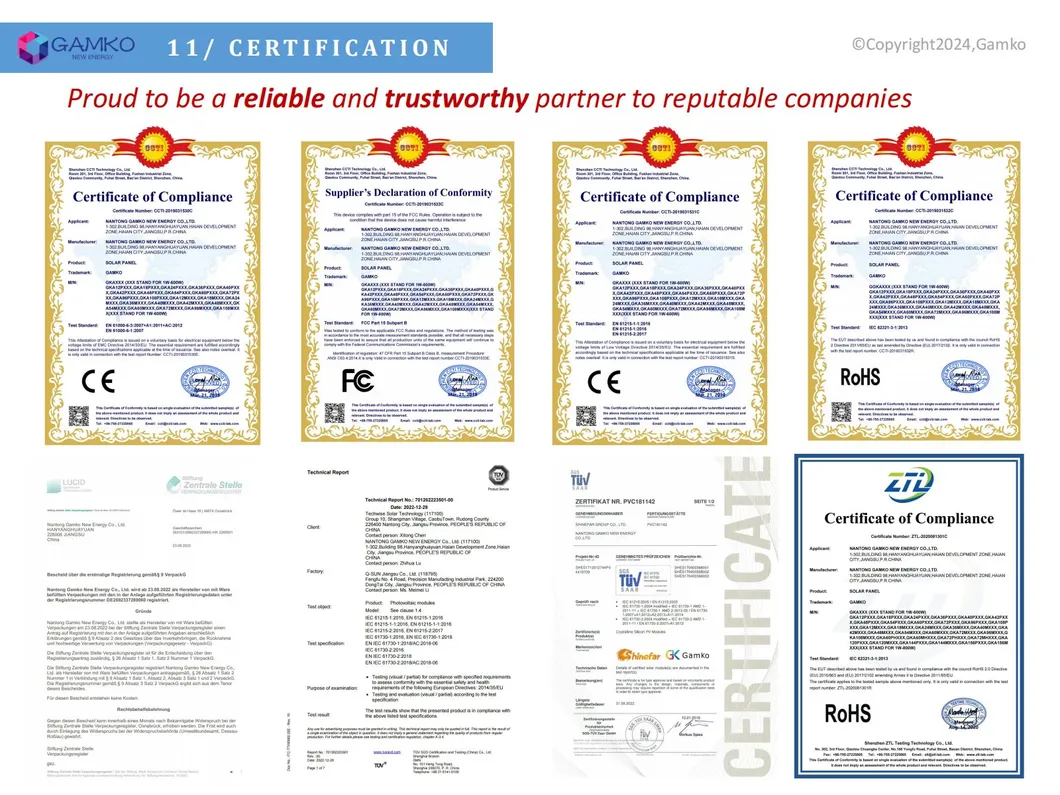
Every shipment includes a detailed warranty and a flash test report corresponding to the product barcodes. During the warranty period, if a problem arises, you can submit a claim along with these reports, and we will provide the necessary after-sales service.
Do you provide PV system design and installation guidance?
Yes, our professional engineers provide preliminary designs for on-grid, off-grid, and hybrid systems. While we do not offer door-to-door physical installation currently, we provide full remote online guidance, bracket drawings, and data collection to ensure your system is optimized for your local voltage and land conditions.
What are the recommended shipping terms to avoid hidden fees?
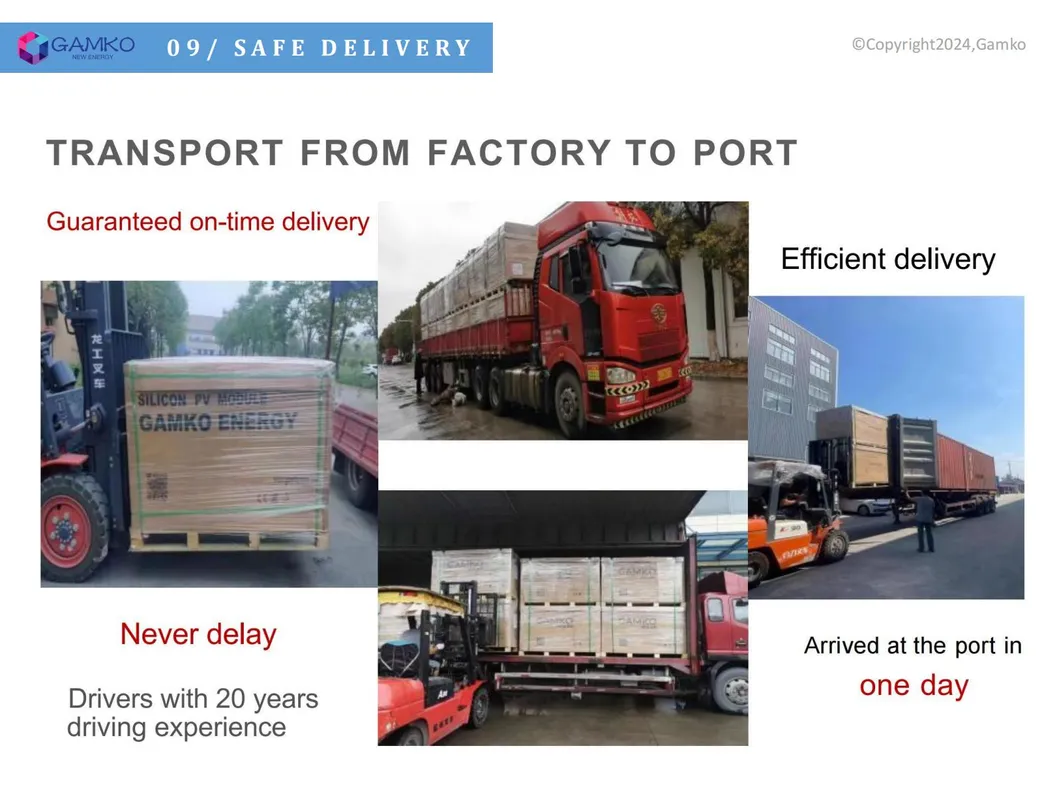
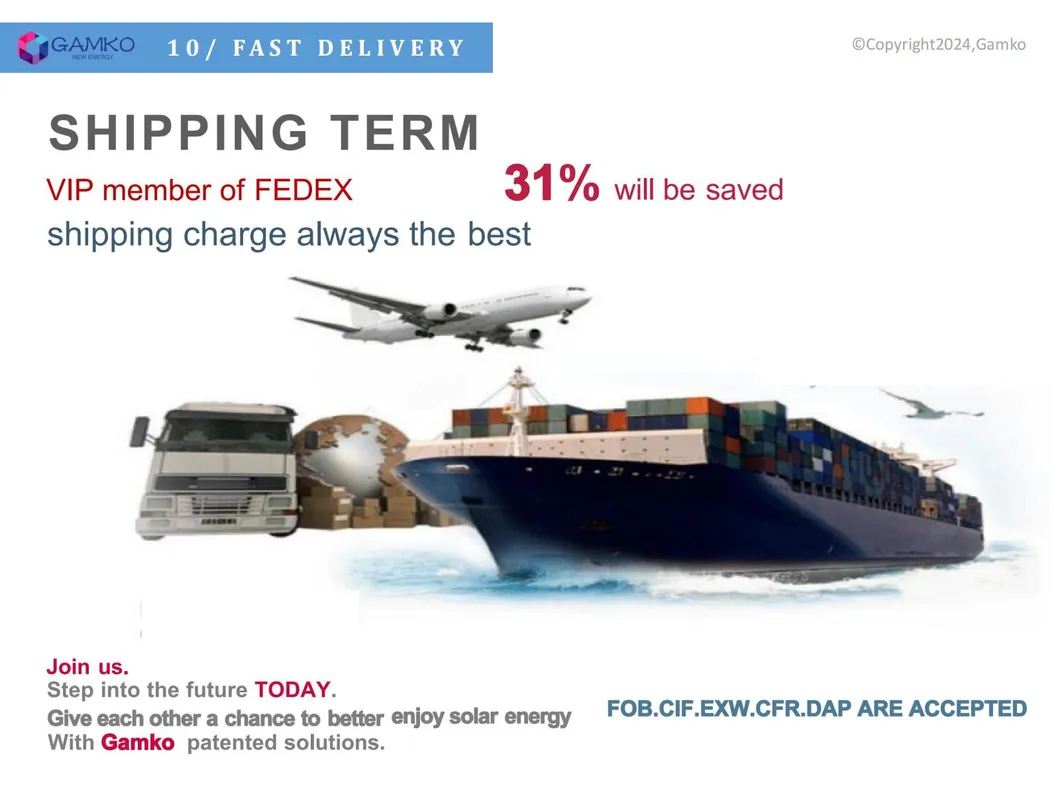
To avoid hidden destination charges common with CIF terms in LCL shipments, we recommend FOB or CIP terms. Under CIP terms, the seller bears the destination port charges, providing the buyer with more cost certainty, leaving only local taxes to be handled by the buyer.
 Smart Energy