Engineered for absolute reliability, these top-performing energy configurations offer dynamic battery backup and advanced microgrid integration.
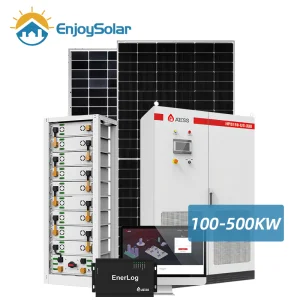
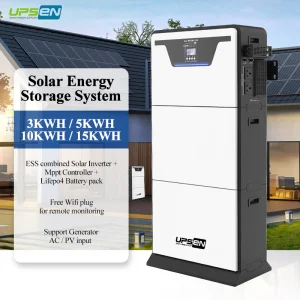
The Democratic Republic of Congo (DRC) is poised for unprecedented economic expansion, driven by its world-class mining sector in regions like Katanga, Lualaba, and Kivu. The country holds some of the world's largest reserves of cobalt, copper, gold, tantalum, and tin. However, this vast mineral wealth is bottlenecked by severe electrical infrastructure deficits. The national power grid managed by SNEL (Société Nationale d'Électricité) faces persistent operational challenges, resulting in frequent voltage fluctuations, rolling blackouts, and complete grid failures. The overall electrification rate remains under 15% nationwide, drop-shipping rural and off-grid mining exploration projects into a state of total reliance on diesel generation.
Operating solely on diesel fuel in remote DRC sites presents extreme logistical and economic challenges. Fuel transport costs from coastal ports or neighboring countries can inflate the operational cost of electricity to as high as $0.45 to $0.65 per kilowatt-hour (kWh). Furthermore, reliance on diesel generators exposes commercial enterprises to supply chain disruptions and highly volatile oil markets. This is where high-capacity hybrid solar power systems offer a transformative alternative. By integrating solar photovoltaic (PV) generation with lithium iron phosphate (LiFePO4) energy storage and existing diesel generators, industrial operators can reduce diesel fuel consumption by up to 60-85%, locking in a levelized cost of energy (LCOE) below $0.12 per kWh.
Hangzhou Smart Energy Co., Ltd. has specialized in addressing these challenging conditions. Our engineering teams configure hybrid systems that intelligently manage multiple energy sources. The smart inverter technology acts as the brain, seamlessly switching between solar generation, battery storage, utility input (when available), and diesel backup. This ensures that delicate mining machinery, telecommunications towers, agricultural processing plants, and commercial centers operate continuously without even a millisecond of voltage drop.
Active filtering and instant power transfer shield industrial facilities against SNEL voltage surges and brownouts common in DRC urban areas.
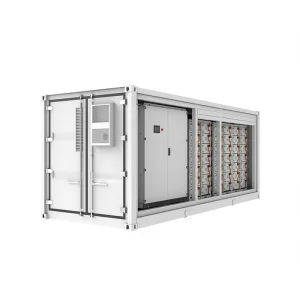
Dustproof, high-temperature resilient battery enclosures with active HVAC systems designed specifically for equatorial climates.
By offsetting diesel generator reliance, commercial operations achieve rapid return on investment, typically within 3.5 to 5 years.
Years Factory Experience
Global Installed Storage Capacity
Countries Supplied Worldwide
High-Rate Discharge Battery Design
The global shift toward decentralized energy storage systems (ESS) has driven major technical innovations. The transition from legacy Lead-Acid batteries to advanced Lithium Iron Phosphate (LiFePO4) chemistry has redefined system longevity and performance safety. LiFePO4 cells offer up to 6,000 charge cycles at 80% Depth of Discharge (DoD), representing a working lifespan exceeding 15 years under daily cycling conditions. In contrast to NMC (Nickel Manganese Cobalt) chemistries, LFP presents zero risk of thermal runaway, which is a critical safety consideration for warm climates like Central Africa.
Another major trend is the integration of High-Voltage (HV) stackable battery architectures. Traditional residential and light-commercial installations historically operated on 48V DC bus bars. However, modern commercial and industrial systems utilize high-voltage setups ranging from 200V to over 800V DC. High-voltage configurations dramatically minimize line losses, improve system conversion efficiency (often exceeding 97.5%), and allow for simpler copper cabling requirements, thereby lowering installation and hardware costs significantly.
Smart energy management systems (EMS) now leverage artificial intelligence to forecast solar generation capacity alongside building consumption patterns. For commercial users in Kinshasa, this enables automated load shifting and peak-shaving strategies. During times when grid power tariffs peak or when the local grid drops below acceptable voltage thresholds, the hybrid energy storage system automatically takes over the critical loads. It dynamically manages generator start/stop commands to maintain maximum generator efficiency, ensuring that the generator only runs at its optimal load point (usually 70-80% capacity) to prevent wet stacking and premature mechanical wear.
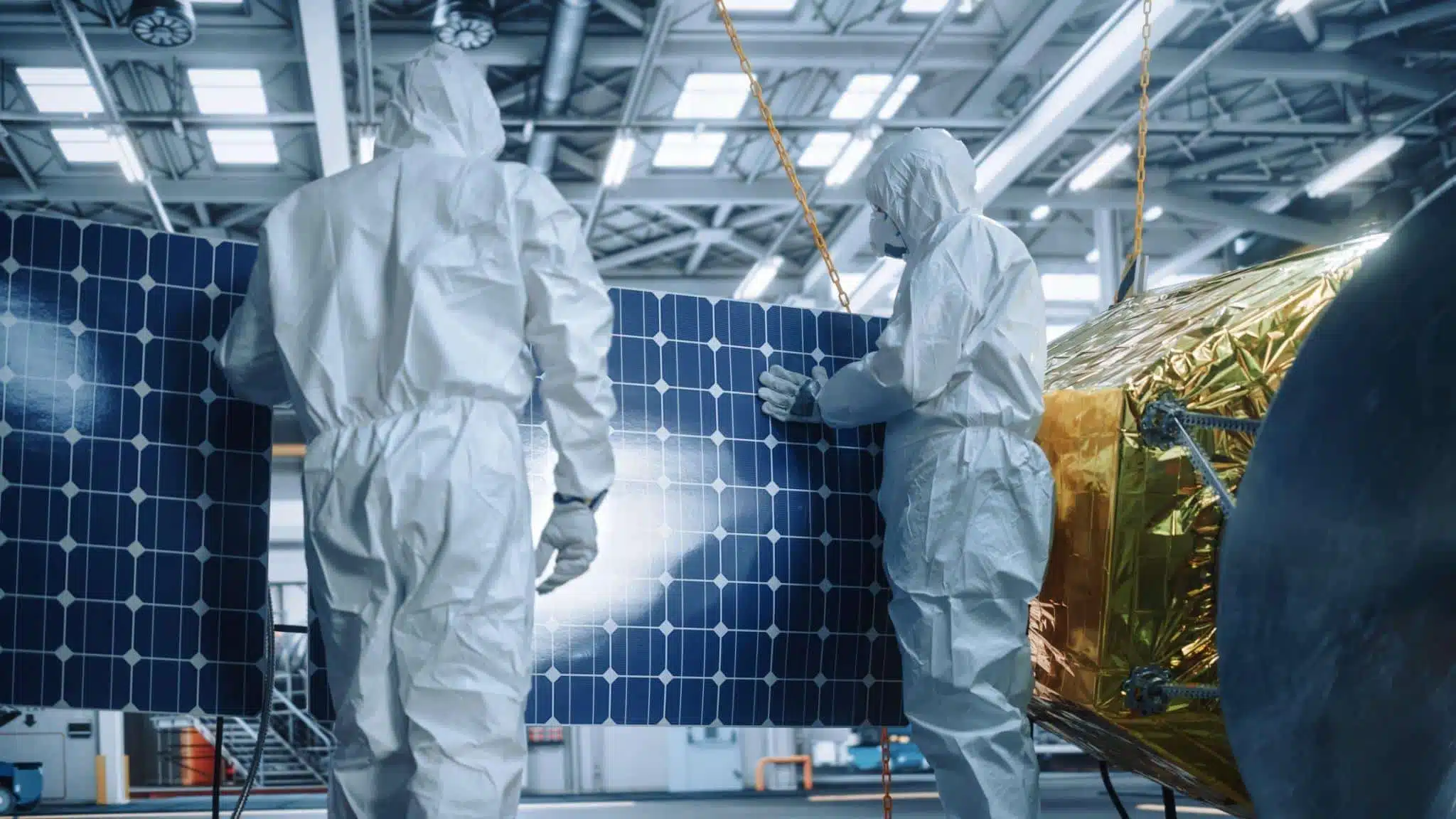
China is the global leader in the development and manufacturing of lithium batteries and solar power electronics. Hangzhou Smart Energy Co., Ltd. leverages the mature industrial clusters in Zhejiang and neighboring provinces to integrate high-caliber components at highly competitive price points. Our strategic location near the major deep-water ports of Ningbo and Shanghai guarantees streamlined shipping logistics to the African continent.
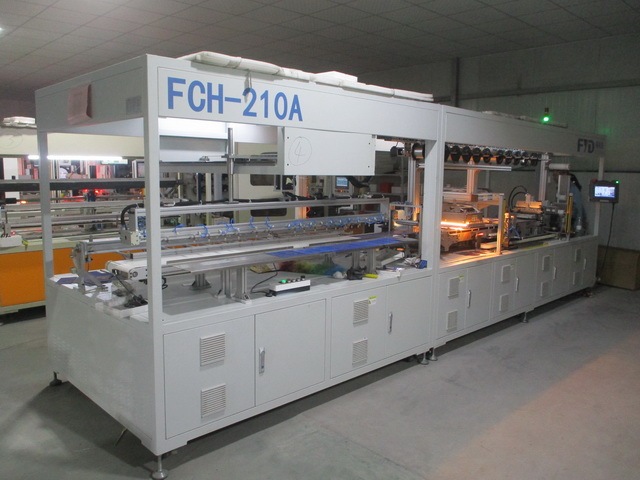
Our production facilities adhere to the most stringent international standards, including ISO 9001, ISO 14001, CE, UN38.3, and IEC 62619. By sourcing A-grade prismatic cells directly from tier-1 manufacturers such as CATL, BYD, and EVE, we build battery storage units that possess unmatched energy density, high discharge rates, and long cycle lives. Additionally, our long-term engineering partnerships with leading inverter developers like Deye, Growatt, and Solis allow us to ship fully optimized, pre-programmed, plug-and-play kits that resolve local installation issues before they even arise.
Hangzhou Smart Energy Co., Ltd. is a professional solar power system supplier based in Hangzhou, China, dedicated to delivering efficient and sustainable energy solutions for global customers. The company specializes in the design, manufacturing, and integration of residential, commercial, and hybrid energy storage systems, helping users achieve energy independence and reduce electricity costs.
With a comprehensive product portfolio, Smart Energy offers high-performance solar panels, advanced inverters, and reliable battery storage systems, all engineered to ensure optimal efficiency and long-term durability. Its solutions are widely applied in homes, commercial facilities, industrial projects, and off-grid applications, adapting to diverse energy demands and environmental conditions.
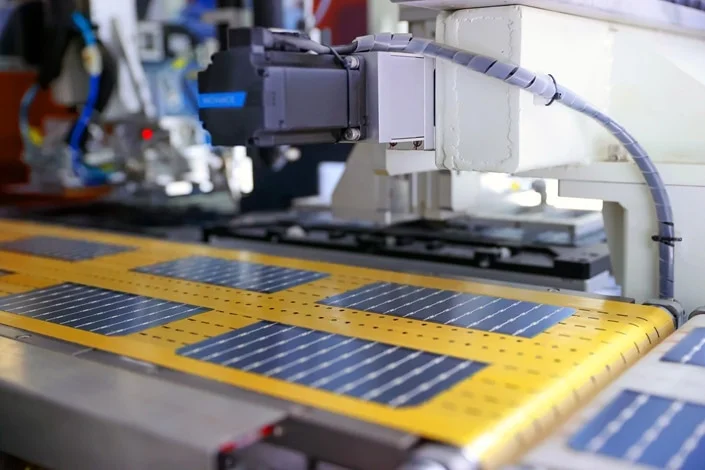
Driven by innovation and quality, the company utilizes modern production technologies and strict quality control processes to meet international standards. Its experienced engineering team provides customized system design, technical support, and turnkey project solutions tailored to client requirements.
Hangzhou Smart Energy is committed to promoting clean energy adoption worldwide. By combining smart energy management with scalable solar technologies, the company empowers customers to build greener, more efficient, and future-ready power systems.
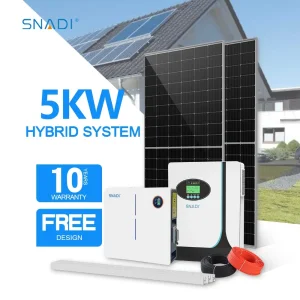
These scalable configurations are designed to support office complexes, residential estates, and small industrial facilities across the DRC.
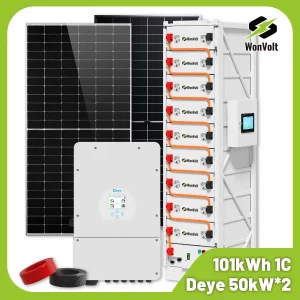
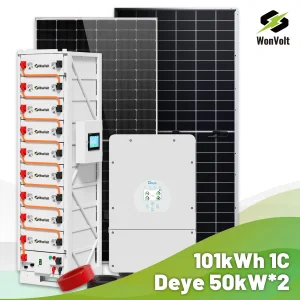
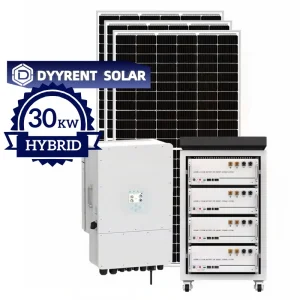
DR Congo presents diverse operational environments, each demanding custom hybrid power designs. Our systems are specifically customized to match these unique conditions:
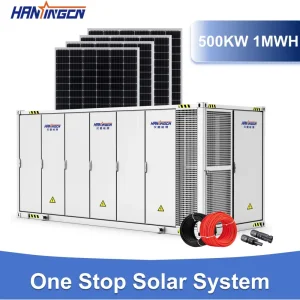
Mining exploration camps and extraction sites operate 24/7. These off-grid installations require megawatts of continuous power. Our high-voltage 500kW to 1MW microgrids run concurrently with industrial diesel generators. The advanced energy storage system manages transient starting currents from heavy motors, protecting the generators from dynamic stress. This reduces fuel consumption, extends generator maintenance windows, and delivers a reliable return on investment.
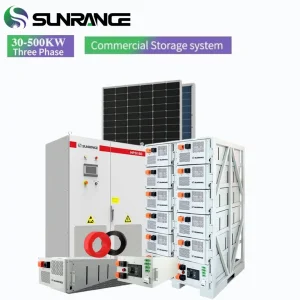
Commercial office towers, supermarkets, and shopping hubs struggle with unpredictable grid outages that ruin electronic equipment and disrupt client operations. We deploy stackable LiFePO4 systems coupled with multi-MPPT three-phase hybrid inverters. These configurations offer instant UPS-grade transfer times, securing servers and retail checkouts while keeping cooling systems active.
Agricultural processing plants (palm oil, cocoa, coffee) and medical cold storage facilities require strict thermal control. A single power disruption can cause severe inventory losses. Our customized, containerized hybrid energy storage systems run independently, utilizing solar generation during peak daytime hours and storing excess energy to maintain target temperatures throughout the night.
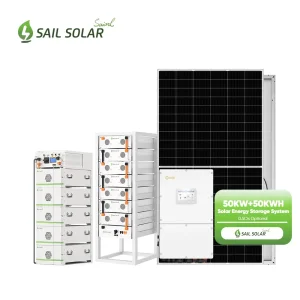
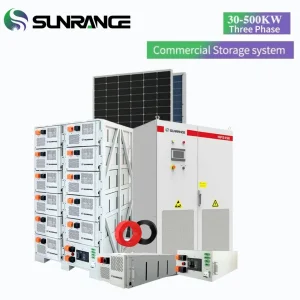
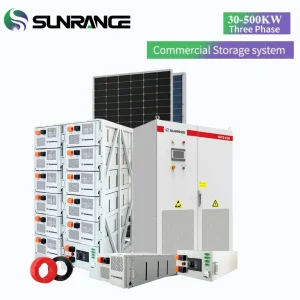
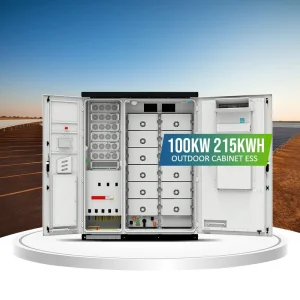
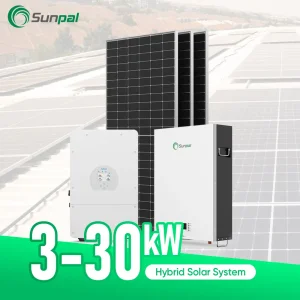
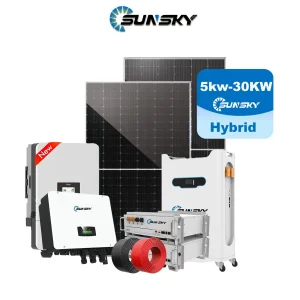
Explore our line of high-capacity hybrid solar setups developed for major commercial centers, municipal microgrids, and factories.
Shipping heavy industrial equipment like lithium batteries, high-power solar arrays, and steel mounting configurations to the Democratic Republic of Congo requires meticulous planning. Hangzhou Smart Energy provides a complete logistics management framework to secure transit safety, customs compliance, and timely on-site delivery.
Step 1: Custom Engineering & Sizing
Our technical team conducts a comprehensive energy audit based on your monthly utility bills or diesel consumption rates. We determine the ideal PV-to-battery ratio, ensuring the battery storage capacity matches your critical load demands during peak outage times.
Step 2: Strict Factory Acceptance Testing (FAT)
Before shipping, we assemble and test the microgrid at our facility in China. The complete configuration—inverters, battery banks, combiner boxes, and monitoring software—is calibrated to ensure smooth commissioning once it arrives at your site.
Step 3: Compliant Export Packaging & Ocean Freight Logistics
Lithium battery transport is strictly regulated under UN38.3. We use certified explosion-proof shipping boxes, moisture-barrier wrapping, and robust steel container frames. For clients in eastern DRC (such as Goma, Bukavu, or Lubumbashi), we ship via the Port of Dar es Salaam (Tanzania) or Mombasa (Kenya), coordinating overland road transport. For Kinshasa and western regions, we ship directly to the Port of Matadi or Port of Boma.
Step 4: Custom Clearance Support
We provide all necessary commercial invoices, packing lists, Bills of Lading, and certificate of origin documentation to streamline customs processing through DRC authorities (DGDA) and prevent costly port delays.
Get professional answers about technical specifications, local installation, and logistics for hybrid solar power system imports to the DRC.
Yes. Our smart hybrid inverters integrate dry contact terminals that connect directly to your generator's automatic transfer switch (ATS). When the batteries discharge to a preset depth (such as 20% state-of-charge) and solar generation is insufficient, the system automatically starts the generator to power your loads while charging the battery array. Once charged, the generator is shut down to minimize fuel usage.
Temperature management is critical for the lifespan of LiFePO4 cells. For warm equatorial climates, we recommend containerized energy storage configurations equipped with integrated air conditioning and active thermal management. Our battery management systems (BMS) monitor cell temperatures in real-time, automatically reducing charge rates or activating cooling systems if parameters exceed 35°C.
Our battery storage modules use Tier-1 prismatic LFP cells that deliver over 6,000 charge cycles at 80% Depth of Discharge (DoD) at 25°C. For standard daily cycling applications, this translates to a functional lifespan of 15 to 18 years, after which the batteries will still retain about 70-80% of their original capacity.
For mining and commercial sites in southeastern DRC, shipping to the Port of Durban (South Africa) or Port of Dar es Salaam (Tanzania), followed by overland truck transport, is the fastest and most cost-effective route. Our logistics team handles this entire transit process, managing the required regional permits and tracking the shipment from our Hangzhou factory straight to your site.
Yes. All our hybrid solar configurations include IoT monitoring modules that connect via Wi-Fi, 4G, or satellite links. This allows our engineering team in China to monitor system health, run diagnostic checks, and update firmware remotely. For MW-scale industrial installations, we can also send field engineers to assist your team during site installation and final commissioning.
Consult with our senior energy system engineers today. We will design a custom, high-efficiency hybrid solar microgrid configured for your local grid conditions and load profile.
Send Inquiry Now Smart Energy