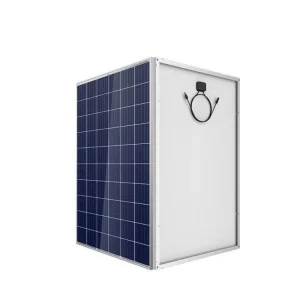
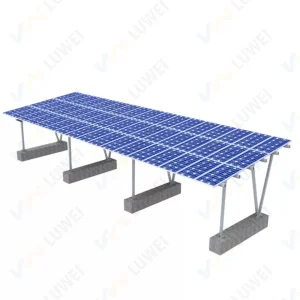
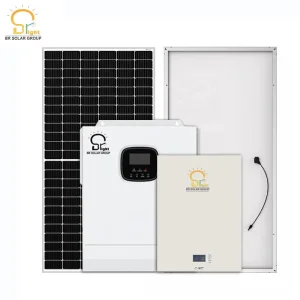
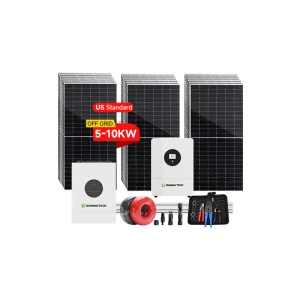
Core high-performance generation and storage components that drive modern off-grid cooling systems.
Understanding the macro-economic and industrial factors shifting global refrigeration towards clean energy platforms.
The global cold chain and refrigeration industry is undergoing a structural paradigm shift. With aggressive carbon reduction goals mapped to the UN Sustainable Development Goals (SDGs) and rising operational costs of grid-based electricity, traditional vapor compression refrigeration technology powered by thermal coal grids is no longer economically or environmentally viable. Solar refrigeration has stepped in as the leading technology of choice for remote storage, mobile logistics, agricultural preservation, and off-grid residential comfort.
According to current market intelligence, the global solar refrigeration market is growing at a compounded annual rate of over 12%. This growth is heavily driven by industrial installations in tropical developing economies, such as sub-Saharan Africa, South Asia, and parts of the Latin American trade block. In these regions, grid infrastructure is either non-existent or highly unstable. Solar direct-drive refrigeration units allow fresh produce exporters, medical clinics, and rural communities to operate vital preservation hardware reliably, bypassing the costs of diesel generator fuel and high battery replacement cycles.
Preservation of critical vaccines and biological assets under strict WHO PQS temperature margins. Off-grid clinics rely on high-reliability solar direct-drive setups to guarantee vaccine viability.
Over 30% of harvested food is lost due to inadequate cooling at the source. Farm-gate solar cold rooms extend product shelf-life and improve rural agricultural export values.
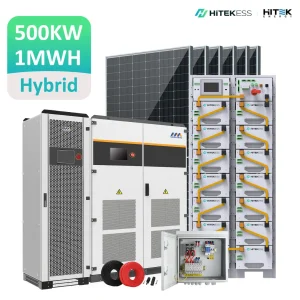
Large-scale distribution facilities utilize hybrid solar power architectures (such as 500kW systems) to run massive cooling networks, dropping operational overhead by up to 70%.
Modern solar refrigeration systems operate on a technical spectrum ranging from Solar Direct Drive (SDD) to advanced Hybrid AC/DC systems. Unlike conventional refrigerators, which require high start-up currents that place severe strain on inverters, modern solar units rely on variable-speed DC compressors.
Key developmental pathways include the integration of Phase Change Materials (PCM). PCMs store latent heat (or cooling capacity) during peak sun hours, allowing the refrigerator to remain cool for over 72 hours during dark periods without requiring chemical battery backup. This effectively removes the weakest link in traditional off-grid systems: battery degradation due to thermal cycles.
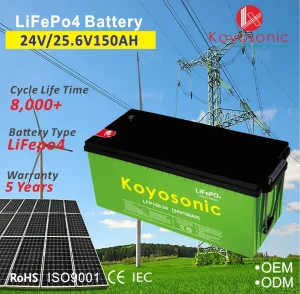
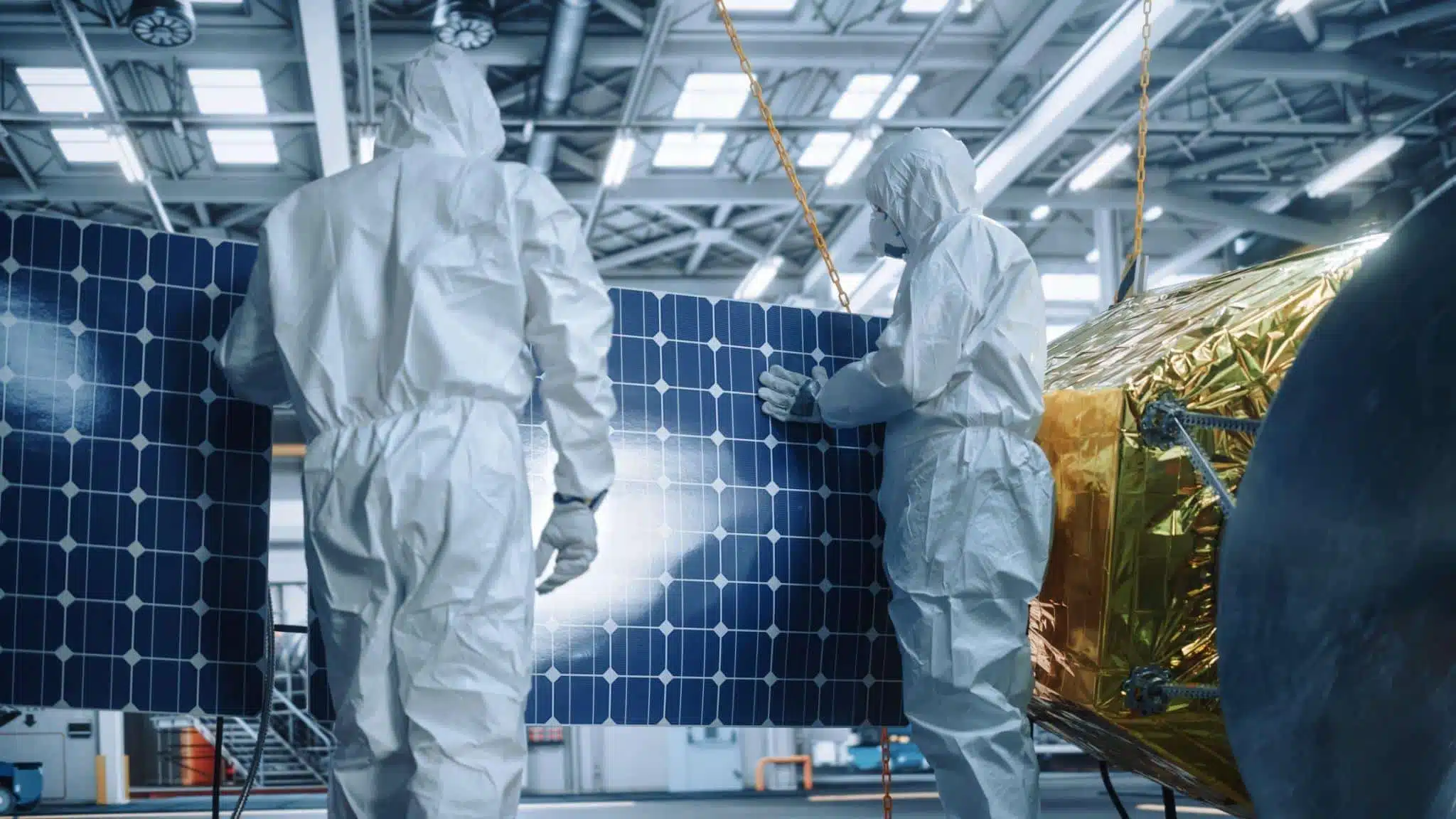
For large-scale operations, combining high-yield monocrystalline solar panels with smart LiFePO4 battery storage arrays creates a stable microgrid that can run dual-mode compressors continuously, optimizing system safety and longevity.
How solar-powered cooling and generation kits scale across distinct industrial, commercial, and geographical contexts.
In rural clinics located in non-electrified regions, maintaining the vaccine cold chain is critical. Solar direct-drive medical refrigerators utilize high-efficiency monocrystalline solar panels to run DC compressors, maintaining inner chamber temperatures between 2°C and 8°C under high ambient conditions without relying on batteries.
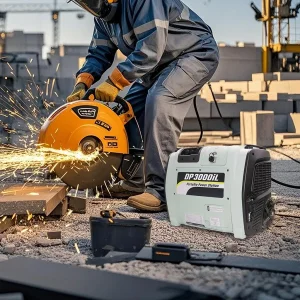
Off-grid eco-lodges rely on a combination of 3000W portable power stations and deep cycle LiFePO4 batteries to run quiet, efficient, low-voltage solar refrigerators. This limits noise pollution from diesel gensets, delivering a premium green hospitality experience while ensuring uninterrupted food safety.
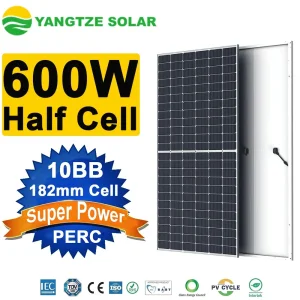
Small-holder farmers use containerized cold-storage hubs powered by half-cell solar modules. Storing vegetables immediately after harvest reduces moisture loss and controls respiration rates. It enables farmers to time their market deliveries, resulting in higher sales margins.
By coupling custom configurations of high-capacity energy storage stations (ranging from 1000W to massive 500kW industrial hybrid configurations) with high-density photovoltaic cells, operators can build custom solar micro-grids. These micro-grids support high peak cooling loads while maintaining reserve battery capacity to ensure uninterrupted operations through prolonged cloud cover.
Providing world-class, integrated clean energy ecosystems for global consumer and industrial demands.
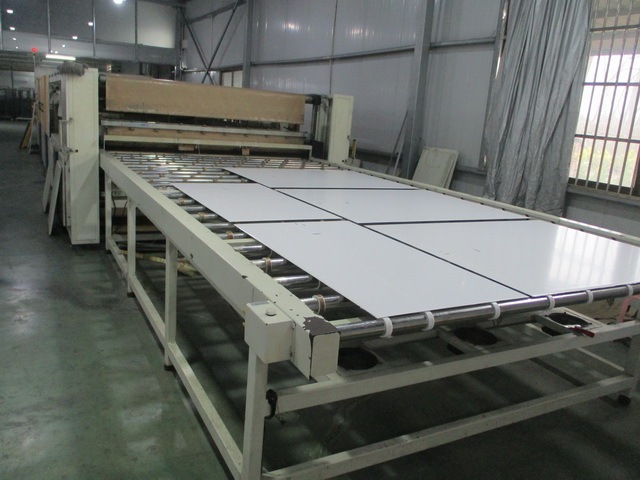
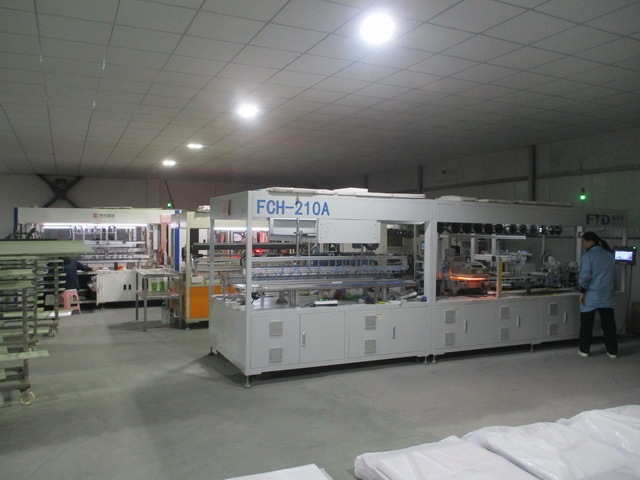
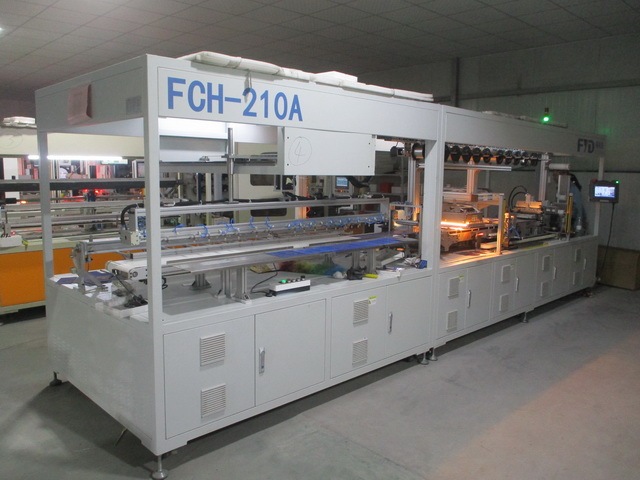
Hangzhou Smart Energy Co., Ltd. is a professional solar power system supplier based in Hangzhou, China, dedicated to delivering efficient and sustainable energy solutions for global customers. The company specializes in the design, manufacturing, and integration of residential, commercial, and hybrid energy storage systems, helping users achieve energy independence and reduce electricity costs.
With a comprehensive product portfolio, Smart Energy offers high-performance solar panels, advanced inverters, and reliable battery storage systems, all engineered to ensure optimal efficiency and long-term durability. Its solutions are widely applied in homes, commercial facilities, industrial projects, and off-grid applications, adapting to diverse energy demands and environmental conditions.
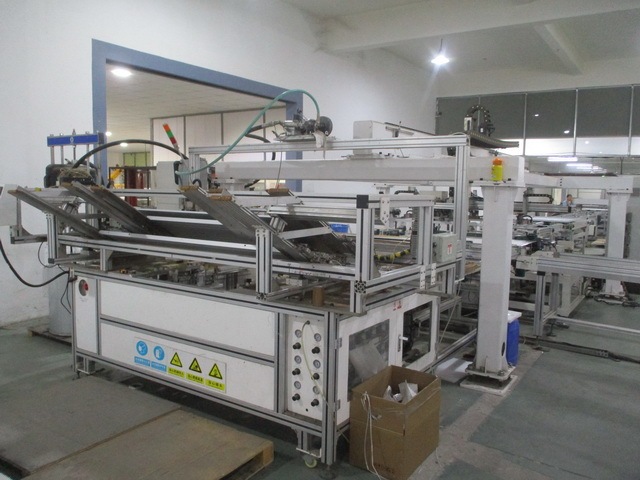
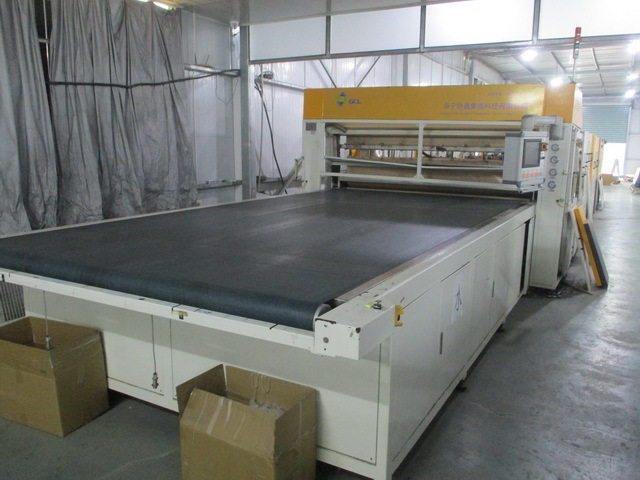
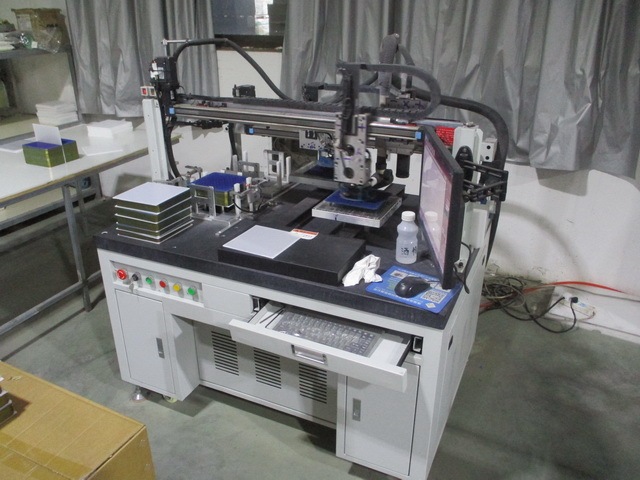
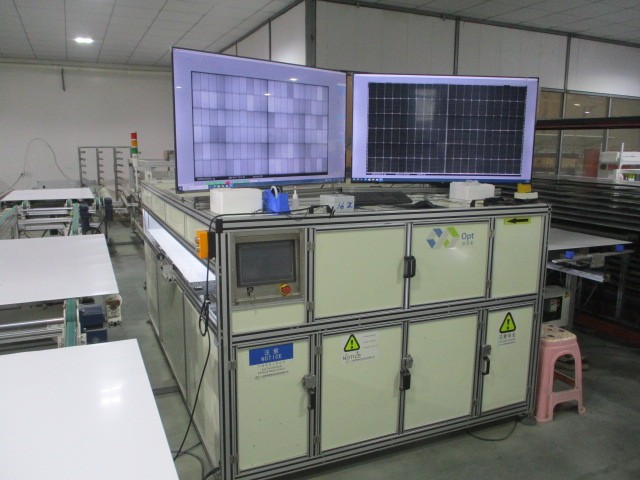
Driven by innovation and quality, the company utilizes modern production technologies and strict quality control processes to meet international standards. Its experienced engineering team provides customized system design, technical support, and turnkey project solutions tailored to client requirements.
Hangzhou Smart Energy is committed to promoting clean energy adoption worldwide. By combining smart energy management with scalable solar technologies, the company empowers customers to build greener, more efficient, and future-ready power systems.
Addressing technical, operational, and system-level questions on solar-powered cooling systems.
Solar Direct Drive (SDD) units bypass chemical batteries entirely, using solar panels to directly power a variable-capacity DC compressor during sunny periods. They store cold thermal energy in Phase Change Materials (PCM) or ice linings to keep temperatures stable overnight. Battery-supported systems rely on solar arrays to charge batteries (like LiFePO4 packs) that run the refrigerator as needed. This approach offers precise active control but requires regular battery management and replacement.
Yes. A 3000W portable power station with an integrated UPS and LiFePO4 battery pack can run a standard energy-efficient DC solar refrigerator continuously. A typical 100-200 liter solar refrigerator consumes between 40W and 90W when the compressor runs. Combined with adequate solar inputs (such as 500W-600W solar panel arrays), the power station can run the unit and other essential off-grid gear indefinitely.
LiFePO4 (Lithium Iron Phosphate) is highly stable, safe, and long-lasting, delivering over 4,000 to 6,000 cycles at an 80% Depth of Discharge (DoD). This compares to just 500 to 800 cycles for traditional Gel or VRLA lead-acid options. LFP batteries also maintain high charge efficiency under hot conditions, and their built-in BMS protects against thermal runaway and voltage drops.
Half-cell solar modules (such as 580W-600W options) split solar cells in half, which cuts electrical resistance losses inside the panel. This design also improves partial shade performance. If the bottom half of the module is shaded by foliage or dirt, the top half continues to produce power at 50% capacity, helping to prevent low-voltage compressor shut-downs.
For large industrial refrigeration nodes (such as 350kW to 500kW systems), a hybrid setup balances rooftop solar arrays, high-voltage 3-phase storage banks, and grid or generator backup. During peak sun hours, solar power runs the cooling compressors and charges the batteries. Overnight or during cloudy periods, the system automatically draws from the battery bank or grid, keeping cold-chain systems running smoothly.
High ambient temperatures increase the heat gain of the cooling cabinet and reduce the efficiency of the solar panels (due to their negative temperature coefficient). To counter this, manufacturers use thick cyclopentane insulation layers, high-grade door seals, and high-ambient DC compressors (often rated up to 43°C or 55°C). Keeping solar batteries housed in shaded, ventilated enclosures helps maximize system lifespan.
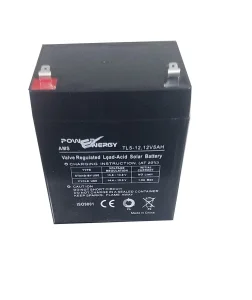
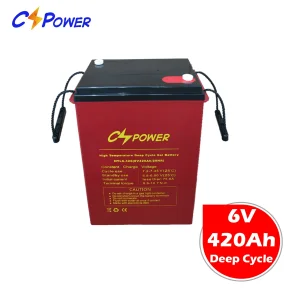
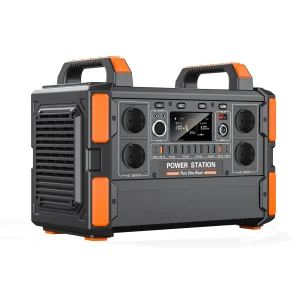
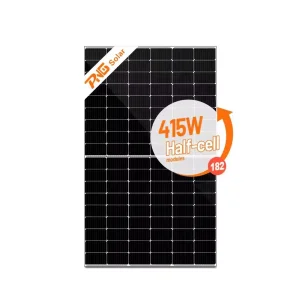
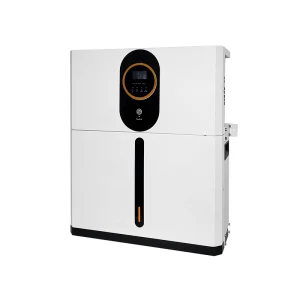
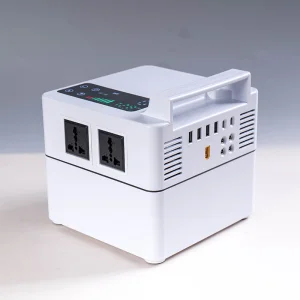
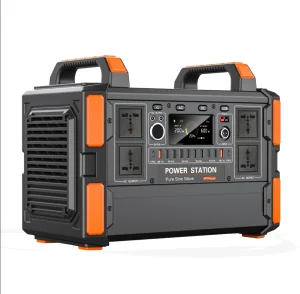
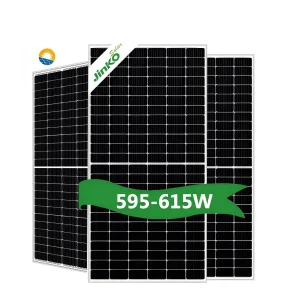
Premium battery packs, portable stations, and solar modules configured for residential and commercial installations.
 Smart Energy