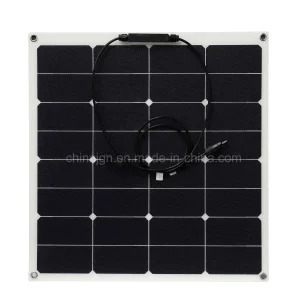
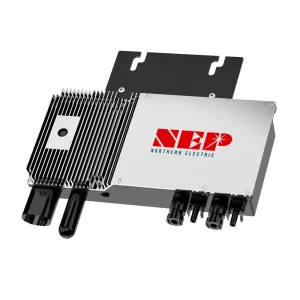
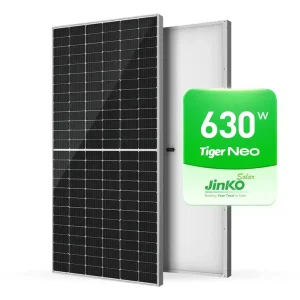
Explore our leading commercial-grade solar battery systems, grid-interactive inverters, and scalable charging configurations designed for maximum uptime and durability.
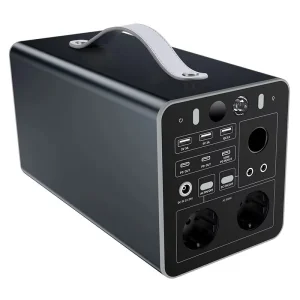
An Analytical Look into Modern Solar Battery Charger Infrastructure and the OEM/ODM Supply Chain.
In the wake of rapid global decarbonization targets and escalating grid pricing volatility, commercial, industrial, and agricultural enterprises are aggressively shifting toward localized clean energy microgrids. At the core of these microgrids is the solar battery charger system—a system that is no longer just a luxury, but a core piece of critical infrastructure. Global B2B buyers require solutions that minimize the levelized cost of storage (LCOS), guarantee maximum round-trip efficiency (RTE), and provide high thermal stability. Finding reliable manufacturers that balance competitive manufacturing costs with strict international compliance standard has become a paramount priority for EPCs, project developers, and distributors alike.
As a leading hub for green energy manufacturing, China produces over 80% of the world's photovoltaic modules and electrochemical energy storage systems. However, navigating this vast manufacturing landscape demands a detailed understanding of cell chemistries, inverter topology integration, and grid-connection dynamics. Top tier solar battery manufacturers are defined by their ability to provide custom engineering capabilities, end-to-end quality assurance, and long term mechanical reliability.
When engineering a localized solar microgrid, procurement agents must evaluate more than just the upfront purchase price. Factors such as depth of discharge (DoD), standard cycle life (e.g., 6,000 cycles at 80% DoD), integrated battery management systems (BMS) with dynamic monitoring, and multi-stage maximum power point tracking (MPPT) logic must be assessed. These factors directly dictate the operational longevity and return on investment (ROI) of clean energy installations.
Our solutions cater directly to this demand, bridging the gap between high-yield photovoltaic generation and reliable, long-cycle energy storage. By offering highly integrated systems—ranging from modular home energy walls to multi-megawatt commercial solar carports—we ensure that B2B projects achieve optimal performance, regardless of local environmental challenges or varying grid topologies.
Hangzhou Smart Energy Co., Ltd. is a professional solar power system supplier based in Hangzhou, China, dedicated to delivering efficient and sustainable energy solutions for global customers. The company specializes in the design, manufacturing, and integration of residential, commercial, and hybrid energy storage systems, helping users achieve energy independence and reduce electricity costs.
With a comprehensive product portfolio, Smart Energy offers high-performance solar panels, advanced inverters, and reliable battery storage systems, all engineered to ensure optimal efficiency and long-term durability. Its solutions are widely applied in homes, commercial facilities, industrial projects, and off-grid applications, adapting to diverse energy demands and environmental conditions.
Driven by innovation and quality, the company utilizes modern production technologies and strict quality control processes to meet international standards. Its experienced engineering team provides customized system design, technical support, and turnkey project solutions tailored to client requirements. Hangzhou Smart Energy is committed to promoting clean energy adoption worldwide. By combining smart energy management with scalable solar technologies, the company empowers customers to build greener, more efficient, and future-ready power systems.
Battery Cycle Lifespan
MPPT Tracking Efficiency
Exporting Countries
Maintenance Operations (LiFePO4)
Deploying specialized power architecture optimized for real-world environment challenges and commercial efficiency.
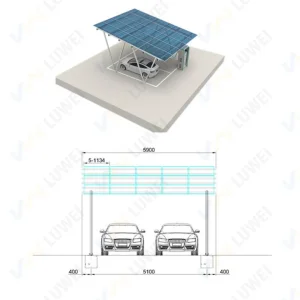
Designed for large enterprise hubs, our 1MW solar carport systems turn parking spaces into power generators, feeding fleet vehicles and offloading heavy commercial peak demands.
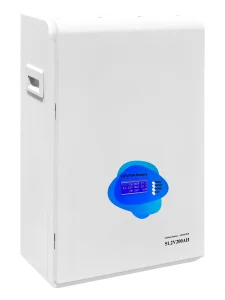
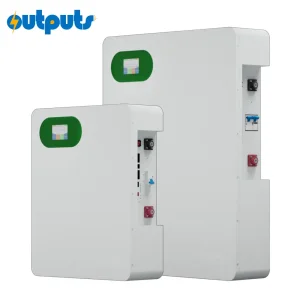
Our residential wall-mounted energy storage systems utilize advanced LiFePO4 chemistry. Offering 5120Wh base units, they scale up to 15 parallel modules, meeting diverse home energy backup needs.
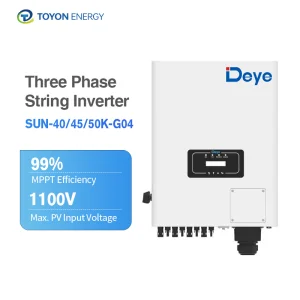
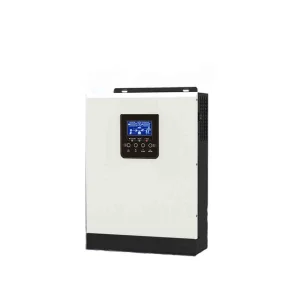
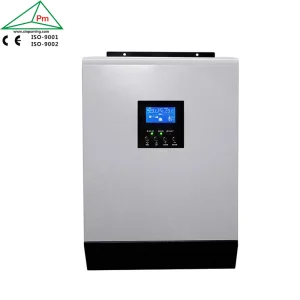
Industrial settings expose systems to high dust and moisture. Our specialized anti-dust single-phase inverters use intelligent air-duct thermal separations and IP-rated enclosures to ensure uninterrupted operation.
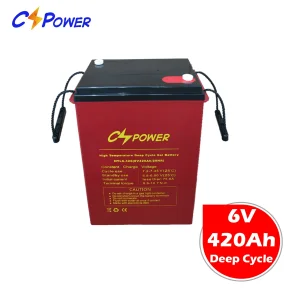
The solar battery charger industry is transitioning from lead-acid architectures (like AGM/Gel) to Lithium Iron Phosphate (LiFePO4) due to cycle life and stability. While traditional gel batteries, such as our maintenance-free deep cycle high-temperature lines, remain essential for budget-conscious remote deployments, LiFePO4 cells are preferred for high-cycle demands. Integrating intelligent, dual-directional multi-phase MPPT chargers ensures these batteries charge safely without thermal runaway or accelerated grid degradation.
Every commercial energy project must comply with regional grid codes, net metering standards, and safety certifications. A reliable manufacturer must guarantee international conformity—such as UL certification for North America, CE marking for Europe, and UN38.3 compliance for lithium battery shipping. We ensure all inverters and storage systems are strictly tested, minimizing onsite commissioning delays and assuring local utility approval.
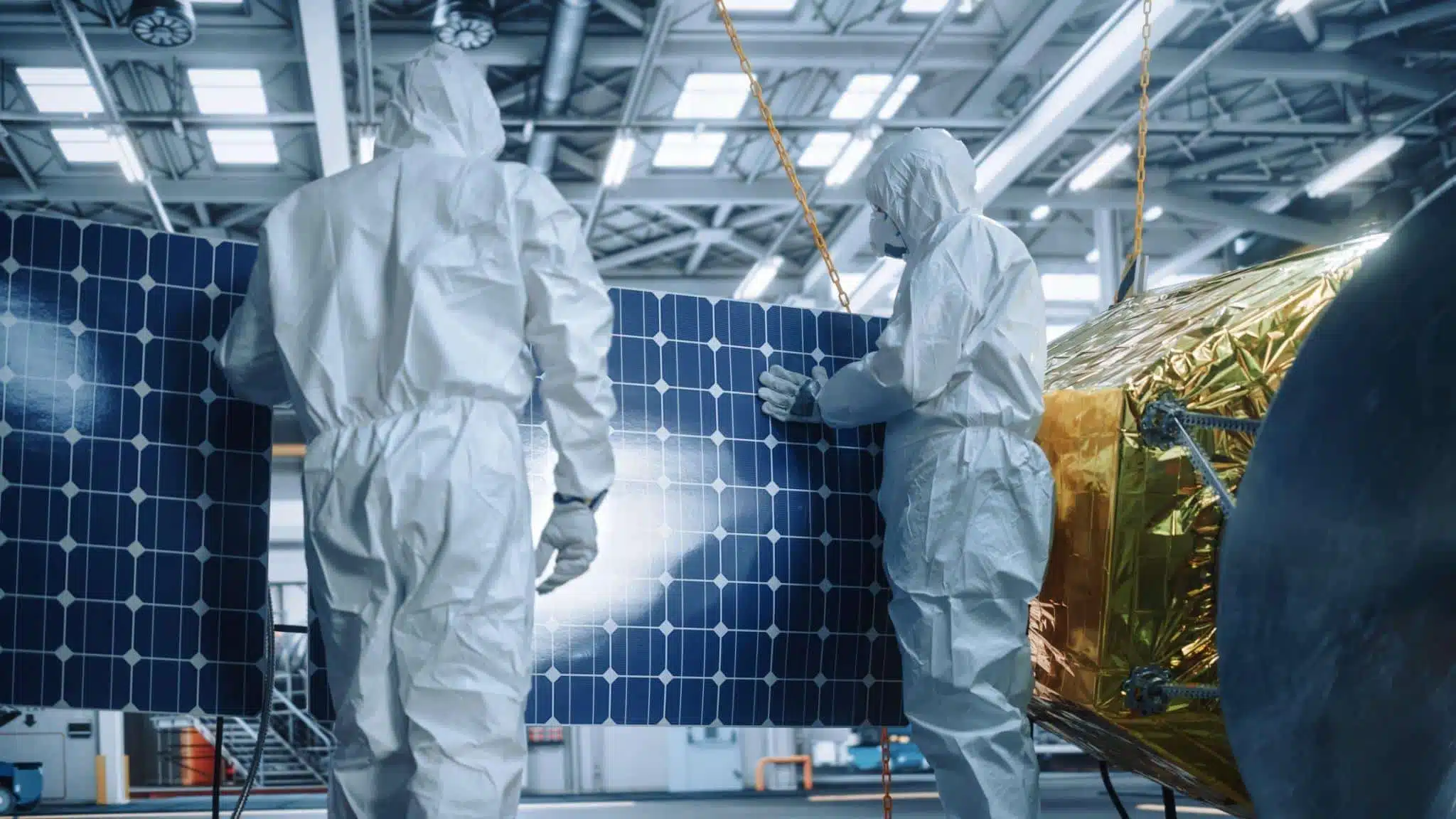
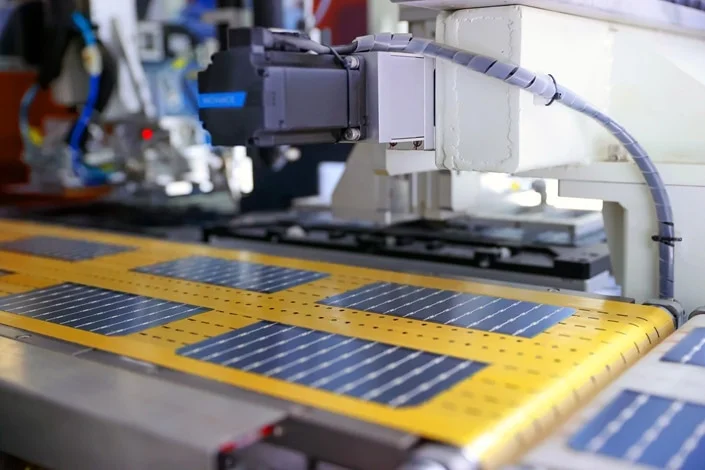
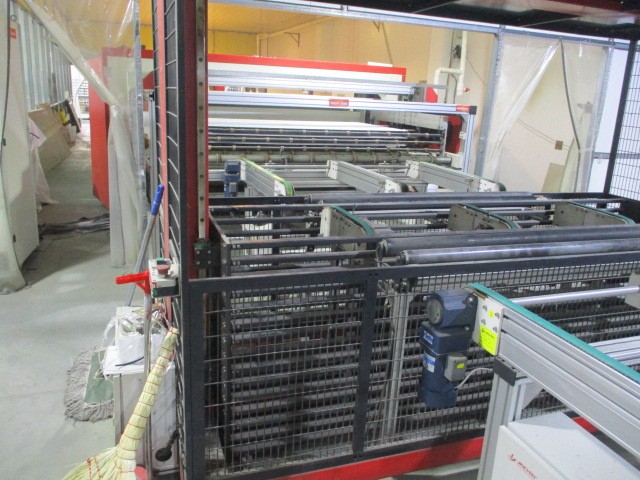
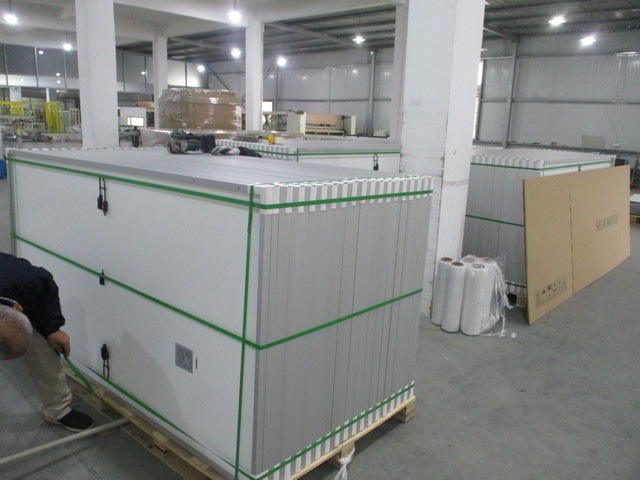
Inside our advanced production lines where high-grade manufacturing standards ensure reliable solar equipment.
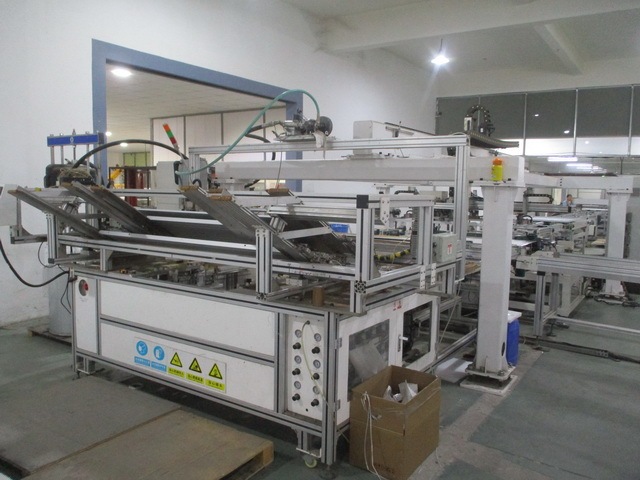
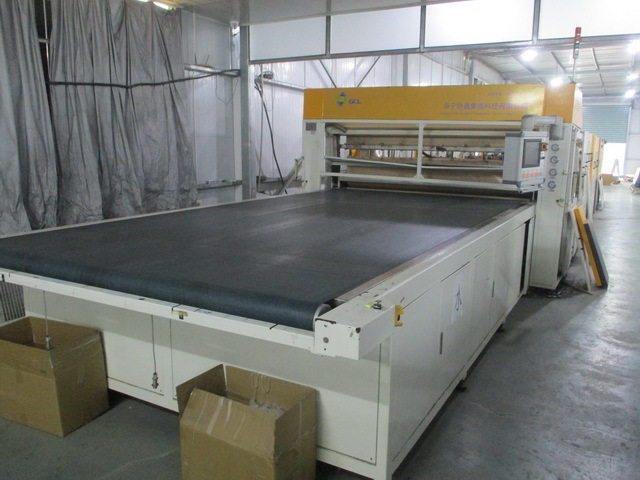
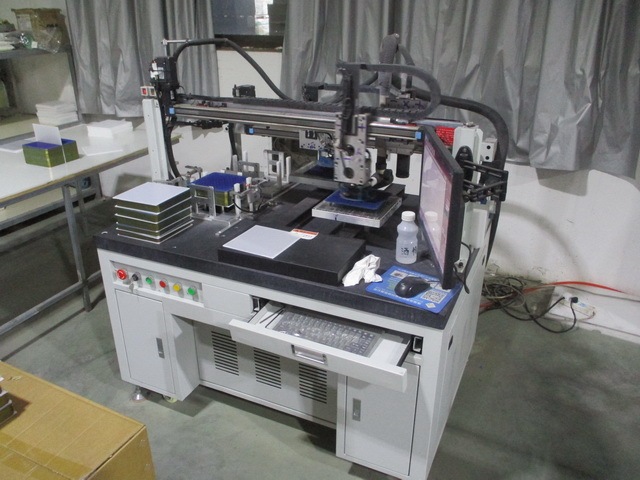
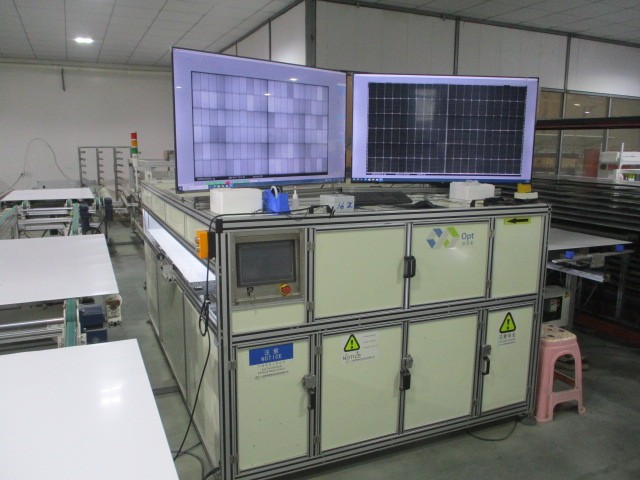
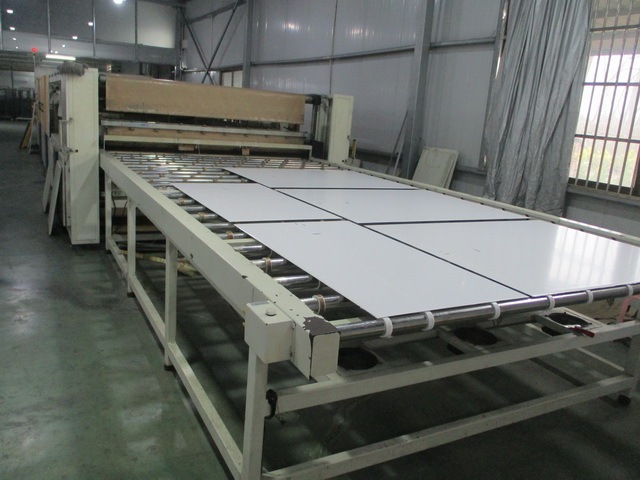
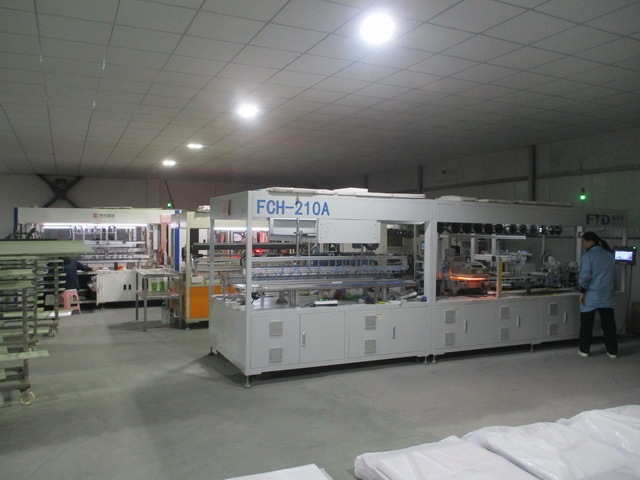
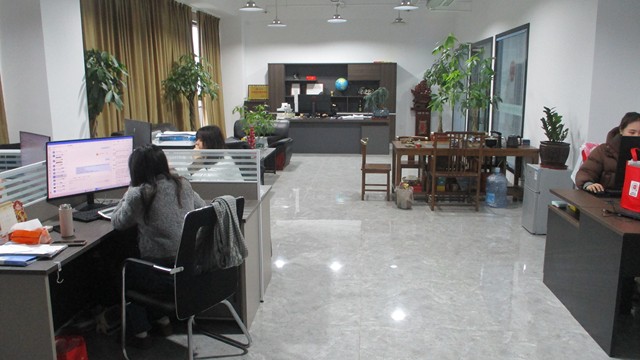
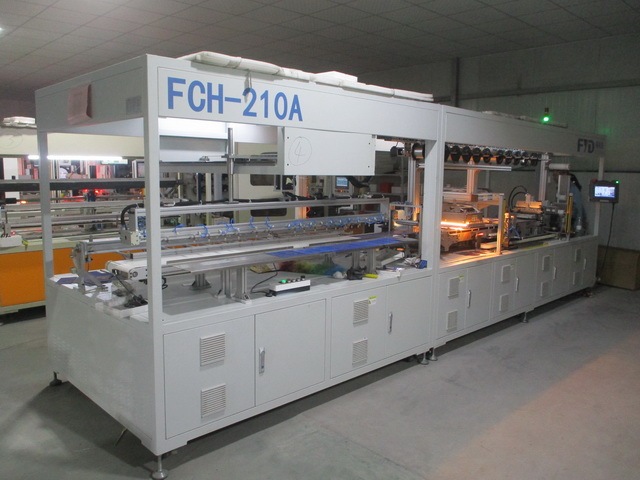
Crucial information for design engineers, procurement specialists, and global system integrators.
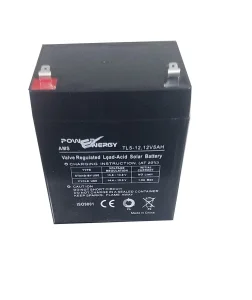
Lithium Iron Phosphate (LiFePO4) systems represent a significant upgrade, offering up to 6,000 cycles at 80% Depth of Discharge (DoD) before capacity drops to 80% of its original state. In contrast, Sealed Lead Acid (SLA) or deep-cycle Gel systems typically offer 500 to 1,500 cycles. Although lead-acid systems require lower initial investments, lithium systems provide a lower Levelized Cost of Storage (LCOS) over time, as they require no routine maintenance and offer higher round-trip conversion efficiencies.
Dust, humidity, and atmospheric saline are main causes of early inverter failure. Our anti-dust single-phase string inverters isolate sensitive electronics from incoming airflow. They use external heatsinks and dual-chamber designs to prevent dust accumulation on circuits, reducing thermal degradation and preventing short circuits.
Yes. Our wall-mounted smart balcony battery systems and household energy storage walls are modular. If energy demand increases, additional battery packs can be added in parallel (expanding up to 15 units). The master battery management system (BMS) automatically auto-balances charging states and currents across all modules.
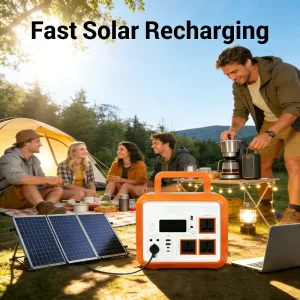
Because lithium batteries are classified as Class 9 dangerous goods, compliance is mandatory. Power stations must possess UN38.3 certification for transport, MSDS documentation, and compliance with CE, FCC, or UL1973/UL1741, depending on the target region. These certifications guarantee that products can navigate customs smoothly and qualify for local microgrid installations.
High-frequency conversion allows for smaller transformer dimensions, reducing the weight and footprint of the system. This is crucial for balcony solar setups and micro-inverter applications. Although low-frequency options handle surge currents better, high-frequency designs deliver high efficiency and cost-effective distribution for home installations.
Commercial carports maximize existing land use by turning open parking lots into clean energy generators. A 1MW solar carport system offsets peak grid energy rates, shelters company fleets, and serves as an on-site EV fast-charging hub. This enables commercial entities to lower operational overheads and meet corporate sustainability mandates.
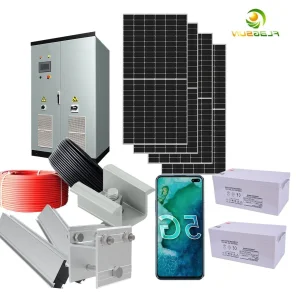
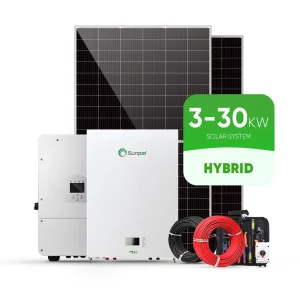
Complete your microgrid solution with our high-output bifacial modules, hybrid inverters, and emergency backup power stations.
 Smart Energy