Smart Energy
The Strategic Evolution of Solar Energy in Cameroon
Cameroon, a nation with significant solar potential, stands at a critical juncture in its energy transition. As the industrial and commercial sectors expand, the reliability of the grid becomes paramount. Bifacial solar technology—which captures sunlight on both the front and rear sides—is not just a trend; it is the optimal engineering solution for the diverse climatic conditions found in the Douala coastal regions and the high-irradiance northern territories.
Industrial Energy Independence
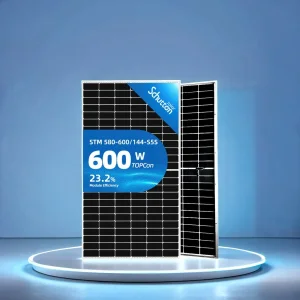
For Cameroon's mining, agriculture, and manufacturing sectors, the cost of diesel generation is prohibitive. Bifacial N-Type TOPCon modules offer a lower Levelized Cost of Electricity (LCOE), ensuring that commercial operations remain profitable while reducing carbon footprints.
Technical Roadmap: Why Bifacial for Cameroon?
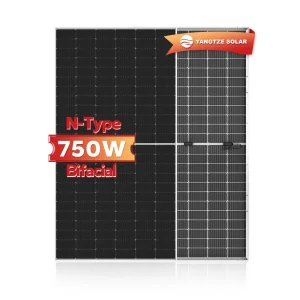
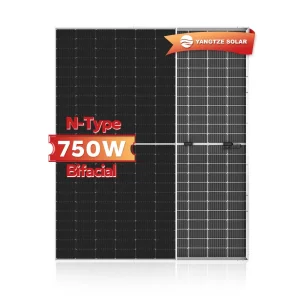
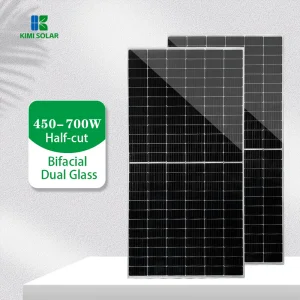
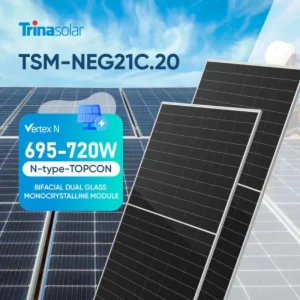
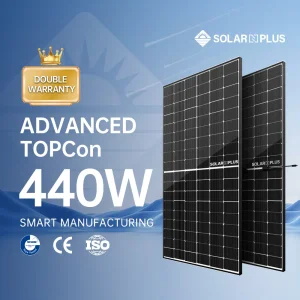
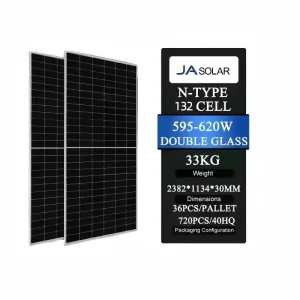
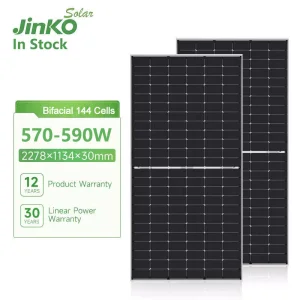
Unlike traditional monofacial panels, bifacial panels utilize the "albedo effect" (reflected light). In Cameroon, where sandy terrains in the north or reflective rooftops in industrial zones are common, bifacial modules can boost energy yields by up to 25%. Our solutions integrate N-Type TOPCon technology, which provides superior temperature coefficients, meaning the panels perform better in Cameroon's high-heat environments compared to standard PERC cells.
Global Enterprise Procurement Trends
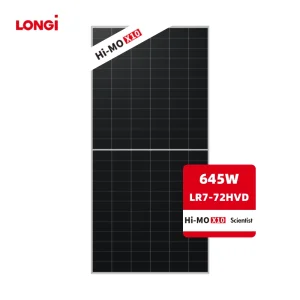
Global Tier-1 suppliers are increasingly pivoting toward high-wattage modules (600W+). Enterprises in Cameroon should prioritize:
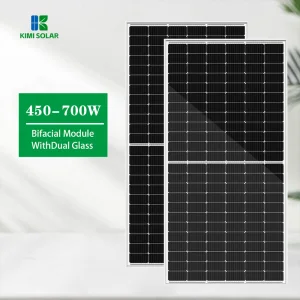
- Durability: Double-glass construction ensures resistance to high humidity and salt mist (coastal protection).
- Warranty: 25-30 year power output warranties are the industry standard for bankable projects.
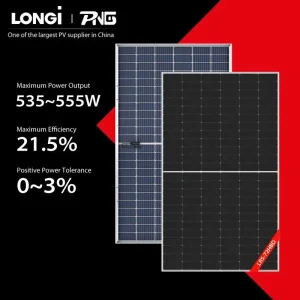
- Supply Chain Transparency: Working with direct factory partners ensures authentic Tier-1 panels (Jinko, Longi, Trina) rather than substandard grade-B clones.
Localization and Compliance
Successful deployment in Cameroon requires more than just shipping panels. It requires compliance with local electrification standards and customs regulations. Hangzhou Smart Energy provides:
- Technical Documentation: IEC/UL certification copies for customs clearance.
- System Integration Support: Designing the solar-plus-storage architecture tailored to the local grid fluctuations (ENEO/SONEL challenges).
- Logistics Efficiency: Optimized container loading (e.g., 740pcs per 40HQ) to maximize shipping density and reduce cost-per-watt.