The global shift toward carbon neutrality has accelerated the demand for integrated solar lighting and power systems. As a leading hub for PV innovation, China's manufacturers are no longer just component suppliers; they are architects of complete energy ecosystems. From high-efficiency monocrystalline modules to sophisticated AI-driven energy management systems, the industry is redefining how we generate and store power.
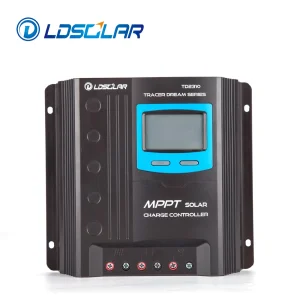
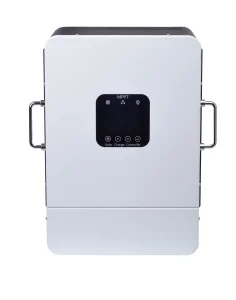
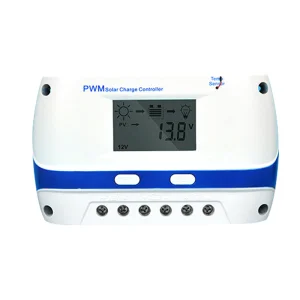
Modern solar systems focus on reducing the Levelized Cost of Energy (LCOE). By integrating high-cycle LiFePO4 batteries and MPPT (Maximum Power Point Tracking) controllers, manufacturers like Hangzhou Smart Energy Co., Ltd. enable a ROI (Return on Investment) timeline that has dropped significantly over the last 36 months.
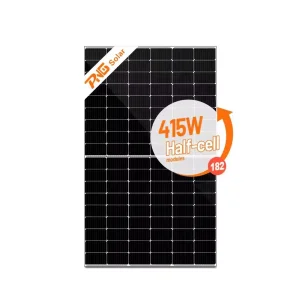
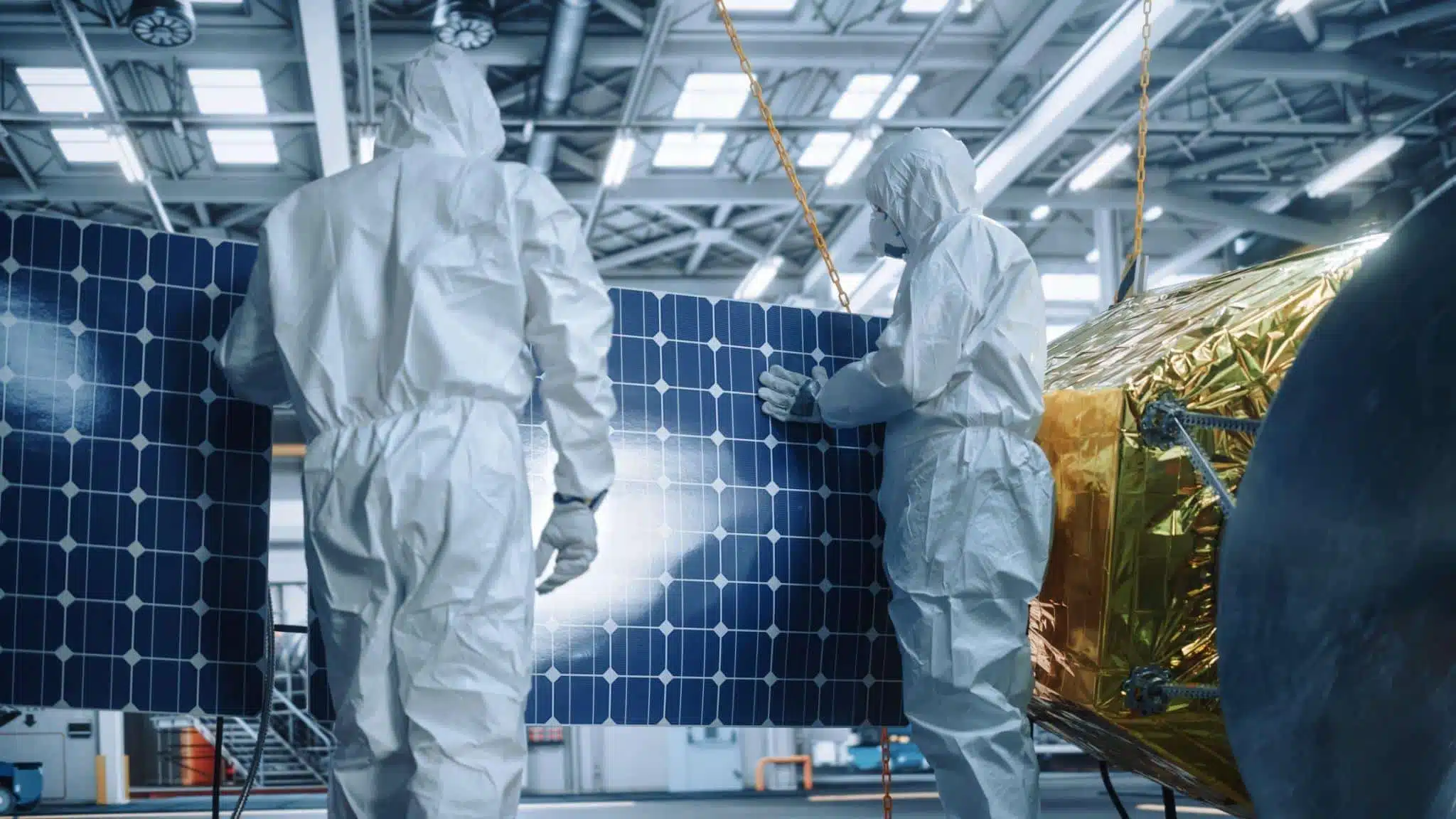
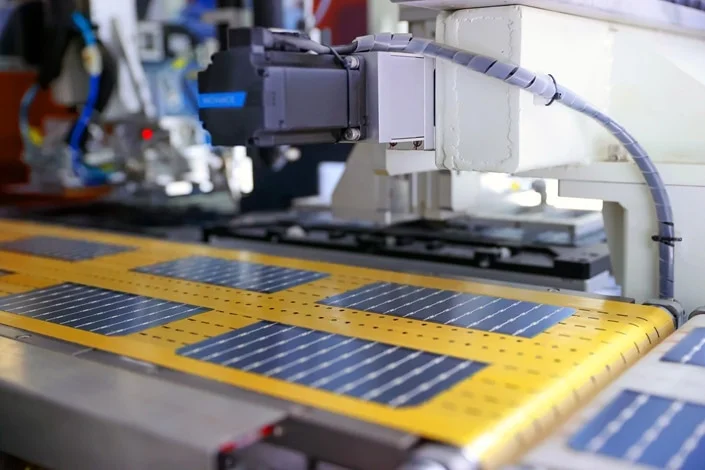
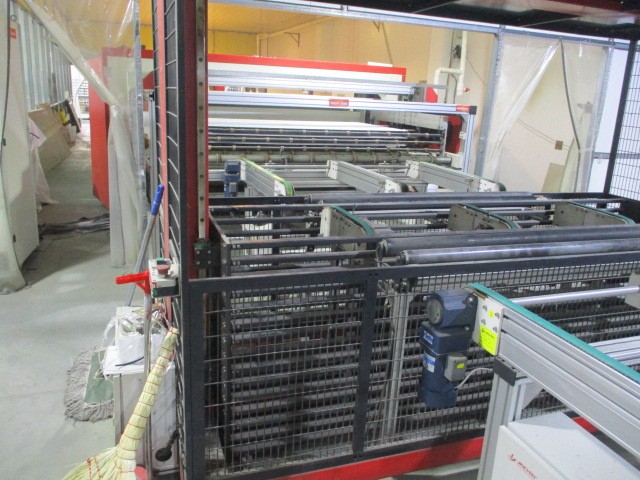
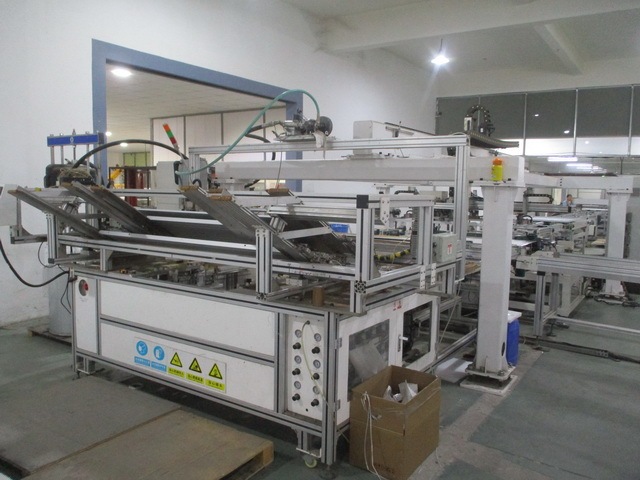
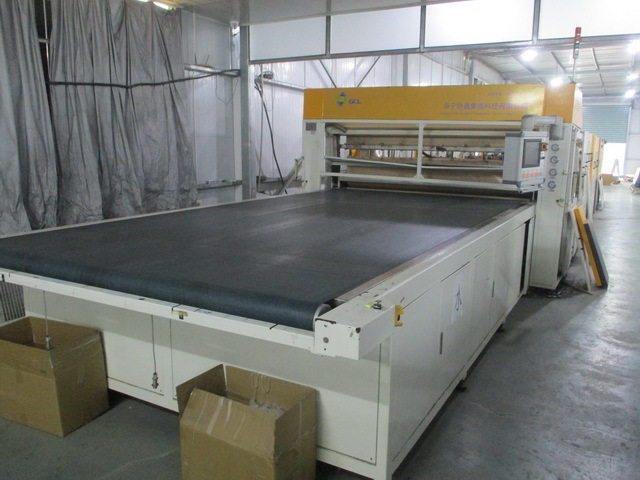
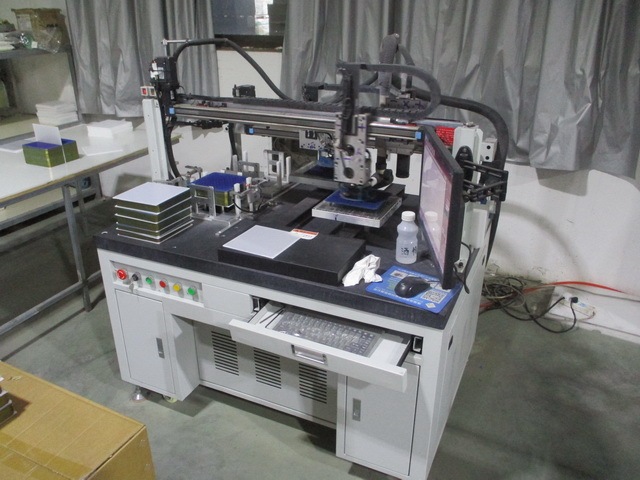
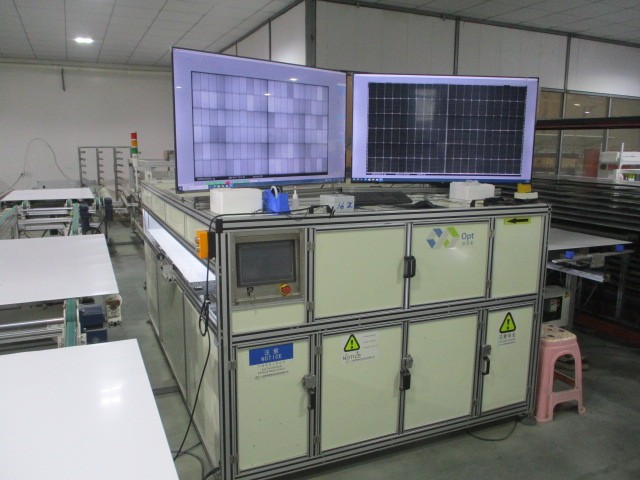
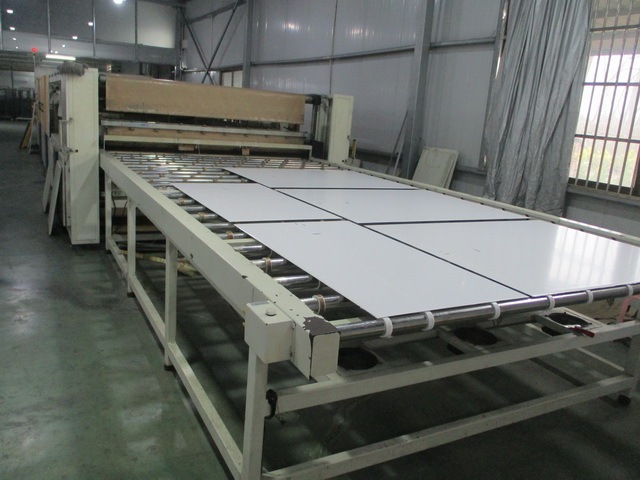
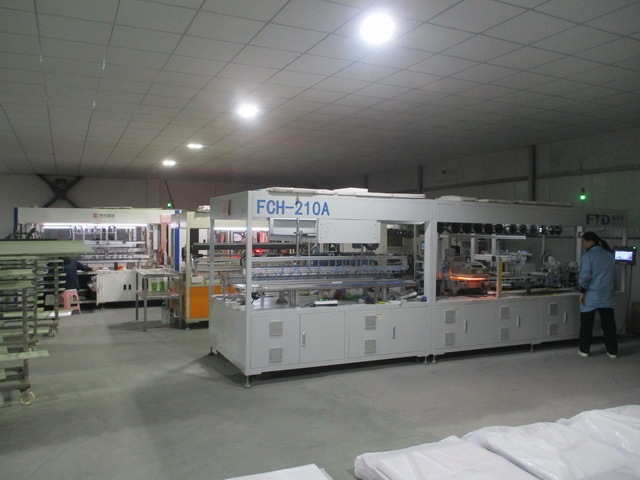
Advanced manufacturing facilities in China utilize Industry 4.0 standards. Robotic assembly lines for half-cut cell modules and automated testing for deep-cycle gel batteries ensure that every product meets rigorous IEC and CE certifications, essential for global commercial adoption.
Leading the Charge in Professional Solar Power Supply
Hangzhou Smart Energy Co., Ltd. is a professional solar power system supplier based in Hangzhou, China, dedicated to delivering efficient and sustainable energy solutions for global customers. The company specializes in the design, manufacturing, and integration of residential, commercial, and hybrid energy storage systems, helping users achieve energy independence and reduce electricity costs.
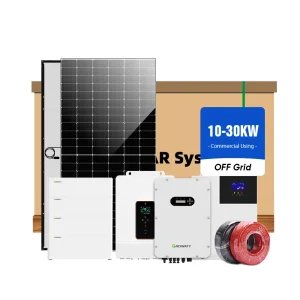
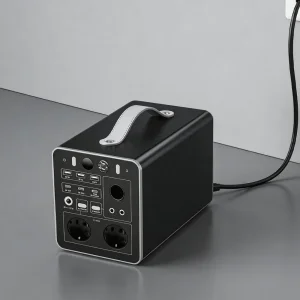
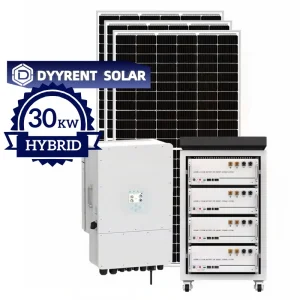
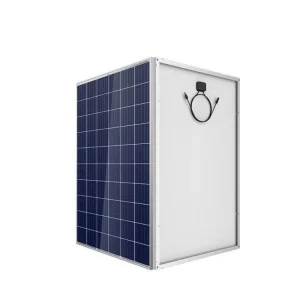
With a comprehensive product portfolio, Smart Energy offers high-performance solar panels, advanced inverters, and reliable battery storage systems, all engineered to ensure optimal efficiency and long-term durability. Its solutions are widely applied in homes, commercial facilities, industrial projects, and off-grid applications, adapting to diverse energy demands and environmental conditions.
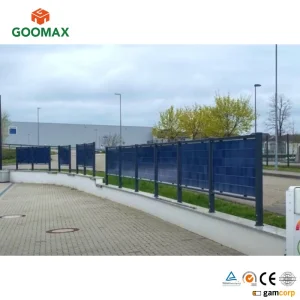
Solar lighting systems are the backbone of modern smart cities. Integrating IoT sensors allows for adaptive brightness, real-time fault monitoring, and data collection, reducing municipal maintenance costs by up to 40%.
Vertical solar solutions for farms maximize land use. By providing shade for crops while generating electricity for irrigation systems, Agri-PV represents the frontier of sustainable land management.
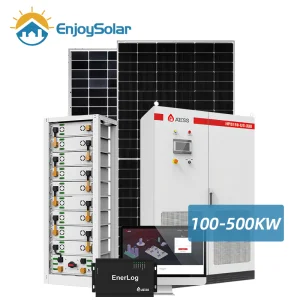
Industrial parks are increasingly adopting hybrid systems. These systems allow for peak-shaving, ensuring that expensive peak-hour grid electricity is replaced by stored solar energy.
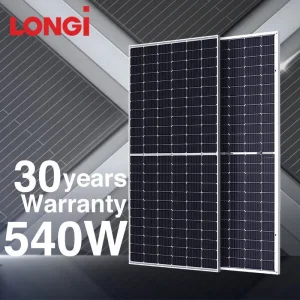
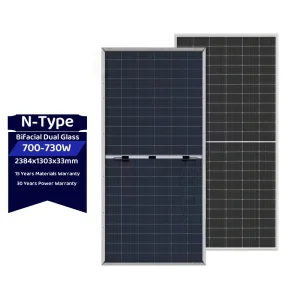
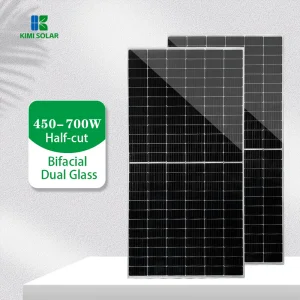
The transition from P-type to N-type TOPCon and HJT (Heterojunction Technology) cells is driving efficiency towards the 25% threshold. Bifacial solar panels, which capture light from both sides, are becoming the standard for utility-scale projects.
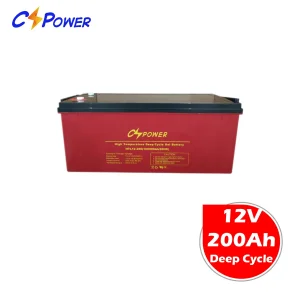
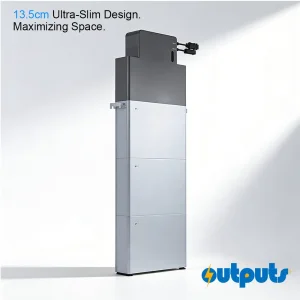
Solid-state batteries and high-density LiFePO4 packs are replacing traditional lead-acid configurations. With BMS (Battery Management Systems) that offer cloud-based health monitoring, the lifespan of industrial storage now exceeds 10-15 years.
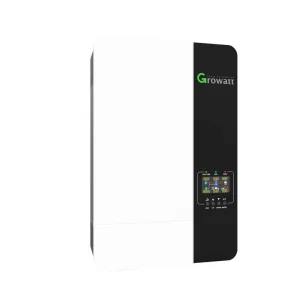
Hybrid inverters now feature seamless grid-switching (less than 10ms), protecting sensitive industrial equipment from brownouts and surges.
Predictive analytics for weather patterns and load consumption optimize discharge cycles, ensuring the highest possible efficiency and longevity of the system hardware.
For global procurement, compliance is non-negotiable. China's top manufacturers provide comprehensive documentation to meet regional standards.
Electrotechnical Standard
EU Safety Compliance
North American Testing
Environmental Safety
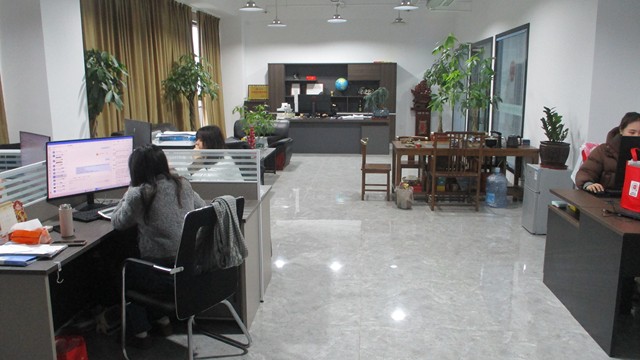
Driven by innovation and quality, Hangzhou Smart Energy utilizes modern production technologies and strict quality control processes to meet international standards. Its experienced engineering team provides customized system design, technical support, and turnkey project solutions tailored to client requirements. By combining smart energy management with scalable solar technologies, the company empowers customers to build greener, more efficient, and future-ready power systems.
 Smart Energy