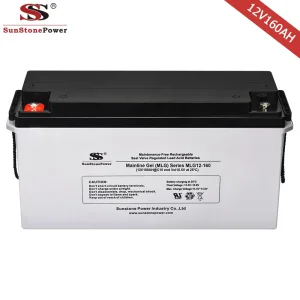
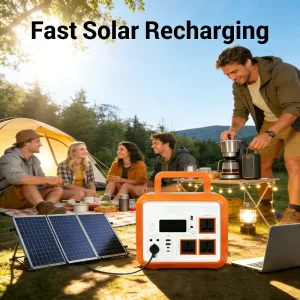
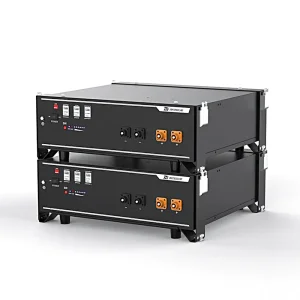
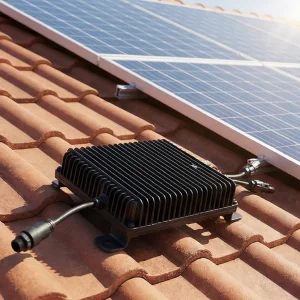
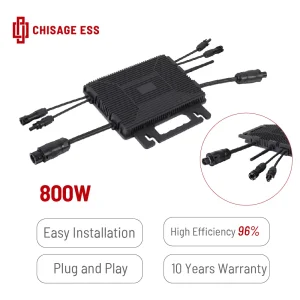
High-Efficiency Core Modular Power Components
Hangzhou Smart Energy Co., Ltd. - Leading the Solar EV Charger Integration
Hangzhou Smart Energy Co., Ltd. is a professional solar power system supplier based in Hangzhou, China, dedicated to delivering efficient and sustainable energy solutions for global customers. The company specializes in the design, manufacturing, and integration of residential, commercial, and hybrid energy storage systems, helping users achieve energy independence and reduce electricity costs.
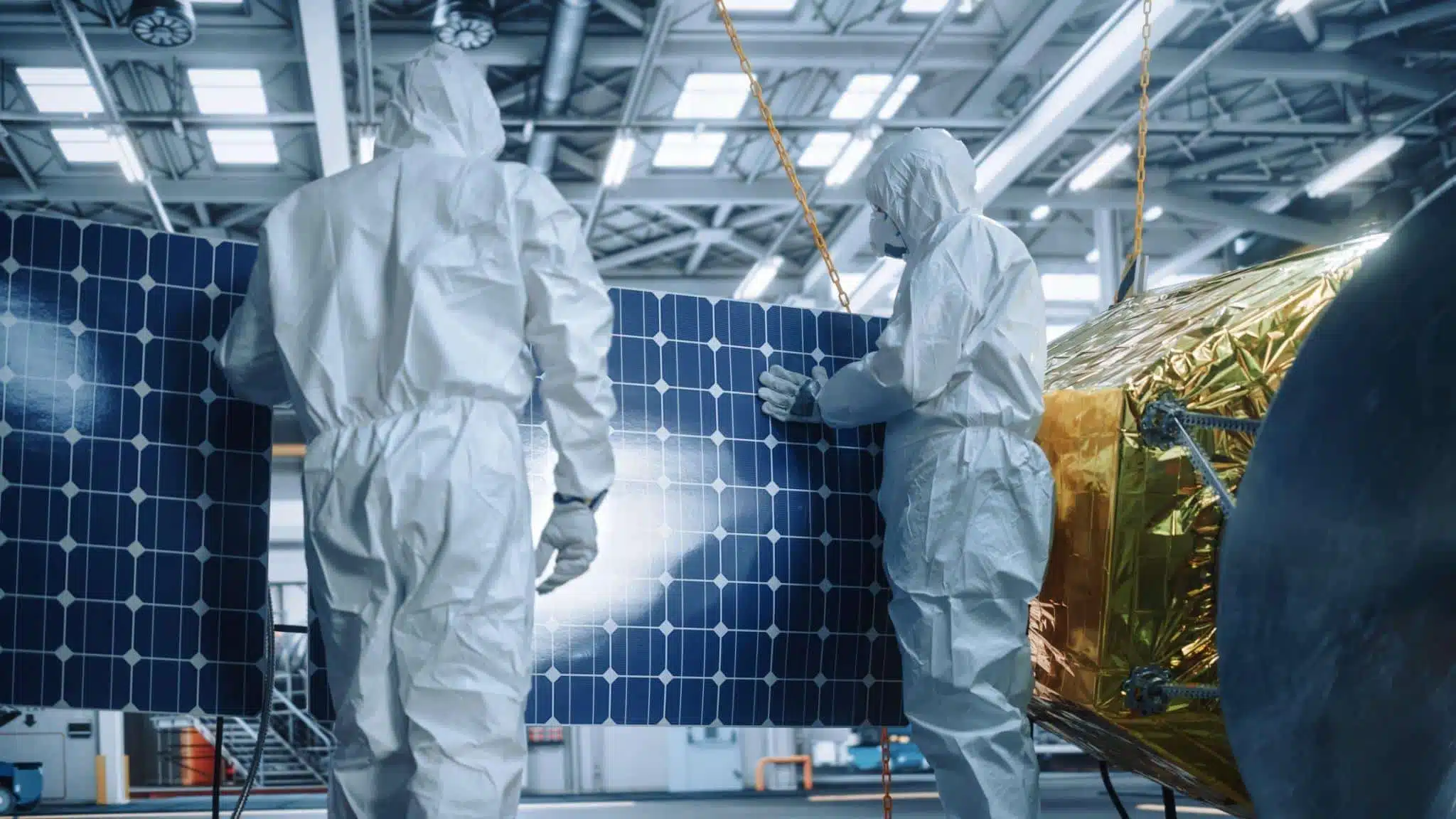
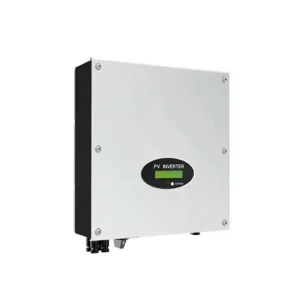
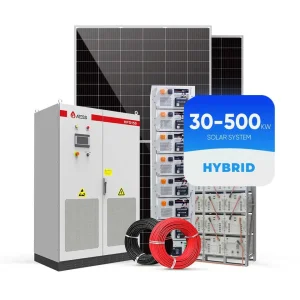
With a comprehensive product portfolio, Smart Energy offers high-performance solar panels, advanced inverters, and reliable battery storage systems, all engineered to ensure optimal efficiency and long-term durability. Its solutions are widely applied in homes, commercial facilities, industrial projects, and off-grid applications, adapting to diverse energy demands and environmental conditions.
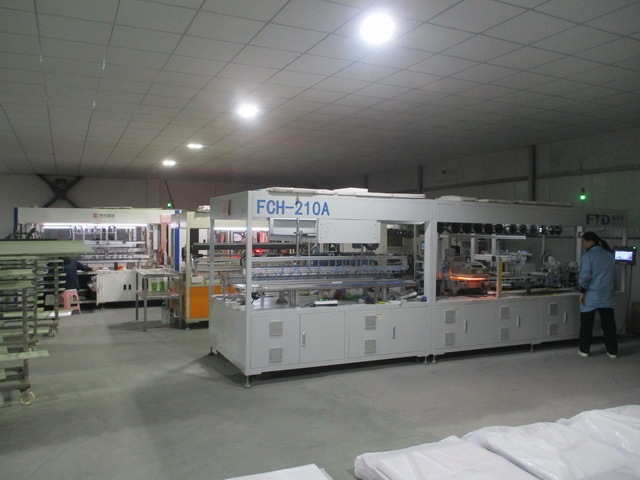
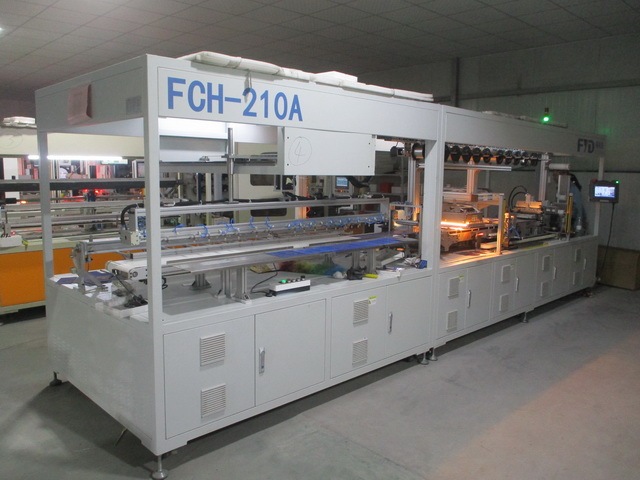
Driven by innovation and quality, the company utilizes modern production technologies and strict quality control processes to meet international standards. Its experienced engineering team provides customized system design, technical support, and turnkey project solutions tailored to client requirements.
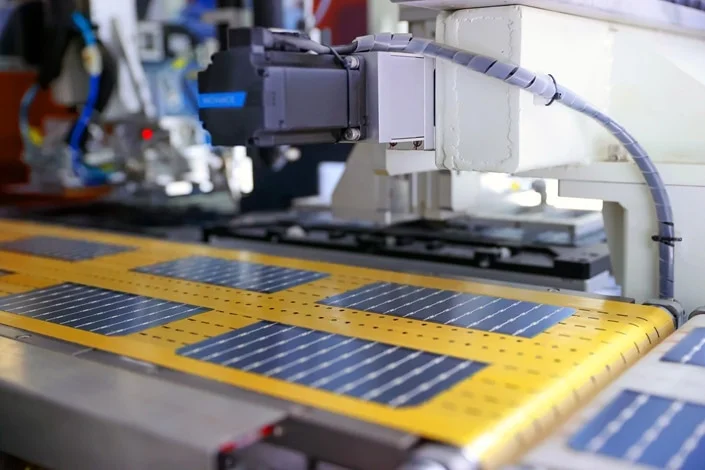
Hangzhou Smart Energy is committed to promoting clean energy adoption worldwide. By combining smart energy management with scalable solar technologies, the company empowers customers to build greener, more efficient, and future-ready power systems.
Decentralized Power Infrastructure Tailored for Distinctive Environmental Needs
The deployment of Solar-powered Electric Vehicle Chargers relies heavily on local microclimate trends, grid architectures, and utility tariffs. As leading OEM/ODM manufacturers in China, factories now engineer tailor-made topologies that deliver resilience across diverse global conditions:
In mature markets such as Western Europe and Australia, residential solar EV chargers are no longer standalone units. Modern systems utilize dynamic load management (DLM) to communicate with home Energy Storage Systems (ESS), balancing rooftop photovoltaic production. When home generation spikes, surplus energy directs straight to the EV battery, avoiding low-tariff grid injection and maximizing self-consumption.
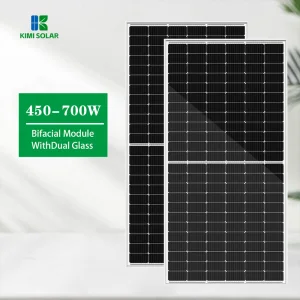
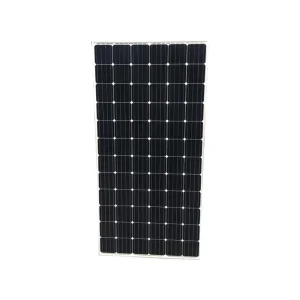
For enterprise facilities, offices, and logistics parks, a solar EV charging carport serves a double purpose. It shades vehicles while utilizing high-capacity bifacial double-glass solar modules to generate power. When integrated with localized industrial battery cabinets, these stations perform "peak-shaving"—discharging stored green energy during high tariff hours to power vehicles, avoiding heavy demand surcharges from local utilities.
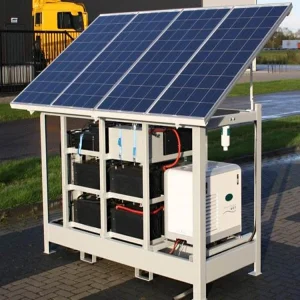
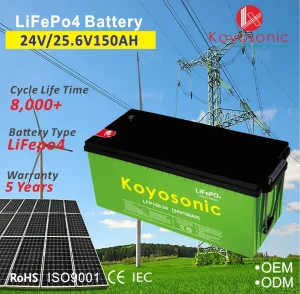
In remote mining zones, agricultural operations, and distant tourist resorts where utility grid connection is either impossible or financially prohibitive, off-grid solar-storage-charger hubs are critical. These rely on large LiFePO4 battery banks (typically 48V or high-voltage modular systems) paired with heavy-duty off-grid smart inverters to sustain high-power DC fast-charging outputs overnight.
Pushing the Frontiers of Wide-Bandgap Semiconductors and Bidirectional Charging
China's top solar EV charger manufacturers are heavily investing in Research & Development to bridge the gap between traditional power electronics and futuristic smart-grid nodes. The core developmental roadmap focuses on three crucial pillars:
Transitioning from traditional Silicon IGBTs to Silicon Carbide (SiC) MOSFETs in DC fast charging modules. This technology reduces thermal losses by up to 50%, enabling ultra-compact designs and higher operational efficiency exceeding 97.5%.
Enabling EV batteries to act as mobile decentralized energy storage nodes. When utility demands peak, domestic or industrial EV chargers pull power back from the car to support local load balancing, governed by ISO 15118-20 communications.
Integrating cloud-based predictive machine learning algorithms. By analyzing historical weather forecasts, local grid congestion, and driving patterns, the solar-assisted charger determines the absolute cheapest, lowest-carbon instant to charge the vehicle.
Why Industrial Clusterization Drives Competitiveness and Superior Quality
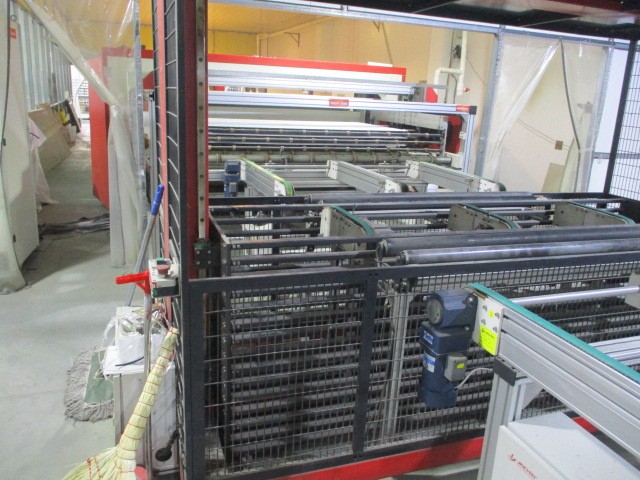
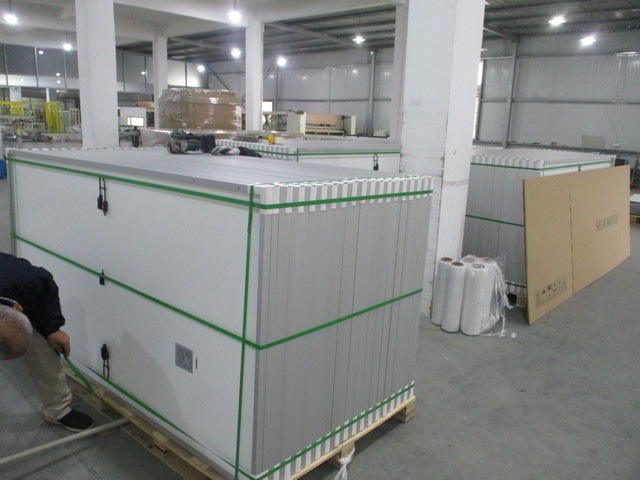
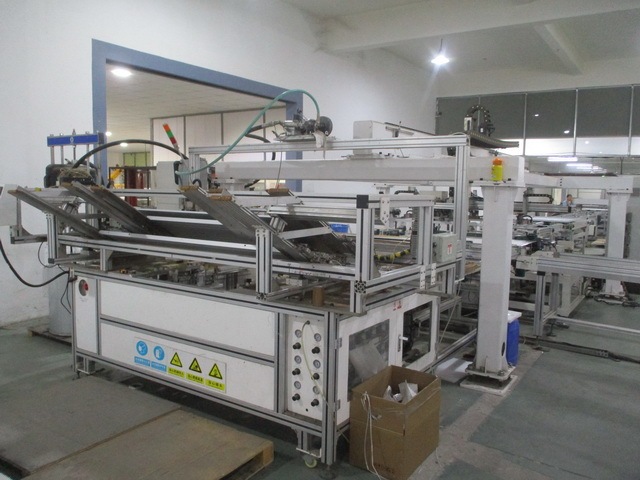
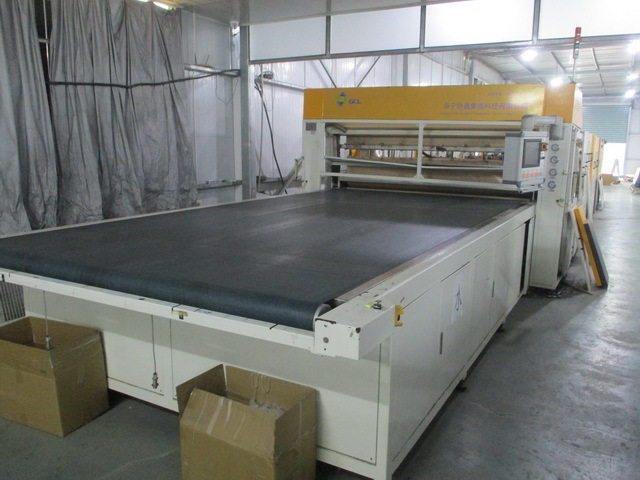
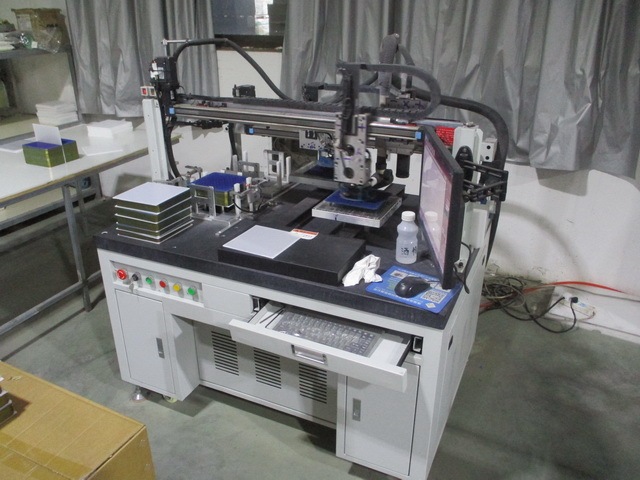
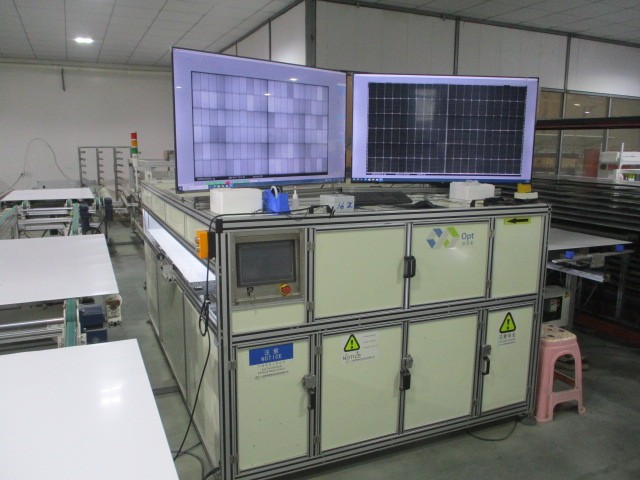
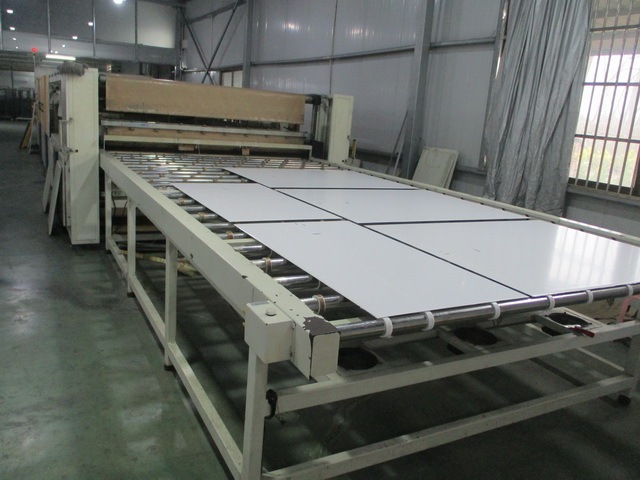
The manufacturing ecosystem in regions like Zhejiang and Jiangsu provides unmatched competitive advantages for global distributors and project developers. China’s leadership in the solar electric vehicle charger space is built upon structural and technological supply chain strengths:

Meeting Stringent Safety and Interoperability Standards Worldwide
Navigating regional grid compliance is one of the biggest hurdles when deploying solar EV charging stations. Manufacturers must strictly engineer products to meet localized technical codes and safety requirements:
Additionally, global partnerships with localized engineering firms and EPC contractors allow for prompt dispatch of spare parts, onsite technical training, and remote diagnostic assistance via API integrations.
Answers to Common Inquiries from Engineers, Distributors, and Developers
High-Efficiency Photovoltaic Modules & Smart Grid-Tie Infrastructure
 Smart Energy