High-efficiency solar solutions engineered for maximum yield, robust reliability, and optimized LCOE across global commercial and residential applications.
Navigating the zero-carbon transition through next-generation semiconductor physics, Tier-1 manufacturing excellence, and optimized Levelized Cost of Energy (LCOE).
Modern utility-scale and commercial PV installations demand sub-linear operational expenditures and maximum photon-to-electron conversion efficiencies. By integrating N-Type TOPCon and Heterojunction (HJT) cell architectures, global project developers achieve up to 3.5% higher power yield per watt compared to legacy PERC modules, driving Levelized Cost of Energy (LCOE) down to historically unprecedented levels across all climate zones.
As renewable penetration accelerates globally, power grids require localized reactive power compensation, smart voltage regulation, and rapid frequency response. China's top photovoltaic exporters lead the integration of advanced smart split-phase hybrid inverters and grid-forming energy storage systems that stabilize regional distribution networks under fluctuating irradiance profiles.
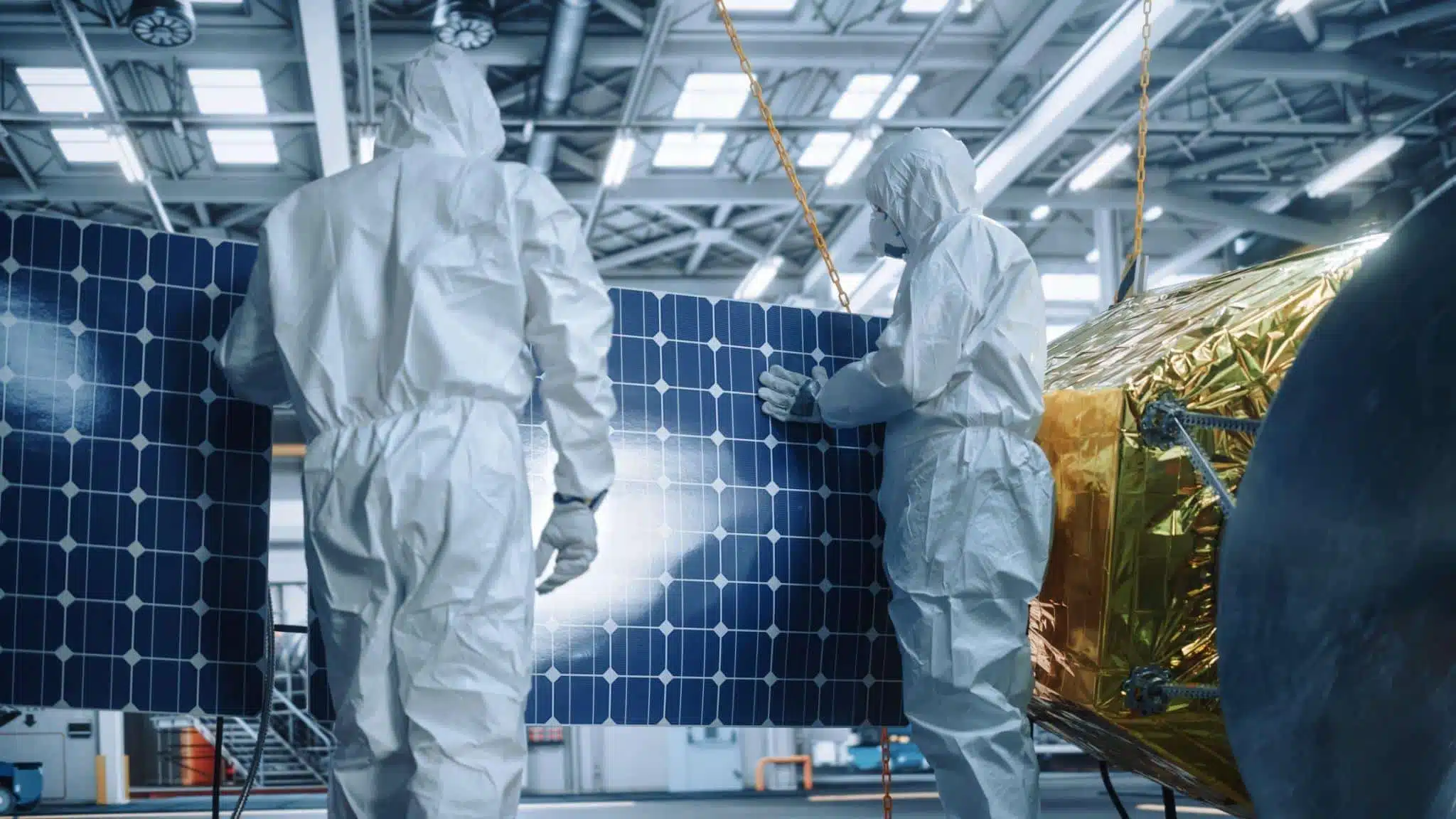
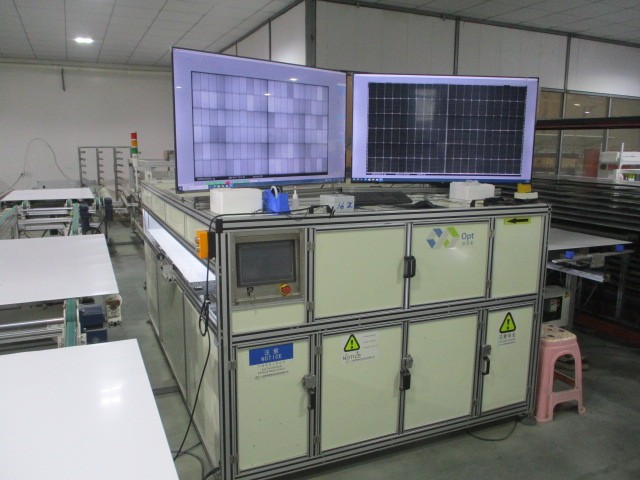
International B2B solar buyers face strict ESG reporting standards, environmental footprints, and traceability mandates. Modern Chinese supply chains enforce full lifecycle carbon tracking, non-destructive laser cutting, lead-free encapsulation options, and automated electroluminescence (EL) defect scanning to deliver fully compliant PV hardware to North American, EU, LATAM, and MENA markets.
Technical Insight: Silicon wafer technology has shifted rapidly toward 182mm (M10) and 210mm (G12) ultra-large formats. When paired with multi-busbar (MBB) or zero-busbar (0BB) interconnects, internal resistance losses drop by over 15%, delivering module conversion efficiencies exceeding 22.8% to 23.5% for mass production batches.
An authoritative analysis of silicon wafer dynamics, cell junction structures, temperature coefficients, and degradation curves for Tier-1 engineering decisions.
| Technology Platform | Mass Production Efficiency | Temperature Coeff. (Pmax) | Bifaciality Factor | First-Year Degradation | Optimal Deployment Target |
|---|---|---|---|---|---|
| N-Type TOPCon (Tunnel Oxide Passivated Contact) | 22.5% – 23.2% | -0.30% / °C | 80% – 85% | < 1.0% | C&I Rooftops, Utility Scale, High-Temperature Environments |
| Heterojunction (HJT) | 23.5% – 24.3% | -0.26% / °C | 85% – 95% | < 1.0% | High-Irradiance Utility, Snow/Reflective Surfaces, Microgrids |
| Mono PERC (Passivated Emitter Rear Cell) | 21.2% – 21.8% | -0.35% / °C | 70% – 75% | < 2.0% | Cost-Sensitive Residential, Standard Distributed Generation |
| Perovskite-Silicon Tandem (Emerging Roadmap) | 26.5% – 28.5% (Lab >33%) | -0.22% / °C | 80% – 90% | Under Standardization | Next-Gen Ultra-High Efficiency Urban & Space Applications |
*Note: Bifacial performance benefits depend directly on surface albedo (e.g., snow ground cover yields up to 30% additional backside gain, white gravel yields 15-20%, while dark soil yields 5-8%).
Hangzhou Smart Energy Co., Ltd. is a professional solar power system supplier based in Hangzhou, China, dedicated to delivering efficient and sustainable energy solutions for global customers. The company specializes in the design, manufacturing, and integration of residential, commercial, and hybrid energy storage systems, helping users achieve energy independence and reduce electricity costs.
With a comprehensive product portfolio, Smart Energy offers high-performance solar panels, advanced inverters, and reliable battery storage systems, all engineered to ensure optimal efficiency and long-term durability. Its solutions are widely applied in homes, commercial facilities, industrial projects, and off-grid applications, adapting to diverse energy demands and environmental conditions.
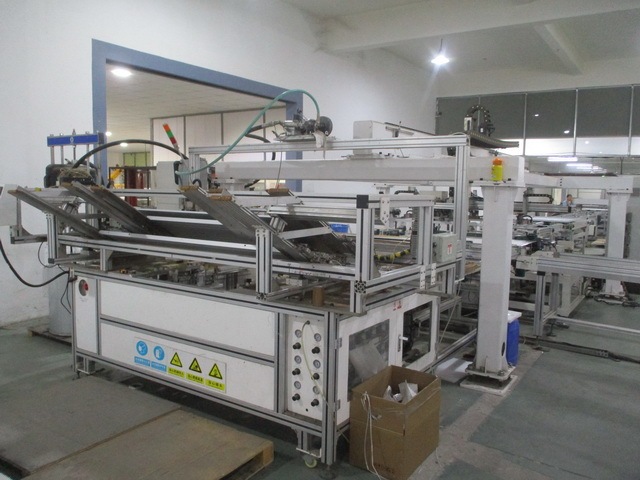
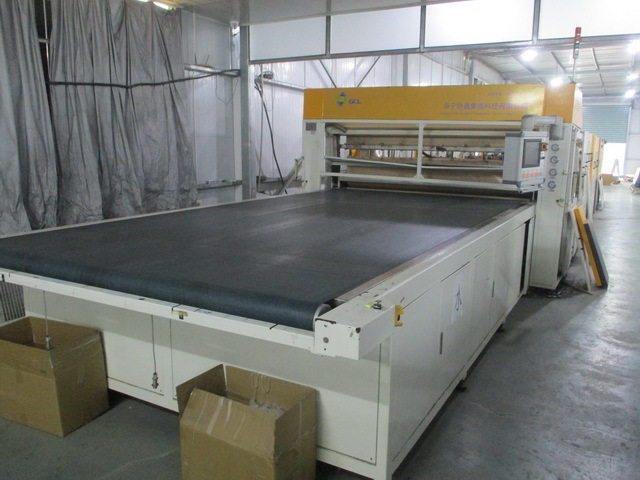
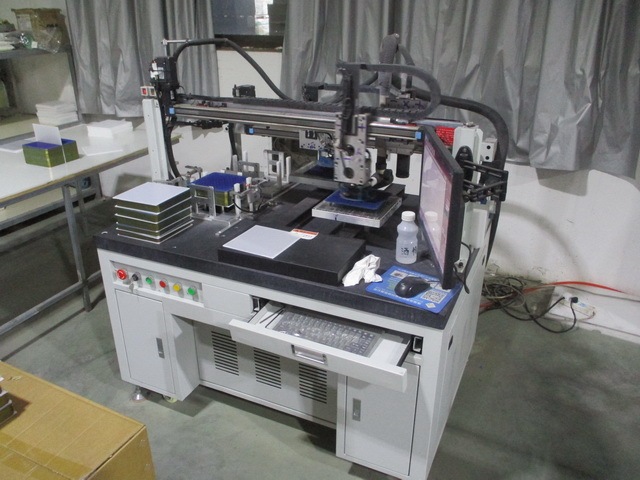
Driven by innovation and quality, the company utilizes modern production technologies and strict quality control processes to meet international standards. Its experienced engineering team provides customized system design, technical support, and turnkey project solutions tailored to client requirements.
Hangzhou Smart Energy is committed to promoting clean energy adoption worldwide. By combining smart energy management with scalable solar technologies, the company empowers customers to build greener, more efficient, and future-ready power systems.
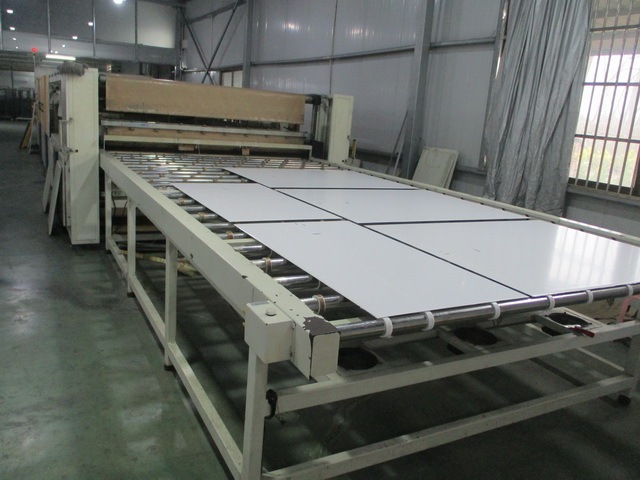
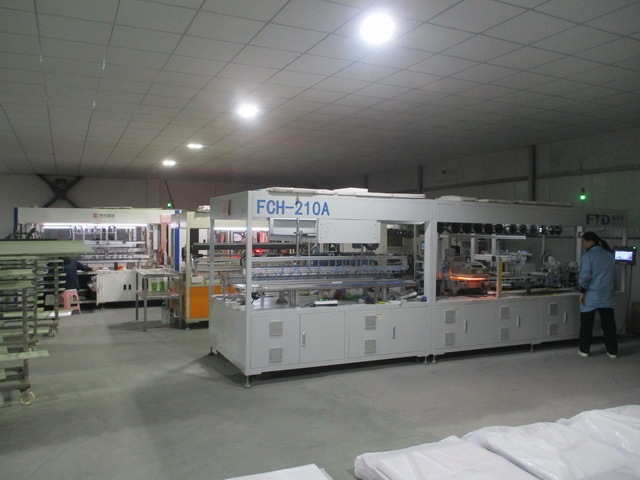

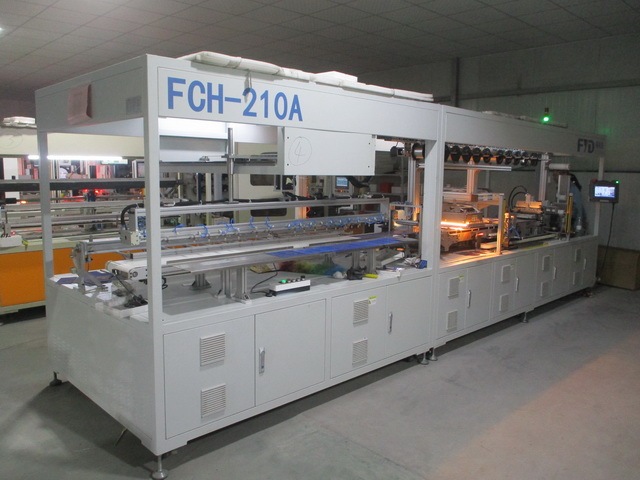
Demonstrated scale and performance parameters powering utility, industrial, and residential deployments worldwide.
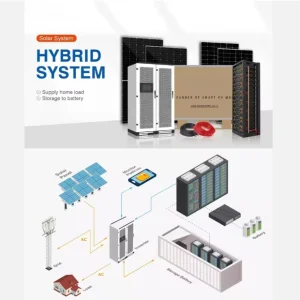
Unlocking dynamic peak shaving, self-consumption optimization, and resilient back-up power for modern infrastructure.
Modern commercial energy storage systems rely strictly on LiFePO4 chemistry due to its non-gaseous thermal runaway threshold (>270°C) and superior calendar longevity. With integrated Battery Management Systems (BMS), localized packs achieve up to 6,000 to 8,000 charge cycles at 80% Depth of Discharge (DoD), ensuring over 15 years of uninterrupted peak-shaving operations for factory complexes and logistics hubs.
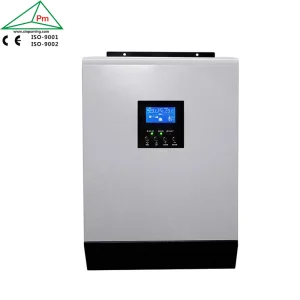
Converting variable DC generation into synchronized AC output requires ultra-responsive digital signal processing (DSP). High-efficiency hybrid inverters (up to 30kW per unit, scalable in parallel up to 300kW) offer seamless off-grid switching speeds under 10 milliseconds, protecting sensitive computing servers, cold storage facilities, and heavy industrial automation equipment against utility blackouts.
Commercial electricity tariffs charge substantial penalties for peak kVA demand spikes. Intelligent Energy Management Systems (EMS) deploy automated AI algorithms to calculate day-ahead weather patterns, energy tariff fluctuations, and internal load profiles, automatically discharging battery reserves during expensive demand windows to minimize monthly utility overheads while generating ancillary grid service revenue.
Engineered to withstand heavy snow loads, coastal salt mist, desert sandstorms, and urban microclimates.
Coastal and offshore floating PV installations face intense salt fog, high humidity, and accelerated corrosion. Modules engineered with dual-glass (glass-glass) encapsulation and anodized aluminum alloy frames (up to 20 microns coating thickness) pass rigorous IEC 61701 Salt Mist Corrosion testing (Severity Level 6), completely sealing solar cells against moisture ingress andPotential Induced Degradation (PID).
Mountainous installations and northern latitudes demand exceptional mechanical load tolerance. Reinforced frame geometry combined with tempered high-transmittance front glass enables modules to withstand static mechanical loads of up to 5400 Pa on the front side (snow pressure) and 2400 Pa on the rear side (wind suction), preventing micro-cracks in solar silicon cells over decades.
In high-desert environments (e.g., Middle East, Atacama Desert), temperatures frequently surpass 45°C, accompanied by heavy sand erosion. Advanced N-Type TOPCon panels feature low temperature coefficients (-0.30%/°C) and anti-soiling, anti-abrasive hydrophobic glass coatings that maintain peak light absorption while facilitating easy automated dry cleaning.
Adhering to international safety, performance, and environmental quality standards for seamless project financing and grid interconnection.
All exported modules and inverters hold full compliance certification with IEC 61215 (crystalline silicon design qualification), IEC 61730 (PV module safety qualification), UL 61730 (North American electrical standard), and CE directives. Comprehensive laboratory stress testing guarantees fire safety (Class A fire rating) and electrical insulation under extreme operating voltages up to 1500V DC.
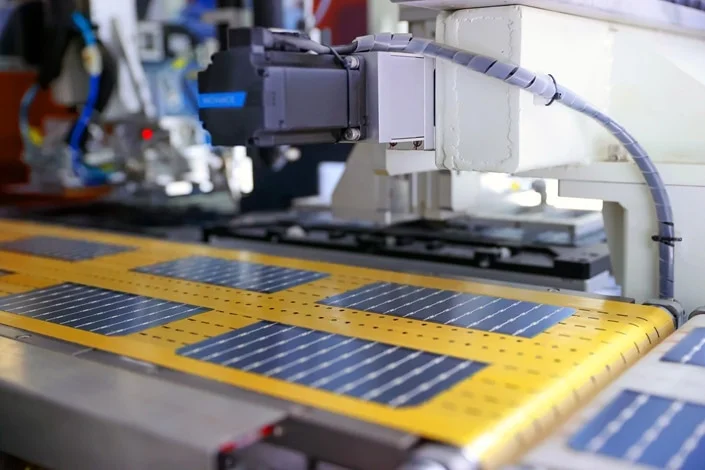
Manufacturing facilities operate strictly under ISO 9001 Quality Management and ISO 14001 Environmental Management Systems. Automated Artificial Intelligence Optical Inspection (AOI) inspects 100% of manufactured cells for micro-fractures, busbar displacement, and ribbon alignment, eliminating human error from the production pipeline.
Inverters comply with regional power authority grid codes including IEEE 1547 (North American interconnection standard), VDE-AR-N 4105 (German low-voltage grid regulation), and EN 50549. Built-in low voltage ride-through (LVRT) and anti-islanding protection ensure safe system disconnection during grid failures while supporting power recovery.
Looking ahead: Perovskite tandem evolution, zero-busbar metallization, and cloud-native AI energy management.
Silicon single-junction efficiency is approaching its theoretical Shockley-Queisser limit (~29.4%). The next technological decade belongs to Perovskite-Silicon tandem modules. By layering wide-bandgap perovskite top cells over silicon bottom cells, commercial panel efficiencies are projected to breach 28% to 30% by 2028, reducing the spatial footprint of utility plants by over 20%.
To reduce precious metal consumption (silver pastings) and improve cell flexibility, zero-busbar (0BB) technology replaces conventional printed silver busbars with micro-mesh wire connections. Paired with ultra-thin silicon wafers (down to 110-120 microns), module manufacturing costs will fall further while increasing flexibility and reducing cell thermal stress.
Future PV plants will operate as self-optimizing IoT nodes. Cloud-based AI algorithms track string-level current-voltage (I-V) curves in real-time, detecting micro-shading, dust accumulation, diode failure, or string mismatch automatically. Maintenance teams receive automated drone dispatch routes and predictive replacement alerts before power loss occurs.
Essential answers for EPC contractors, project developers, and international procurement managers importing Chinese solar equipment.
N-Type TOPCon (Tunnel Oxide Passivated Contact) utilizes an ultra-thin silicon oxide layer combined with polycrystalline silicon to passivate contacts, yielding higher cell efficiency (22.5%+ vs 21.5% for PERC), lower temperature coefficient (-0.30%/°C vs -0.35%/°C), higher bifaciality (up to 85%), and virtually zero Light-Induced Degradation (LID). This results in significantly higher lifetime power generation.
Bifacial solar modules capture direct sunlight on the front surface and reflected ambient light (albedo) on the transparent rear glass. Depending on ground surface reflectivity (e.g., concrete, grass, sand, or snow) and mounting height, bifacial gain adds between 5% to 30% additional energy generation without increasing the footprint of the solar array.
Standard industry warranties include a 12-to-15 year Product Workmanship Warranty and a 25-to-30 year Linear Power Output Performance Guarantee. For N-Type TOPCon and HJT modules, guaranteed power output remains at or above 87.4% to 89% after 30 years of continuous operation, supported by third-party re-insurance options.
Yes, suppliers like Hangzhou Smart Energy Co., Ltd. offer complete OEM/ODM engineering customization. This includes custom voltage ranges for split-phase or 3-phase regional grids, customizable battery enclosure IP ratings (IP65/IP66), tailored branding, specialized mounting bracket geometries, and custom EMS software protocol integration (Modbus, CAN bus) for industrial telemetry.
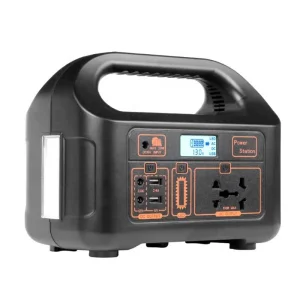
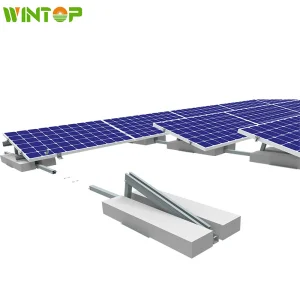
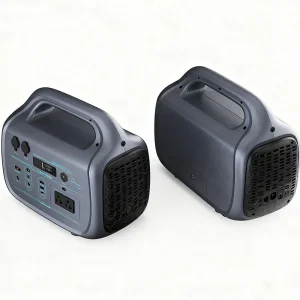
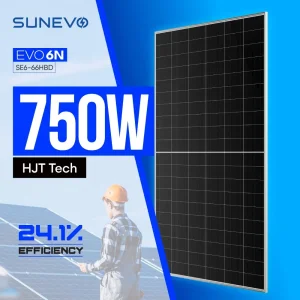
Explore high-capacity photovoltaic modules, lithium storage banks, structural brackets, and specialized solar inverters.
 Smart Energy