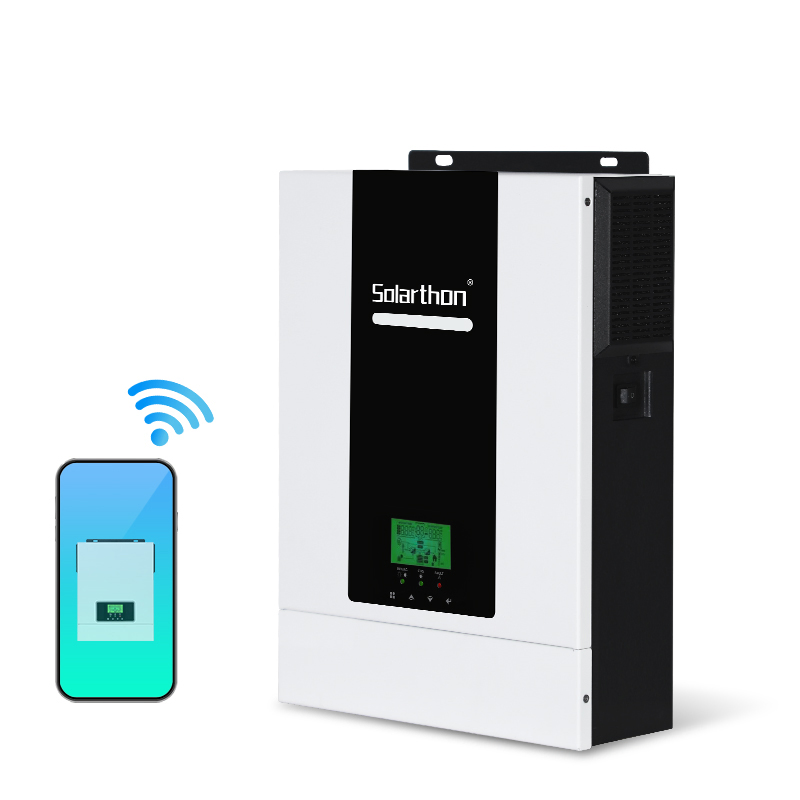
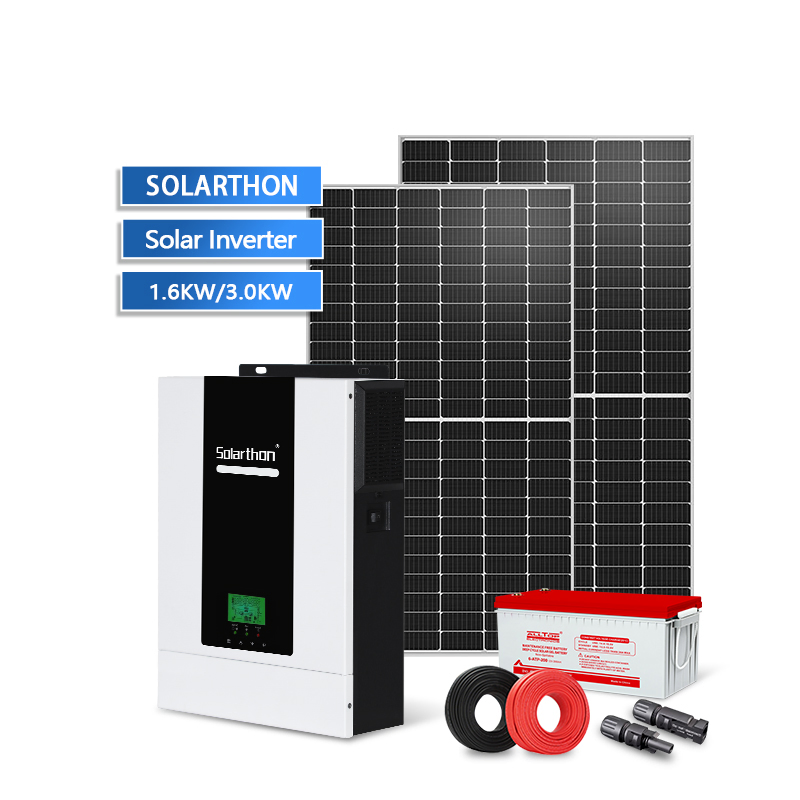
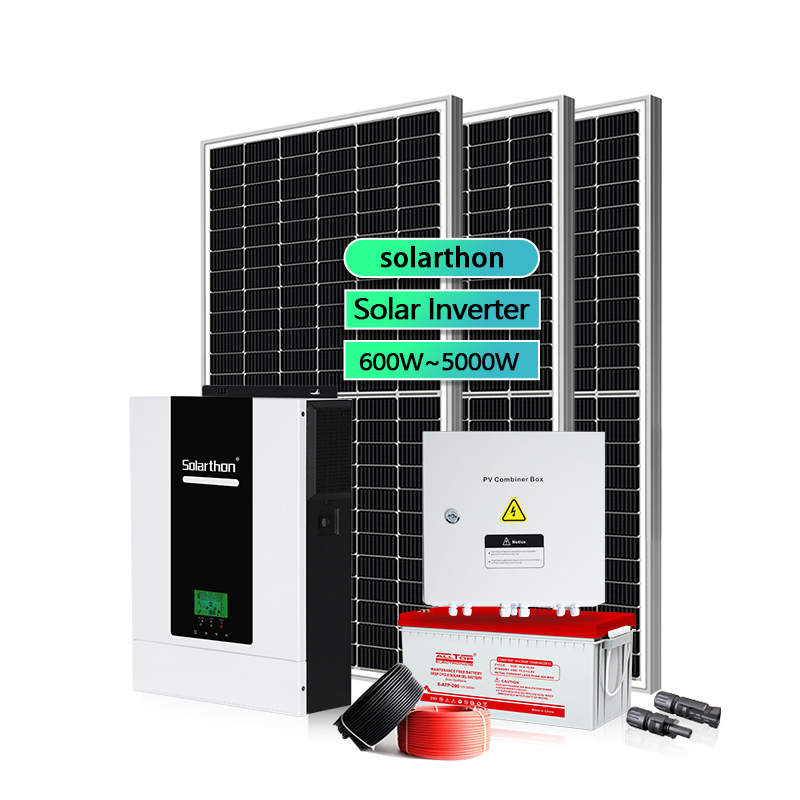
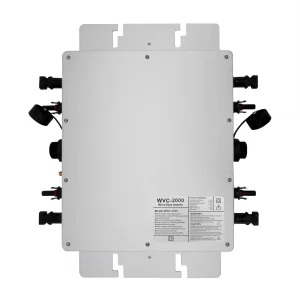
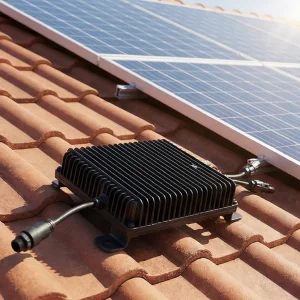
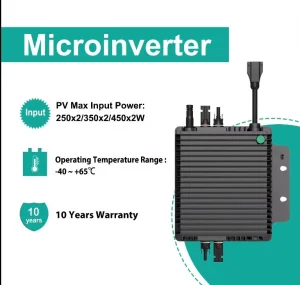
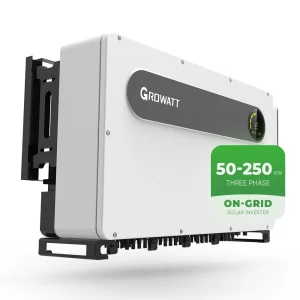
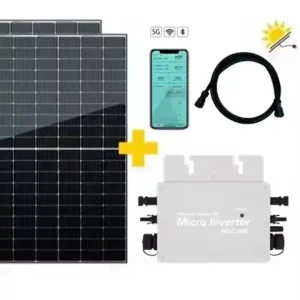
1600W 3000W Solar Inverter Solar Micro Inverter for Solar and Grid Charging off Grid Solar Inverter Solar Hybrid off Grid

Still deciding? Get samples of $ !
Order Sample

Product Description

1

Overview & Basic Info

Model NO.STN
Nature of FlowActive Inverter
PhaseSingle
Output Power>1000W
CertificationSAA, CE, ROHS, ISO9001, CCC
Power SourceSolar Power
Wave StringSine Wave Inverter
Rated Power1.6kw/3.0kw/3.5kw/5.5kw
AC Input230VAC
Efficiency98%
MPPT Range30~400VDC
ApplicationHouse Appliances, Factory Equipment
2

Product Description

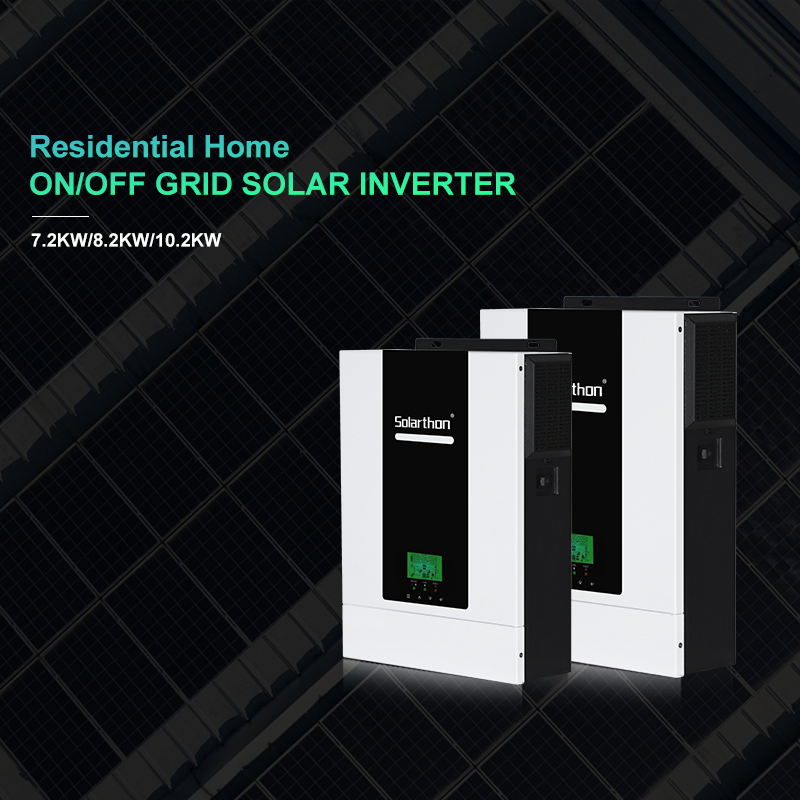
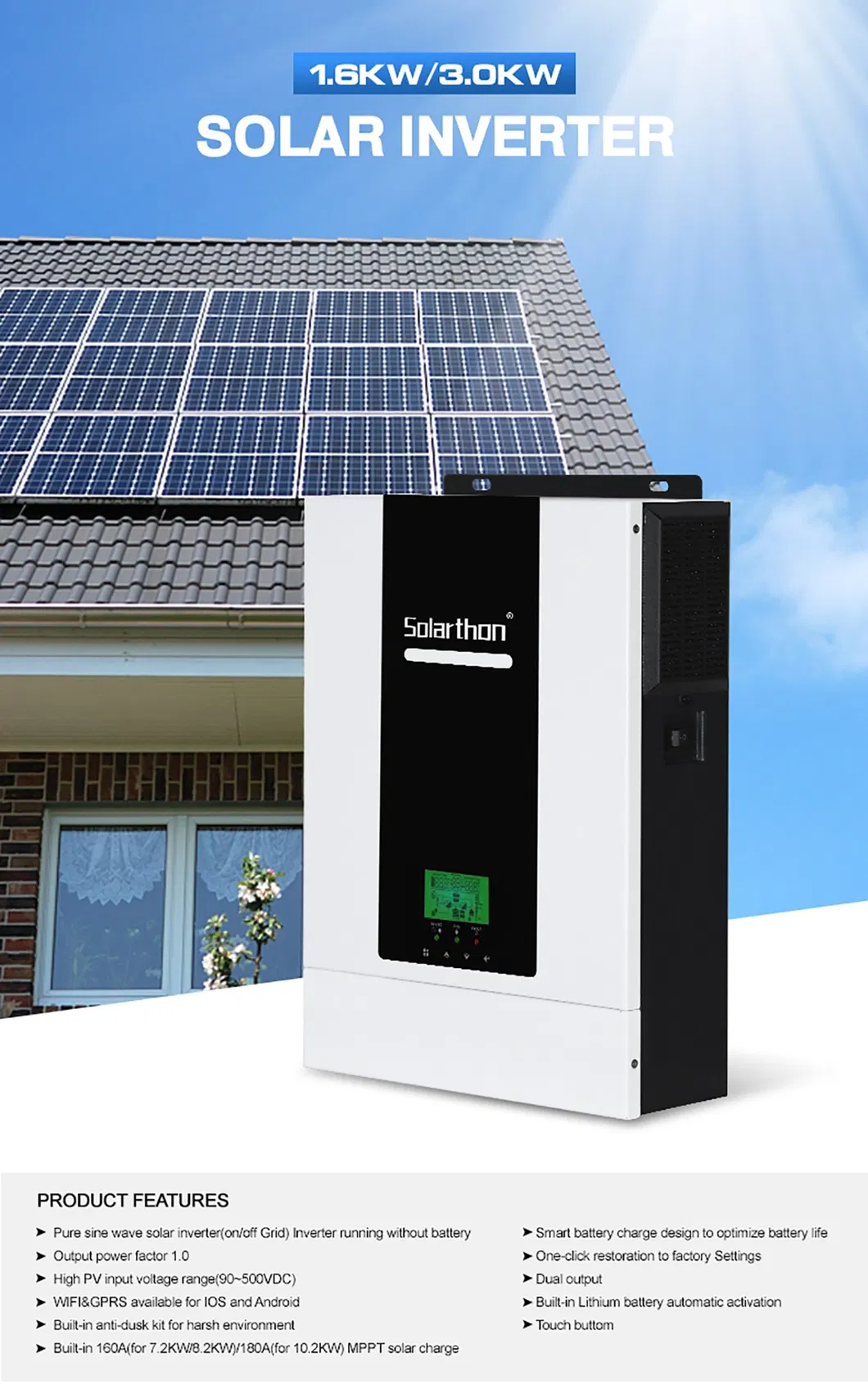
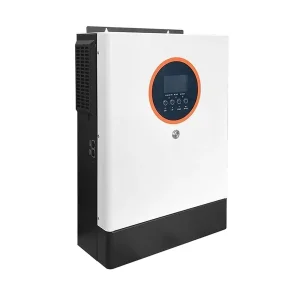
ON/OFF GRID SOLAR INVERTER 1.6KW/3.0KW

Hybrid Solar Inverter

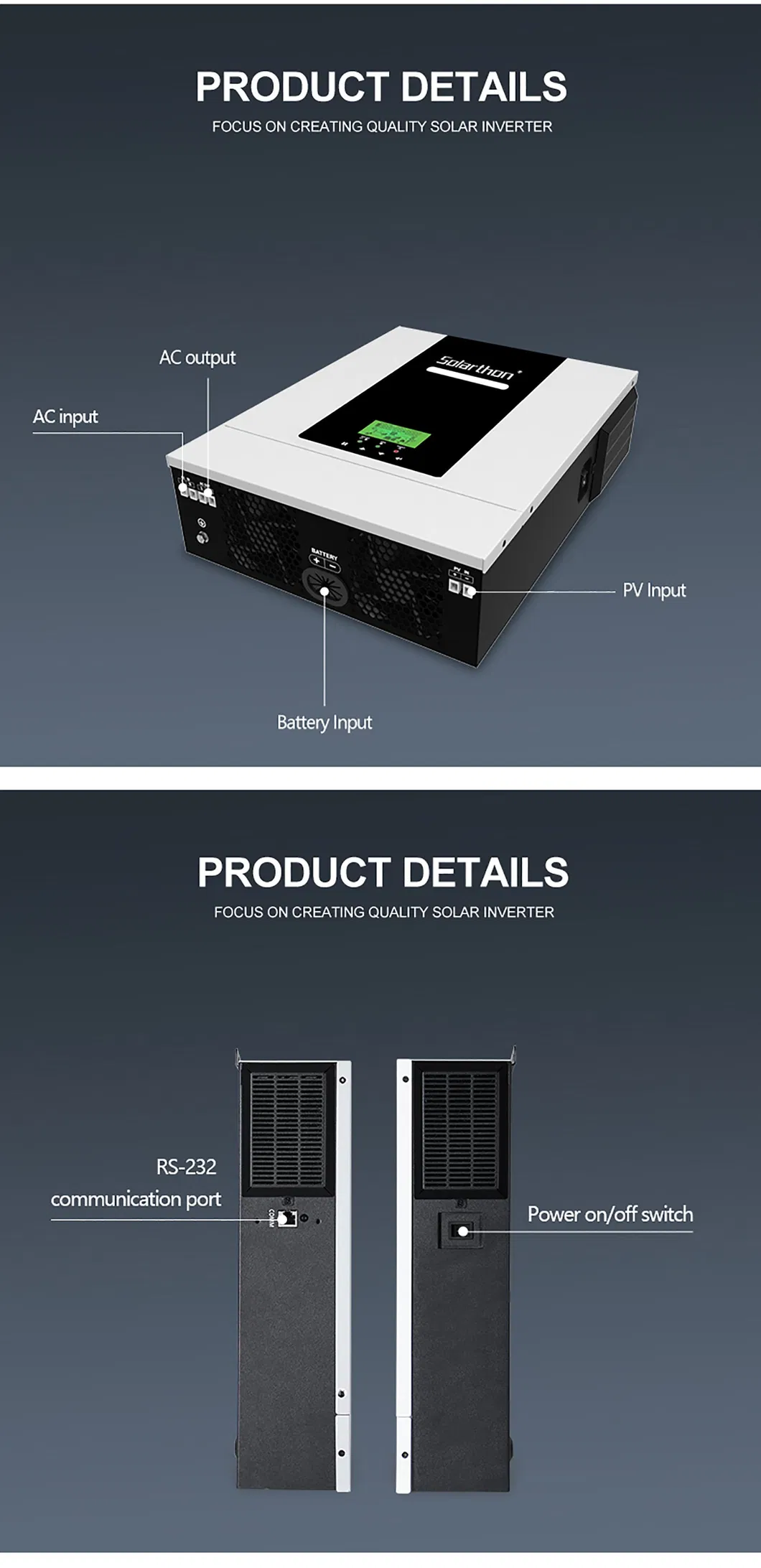
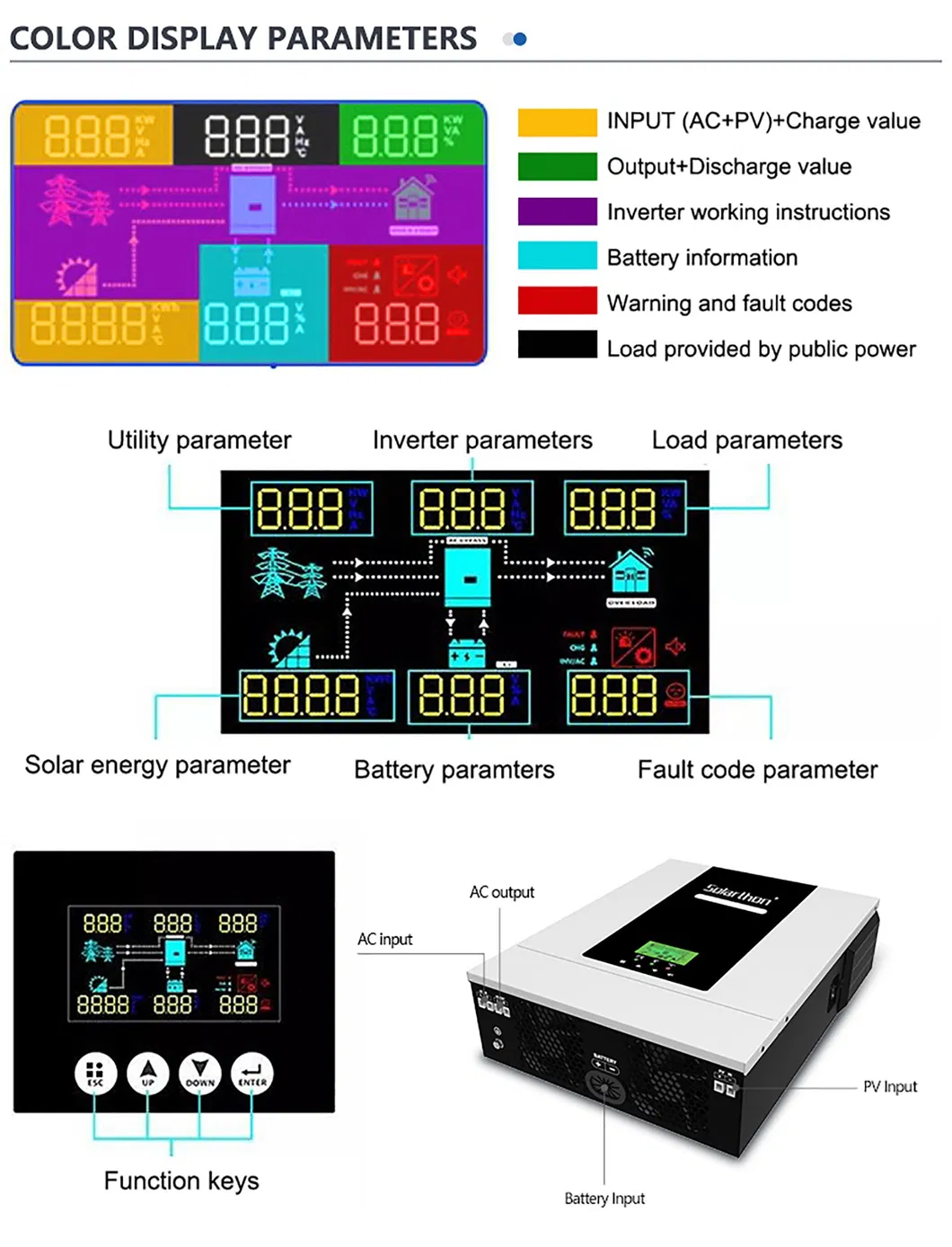
This hybrid solar inverter with MPPT charge controller is an all-in-one multi-function solution, combining functions of inverter, solar charger, and battery charger to provide uninterruptible power supply in a portable size. It supports dual PV input and dual MPPT voltage tracking. Featuring an RGB flexible display with different working modes: Purple (Photovoltaic), Red (Battery), and Blue (Utility).

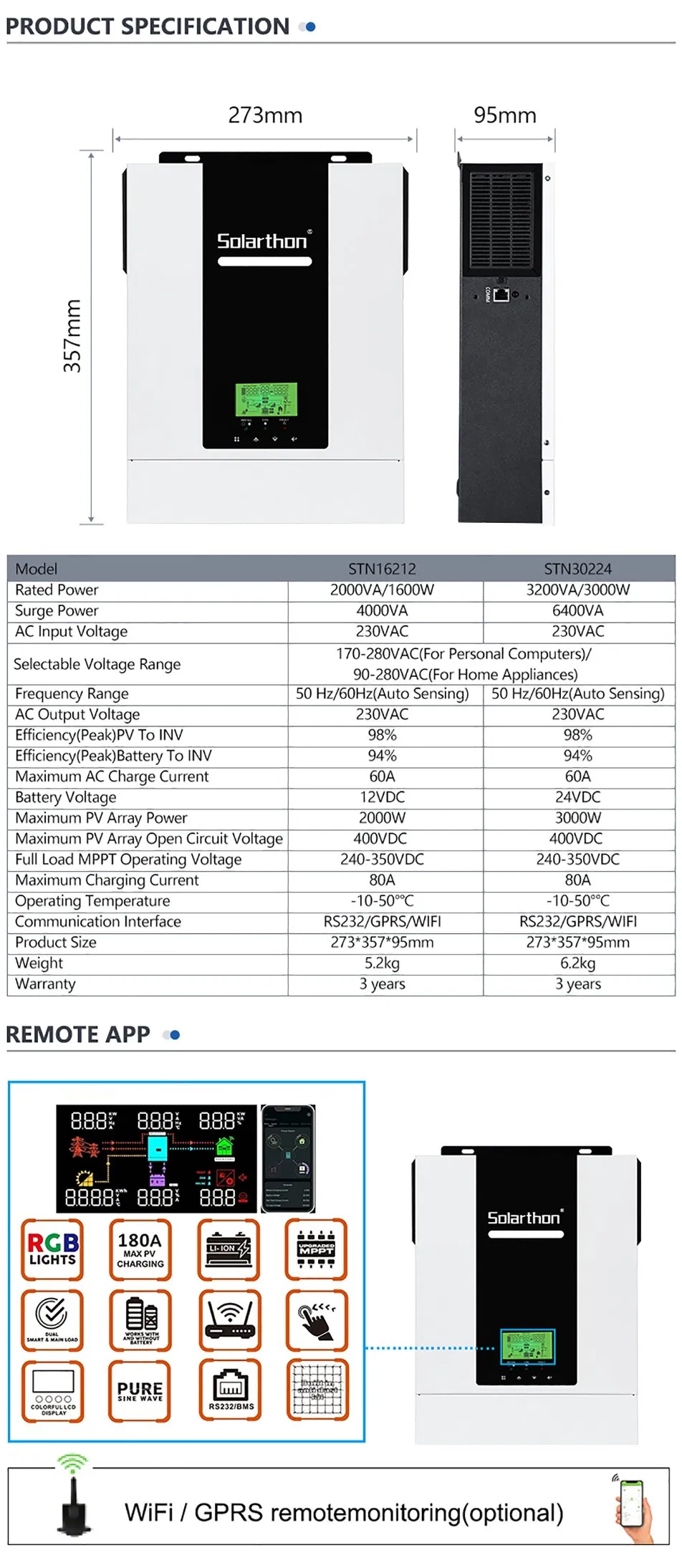
Model STN16212 STN30224
Rated Power2000VA/1600W6200W
Surge Power4000VA360VDC
AC Input Voltage230VAC500VDC
Frequency Range50 Hz/60Hz (Auto Sensing)
Battery Voltage12VDC24VDC
Max PV Array Power2000W3000W
Max PV Open Voltage400VDC400VDC
Warranty3 Years
3

Technical Parameters

Parameters 1
Parameters 2
Parameters 3
Parameters 4
4

Our Advantages

Advantage 1
Advantage 2
Advantage 3
5

Certifications & Shipping

Certification 1
Certification 2
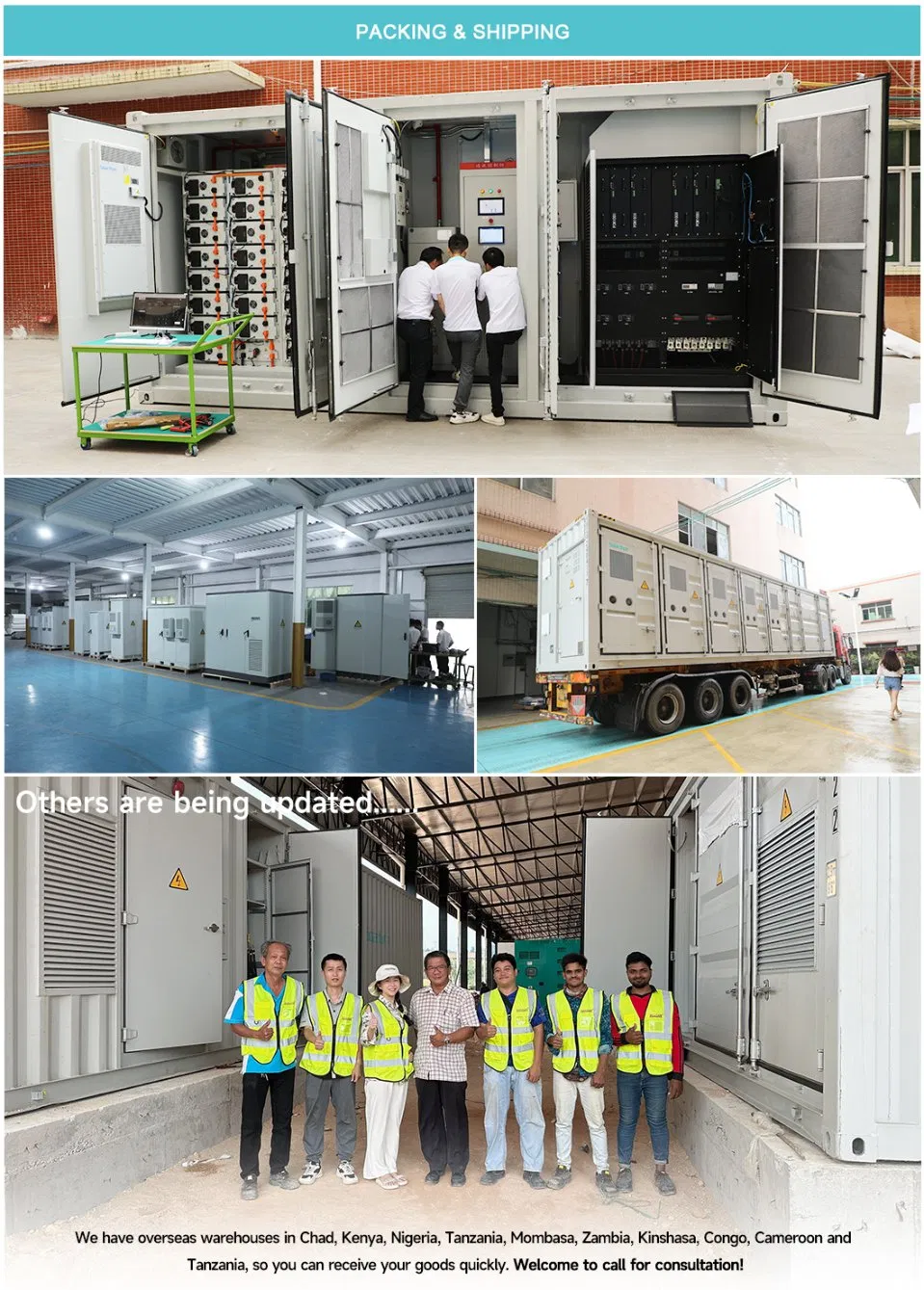
Packaging
?

Frequently Asked Questions

1. Are your inverters pure sine wave output? Yes, all of our inverters provide true pure sine wave output, ensuring high quality and stability for sensitive electronics.
2. What is the difference between pure sine wave and modified sine wave? Pure sine wave output is as good as the public power grid (or better) with low repair rates and long lifespans. Modified sine wave can negatively impact inductive loads like refrigerators and air conditioners.
3. What appliances can your inverters load? Our inverters can be used for household, office, and agricultural appliances, including inductive loads such as water pumps, refrigerators, and air conditioners.
4. How do I choose the right inverter? Simply tell us your power demand and application requirements, and our team will recommend the most suitable model for your needs.
5. What is the difference between 12V, 24V, and 48V inverters? This refers to the battery bank input voltage. Higher voltages allow for lower current, enabling the use of smaller wires between the solar array and battery bank.
6. What happens if a product is faulty? If any product is faulty, please provide images or video. We will evaluate the issue and supply free spare PCB parts for after-sales service.

Related Products