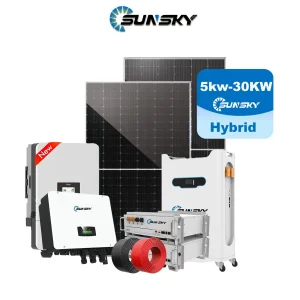
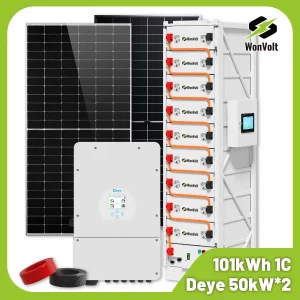
High-efficiency integrated micro-grid packages customized for Fiji's coastal atmosphere and demanding regional solar irradiance.
Global Shipments
Cyclone Cat-5 Proof Option
LiFePO4 Battery Cycle Life
Remote Smart Operations
Fiji, situated in the heart of the South Pacific, faces unique geopolitical and geographical challenges regarding energy reliability and economic sustainability. The nation has traditionally relied on imported fossil fuels to meet a significant portion of its electricity generation demands. Fluctuating global oil prices, combined with high logistical costs to transport diesel to remote outer islands (such as the Mamanuca, Yasawa, Lau, and Lomaiviti groups), create extreme operating overheads for businesses, commercial operations, and resorts.
The Fiji National Energy Policy (NEP) outlines a clear pathway to transition the country toward 100% renewable electricity generation. However, achieving this target requires more than simple grid-tied solar photovoltaic (PV) systems. The intermittent nature of solar irradiance, coupled with localized weather events and frequent tropical depressions, poses a severe risk of grid instability and localized blackouts on the Energy Fiji Limited (EFL) network.
This is where Hybrid Solar Power Systems present a critical evolutionary leap. By seamlessly integrating solar arrays, high-capacity Lithium Iron Phosphate (LiFePO4) battery storage, and smart dual-direction hybrid inverters with local diesel generator configurations, hybrid solar systems act as autonomous microgrids. They ensure uninterruptible power supply (UPS) capabilities, voltage stabilization, and substantial diesel fuel displacement, facilitating both carbon neutrality and operational self-reliance.
Complete fuel-displacement systems that run silent during the night, preserving the pristine environment of outer islands while maintaining critical HVAC systems and water desalination plants.
Designed for industrial centers in Suva, Lautoka, and Nadi to offset expensive mid-day commercial peak tariffs and shield manufacturing lines from voltage sags.
Decentralized energy configurations ensuring continuous refrigeration and deep-well water pumping for agricultural cooperatives and local fisheries in remote locations.
Fiji's climate features high relative humidity, elevated saline concentrations in coastal air, and exposure to intense storms. These factors demand rigorous hardware selection and specialized structural engineering. Standard industrial solar kits configured for mainland environments will experience premature failure under these tropical coastal conditions.
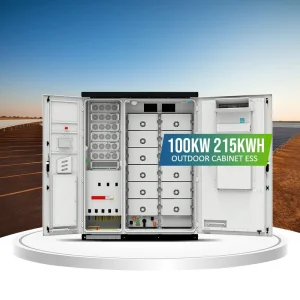
We rely exclusively on high-capacity, chemically stable Lithium Iron Phosphate (LiFePO4 or LFP) battery cell chemistry for all commercial and industrial energy storage systems (BESS). LFP offers superior thermal stability compared to Nickel Manganese Cobalt (NMC) alternatives, retaining structural integrity and cell cycle life even under elevated ambient temperatures up to 45°C.
Our hybrid architectures incorporate high-performance intelligent inverters (supporting both grid-tied and off-grid configurations). These systems manage multiple energy inputs dynamically:
During peak solar hours, the inverter prioritizes load demand directly from the PV array, routing excess generation to the LiFePO4 battery bank. When load requirements exceed PV output, the system seamlessly pulls the shortfall from battery storage. If battery reserves drop below pre-set levels during prolonged inclement weather, the system activates dry contacts to start auxiliary diesel generators or interfaces with the EFL grid, regulating input current to optimize fuel efficiency.
| System Power Rating | Recommended Storage (LiFePO4) | Inverter Topology | Fiji Grid Compliance | Target Application |
|---|---|---|---|---|
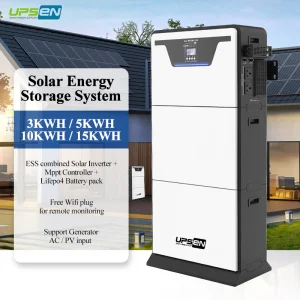
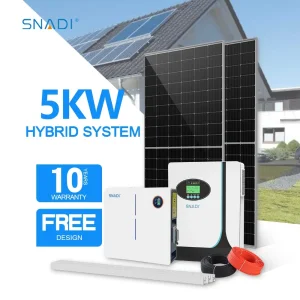
| 3kW - 10kW | 5kWh - 20kWh | Single Phase / Split Phase | EFL Net Metering Compatible | Residential & Eco-Cabins |
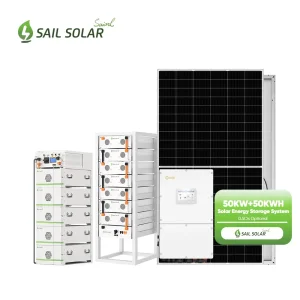
| 30kW - 60kW | 60kWh - 120kWh | Three Phase Hybrid | AS/NZS 4777.2, AS/NZS 3000 | Commercial Offices, Agricultural Storage |
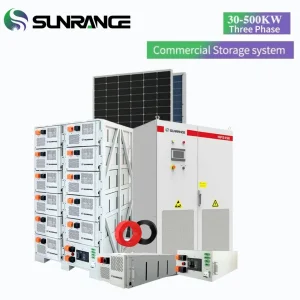
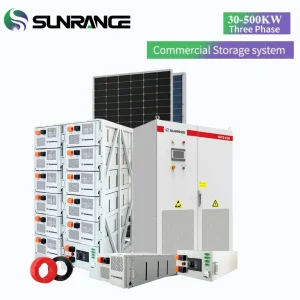
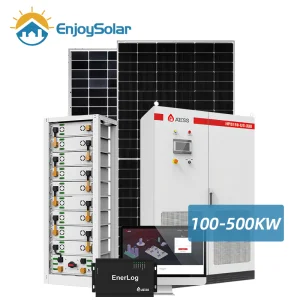
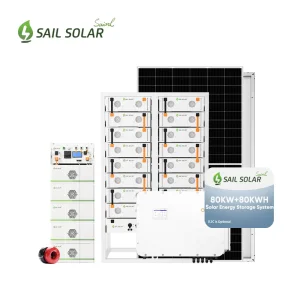
| 100kW - 200kW | 200kWh - 400kWh | Modular Commercial Microgrid | EFL High-Voltage Integration Rules | Resorts, Processing Plants, Logistics Centers |
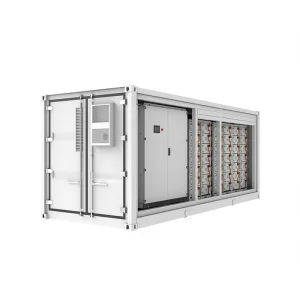
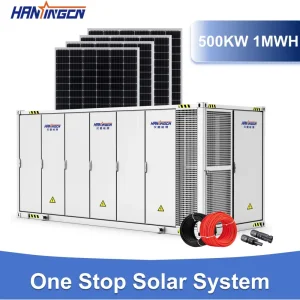
| 500kW - 1MW+ | 1MWh - 2MWh containerized | Utility-Scale BESS Microgrid | EFL Interconnection Standard | Remote Island Municipalities & Heavy Industry |
Our solar mounting systems utilize high-tensile, anodized aluminum alloy (AL6005-T5) and hot-dip galvanized steel components. All structural frameworks intended for Fiji projects are calculated and certified to withstand wind velocities of up to 280 km/h (equivalent to Category 5 tropical cyclones). Dual-axis anti-corrosion ground screws or specialized chemical anchor ballasts are provided depending on geographical soil configurations.
As a premier global supplier and factory direct distributor, Hangzhou Smart Energy Co., Ltd. coordinates the complete supply chain from raw material processing to final product testing. Drawing from China's mature solar manufacturing ecosystem, we secure Tier-1 battery cells, premium silicon wafers, and industrial-grade semiconductor chips at competitive rates. This vertical integration allows us to deliver high-quality systems at a lower cost per watt-hour, giving commercial and industrial buyers in Fiji a distinct economic advantage.
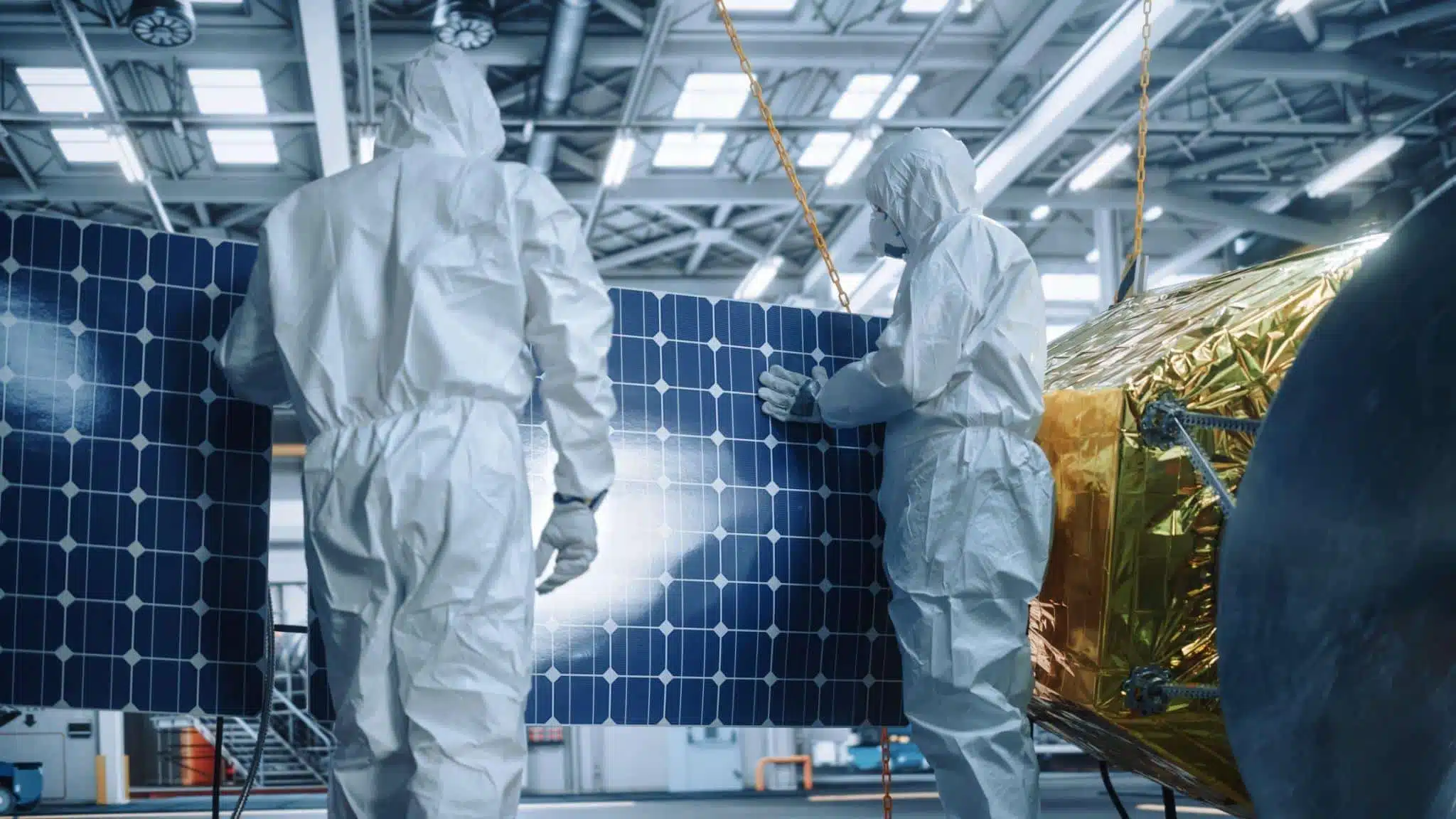
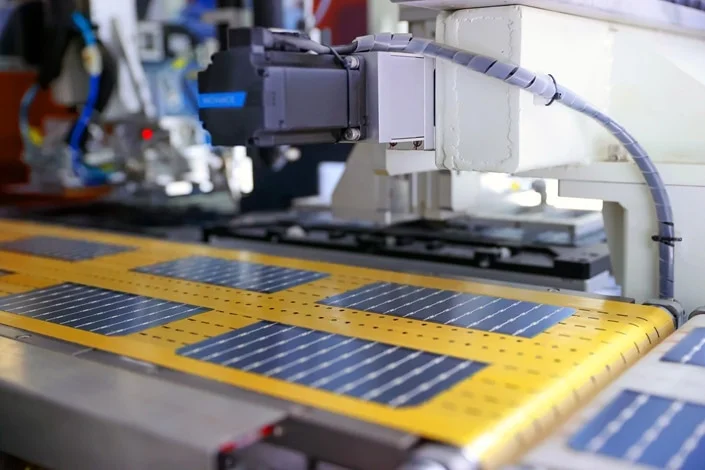
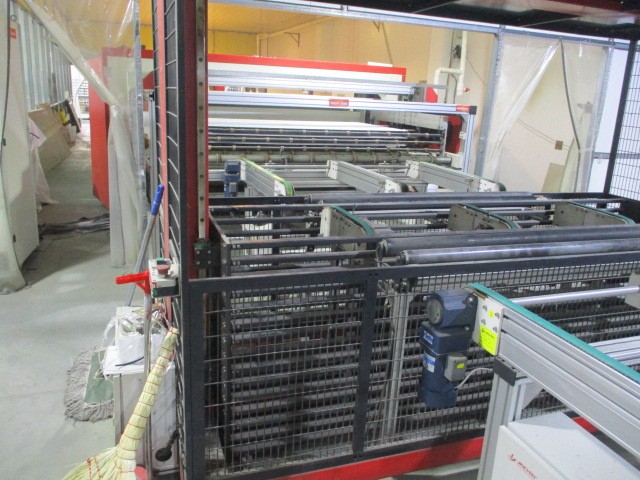
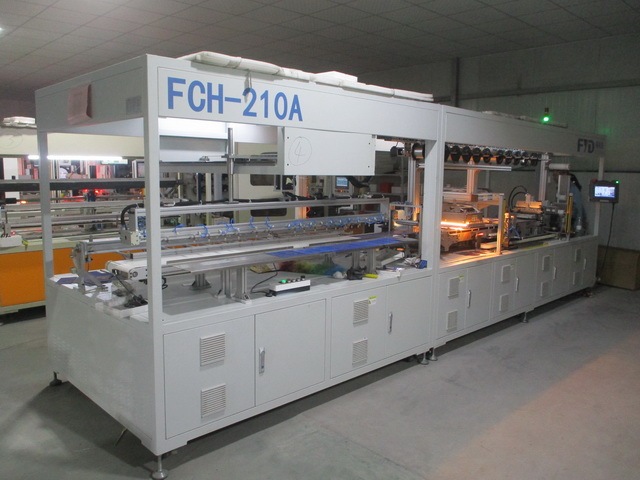
Our production facilities in Hangzhou utilize state-of-the-art automated manufacturing processes, rigorous quality assurance check-points, and environmental testing labs. Before shipping, all equipment undergoes comprehensive stress testing, simulated heat runs, and saline spray exposure protocols to ensure durability in coastal Pacific conditions.
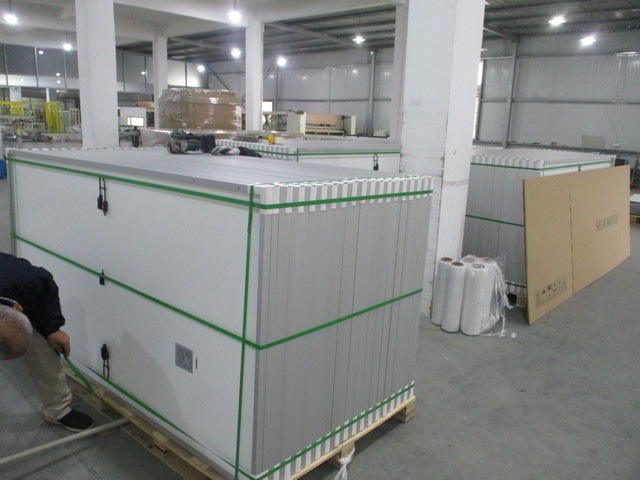
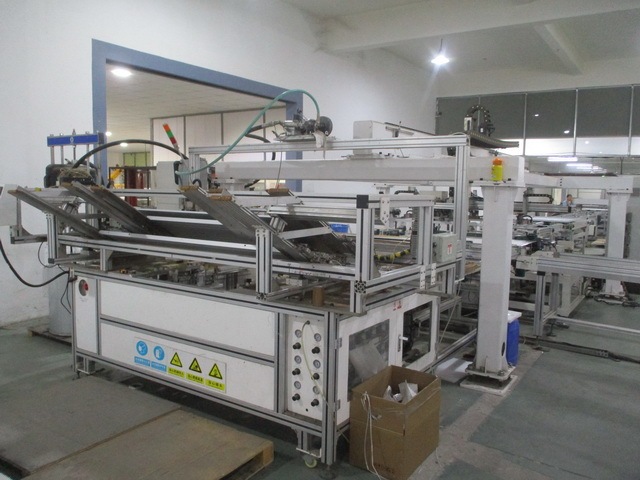
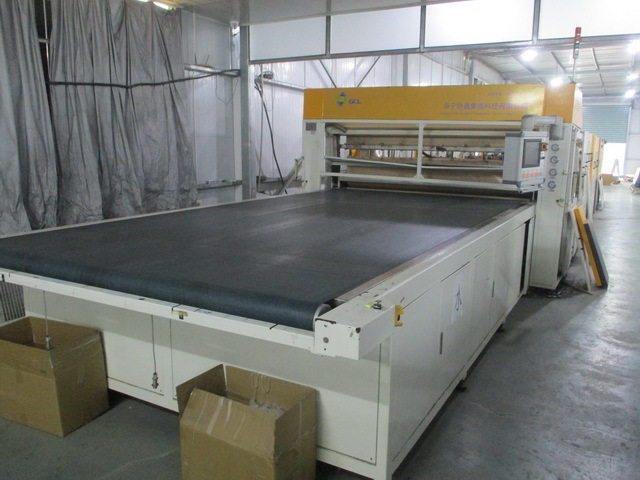
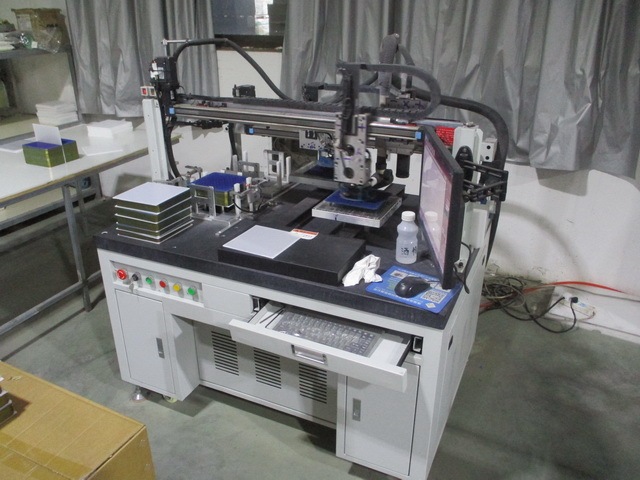
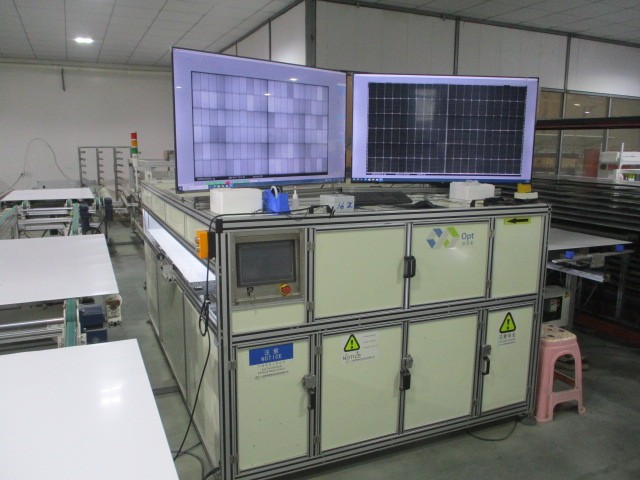
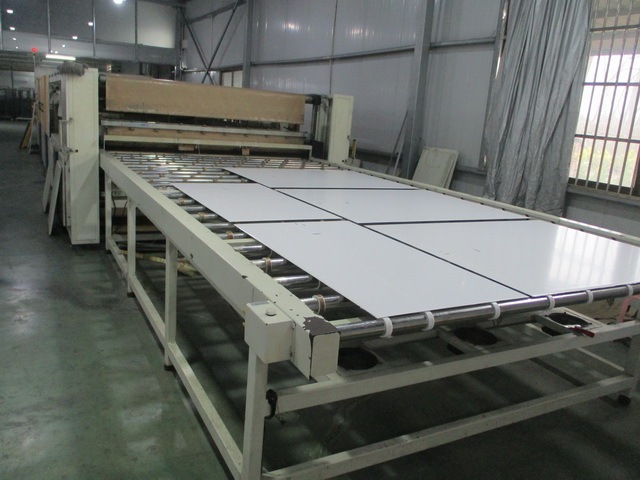
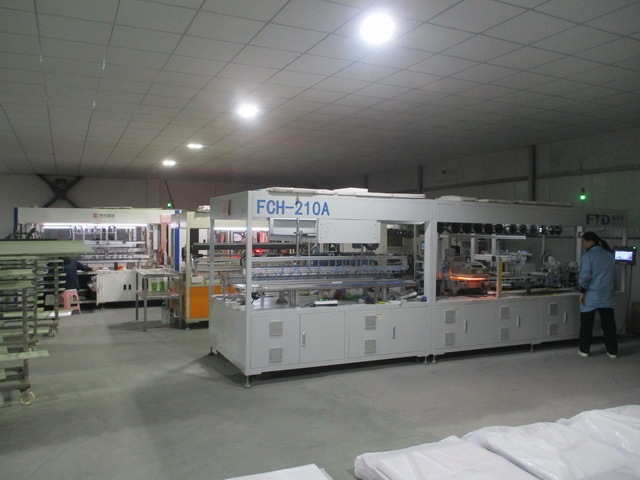
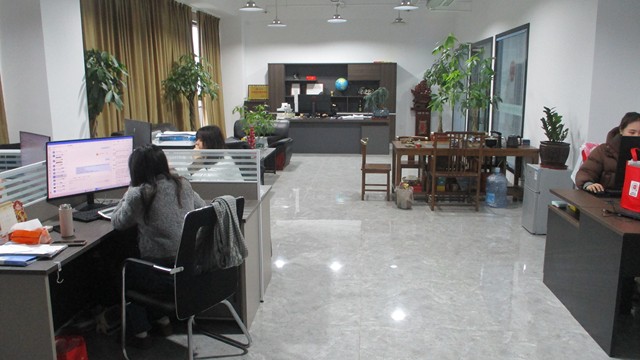
By maintaining strategic shipping partnerships with direct container freight lines operating out of Shanghai and Ningbo ports to Suva and Lautoka, we minimize transit times. This direct factory-to-port logistics model bypasses intermediary markups, ensuring that your customized hybrid solar components arrive as pre-configured, tested packages ready for local installation.
Deploying mid-to-large-scale solar infrastructure in Fiji requires adherence to regional electric standards. All equipment manufactured by Hangzhou Smart Energy Co., Ltd. for the South Pacific market complies with key regulatory requirements:
We coordinate with local Fijian engineering partners, electrical contractors, and EFL representatives to assist throughout the application and grid-connection approval processes. This collaborative approach ensures that your installation transitions smoothly from design to final commissioning.
Given Fiji's high retail commercial electricity tariffs and the cost of imported diesel (often exceeding FJD $0.40 - $0.60 per kWh depending on fuel transport costs), the typical payback period for commercial systems ranges between 3.5 to 5.5 years. With a design life exceeding 15-20 years, these systems generate clean energy and operational savings for years after initial payback.
We offer specialized racking designs engineered for extreme wind loads up to 280 km/h (matching AS/NZS 1170.2 wind load standards). This includes thicker profiles of anodized aluminum (AL6005-T5) brackets, marine-grade 304/316 stainless steel fasteners, and deep ground screw anchoring. We also recommend standard panel layout schemes that minimize uplift forces.
Lead-acid batteries suffer from reduced lifespan when exposed to ambient temperatures exceeding 25°C. LiFePO4 batteries operate efficiently in ambient temperatures up to 45°C without significant capacity degradation. Additionally, LiFePO4 supports deep discharge cycles (up to 80%-90% DoD compared to only 50% for lead-acid) and offers a much higher cycle life (6,000+ cycles vs 1,200 cycles).
Yes. Our smart hybrid inverters and energy management controllers feature auxiliary ports and dry contact relays specifically designed for generator auto-start control. The system monitors battery state of charge (SoC) and load demand, starting the generator to supply power only when needed and shutting it down once batteries are recharged.
All electronic enclosures (inverters, distribution boards, combiner boxes) are specified to IP65 or IP66 standards. Internal PCBs are treated with a heavy conformal anti-corrosion coating to shield components from humidity and airborne salt deposits.
We provide complete system wiring diagrams, factory pre-configuration, and remote engineering commissioning support via our dedicated cloud monitoring platform. For complex commercial projects, we can arrange for factory engineers to travel to the site or work directly with local qualified partners to oversee mechanical installation and initial startup.
Explore our range of factory-direct solar panels, specialized energy storage cabinets, and complete hybrid inverter kits.
 Smart Energy