Why Is My Solar System Not Producing Enough Power?

Time:2026-09-14 Author:Ethan
0%

Why Is My Solar System Not Producing Enough Power? This question often begins with a disappointing number on a monitoring app. A sunny afternoon may show less electricity than expected. That does not automatically mean the panels are defective. Shade from a new tree, dust on the glass, loose connections, inverter faults, and high rooftop temperatures can all reduce output.

NREL photovoltaic researcher David Feldman has explained, “The value of solar is not just the energy it produces, but when and where it produces it.” That perspective matters. A system may produce well at noon but lose valuable energy during morning shade or evening demand. Homeowners should compare daily production with weather conditions, seasonal sunlight, historical data, and the system’s original design estimate. Small details matter. A dusty lower panel can reveal a larger maintenance problem.

Understanding how to increase solar system efficiency requires more than cleaning modules. Check whether trees, vents, or nearby buildings create moving shadows. Review inverter alerts. Inspect visible cables, mounting areas, and battery settings without touching live equipment. A qualified solar professional should perform electrical testing and thermal inspections. Safety comes first.

Some assumptions may be wrong. A larger system is not always a better system. Poor orientation, undersized wiring, or an incorrectly configured inverter can waste available sunlight. Even professional estimates have uncertainty. This guide explains practical diagnostic steps, realistic performance expectations, and improvements that can increase useful energy without promising impossible results.
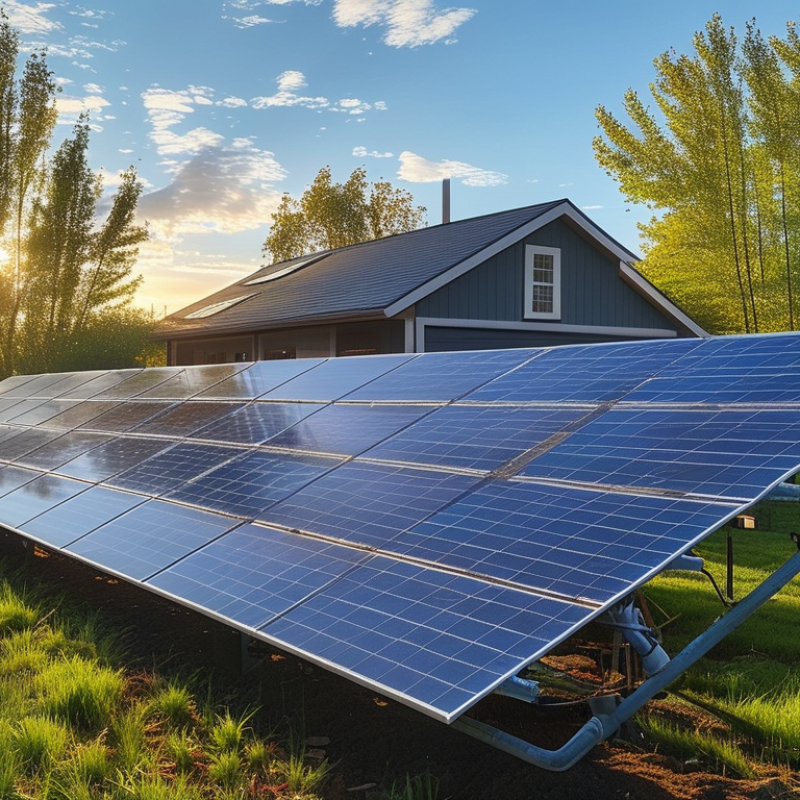
Why Is My Solar System Not Producing Enough Power?

Common Causes of Low Solar System Power Output

Why Is My Solar System Not Producing Enough Power?

Common Causes of Low Solar System Power Output

Low solar output often begins with simple site conditions. Dust, leaves, bird droppings, or snow can block sunlight across the panel surface. Even a narrow shadow from a chimney may reduce production across connected panels. Watch the system around midday, when shadows are easiest to spot. Seasonal sun angles also matter. A system that performs well in summer may produce far less during short winter days.

Temperature can be another overlooked cause. Solar panels usually lose efficiency as they become very hot. Poor airflow beneath the panels can make this effect stronger. Inverters may also reduce output when they detect high temperatures, unstable grid conditions, or internal faults. Check the monitoring data for repeated warnings, not just one low reading. A low battery state of charge can also limit stored energy, even when the panels are working normally.

Wiring problems deserve professional attention. Loose connections, damaged cables, and voltage losses can reduce power or create safety risks. Panel ageing is real, although it is usually gradual rather than sudden. I have seen homeowners blame the panels when a new tree was actually casting afternoon shade. My first assumption was wrong. Compare current output with historical weather data and the system’s expected production. If the difference remains large, ask a qualified solar technician to test each circuit and inspect the inverter. Do not open electrical equipment yourself.

How Solar Panels, Inverters, and Batteries Affect Performance

Why Is My Solar System Not Producing Enough Power?

A solar system can underperform even when every panel looks intact. During inspections, I often find dust along the lower panel edges, partial shading from a new branch, or a loose connection. Small obstructions matter. Check production around midday, when sunlight is usually strongest. Compare today’s output with similar clear days, rather than relying on one cloudy afternoon. Panels also produce less during extreme heat, despite bright sunshine. Their electrical efficiency declines as temperatures rise.

The inverter converts panel electricity into usable household power, so its condition matters greatly. It may reduce output when panel voltage exceeds its operating range. This is called clipping. Warning lights, repeated shutdowns, or unusual fan noise deserve professional testing. A monitoring app can reveal sudden drops, but its readings are not always perfect. That deserves caution. A qualified technician should check voltage, current, insulation, and connections safely.

Batteries can also make production appear lower. When the battery reaches its charge limit, the inverter may restrict solar generation. A high reserve setting can leave stored energy unused during normal operation. Charging and discharging losses are unavoidable, usually reducing the energy available to your appliances. Review the battery’s state of charge, reserve level, and recent temperature history. I have seen homeowners blame the panels when the real issue was storage settings. Still, settings alone may not explain every decline. Regular cleaning, seasonal observation, and documented meter readings provide stronger evidence before any repair decision.

Why Is My Solar System Not Producing Enough Power? — How Solar Panels, Inverters, and Batteries Affect Performance
System Area Common Performance Issue Typical Effect on Output What to Check Recommended Action Potential Impact
Solar Panels Shading from trees, buildings, chimneys, or nearby structures Partial shading can reduce the output of affected panels and may reduce the performance of an entire panel string. Compare the system’s production with the sun’s position throughout the day and inspect shadows on the array. Trim or relocate obstructions where permitted, and ask a qualified installer whether panel-level power electronics could help. High during shaded periods
Solar Panels Dirt, dust, pollen, bird droppings, or snow covering the panel surface Light blockage can reduce energy production. The reduction varies with the type, thickness, and location of the covering. Inspect the panel surface safely from the ground and compare production before and after cleaning or snow removal. Use safe cleaning methods or a professional service. Avoid abrasive tools and do not walk on the panels. Medium to high
Solar Panels High panel temperature Photovoltaic modules generally produce less voltage as their temperature rises above the rated test condition. Review production on hot, sunny days and compare it with cooler days having similar sunlight levels. Maintain ventilation around the modules and ensure the mounting system has not been obstructed. Medium
Solar Panels Panel degradation due to age and environmental exposure Output normally declines gradually over time. The exact rate depends on module quality, climate, and operating conditions. Compare current measured output with historical performance under similar sunlight and temperature conditions. Arrange electrical testing if degradation appears abnormal or if one panel performs differently from the others. Usually gradual
Solar Panels Loose connections, damaged wiring, or connector faults Electrical resistance or an open circuit can reduce production or disconnect part of the array. Look for monitoring alerts, visible cable damage, melted connectors, or unexplained drops in string current. Do not open or repair energized equipment yourself. Have a qualified solar electrician inspect the system. High or complete loss
Inverter Inverter clipping during periods of strong sunlight The inverter limits output when the solar array can produce more power than the inverter’s rated AC capacity. Review the power graph for a flat-topped curve near the inverter’s maximum output. Confirm that the system was intentionally designed with a suitable DC-to-AC ratio. Occasional clipping may be normal. Expected at peak times
Inverter Grid outage, voltage problem, or frequency protection shutdown Grid-connected inverters must stop exporting electricity when grid conditions are outside permitted limits. Check the inverter display or monitoring portal for grid, voltage, or frequency fault messages. Contact the electricity network operator or a qualified installer if the fault repeats after the grid returns to normal. System may stop
Inverter Inverter overheating or inadequate ventilation The inverter may reduce its power output or shut down temporarily to protect internal components. Check whether air vents are blocked, the unit is exposed to excessive heat, or thermal warnings are recorded. Keep the area clear and shaded where appropriate, while following the manufacturer’s required clearances. Medium to high
Inverter Maximum power point tracking or string imbalance issue Different orientations, shading patterns, or electrical faults can prevent the array from operating at its best voltage and current. Compare string-level current and voltage readings, if available, and look for one string performing well below the others. Ask a qualified technician to test the strings, connectors, and inverter inputs. Medium to high
Battery Battery is full and the system is limiting solar charging Once the battery reaches its permitted state of charge, excess solar energy may be curtailed if household demand is low. Check whether reduced solar output occurs mainly when the battery state of charge is near its upper limit. Use available loads during sunny periods or adjust energy-management settings if suitable for the system. Normal operating behavior
Battery Low state of charge reserve or backup protection setting A reserved portion of battery capacity may not be available for everyday loads, reducing usable stored energy. Review the backup reserve, minimum state of charge, and charge or discharge limits in the system settings. Adjust settings only after considering backup requirements, battery safety, and the installer’s guidance. Configuration-dependent
Battery Battery temperature outside its permitted operating range Charging or discharging may be slowed or paused to protect the battery from excessive heat or cold. Review battery temperature notifications and inspect whether the battery is installed in a suitable, ventilated location. Improve environmental conditions where possible and arrange professional inspection if temperature warnings continue. Medium
Battery Battery aging or reduced usable capacity As a battery ages, its usable capacity and maximum charge or discharge rate can decline. Compare the measured usable capacity and charge duration with historical data under similar conditions. Request a battery health assessment and review replacement or operating options if capacity has fallen significantly. Gradual to high
Energy Use Household demand is higher than solar production The system may be producing normally while imported electricity increases because appliances consume more power. Compare solar generation, household consumption, grid import, and battery flows instead of looking at generation alone. Shift flexible loads such as water heating, laundry, or electric vehicle charging to sunny hours. Consumption-related
Monitoring Incorrect monitoring data, communication loss, or delayed readings The display or application may show incomplete or outdated information even when the system is producing power. Compare the monitoring timestamp with the inverter display and check internet, gateway, or meter communication alerts. Restart only user-serviceable communication equipment as directed, then contact the installer if data remains missing. May be data-only

How Weather, Shade, Dirt, and Panel Orientation Reduce Energy

Why Is My Solar System Not Producing Enough Power?

How Weather, Shade, Dirt, and Panel Orientation Reduce Energy

A cloudy week can reduce solar output noticeably. Clouds scatter sunlight before it reaches the panels. Heavy rain may lower production temporarily, even though it can wash away dust. Snow is different. It can block sunlight completely until it slides off. Check the system’s daily readings against similar weather conditions, not just yesterday’s total.

Shade is often the hidden problem. A chimney, tree branch, or nearby building can cover part of a panel during peak hours. Even narrow shadows may affect several connected panels. Watch the roof from 9 a.m. to 3 p.m. across different seasons. The sun moves more than most homeowners expect. I once blamed cloudy weather when a growing tree was the real cause.

Dirt also matters. Dust, pollen, bird droppings, and leaves can create small blocked areas. Cleaning may help, but use safe methods and avoid walking on the panels. Panel orientation affects energy throughout the year. Panels should face the strongest sunlight for your location and roof angle. A poor tilt can reduce winter production, while a wrong direction may shorten the strongest collection period. Compare monitoring data with sunlight hours, then ask a qualified technician to inspect wiring, shading, and inverter readings. My first diagnosis is rarely perfect. Evidence should change it.

Ways to Check and Diagnose a Solar System’s Performance

Why Is My Solar System Not Producing Enough Power?

When solar output falls, compare today’s production with similar sunny days, not the rated panel capacity. Panel ratings use laboratory conditions, while heat, clouds, dust, and system losses reduce real-world output. Check the monitoring display around midday and record the power level. A sudden drop often points to shading, a tripped protection device, or an inverter warning.

Tips: Inspect panels from the ground for leaves, bird droppings, or heavy dust. Look for new shadows from trees, railings, or nearby construction. Review daily energy readings for several weeks. One cloudy afternoon proves very little. My own checks would include weather notes, because memory can exaggerate a system’s decline.

If the panels appear clear, examine the inverter’s status lights and event history. Compare voltage and current readings with previous records, if available. Unusual readings may indicate a loose connection, damaged cable, or an issue within a panel section. Do not open electrical equipment or climb onto the roof without proper training. A qualified solar technician can test string performance, insulation, and connections safely. Sometimes the problem is not the equipment. A faulty meter or monitoring connection can display incomplete data, which is easy to overlook.

When Maintenance, Repairs, or System Upgrades Are Needed

Why Is My Solar System Not Producing Enough Power?

A solar system can lose output gradually, then appear to fail overnight. In field inspections, I have found dust, bird droppings, and new shade causing surprising losses. A chimney shadow at 10 a.m. may cover only two panels, yet affect one whole circuit. Check recent electricity bills against the system’s monitoring records. Compare similar sunny days, not cloudy afternoons.

Maintenance often begins with a visual inspection. Look for cracked glass, loose cables, water marks, and leaves near the panels. Dirt may need professional cleaning, especially on low-slope roofs. Do not open electrical equipment yourself. A qualified technician should test voltage, current, fuses, connectors, and inverter error records. One weak connector can heat up and reduce production. It can also create a serious fire risk. My own early inspections taught me not to trust clean-looking panels alone.

Repairs may involve replacing damaged wiring, failed switches, or malfunctioning control equipment. Sometimes the original design was too small for later household demand. An upgrade could include additional panels, a larger inverter, or battery storage. However, adding equipment without checking roof structure, wiring capacity, and local requirements can create new problems. Seasonal changes matter too. I once underestimated winter shading from a nearby tree. That mistake changed the recommended panel layout. A careful energy assessment should come before any upgrade.

FAQS

Why might my solar system suddenly produce less power?

Dust, leaves, bird droppings, and new shadows can block sunlight. A narrow chimney shadow may affect several connected panels. Check the system around midday. One reading proves little.

How do seasonal changes affect solar production?

Winter days provide fewer sunlight hours and lower sun angles. A system may perform strongly in summer but decline during shorter days. Compare similar seasonal periods, not only annual ratings.

Can high temperatures reduce panel output?

Yes. Solar panels usually lose efficiency as temperatures rise. Poor airflow beneath the panels can worsen this effect. Bright sunshine does not always mean maximum production. Heat matters.

How can the inverter limit solar system performance?

The inverter may reduce output during overheating, unstable grid conditions, or internal faults. Voltage beyond its operating range can also cause clipping. Check warning lights, event history, repeated shutdowns, and unusual fan noise. Do not open it yourself.

Can a battery make solar production appear lower?

Yes. A full battery may cause the inverter to restrict additional solar generation. A high reserve setting can leave stored energy unused. Charging and discharging also create unavoidable energy losses. Review charge level, reserve settings, and battery temperature.

What should I check before calling a technician?

Inspect panels from the ground for dust, leaves, droppings, and new shadows. Review several weeks of daily energy readings. Compare clear days with similar weather conditions. Record the details.

Could wiring or electrical connections cause low output?

Loose connections, damaged cables, and voltage losses can reduce production. They may also create safety risks. A qualified technician should test voltage, current, insulation, and circuit connections. Avoid roof work without proper training.

How do I know whether the monitoring data is reliable?

Monitoring displays can show sudden drops or incomplete readings. A faulty meter or communication connection may be responsible. Compare app data with meter readings and weather notes. My memory would not be enough.

Conclusion

A solar system may produce less power than expected for several reasons, including cloudy weather, shading, dust, poor panel orientation, aging equipment, or unexpectedly high household energy use. The performance of solar panels, inverters, and batteries also plays an important role. Panels must receive sufficient sunlight, the inverter must convert energy efficiently, and batteries need proper charging and storage conditions to support reliable output.

To identify the problem, compare current production with previous records, inspect the system for visible dirt or damage, and review monitoring data for unusual changes. Checking connections, inverter alerts, battery status, and shading throughout the day can help locate performance issues. Simple cleaning and removing nearby obstructions may improve results, while damaged components or outdated equipment may require professional maintenance, repairs, or upgrades. Understanding how to increase solar system efficiency helps owners make informed decisions and maintain stronger long-term energy production.

Ethan

Ethan

Ethan is a seasoned marketing professional with a deep expertise in our company's innovative product line. With a passion for sharing knowledge and insights, he takes the lead in regularly updating our corporate blog, where he explores industry trends, product features, and effective marketing......