As the world increasingly shifts towards renewable energy, many homeowners seek to understand how to install a solar power system step by step. A report by the International Energy Agency indicates that solar energy could account for 25% of global electricity by 2025. This rapid growth highlights the importance of accessible and clear installation processes.
Moreover, the Solar Energy Industries Association reported that U.S. residential solar installations rose by 20% in just one year. This surge demonstrates the growing recognition of solar energy's benefits, including cost savings and environmental impact. However, installing a solar system can seem daunting. Homeowners often hesitate due to fears of complexity and potential mistakes during installation.
Guiding homeowners through the solar installation journey can boost confidence. A focus on practical steps can demystify the process. While there are many factors to consider, simplifying the installation can encourage more people to embrace solar technology. Understanding the intricacies, and even the common pitfalls, can transform this task from complex to manageable.
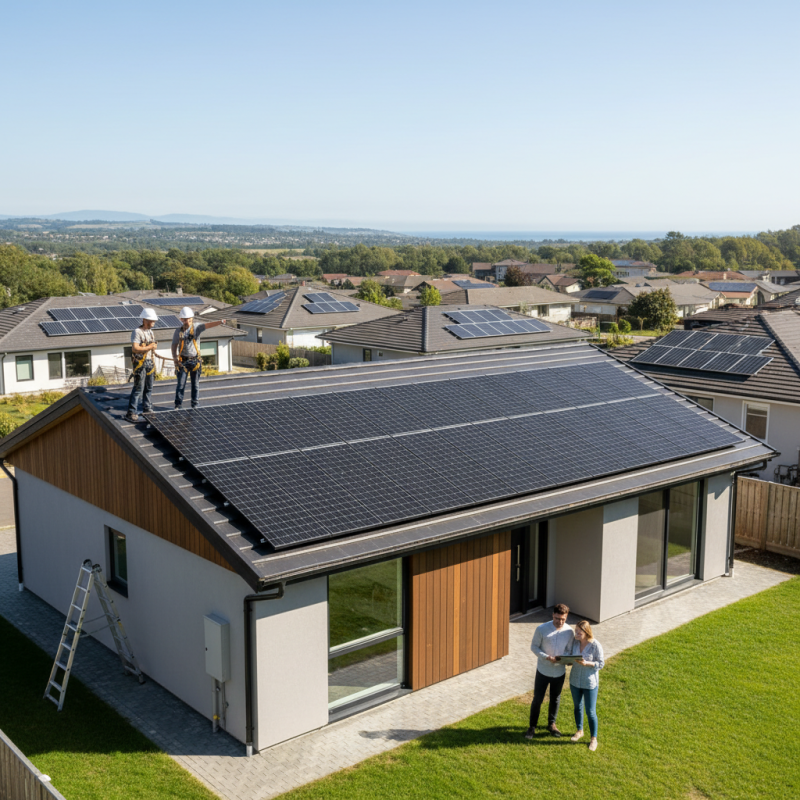
Understanding Your Energy Needs and Solar Potential Assessment
Understanding your energy needs is crucial when planning a solar power system. A typical household consumes about 877 kWh per month, according to the U.S. Energy Information Administration. Assessing your energy usage helps to determine the size of the solar system required. This evaluation can include your daily electricity consumption and your lifestyle. Utilizing energy-efficiency practices can further inform the system's scale.
Next, a solar potential assessment is vital. This involves analyzing factors such as roof space, shading, and local climate conditions. For instance, areas with more than 5 hours of direct sunlight per day can greatly enhance solar production. The National Renewable Energy Laboratory states that optimal positioning of solar panels can improve energy capture by up to 30%. However, urban environments with limited space can introduce challenges, such as shading from other buildings.
While data can guide decisions, personal adjustments are often necessary. Each household is different, and there might be discrepancies between projections and actual performance. Continually monitoring energy usage post-installation can provide insights into system efficiency. This ongoing assessment will help identify areas for improvement and maximize solar contributions to your energy needs.
Choosing the Right Solar Power System: Types and Specifications
Choosing the right solar power system is crucial for efficiency and cost effectiveness. There are several types available, including grid-tied, off-grid, and hybrid systems. According to the Solar Energy Industries Association (SEIA), about 89% of residential solar installations in the U.S. are grid-tied. These systems connect to the utility grid and allow for surplus energy to be sent back, potentially reducing energy costs.
Each type of system has specific specifications. Grid-tied systems typically require an inverter and can easily integrate with home electricity. Off-grid systems, on the other hand, use battery storage and can be expensive due to the need for maintenance and larger components. Recent studies indicate that the average cost of installing solar panels is around $2.66 per watt, but these numbers can vary significantly based on location and installer expertise.
Choosing the right balance between cost and efficiency is a challenge. Many homeowners may overlook energy needs and panel efficiency ratings. It’s essential to understand how much energy your home consumes before selecting a system. The wrong choice can lead to underperformance and unexpected costs. With data-driven insights, one can make informed decisions.
Evaluating Installation Options: DIY vs. Professional Services
When considering installing a solar power system, deciding between DIY and professional installation is crucial. DIY installation can save money upfront. However, it requires significant research and effort. Homeowners need to understand electrical systems, local regulations, and safety measures. Mistakes can lead to costly repairs later. Utilize online resources to explore tutorials and guidance.
On the other hand, hiring professional services offers a hassle-free experience. Experts bring knowledge and tools to perform the installation correctly. They can assess your specific needs and design an optimal system for your property. However, this option comes with a higher cost. It’s vital to vet contractors. Check their credentials and customer reviews. Balance your budget with your comfort level in managing the technology.
Ultimately, choose the path that aligns with your capabilities and goals. Reflect on your time, expertise, and the potential risks. Each option has pros and cons. Take the time to weigh them carefully to find the right fit for your solar power journey.
Top 10 Steps to Install a Solar Power System Easily
| Step |
Description |
DIY Approach |
Professional Services |
| 1 |
Assess Energy Needs |
Calculate total energy consumption |
Evaluation by experts |
| 2 |
Research System Options |
Explore different types of solar panels |
Recommendations from professionals |
| 3 |
Check Local Regulations |
Research local building codes |
Compliance assurance from contractors |
| 4 |
Estimate Costs |
Calculate expenses for materials |
Detailed cost estimate from quotes |
| 5 |
Select Equipment |
Purchase panels, inverters, etc. |
Professional equipment sourcing |
| 6 |
Choose Installation Type |
Decide between rooftop or ground mount |
Site assessment for best options |
| 7 |
Install the System |
Follow step-by-step guides |
Full installation by skilled technicians |
| 8 |
Connect to Power Grid |
Arrange for grid connection |
Licensed electricians handle connections |
| 9 |
Test the System |
Verify proper functioning |
Professional testing for safety |
| 10 |
Monitor Performance |
Keep track of energy production |
Regular maintenance checks by experts |
Permitting and Incentives: Navigating Local Regulations and Rebates
Navigating local regulations for solar power installation can be daunting. Each region has its own set of rules. Meeting these requirements is crucial for a successful project. Understanding zoning laws is essential. Certain areas may have restrictions on solar panel placement. Research your local ordinances to avoid complications later.
Incentives play a significant role in making solar installations affordable. Many states offer tax credits or rebates. These financial benefits can significantly lower initial costs. However, eligibility requirements often vary. Ensure you understand what documents are needed. Some programs also have deadlines. Missing these can mean lost savings.
Working with professionals who know local regulations can help. They can streamline the permitting process. However, not all companies provide the same level of expertise. Some may overlook important details, leading to delays. Always verify credentials before proceeding. Doing your due diligence can save time and resources in the long run.
Finalizing Installation: System Testing and Maintenance Guidelines
After installing a solar power system, the next crucial phase is system testing. This step ensures everything operates as intended. Begin by conducting a visual inspection. Check for any loose connections or damage to cables. These are common issues that can arise during installation. Make sure the solar panels are clean and unobstructed. Even small debris can affect efficiency.
Next, perform a functional test. Monitor the system's output for several hours. This helps in identifying any discrepancies. Sometimes, sunlight conditions might not be optimal. It can be useful to perform this test during different times of the day. Record your findings for future reference, and if performance is below expectations, investigate potential causes.
Maintenance is vital for long-term success. Establish a routine check-up schedule. Ideally, inspect your system twice a year. Look for dirt accumulation on panels and debris in the vicinity. Unexpected performance drops can be a sign of more significant problems. Consistently reviewing the system's status can prevent costly repairs later on. Remember, a solar power system is an investment that deserves attention.
Energy Production from Solar Power Systems (kWh per Month)
This chart illustrates the monthly energy production from a solar power system over the course of a year, indicating how energy output varies with the seasons. Generally, energy production peaks during the summer months and drops in winter.
Conclusion
To effectively learn how to install a solar power system step by step, it's crucial to start by understanding your energy needs and assessing your property's solar potential. This initial step ensures that the system you choose will meet your household demands efficiently. Next, selecting the right solar power system involves considering various types and specifications suitable for your specific situation.
After deciding on a system, evaluate the installation options available to you, weighing the benefits of a DIY approach versus hiring professional services. Familiarize yourself with local regulations, permitting requirements, and any available incentives or rebates to ease the financial burden. Finally, once the installation is complete, focus on system testing and establishing a maintenance routine to ensure optimal performance. Following these steps will facilitate a smooth transition to solar energy, empowering you to harness this sustainable resource effectively.

 Smart Energy