Choosing a solar inverter is not only about efficiency, price, or brand recognition. Buyers also ask, “what is the lifespan of a solar inverter?” The practical answer depends on design quality, installation, climate, loading, and maintenance. Most modern string inverters operate for roughly 10 to 15 years. Some well-maintained units can run longer. However, no honest assessment should promise a fixed service life.
As NREL reliability researcher Dirk C. Jordan has warned, “Inverters are the weakest link in a photovoltaic system.” That observation matters when comparing China’s top 10 solar inverter brands. A rooftop system may face intense sunlight, dust, humidity, salt air, and repeated daily temperature changes. Inside the inverter, capacitors, cooling fans, relays, and circuit boards absorb that stress. A hot equipment room can shorten component life, even when the product appears technically excellent.
This guide examines leading Chinese brands through warranty terms, field reputation, monitoring functions, repair support, and published reliability information. It also considers whether a manufacturer offers replaceable parts and practical after-sales service. A longer warranty sounds reassuring. It does not always mean easier ownership.
Real installations can be less predictable.
A five-year-old inverter may perform perfectly in one region and struggle earlier in another. That difference deserves attention. Brand rankings can also oversimplify a complex decision. Therefore, this comparison avoids treating lifespan as a single number. Instead, it explains what affects durability, where each brand may fit, and which claims require careful verification before purchase.
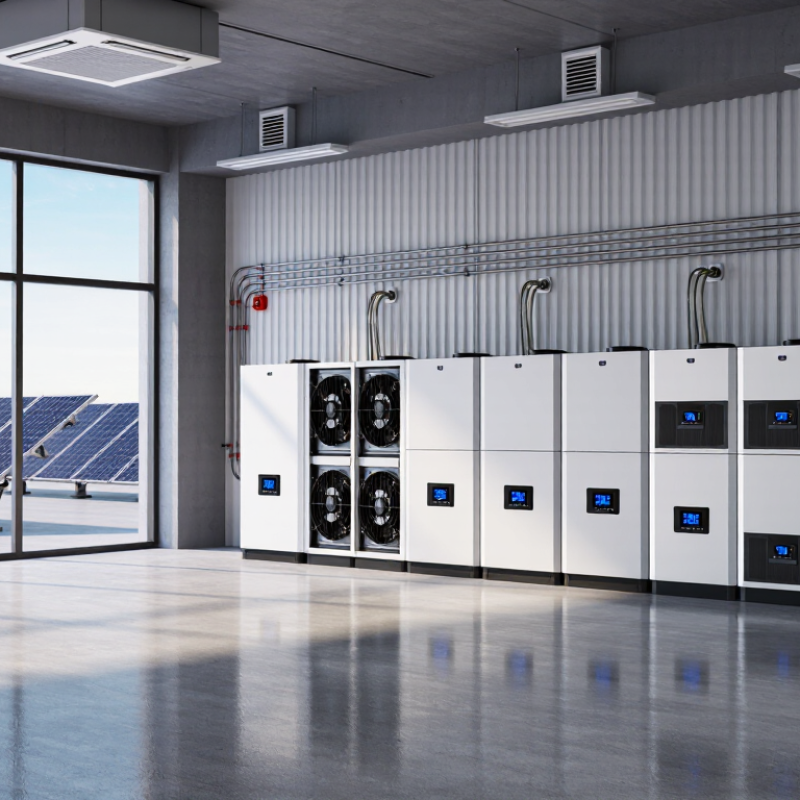
China’s leading solar inverter makers typically design equipment for 10 to 15 years of service. Some units operate longer, but conditions matter. A solar inverter receives direct current from panels and converts it into alternating current for household use or grid export. Its MPPT system continually adjusts voltage and current, helping panels produce energy under changing sunlight.
Inside the enclosure, capacitors, cooling fans, circuit boards, and switching components face daily heat cycles. Dust can block ventilation, while humidity may accelerate corrosion. High temperatures are especially damaging because electronic stress rises quickly inside a hot cabinet. In practice, poor airflow can shorten an inverter’s useful life more than moderate daily use. A longer warranty is helpful, but it does not replace correct installation or maintenance. I would not treat a stated lifespan as a promise.
Tips: Install the inverter in a shaded, dry, and ventilated location. Keep clearance around its vents, and inspect warning lights regularly. Clean dust carefully, without spraying water into the enclosure. Ask a qualified technician to check connections, insulation, and operating temperature. Monitor production data each month; a gradual drop may reveal faults before shutdown. Battery-based systems need extra attention because repeated charging cycles can increase inverter workload. Small maintenance details matter. However, monitoring is not perfect, and occasional unexplained performance changes still require professional testing.
China’s top ten solar inverter brands are best compared by market position, not advertising visibility. Leading suppliers usually combine high shipment volume, strong installer networks, and extensive overseas installations. Their products often appear in utility farms, factory rooftops, and residential systems. Market position also reflects service capacity. A reliable supplier can provide spare parts, firmware support, and trained technicians across several regions.
Field experience shows that a quality inverter commonly operates for 10 to 15 years. Some units last longer in shaded, clean, and well-ventilated locations. Heat changes the picture. An inverter mounted beside a metal roof may face severe afternoon temperatures. Dust, humidity, unstable grids, and poor cable connections can shorten its working life. Regular inspections help, but maintenance cannot correct every design weakness.
The strongest market players usually publish clear efficiency data, protection ratings, warranty terms, and testing records. They also support monitoring platforms that reveal abnormal voltage, fan faults, or temperature rises. Still, market rank is not permanent. A fast-growing supplier may improve quickly, while an established supplier may lose service quality in a distant market. Buyers should check local repair response, replacement procedures, and actual installation references. I have seen impressive datasheets fail under weak after-sales support. That gap deserves more attention.
| Market Position | Typical Product Segment | Expected Service Life | Standard Warranty | Maximum Efficiency | Protection Rating | Common Applications |
|---|---|---|---|---|---|---|
| 1 | Premium utility-scale inverter | 12–15 years | 5–10 years | 98.8–99.2% | IP65–IP66 | Large solar farms and commercial plants |
| 2 | Premium commercial string inverter | 12–15 years | 5–12 years | 98.5–99.1% | IP65–IP66 | Factories, warehouses, and office buildings |
| 3 | Advanced residential string inverter | 10–15 years | 5–10 years | 97.5–98.6% | IP65 | Residential rooftops and small businesses |
| 4 | Hybrid solar-storage inverter | 10–15 years | 5–10 years | 97.0–98.5% | IP65 | Homes and small commercial systems with batteries |
| 5 | Three-phase commercial inverter | 10–15 years | 5–10 years | 98.0–98.8% | IP65–IP66 | Commercial rooftops and distributed generation |
| 6 | Cost-efficient utility inverter | 10–12 years | 5–10 years | 98.5–99.0% | IP65–IP66 | Large-scale projects focused on low energy cost |
| 7 | Standard residential inverter | 10–12 years | 5–10 years | 97.0–98.2% | IP65 | Standard residential rooftop installations |
| 8 | Entry-level hybrid inverter | 8–12 years | 5–8 years | 96.5–98.0% | IP65 | Small homes and backup-power systems |
| 9 | Small off-grid inverter | 8–12 years | 2–5 years | 92.0–96.0% | IP21–IP65 | Remote homes, cabins, and standalone systems |
| 10 | Microinverter and module-level system | 10–25 years | 10–25 years | 95.0–97.5% | IP67 | Shaded rooftops and systems requiring panel-level monitoring |
Note: Service life and efficiency figures are typical industry ranges. Actual performance depends on climate, installation quality, ventilation, operating load, maintenance, and product-specific warranty conditions.
Chinese solar inverters commonly serve for 10 to 15 years, while well-maintained units may operate longer. Their lifespan depends on design, installation, climate, and workload.
NREL’s 2024 photovoltaic cost analysis models inverter replacement around year 15. IEA PVPS Task 13 reliability research also identifies inverters as important sources of long-term system downtime. These figures describe planning assumptions, not promises. Heat matters. An inverter mounted beside a sun-heated wall may run much hotter than one installed in shaded, ventilated space. High temperatures accelerate capacitor aging and can shorten service life.
Leading Chinese manufacturers typically offer standard warranties of five to ten years, with extensions sometimes reaching fifteen years. A warranty period is not the same as operating life. In field maintenance, technicians often inspect cooling fans, filters, terminals, and error logs before replacing equipment. Dust buildup can block airflow. Coastal humidity can corrode connectors. Repeated grid interruptions may also stress switching components.
Practical lifespan varies by application. A residential inverter with moderate daily loading may exceed fifteen years. A commercial unit working near maximum output every day may require earlier repair or replacement. Oversizing the array without checking the inverter’s thermal limits can create avoidable stress. That estimate is imperfect. Better monitoring, cooler installation, and timely firmware updates may extend useful operation, but aging components remain difficult to predict.
Solar inverter service life usually ranges from 10 to 15 years, but operating conditions matter more than a catalogue promise. NREL and Sandia National Laboratories’ photovoltaic operation and maintenance guidance uses this range for planning replacement cycles. A lifespan estimate is not a guarantee. A rooftop inverter facing direct afternoon sun may age faster than one installed in a shaded, ventilated utility room.
Heat is the strongest enemy. Internal temperatures rise during heavy output, especially when airflow is blocked by dust or leaves. Frequent thermal cycling also stresses capacitors, solder joints, and switching components. NREL’s review of photovoltaic degradation reports a median module degradation rate near 0.5% per year, but inverter wear follows different patterns. Comparing both figures directly would be misleading. It is an easy mistake.
Humidity, salt mist, vibration, and poor electrical connections create additional risk. In coastal areas, corrosion can reach terminals and cooling hardware before the enclosure looks damaged. Oversized or undersized systems may also operate inefficiently. Regular inspections should check fan noise, error logs, cable heating, and ventilation clearance. The International Electrotechnical Commission’s IEC 62446-1 standard supports documented inspection and testing practices, although it does not promise a fixed service life.
Preventive maintenance can delay replacement, but it cannot reverse aging capacitors. In my experience, neglected dust is often more visible than the real electrical problem. That deserves attention. verter replacement planning should consider local climate, warranty terms, repair access, and expected energy losses.
A solar inverter may operate for 10 to 20 years, but lifespan depends on heat, humidity, load, and maintenance. In field inspections, rooftop units often age faster when airflow is blocked by dust or leaves. Warranty length matters, yet a long warranty does not guarantee easy service. Read coverage carefully. Check whether it includes labor, shipping, replacement parts, and onsite diagnosis. Some warranties decline after fixed operating hours or require approved installation. That detail can change the real value.
For a serious comparison, examine warranty exclusions beside reliability evidence. Look for published failure-rate data, independent testing, and clear service procedures. A five-year warranty with local spare parts may outperform a longer promise supported by distant logistics. Ask how quickly a replacement can arrive during peak summer production. Also check monitoring quality. A useful platform should show temperature, fault codes, grid events, and repeated shutdowns. These records help technicians find problems before a capacitor or cooling fan fails. Small details matter.
Long-term value includes efficiency, repairability, software support, and electricity lost during downtime. A cheaper inverter can become expensive after several hot seasons. Still, predictions are imperfect. No datasheet can fully model a salty coastal site, unstable voltage, or poor ventilation. Compare expected energy yield with service costs over ten years, not only the purchase price. Keep installation records and test protection settings after commissioning. That evidence makes warranty claims stronger and future decisions more reliable.
Representative industry benchmarks comparing typical service life with standard warranty coverage across common inverter types.
Typical service life is generally longer than the standard warranty period. Actual performance depends on operating temperature, system loading, ventilation, installation quality, maintenance, and replacement-part availability. These figures are representative market benchmarks rather than guarantees for any specific product.
Most solar inverters operate for about 10 to 15 years. Well-maintained units may last longer. This is a planning estimate, not a promise.
No. Standard warranties often cover five to ten years. Some extensions reach fifteen years, but equipment may continue operating after coverage ends.
Heat accelerates capacitor aging and stresses switching components. A unit beside a sun-heated wall may age faster. Shade and airflow help.
Choose a shaded, ventilated location with clear space around the enclosure. Avoid blocked airflow, direct afternoon sun, and areas near hot walls.
Yes. Dust or leaves can restrict ventilation and raise internal temperatures. Regular cleaning and inspections may prevent avoidable stress.
Technicians should inspect cooling fans, filters, terminals, cable heating, ventilation clearance, and error logs. Strange fan noise deserves attention.
Salt mist and humidity can corrode connectors and cooling hardware. Corrosion may begin before visible enclosure damage appears. Coastal systems need closer inspection.
Yes. Residential units with moderate loading may exceed fifteen years. Commercial units near maximum output daily may need earlier repairs or replacement.
Oversizing the array without checking thermal limits can create unnecessary stress. Undersizing may also reduce efficiency. The correct design is not always obvious.
Consider climate, warranty terms, repair access, monitoring data, and expected energy losses. Firmware updates and cooler installation may extend useful operation. Still, aging components remain difficult to predict.
This article explains how solar inverters convert the direct current produced by solar panels into usable alternating current, and why their service life is essential to the performance and financial return of a solar energy system. It reviews China’s top ten solar inverter brands by overall market position without focusing on specific brand names, comparing their typical product lifespans, reliability, warranty coverage, and long-term value. A key question for buyers is: what is the lifespan of a solar inverter? In general, modern inverters can operate reliably for around 10 to 15 years, while some well-maintained models may last longer depending on their design and operating environment.
The article also examines factors that influence inverter longevity, including temperature, humidity, dust, ventilation, electrical conditions, installation quality, maintenance, and workload. By comparing expected service life with warranty terms, efficiency, monitoring features, replacement costs, and after-sales support, readers can make a more informed decision and select an inverter that offers dependable performance throughout the life of their solar power system.

Smart Energy