As solar energy becomes a crucial resource, understanding what happens to solar power at night is increasingly important. Experts like Dr. Sarah Thompson, a leading researcher in renewable energy, emphasize, “The challenge is not just capturing sunlight, but what to do when it disappears.” This statement highlights the urgency of energy storage solutions.
During the day, solar panels convert sunlight into useable energy. However, the onset of night leaves us with a significant energy gap. This gap can lead to over-reliance on traditional power sources. Moreover, the question of how to store solar energy for nighttime use is pressing. Current battery technologies can only hold limited energy.
Researchers are exploring innovative options, like advanced battery systems and hydrogen fuel. Yet, many solutions remain in early development stages. We must question if current advancements will be sufficient for a real transition. What happens to solar power at night remains a vital topic for sustainable energy futures. Exploring these solutions may hold the key to maximizing solar potential.
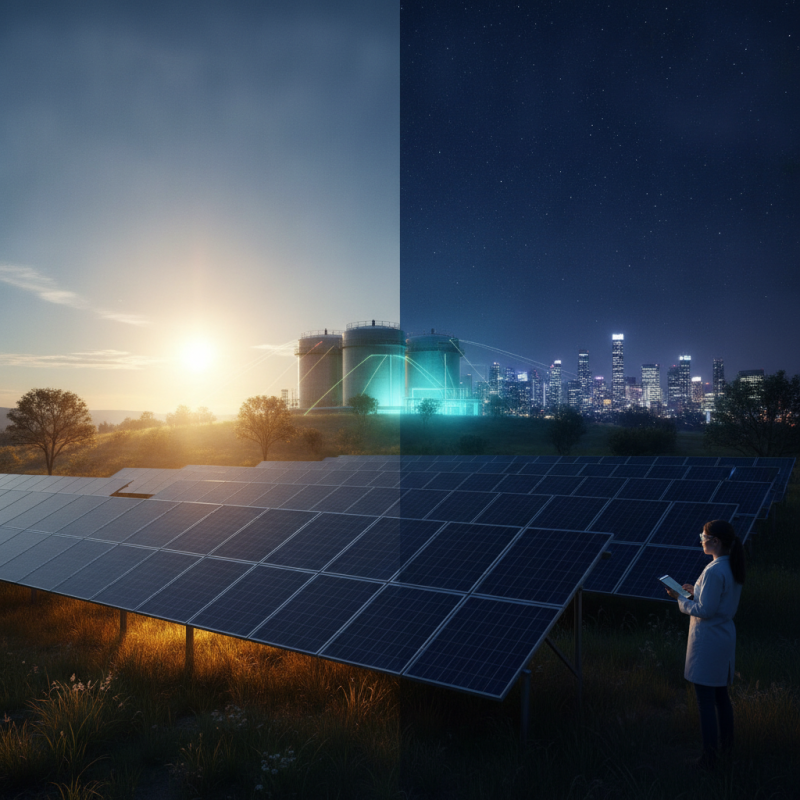
Solar power generation is highly effective during the day, thanks to sunlight. However, its limitations become evident at night. Solar panels generate electricity only when exposed to sunlight, leading to a significant drop in energy availability after sunset. This presents a substantial challenge for energy storage to ensure a continuous power supply.
Current research highlights the dynamic nature of solar energy production. According to the Solar Energy Industries Association, the U.S. solar capacity surpassed 100 GW in 2021. Yet, only around 25% of this energy is typically stored for later use. Efficient energy storage solutions remain a crucial area of focus. Options like lithium-ion batteries and pumped hydro systems are gaining traction, but each has its own drawbacks. For instance, lithium-ion batteries can lose efficiency over time and are dependent on rare materials.
Tip: Consider energy management strategies. Using solar energy during peak production hours can enhance efficiency. Try to schedule high-energy tasks for sunny days.
Another point to reflect on is the sustainability of large-scale solar energy systems. The Environmental Impact Assessment reports that while the carbon footprint of solar is lower than fossil fuels, the production and disposal of panels pose environmental questions. As the technology evolves, balancing efficiency with ecological responsibility will be essential.
Tip: Stay informed about local incentives for solar energy usage. These can help offset costs associated with energy storage innovations.
As solar power gains popularity, the challenge of energy storage becomes increasingly important. Solar panels generate electricity during the day but stop at night. This creates a gap that needs to be filled. Energy storage solutions offer a way to bridge this divide.
Batteries, pumped hydro storage, and other technologies are crucial. They store excess energy generated during sunlight hours. However, current storage options have limitations. For example, batteries can be expensive and often require rare materials. Their environmental impact is also a concern.
The quest for improved storage methods must continue. Can we find more sustainable solutions? Research is focusing on innovative approaches. These include using gravity, thermal energy, and even hydrogen. The future of solar power depends on our ability to solve this storage challenge effectively.
Storing solar energy for nighttime use is a growing challenge in the renewable sector. Current technologies primarily include lithium-ion batteries, flow batteries, and thermal storage. According to a report from the International Renewable Energy Agency (IRENA), by 2030, global battery storage capacity could reach 320 gigawatt-hours. This would significantly aid in balancing energy supply and demand.
Lithium-ion batteries are the most widely used today. They can store energy efficiently, but they have a limited lifespan, typically around 10-15 years. Flow batteries, while offering longer life and scalability, are still relatively costly. Thermal storage, which uses materials like molten salt, can retain heat for extended durations. The National Renewable Energy Laboratory (NREL) indicates that thermal storage can have efficiency rates up to 90%.
Tip: Consider integrating solar panels with battery storage systems to maximize energy usage during peak hours and nighttime.
Despite advancements, some potential issues remain. The environmental impact of battery production and disposal needs careful consideration. Additionally, innovations in materials science may pave the way for more sustainable storage methods. The quest to improve efficiency continues as the industry seeks solutions to enhance energy retention.
Tip: Explore local incentives for renewable storage solutions for better investment decisions.
Solar power has transformed energy production during the day, but the challenge arises at night. Storing solar energy is critical for ensuring a continuous power supply. Innovations in solar power storage are rapidly evolving, offering both exciting prospects and significant challenges.
Current storage solutions include batteries and thermal systems. These methods capture excess solar energy during the day for nighttime use. However, many technologies are still expensive and require further development. Research is ongoing to improve efficiency and reduce costs. The goal is to make solar storage accessible for all.
Tips: Consider investing in home solar battery systems. Monitor the latest advancements in energy storage technologies. Stay informed about local energy regulations and incentives to maximize your benefits. The journey toward effective solar power storage is ongoing. We must address challenges while embracing innovative solutions.
Solar power is known for its abundance during the day, but what occurs when the sun sets? As solar energy becomes a key player in our renewable future, understanding nighttime energy accessibility is vital. One solution to this challenge lies in energy storage technologies. Advances in battery systems allow us to store excess solar energy generated during the day, providing power even when the sun isn’t shining.
Innovations in energy storage are gaining traction. Lithium-ion batteries have become a popular choice. They are efficient, but there are concerns about their sustainability and cost. New alternatives, like flow batteries, are being explored. These systems offer potential benefits, yet they still face hurdles. Scalability and longevity must be addressed before widespread adoption is feasible. As we push toward a renewable energy future, these challenges invite reflection and innovation in storage solutions.
The transition to reliable nighttime solar energy is multifaceted. It's not just about storage; it's also about understanding energy demand. People use electricity differently at night. Adapting solar power systems to balance these demands is crucial. Experts emphasize the need for a comprehensive strategy that includes time-based pricing. This can encourage users to shift their power consumption patterns. Only then can we ensure that solar energy truly becomes a round-the-clock solution.
This chart illustrates the relationship between solar power generation during the day and the corresponding energy storage capacity available for use at night. As solar generation peaks during daylight hours, it is crucial to efficiently store excess energy to ensure accessibility at night.
: Current technologies include lithium-ion batteries, flow batteries, and thermal storage systems.
Thermal storage can achieve efficiency rates up to 90%, using materials like molten salt.
Lithium-ion batteries typically last around 10 to 15 years before needing replacement.
Flow batteries offer longer life but are still relatively costly and not widely adopted.
Environmental impact from battery production, high costs, and efficiency improvements are significant challenges.
Integrating solar panels with battery systems helps store energy for nighttime use and peak hours.
Yes, exploring local incentives can enhance investment in renewable storage technologies.
Ongoing research aims to improve efficiency and reduce costs for accessible solar storage solutions.
Storing solar energy ensures a continuous power supply, especially when sunlight is not available.
Monitor advancements in technology and stay informed about local regulations and incentives.
The article "What Happens to Solar Power at Night Can We Store It?" explores the essential dynamics of solar power generation and the significant limitations associated with its intermittent nature. During nighttime, solar energy production ceases, raising crucial questions about energy storage and accessibility. To address this, the article outlines the current technologies available for storing solar energy and highlights innovations that present both prospects and challenges in enhancing storage capacity. By examining various energy storage solutions, the discussion emphasizes the importance of developing effective systems to ensure that what happens to solar power at night is effectively managed, thus paving the way for a sustainable energy future. Ultimately, the article envisions a future where solar power can be harnessed and utilized even after sunset, benefiting energy accessibility for all.

Smart Energy