The potential of solar energy extends beyond sun-drenched days. A pressing question arises: can solar panels work without direct sunlight? James Thornton, a solar energy expert, states, “Solar panels can generate electricity even on cloudy days.” This insight shows their versatility and resilience.
Solar panels capture diffuse sunlight. They rely on photons, which are present even under overcast skies. This means energy production continues, albeit at a reduced efficiency. Many people underestimate this capability, thinking sunlight is the only factor. This misconception can affect purchasing decisions.
In regions with frequent rainfall or cloudy climates, understanding this reality is crucial. Consumers often seek alternatives, not realizing their existing solar systems still perform. Even a faint glow can power homes. While fewer panels may be productive without direct sunlight, they still hold value. It's essential to evaluate these aspects when considering solar energy solutions.
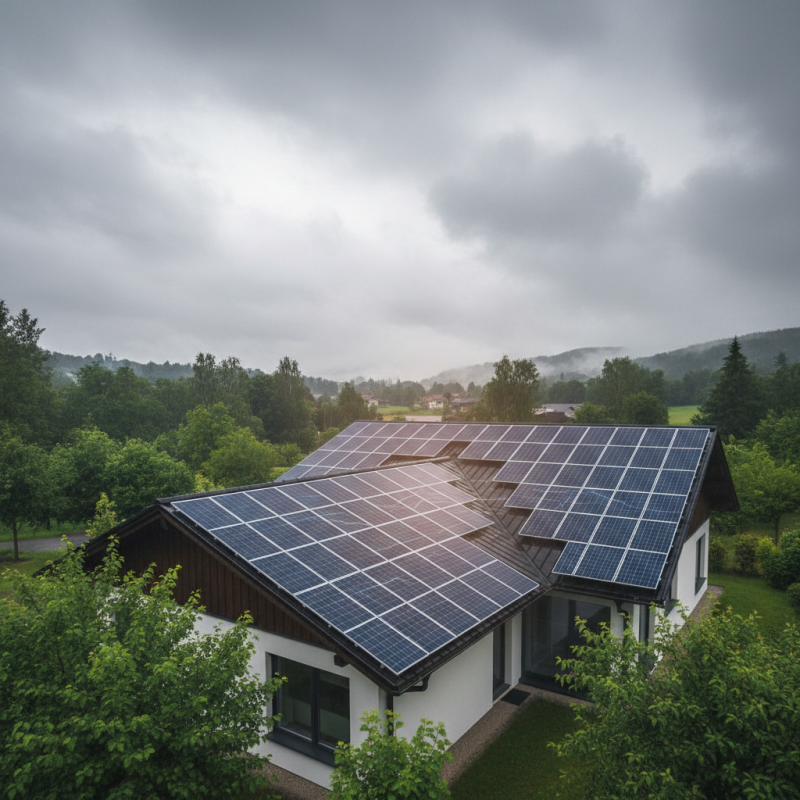
Solar panels can generate electricity even under indirect sunlight. This ability stems from their design and the materials used. Photovoltaic cells convert solar energy into electrical energy through the photovoltaic effect. According to the U.S. Department of Energy, solar panels can produce about 10-25% of their maximum output on overcast days. This means that households can rely on solar energy, even in less than ideal light conditions.
Different light conditions impact solar panel efficiency. In shady environments, panels can still function effectively. Studies show that a clear daylight ambient can result in significant energy output. Research from the National Renewable Energy Laboratory indicates that technology advancements improve energy production in lower light scenarios. Even though performance drops under cloud cover, solar panels remain productive. This highlights the adaptability of solar technology in various weather conditions.
However, some challenges remain. A complete lack of direct sunlight will limit the overall energy production. In areas prone to long winters or persistent cloud cover, users might experience decreased efficiency. The balance between energy needs and environmental factors should be considered in solar panel installations. Ultimately, understanding their performance in different light conditions helps maximize the benefits of solar energy.
Solar panels are a remarkable technology. They convert sunlight into electricity, but many might wonder about their efficiency without direct sunlight. The science of solar energy conversion reveals interesting facts. Solar panels can generate energy even in cloudy conditions or indirect sunlight. They work best when exposed to light, regardless of weather.
Photovoltaic cells convert photons from light into electrons. This process is not limited to bright sunlight. Ambient light also contributes to energy production. In fact, some solar panels can perform at 20% efficiency on overcast days. This adaptability is essential for maximizing energy output in various environments.
Tips: To improve your solar panel efficiency, ensure they are clean. Dust and debris can block sunlight. Regular maintenance is key. Additionally, consider the angle of installation. A slight tilt can enhance exposure to available light, especially in shaded areas. Remember, while solar panels excel in sunny environments, they provide reliable energy even without direct sunlight.
Solar panels can indeed function effectively in indirect or diffused light environments. This is an important point for homeowners in areas with frequent cloud cover or shaded regions. While the efficiency of solar panels might decrease compared to direct sunlight, they still produce energy. Even on cloudy days, panels can capture available light.
Indirect light can come from reflections, ambient light, or even scattered sunlight. Many solar panels are designed to optimize performance in various light conditions. This means that the energy output may still be significant, even in less-than-ideal situations. It is crucial to consider installation angles and locations. Some spots may offer better performance due to unique light exposure.
Investing in solar technology is more than a simple choice. It's a commitment to sustainability. However, potential buyers should reflect on their specific environment. Not all installations guarantee high energy yield. It’s wise to seek expert advice tailored to individual circumstances. Ensuring the right setup is key to maximizing solar benefits.
This bar chart illustrates the energy output of solar panels under different light conditions. Direct sunlight provides the highest energy output, while shaded areas yield significantly less energy. Understanding these variations can help in optimizing solar panel installations in diverse environments.
Solar panels can indeed generate electricity in low light conditions. While direct sunlight maximizes their efficiency, panels can still operate effectively in overcast weather or shady environments. Studies show that under cloudy conditions, solar panels can produce 10-25% of their capacity. This means they are not entirely useless without direct sunlight.
Several factors influence solar panel efficiency in these low light situations. One of the primary factors is the type of solar technology used. For example, monocrystalline panels generally outperform polycrystalline ones in low light. Research indicates that monocrystalline panels can maintain about 20% efficiency under low light, compared to approximately 15% for their polycrystalline counterparts.
Additionally, the angle and orientation of the panels play crucial roles. Panels positioned at optimal angles can capture more diffuse sunlight. Dust, dirt, and debris can also reduce efficiency, even in low light. Regular maintenance is essential to ensure maximum output. It's clear that while solar panels face challenges in low light, they still provide an opportunity for energy generation that deserves further exploration.
Solar panels can capture sunlight even on cloudy days. They convert diffuse sunlight into energy. This makes them useful in various weather conditions. Often, people think solar panels are ineffective without direct sunlight. However, this is a misconception.
In rainy or overcast weather, solar panels can still generate power. Light penetrates clouds, allowing solar cells to function. Their efficiency may drop, but they still provide significant energy. For example, homes in areas with frequent clouds can still benefit from solar power. Many households report energy savings, regardless of weather conditions.
Tips: Regular maintenance can enhance performance. Clean panels to remove dirt and debris. Monitor output to ensure systems are working correctly. It’s also wise to complement solar energy with other sources during harsh weather.
A backup power system may be necessary. Solar energy production will fluctuate. Having a secondary power source can provide peace of mind. Understanding these details is crucial for those considering solar power. Relying solely on sunny days is unrealistic. Embracing the full potential of solar panels means adapting to diverse weather scenarios.
| Condition | Solar Panel Efficiency (%) | Energy Production (kWh/m²) | Recommended Use |
|---|---|---|---|
| Clear Sunny Day | 20-22 | 5.0 | Optimal for residential solar panels |
| Partly Cloudy | 15-18 | 3.5 | Good for homes with flexibility in energy usage |
| Overcast | 10-12 | 2.0 | Suitable for urban areas with high panel installation |
| Rainy | 8-10 | 1.0 | Can still produce power, but limited |
| Snowy | 6-8 | 0.5 | Potential for power production, but often needs clearing |
: Yes, solar panels can generate electricity even in indirect sunlight.
They can produce about 10-25% of their maximum output on overcast days.
Photovoltaic cells convert photons from light into electrons, driving energy production.
A lack of direct sunlight limits energy production; cloudy skies can decrease efficiency.
Keep panels clean and ensure proper installation angles for better light exposure.
Yes, specific conditions can affect energy yield; expert advice is beneficial.
Indirect light from reflections, ambient, or scattered sunlight can still be useful.
No, performance varies; some panels are better optimized for low light conditions.
Yes, long winters can lead to decreased efficiency and energy production.
Not necessarily; unique light exposure is crucial for maximizing output.
The article explores the question, "can solar panels work without direct sunlight?" and delves into the functionality of solar panels in various light conditions. It explains that solar panels can indeed generate electricity even in indirect or diffused light, thanks to their ability to convert a wide spectrum of sunlight. The science behind solar energy conversion highlights how photovoltaic cells respond to available light, enabling energy production regardless of weather conditions.
Additionally, the article discusses the benefits of utilizing solar energy in environments with low light, such as cloudy days or shaded areas. Factors influencing the efficiency of solar panels in low light situations are also examined, including panel quality and installation angle. Finally, practical applications of solar panels across different weather conditions demonstrate their versatility and reliability, making them a viable energy solution even when direct sunlight is not present.

Smart Energy