Choosing the right solar system for your home is crucial. Many homeowners ask, "what size solar system do I need for my home?" This question is not just about energy production but also about efficiency and cost. A well-sized solar system can reduce your energy bills significantly. However, picking the right size can be tricky.
Consider factors such as your energy consumption, location, and the available sunlight. Each home is unique, and one-size-fits-all approaches may lead to overspending. It's essential to analyze your needs and potential solar output. Sometimes, homeowners underestimate their energy use or overestimate sunlight hours. These miscalculations can lead to frustration and wasted investment.
Consulting with professionals is a valuable step. Expert guidance can help narrow down your options. You might think you need a larger system, but it could be more efficient to optimize what you already have. Reflecting on your actual energy needs and patterns is vital. Engaging in this process leads to smarter decisions and a sustainable investment in solar technology.
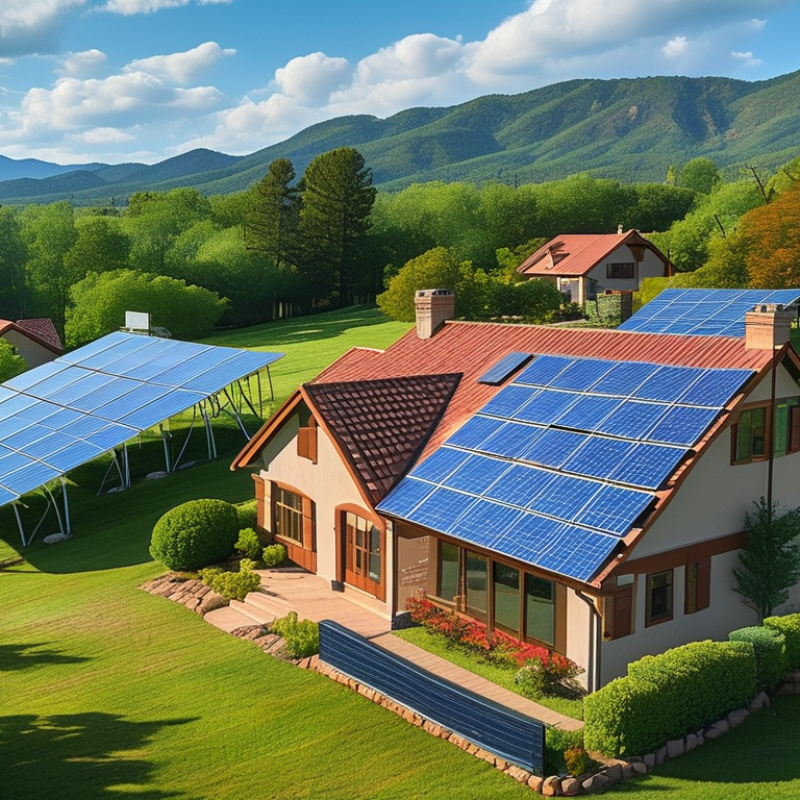
Understanding your home's energy needs is crucial when deciding on a solar system size. Start by evaluating your monthly electricity consumption. Check your utility bills for the last year. Multiply your average monthly usage by 12 to get your yearly need. This gives a clearer picture of the total energy you require.
Energy efficiency is key. Inspect your appliances and consider upgrading to energy-efficient models. This can significantly lower your energy consumption. Also, think about insulation and windows. Drafty areas can waste energy and inflate your needs. A well-insulated home needs a smaller solar system.
When determining solar size, consider factors like location and sunlight hours. A house in sunny regions may require a smaller system to meet the same needs as one in a cloudier area. Finally, assess your future energy requirements. Will you add high-energy appliances? Factor this in for a more accurate solar system size. Making informed decisions is essential.
| Parameter | Typical Value | Description |
|---|---|---|
| Average Monthly Electricity Usage | 800 kWh | Typical household consumption in the U.S. |
| Solar Panel Output | 300 W | Average output of a standard solar panel. |
| Sunshine Hours per Day | 5 hours | Average sunlight received per day. |
| Total Solar Panel Output Needed | 5 kW | Total system capacity required to meet usage. |
| Number of Panels Required | 17 panels | Calculated based on total output needed. |
Calculating the right size for your solar system is essential for maximizing efficiency. First, assess your energy needs by reviewing past electricity bills. This helps you understand how much power you consume monthly. Keep in mind that light usage varies seasonally. Consider your family’s habits and future needs, like adding electric vehicles.
It’s also crucial to think about your roof space. The amount of sunlight your home receives impacts system size. Shade from trees or buildings can affect solar production. Evaluate your roof's angle and condition too. A roof in good shape allows for better installation and longevity of the solar system.
Estimating your energy usage brings its own challenges. Some homeowners underestimate their power requirements. Evaluating this accurately can save you from costly installations later. Adjustments or expansions may be necessary if your needs change. Always calculate with a margin for fluctuations in energy consumption. Understanding these factors leads to a more tailored solar solution for your home.
Evaluating the efficiency of solar panels is crucial when sizing a solar system for your home. Different panels have varying efficiency ratings, which directly affects the amount of energy they can generate. High-efficiency panels typically produce more power in a smaller area, making them ideal for homes with limited roof space. Research various panel types and their efficiencies before installation.
Consider the following tips to ensure you choose the right system. First, assess your energy needs. Analyze past utility bills to understand your monthly consumption. Next, evaluate roof orientation and shading. A south-facing roof with minimal shade generates the most energy. Also, factor in local climate conditions, as they influence solar production.
Another aspect to ponder is the installation quality. Hiring experienced professionals can make a significant difference. Poor installation can lead to lower efficiency and long-term issues. Lastly, stay updated on technology trends. Innovations in solar technology are happening regularly. There may be more efficient options available than when you last checked. Balancing your needs with efficient options will ensure a well-functioning solar system for years to come.
This bar chart compares the efficiency of different types of solar panels based on their energy output per square meter. The data can help homeowners understand which solar panel options might fit best with their energy needs.
Considering local solar incentives can significantly impact your decision when choosing the right solar system for your home. In many areas, incentives can cover a substantial portion of the installation cost. For example, the Database of State Incentives for Renewables & Efficiency (DSIRE) reports that some regions offer rebates up to 30% off the total expenses. This can make solar energy more accessible and affordable for homeowners.
Understanding your local incentives is crucial. Research state and federal tax credits, which may apply to your situation. Some places have performance-based incentives that pay you for the power generated by your solar system. Check eligibility criteria as they can vary.
Evaluate your energy consumption. It’s essential to create an accurate assessment. A home that uses 900 kWh a month will require a system around 6 kW. This size may qualify for local rebates. Remember to account for shading and roof orientation, as both play a vital role in system efficiency. Proper evaluation can help maximize savings.
To optimize your investment, consult with local solar experts. They can provide region-specific data and insights. Every home is unique, and so are solar needs. It’s worth investing time upfront to ensure you are making an informed decision.
When considering solar energy for your home, roof orientation and space are critical factors. A south-facing roof captures the most sunlight throughout the day. According to the National Renewable Energy Laboratory, optimal orientation can boost energy efficiency by about 20%. If your roof faces east or west, you may still benefit, but expect reduced performance.
Assess your roof's available space. A standard solar panel requires about 17.6 square feet. If your roof is small or shaded, it might limit system size. More panels mean more energy, but space constraints can lead to inefficiencies. Homeowners should calculate how many panels fit and then evaluate potential energy output.
Consider these aspects carefully. A roof with less than 350 square feet may only support a small system. You might need to adjust your energy consumption expectations based on available space. Remember, even a small system can offset a portion of your electricity bill, but it's essential to know what suits your home best. Always consult a solar energy expert for thorough evaluations tailored to your requirements.
: Review past electricity bills to assess monthly energy needs. Consider seasonal light usage variations.
Evaluate roof space, angle, and condition. Sunlight exposure and shading impact energy production.
Underestimating power needs can lead to costly installations. Calculating accurately prevents future adjustments.
Different panels have varying efficiencies. High-efficiency panels are best for homes with limited roof space.
A south-facing roof with minimal shade generates the most energy. Evaluate shading from trees and buildings.
Professional installation affects efficiency. Poor workmanship can cause long-term issues.
Local climate impacts energy generation. Consider weather patterns when planning your system.
Yes, innovations occur regularly. New, efficient options may become available after your initial research.
Determining "what size solar system do I need for my home" involves several key considerations. First, it's essential to understand your home's energy needs by analyzing past electricity bills and identifying peak consumption times. This data helps you calculate the required solar system size to meet your energy demands effectively.
Next, evaluate solar panel efficiency, as higher efficiency panels can generate more energy in less space, impacting the size of the system needed. Additionally, local solar incentives can significantly influence your decision, as they may offset installation costs and enhance overall savings. Lastly, consider your roof's orientation and available space, as these factors will affect the optimal placement and number of panels required for maximum sunlight exposure and energy production. By systematically addressing these areas, you can make an informed decision on the appropriate size for your solar system.

Smart Energy