How to Maintain Your Solar Power System for Maximum Efficiency?

Time:2026-05-05 Author:Henry
0%

Maintaining a solar power system is crucial for ensuring its efficiency and longevity. According to Dr. Linda Green, a leading expert in renewable energy, “Proper maintenance can significantly enhance the performance of solar panels.” Her insight emphasizes the need for regular checks and timely interventions.

Solar panels can gather dirt, debris, and even bird droppings, which can hinder their performance. It is vital to clean them regularly and inspect connections for wear and tear. Neglecting to check these elements may result in reduced energy output. This can be frustrating for homeowners who rely on solar systems for energy savings.

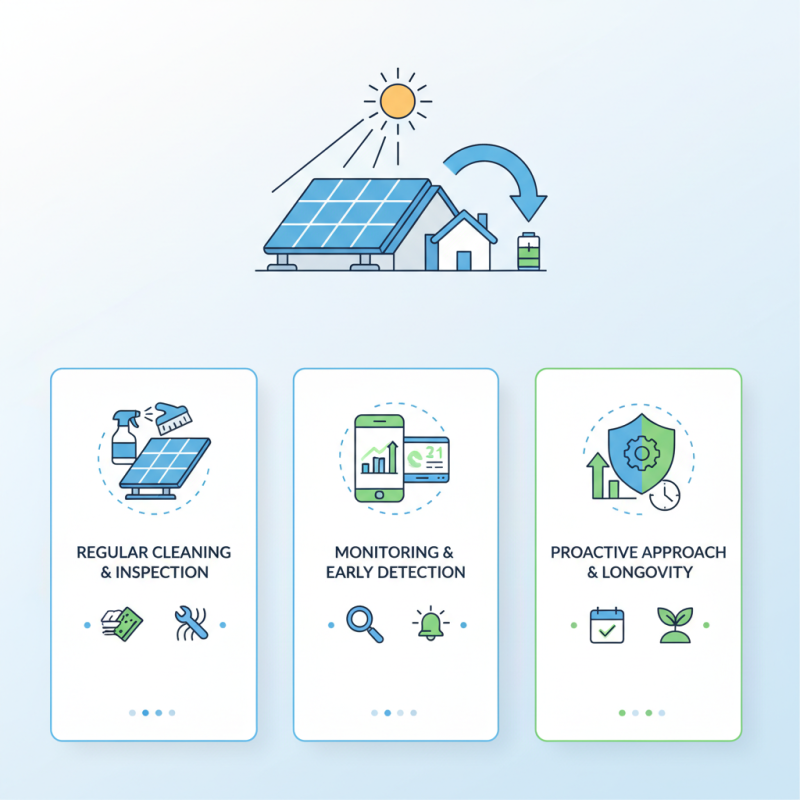
Moreover, proper monitoring can help detect issues early. Tools like apps and dedicated monitors can provide real-time performance data. Yet, many users overlook this technology. Understanding how to maintain a solar power system properly requires dedication and a bit of expertise. A proactive approach will not only preserve the efficiency of your solar power system but also extend its lifespan.
How to Maintain Your Solar Power System for Maximum Efficiency?

Understanding the Basics of Solar Power Systems

Understanding solar power systems is crucial for anyone considering renewable energy. Solar power systems capture sunlight and convert it into electricity. A typical solar panel system includes photovoltaic panels, an inverter, and a battery storage unit. According to the U.S. Department of Energy, the efficiency of solar panels can vary significantly, generally ranging from 15% to 20%. This means not all sunlight gets converted into usable energy.

Regular maintenance enhances efficiency. It is vital to keep panels clean and free from debris. Dust can reduce energy absorption by up to 25%. Inspections should be conducted at least twice a year. Checking for wear and tear can prevent major repairs. A study from the National Renewable Energy Laboratory shows that systems with proactive maintenance yield 15% more energy over five years compared to those neglected.

Understanding the components and their performance metrics is equally important. Knowing how an inverter functions can aid in spotting issues early on. Inverters typically have a lifespan of 5 to 10 years. Monitoring technology also helps track performance. However, some consumers only react after noticing a dip in efficiency. This reactive approach can lead to lost energy and increased costs. Awareness and education about these systems can empower users to achieve better outcomes.

Regular Inspection and Cleaning of Solar Panels

Regular inspection and cleaning of solar panels is vital for maintaining efficiency. Dust, dirt, and debris can accumulate on your panels, blocking sunlight. This blockage reduces energy output. Performing regular check-ups ensures any issues are identified early. Look for cracks, loose connections, or discoloration. These could indicate more serious problems.

Cleaning your solar panels is also crucial. Rain can wash away some dirt, but it’s not always enough. Depending on your location, a thorough clean may be needed every few months. Use soft brushes or special solar panel cleaners to avoid damage. Never use harsh chemicals. Inspections and cleanings require careful planning, but they pay off in the long run.

It’s easy to overlook maintenance. When your system runs smoothly, you may forget about inspections. This can lead to decreased efficiency over time. Consider setting reminders for regular inspections and cleaning sessions. Use this as an opportunity to educate yourself further about solar technology. Understanding your system helps you spot potential issues before they escalate.

Monitoring System Performance and Energy Output

Monitoring your solar power system's performance is essential for optimal energy output. Regular checks can reveal issues, such as decreased efficiency or inverter problems. Use a monitoring system to track metrics like energy production and consumption. Make sure your system records this data in real time. Observing these metrics lets you catch potential problems early.

Sometimes, performance dips occur due to external factors. Dirty panels can reduce sunlight absorption. Regularly inspect your panels for dust or debris. Clouds can also impact energy output. Compare data during sunny and cloudy days to understand how weather affects your system.

Pay attention to your inverter's performance. Signs of malfunction may include unusual noises or error messages. Take notes on its behavior over time. This habit can help in diagnosing issues. Reflect on your monitoring practices. Are you consistent? A structured approach can enhance the reliability of your solar system. Keep evaluating and adjusting your methods to ensure maximum efficiency.

Identifying Common Issues and Their Solutions

To keep your solar power system running efficiently, it's essential to identify common issues promptly. One frequent problem is dirt accumulation on solar panels. Dust, debris, and even bird droppings can significantly reduce energy output. Cleaning panels regularly with water and a soft brush helps maintain their effectiveness. Consider checking them every few months.

Another critical issue is shading. Nearby trees or buildings might cause partial shading on your panels. This can reduce the overall energy production. Evaluating the surroundings once a year can help you make better decisions about landscaping or even relocating panels. If you notice any significant shading, addressing it quickly can restore efficiency.

Finally, watch for electrical issues, like damaged wiring or inverter problems. Inspect connections and components regularly for signs of wear. Sometimes, odd noises or flickering lights indicate deeper electrical issues. Consulting a professional for troubleshooting may be necessary. Regular checks and prompt action can ensure your solar system remains reliable.

Solar Power System Efficiency Maintenance

Proper Maintenance Schedules for Longevity and Efficiency

Regular maintenance is crucial for optimizing a solar power system's efficiency. Industry experts recommend a maintenance schedule that includes semi-annual inspections. Cleaning solar panels should occur at least twice a year to prevent dust and debris accumulation. Studies show that dirty panels can lose up to 25% of their efficiency. This loss highlights the importance of regular attention to your system.

Battery maintenance is another critical aspect. Monitoring battery levels and ensuring proper charging helps extend battery life. A report from the National Renewable Energy Laboratory states that neglected batteries can lose 50% of their capacity over time. Keeping batteries free from corrosion is essential. Inspect terminals quarterly for any signs of wear or damage.

Inverter checks also play a significant role. The inverter is the heart of the solar power system. Regular diagnostics can detect issues before they escalate. A comprehensive inspection should involve checking for error codes and ensuring optimal performance. Over time, heat can cause wear, reducing efficiency. Regular monitoring helps maintain peak performance and prevents costly repairs.

FAQS

: Why is regular inspection important for solar panels?

: Regular inspections help identify issues like cracks or loose connections. This prevents decreased efficiency over time.

How often should I clean my solar panels?

Clean your panels every few months. Local conditions can influence how often they need cleaning.

What should I use to clean my solar panels?

Use soft brushes or special cleaners. Avoid harsh chemicals to prevent damaging the panels.

What are signs of inverter problems in my system?

Unusual noises or error messages may indicate inverter issues. Monitor its behavior over time.

How does weather affect solar energy output?

Clouds and dirt can block sunlight. Compare energy production on sunny versus cloudy days to see effects.

What should I do if my panels are shaded by trees or buildings?

Evaluate the surrounding area yearly. Consider trimming trees or relocating panels to maximize sunlight exposure.

How can I monitor my solar system’s performance?

Use a monitoring system to track energy production and consumption in real time. Regular checks reveal potential issues.

What common maintenance issue should I look for?

Dirt and debris accumulation on panels can reduce output. Regular cleaning is necessary to maintain efficiency.

How can I stay consistent with solar panel maintenance?

Set reminders for inspections and cleaning. Developing good habits helps ensure long-term efficiency.

What should I do if I find damaged wiring during inspection?

Regularly check connections for wear. Consult a professional for help if you notice significant damage.

Conclusion

To ensure your solar power system operates at maximum efficiency, it is essential to understand the fundamentals of how solar power systems work. Regular inspection and cleaning of solar panels are crucial to remove any dirt or debris that can hinder energy absorption. Monitoring system performance and tracking energy output will help identify any discrepancies that may indicate issues needing attention.

Moreover, being aware of common problems, such as shading or inverter malfunctions, allows you to address them promptly with effective solutions. Establishing and adhering to proper maintenance schedules will significantly contribute to the longevity and efficiency of your system. By learning how to maintain a solar power system properly, homeowners can maximize their investment in renewable energy and enjoy sustained savings on their energy bills.

Henry

Henry

Henry is a dedicated marketing professional with a profound expertise in the company's offerings. With years of experience in the industry, he possesses an impressive understanding of the market dynamics and consumer behaviors that drive success. Henry is committed to sharing his insights through......