Solar energy is a rapidly growing sector. According to the International Energy Agency (IEA), global solar power capacity may exceed 1,000 GW by the end of 2023. As demand rises, the need to optimize how to increase solar system efficiency becomes crucial for maximizing energy output.
Improving solar efficiency is not simply a technical task; it encompasses system design, material choice, and installation practices. Solar panels today can achieve efficiencies ranging from 15% to 22%, according to the National Renewable Energy Laboratory (NREL). However, many installations fail to reach even 80% of their potential output due to various factors like shading or orientation. Reflecting on these issues is essential for the industry to advance.
Initiatives such as regular maintenance, upgrading inverters, and utilizing smart-grid technology can significantly enhance performance. Still, many overlook these steps. Failing to recognize the importance of proper site assessment can lead to subpar energy gain. As we look ahead, understanding how to increase solar system efficiency can redefine the landscape of renewable energy. It is not only about generating energy but generating it effectively.
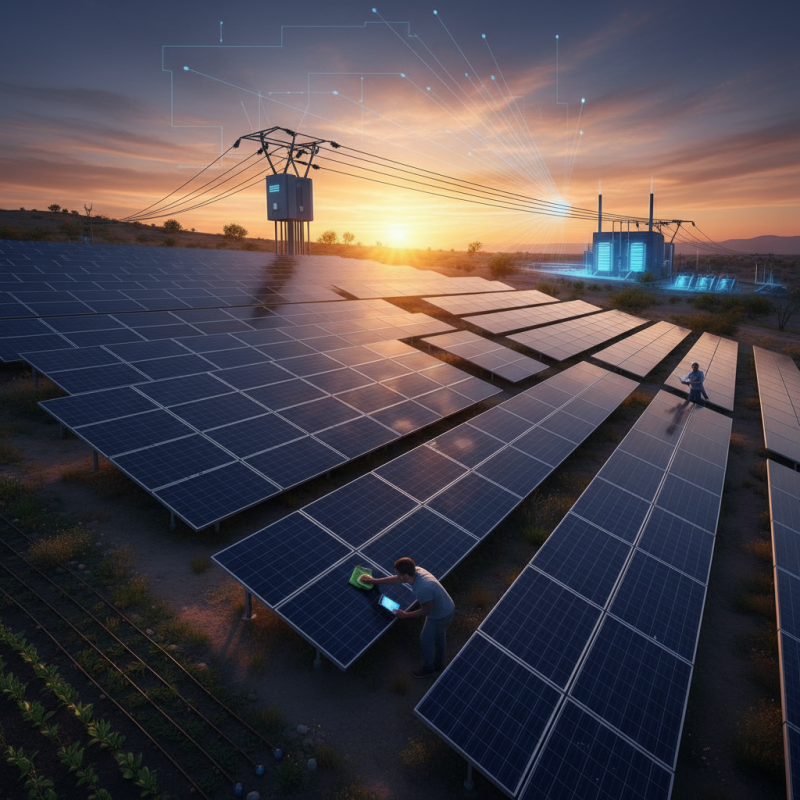
Solar system efficiency is a critical factor in maximizing energy output. The ability of solar panels to convert sunlight into usable electricity determines how much energy we can harness from the sun. High efficiency ratings mean more power generation in smaller spaces. This is especially crucial for urban areas where rooftop space is limited. However, even the most advanced panels can only convert 15-22% of sunlight at best.
Understanding the factors that influence efficiency is vital. Temperature, for instance, plays a significant role. Higher temperatures can decrease panel performance. Regular maintenance is equally important. Dust and debris can accumulate, blocking sunlight and reducing energy output. Monitoring energy production helps identify issues early.
In some cases, system design can impact efficiency. Orientation and tilt of solar panels affect how much sunlight they capture. Exploring local climate conditions can guide installation for optimal performance. While advancements are ongoing, the quest for increased solar efficiency is an evolving challenge. Balancing technology with environmental factors invites continuous reflection and improvement.
The performance of solar panels hinges on several critical factors. Weather conditions play a significant role. Cloud cover and rainy days can lead to reduced energy output. However, occasional cloudy weather can provide a more stable temperature for solar cells. This affects both efficiency and lifespan.
Another key factor is the angle of installation. Solar panels should ideally be positioned to maximize sunlight exposure. A poor angle, however, can lead to significant energy loss. Even slight adjustments in orientation can dramatically improve output. It’s important to continually evaluate your setup.
Temperature is also crucial. While solar panels function better in cooler weather, excessive heat can decrease their efficiency. Understanding the local climate conditions allows for better planning. Regular maintenance is vital too. Cleaning panels can prevent dirt buildup, which may impede sunlight absorption. Neglecting this can lead to decreased performance over time.
Innovative technologies play a crucial role in enhancing solar energy output. According to the National Renewable Energy Laboratory, photovoltaic (PV) panel efficiency has improved significantly. Modern panels can achieve efficiencies exceeding 22%, compared to earlier models with efficiencies around 15%. This leap is largely due to advancements in materials and design, such as bifacial solar panels, which harness sunlight from both sides.
Tracking systems represent another technological breakthrough. These systems adjust the panel's angle to follow the sun, increasing energy capture by up to 30%. Studies indicate that the installation of single-axis trackers can enhance energy yield significantly in various geographical settings. While these systems increase output, they also come with higher initial costs and maintenance needs, raising questions about long-term viability.
Energy storage solutions, like advanced lithium-ion batteries, continue to evolve. These developments ensure that more energy harvested during sunny days can be stored for use during cloudy periods or nighttime. According to BloombergNEF, battery costs have fallen by nearly 90% since 2010, making solar more accessible. Despite these advancements, energy loss during conversion and storage remains a challenge that calls for ongoing innovation and reflection on efficiency strategies.
Maintaining a solar system is essential for optimal energy output. Regular cleaning of solar panels is crucial. Dust, dirt, and debris can significantly reduce efficiency. A study by the National Renewable Energy Laboratory (NREL) indicates that dirty solar panels can lose up to 25% of efficiency. Washing them at least twice a year can help maintain their performance.
In addition to cleaning, pay attention to the inverter. It plays a vital role in converting solar energy into usable power. Monitoring its performance regularly is recommended. If the inverter fails, the entire system can suffer. According to industry reports, understanding inverter issues can prevent a 10-15% drop in energy output.
Another aspect to consider is shading. Even small obstructions can result in lower productivity. A 2019 report found that shading affects solar output by as much as 30%. Regularly inspect surrounding trees or buildings for any potential shade. This proactive approach can help in increasing overall system efficiency and ensuring better energy output.
Location and weather significantly impact solar system efficiency. Solar panels perform best in sunny, dry climates. According to a report from the National Renewable Energy Laboratory, sunlight exposure can fluctuate dramatically based on geographic location. Areas like the Southwest United States showcase an annual average of over 5.5 kWh/m²/day. This data underscores the importance of site selection for maximizing energy output.
Moreover, weather conditions can alter efficiency too. Cloud cover, humidity, and temperature influence how solar panels convert sunlight into electricity. Studies indicate that solar efficiency can drop by as much as 20% on cloudy days. High temperatures can also reduce panel performance. For instance, research shows that temperatures above 25°C lead to efficiency losses. Understanding these variables can guide users in making informed decisions about solar investments.
Analyzing local climate data is crucial before installing a solar system. Conducting a site assessment helps identify potential issues like shading from trees or nearby buildings. Even with optimal panel placement, weather changes can lead to unpredictable outcomes. Emphasizing accurate data collection and continuous monitoring remains essential for long-term success. Balancing location and environmental factors is key to enhancing solar energy output.
: Solar system efficiency refers to how well solar panels convert sunlight into usable electricity.
Most advanced solar panels convert about 15-22% of sunlight into energy.
Higher temperatures can significantly decrease the efficiency of solar panels.
Maintenance helps prevent dust accumulation, which can block sunlight and reduce energy output.
Proper orientation and tilt ensure solar panels capture maximum sunlight for better efficiency.
Bifacial panels harness sunlight from both sides and achieve higher efficiency than traditional panels.
Tracking systems adjust panel angles to follow the sun, increasing energy capture by up to 30%.
The inverter converts solar energy into usable power, and its performance must be monitored regularly.
Small obstructions can cause significant drops in energy production, impacting overall efficiency.
Energy loss during conversion and storage continues to challenge the quest for improved efficiency.
In the pursuit of sustainable energy solutions, understanding how to increase solar system efficiency is paramount. This involves recognizing the importance of solar system efficiency in maximizing energy output while minimizing costs. Key factors affecting solar panel performance include the quality of materials, installation techniques, and the surrounding environment, which all play a crucial role in determining overall effectiveness.
Innovative technologies are emerging to enhance solar energy output, such as advanced tracking systems and bifacial panels. Additionally, regular maintenance practices, including cleaning and inspections, ensure optimal performance. It’s also essential to evaluate the impact of location and weather conditions on solar performance, as these elements can significantly influence energy generation. By addressing these factors comprehensively, one can effectively increase solar system efficiency and contribute to a greener future.

Smart Energy