How to Determine the Right Solar System Size for Your Home?

Time:2026-05-09 Author:Isabella
0%

Determining the right solar system size for your home can seem daunting. When asking yourself, "what size solar system do I need for my home," consider your energy needs. Your daily electricity consumption largely dictates the system's capacity.

Solar systems come in various sizes, and many factors influence your choice. The amount of sunlight your location receives plays a crucial role. Also, your roof's orientation and tilt will affect efficiency. Be mindful of how seasonal changes impact energy production.

You may need to calculate your monthly electricity usage. Check your utility bills for this information. If you have appliances that use significant energy, they should be factored in. Additionally, think about future increases in energy demands. Balancing these factors will lead you to the right size for your solar system, ensuring it meets your needs.
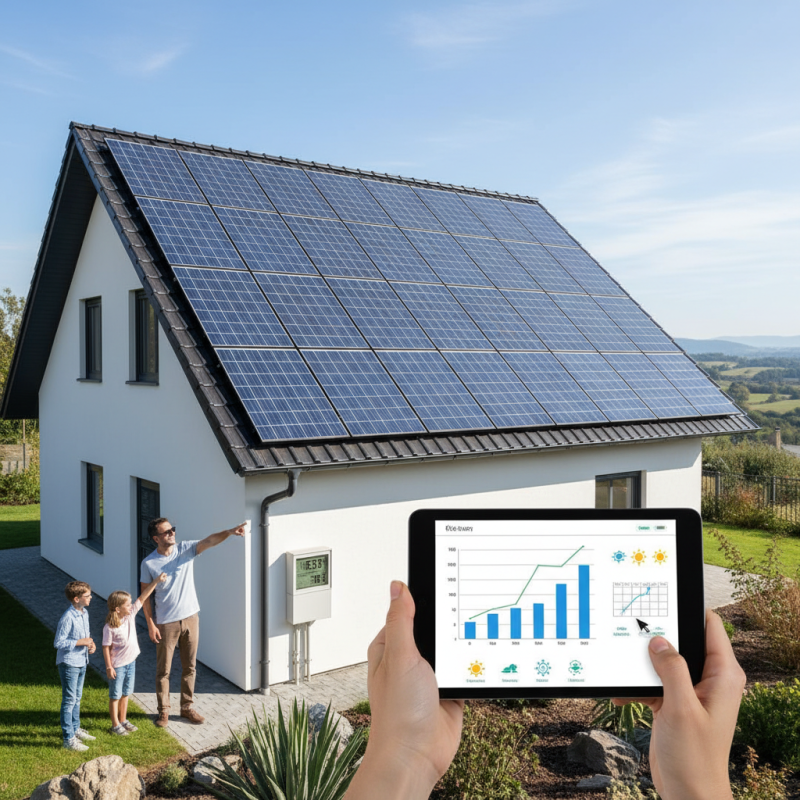
How to Determine the Right Solar System Size for Your Home?

Understanding Your Home's Energy Consumption Patterns

Determining the right solar system size for your home starts with understanding your energy consumption patterns. Each household is unique, and analyzing past utility bills can reveal your energy usage. According to the U.S. Energy Information Administration, the average American household consumes about 877 kWh per month. This figure can fluctuate based on various factors, including the number of occupants, appliances used, and seasonal changes.

To effectively size your solar system, compile data on your monthly energy consumption. Identify peak usage times during the day. You may find spikes in summer due to air conditioning or winter due to heating. This understanding is crucial for accurately assessing how much solar energy you need to produce.

**Tip:** Consider using energy-efficient appliances. They can significantly reduce your overall consumption. Small changes can lead to big savings on your energy bills.

Look for trends in your energy usage. Monthly fluctuations might suggest times when you need more energy. Data gathered can help in estimating the appropriate solar system size. Remember, underestimating your energy needs may lead to costly additions down the line.

**Tip:** Monitor your energy consumption regularly to catch unusual patterns. Addressing these issues early can improve your solar investment.

How to Determine the Right Solar System Size for Your Home? - Understanding Your Home's Energy Consumption Patterns

Household Type Average Monthly Energy Consumption (kWh) Suggested Solar System Size (kW) Estimated Monthly Savings ($)
Single Family Home 800 6.4 $100
Apartment 400 3.2 $50
Townhouse 600 4.8 $75
Luxury Home 1500 12.0 $180
Small Family Home 500 4.0 $60

Calculating Solar System Size Based on Energy Needs

Determining the right solar system size for your home begins with understanding your energy needs. Energy consumption varies widely across households. The U.S. Energy Information Administration (EIA) reports that the average American household uses about 877 kWh per month. This number can be influenced by factors like climate, number of occupants, and energy efficiency of appliances.

To calculate the appropriate size of your solar system, first assess your monthly energy usage. Divide your total kilowatt-hours by the number of sunlight hours available in your location. For example, if you consume 900 kWh monthly and receive about 5 hours of effective sunlight daily, you need a system that generates around 6 kW. This calculation can simplify the sizing process, but it is essential to consider potential factors like system inefficiencies and future energy needs, such as added appliances or electric vehicles.

Remember that oversizing your system may lead to unnecessary expenses. On the other hand, undersizing could result in insufficient energy production. According to the National Renewable Energy Laboratory, homeowners should aim for a balance. They suggest that solar systems could exceed needs by about 10%-20% based on lifestyle changes. This insight encourages careful planning, ensuring you meet energy demands without excessive investment.

Evaluating Solar Panel Efficiency and Production Factors

When evaluating solar panel efficiency and production factors, it's crucial to consider the technology behind photovoltaic (PV) panels. Standard panels typically convert about 15-20% of sunlight into electricity. High-efficiency models can reach up to 23%. According to the National Renewable Energy Laboratory (NREL), the geographical location greatly affects solar energy production. Homes in sunnier regions may generate more energy, while shaded areas may yield less.

Analyzing your energy needs is essential. A typical home consumes around 877 kWh per month. To meet this demand, a solar system must be sized appropriately. For example, a 6 kW system may provide enough energy for an average household, depending on local sunshine. However, energy consumption fluctuates. Seasonal changes can impact the effectiveness of solar systems.

Moreover, inverter performance and system orientation also play a significant role. A well-positioned system receives more sunlight, enhancing production. Conversely, poor positioning can result in energy loss. Many homeowners overlook these factors. Reflecting on your specific circumstances is important for maximizing solar output and ensuring a reliable energy solution.

Considering Local Climate and Sunlight Availability

When evaluating solar system size, local climate and sunlight availability are crucial. Regions that boast higher sunlight hours tend to maximize solar panel efficiency. According to the National Renewable Energy Laboratory (NREL), areas with an average of 5-7 peak sun hours daily can significantly enhance solar output. This data implies that homeowners in sunshine-rich locales may require fewer panels to achieve desired energy savings.

The quality and angle of sunlight also play a vital role in system sizing. Locations with frequent rain or snow might not generate as much energy. For instance, places like Seattle or Portland experience more cloud cover than sunny cities, leading to lower energy production. A report from the Solar Energy Industries Association (SEIA) emphasizes that homeowners should assess their local weather patterns before deciding on system size.

It's essential to consider your energy consumption as well. A bigger system may not always be better. If your energy usage is low, an oversized system could lead to unnecessary costs. Conversely, a system too small could leave you underpowered. Realizing this balance requires careful thought and sometimes a bit of trial and error in the planning stages. Solar energy is not one-size-fits-all; it requires a tailored approach based on local conditions and individual needs.

Assessing Incentives and Financial Benefits for Solar Installations

When considering solar installations, understanding the financial benefits is crucial. Tax credits, rebates, and other incentives can significantly reduce initial costs. Many states offer tax credits for renewable energy. These can cover a substantial portion of your investment. Some local governments provide cash rebates for solar system installations. Researching these options can lead to more accessible pricing.

Financing choices also play a role in solar savings. Many homeowners opt for loans or leases to manage upfront costs. A power purchase agreement (PPA) might also be appealing. However, each option comes with its own set of pros and cons. Not every financial solution fits every homeowner's situation. It's essential to assess your long-term needs against these options.

Incentives change over time, posing a challenge. It's vital to stay updated on local and national policies. Changes may affect how beneficial solar energy is for you. Not all regions offer the same incentives. This discrepancy can cause confusion and necessitate further research. Engaging with professionals can provide clarity. They offer valuable insight into the financial landscape of solar energy. However, always weigh this advice cautiously against your unique circumstances.

FAQS

: How can I determine the right solar system size for my home?

: Start by assessing your monthly energy usage in kilowatt-hours. Divide this figure by local sunlight hours.

What is the average monthly energy consumption for a household?

The average American household uses about 877 kWh per month, but this varies widely based on many factors.

Why is local climate important in solar system sizing?

Local climate affects sunlight availability. More sunlight hours lead to better efficiency and potentially fewer panels needed.

What happens if I oversize my solar system?

Oversizing can lead to unnecessary expenses. It's important to find a balance that meets your needs without extra costs.

How should I assess sunlight availability?

Check local weather patterns for average sunlight hours. Areas with 5-7 hours of sun daily are more favorable for solar.

Can energy efficiency of appliances impact solar system size?

Yes, energy-efficient appliances may lower your energy needs, affecting how large your solar system should be.

Is it possible to undersize a solar system?

Yes, undersizing may result in insufficient energy production. It's essential to calculate based on current and future needs.

What factors should I consider besides energy consumption?

Consider system inefficiencies, future energy demands, and local weather. These can all influence your solar system's effectiveness.

How much can I exceed my energy needs in a solar system?

Aiming for 10%-20% over your needs can accommodate lifestyle changes. However, careful planning is essential to avoid wasting money.

Why is there no one-size-fits-all solution for solar energy?

Each household has unique energy demands and local conditions, requiring a personalized approach to solar system sizing.

Conclusion

Determining what size solar system do I need for my home is a crucial step for homeowners looking to invest in solar energy. It begins with understanding your home’s energy consumption patterns to assess your typical energy usage. From there, you can calculate the appropriate solar system size based on these energy needs, taking into account factors such as panel efficiency and production capabilities.

Furthermore, local climate conditions and sunlight availability play a significant role in maximizing solar potential, so it’s essential to evaluate these environmental aspects. Lastly, exploring various incentives and financial benefits associated with solar installations can make a significant difference in the overall cost and efficiency of the system you choose. By carefully considering these factors, you can select the right solar system size that best suits your home and energy goals.

Isabella

Isabella

Isabella is a dedicated marketing professional with a sharp focus on driving brand growth and engagement through strategic content creation. With an extensive background in digital marketing, she combines her passion for storytelling with her keen understanding of industry trends to deliver......