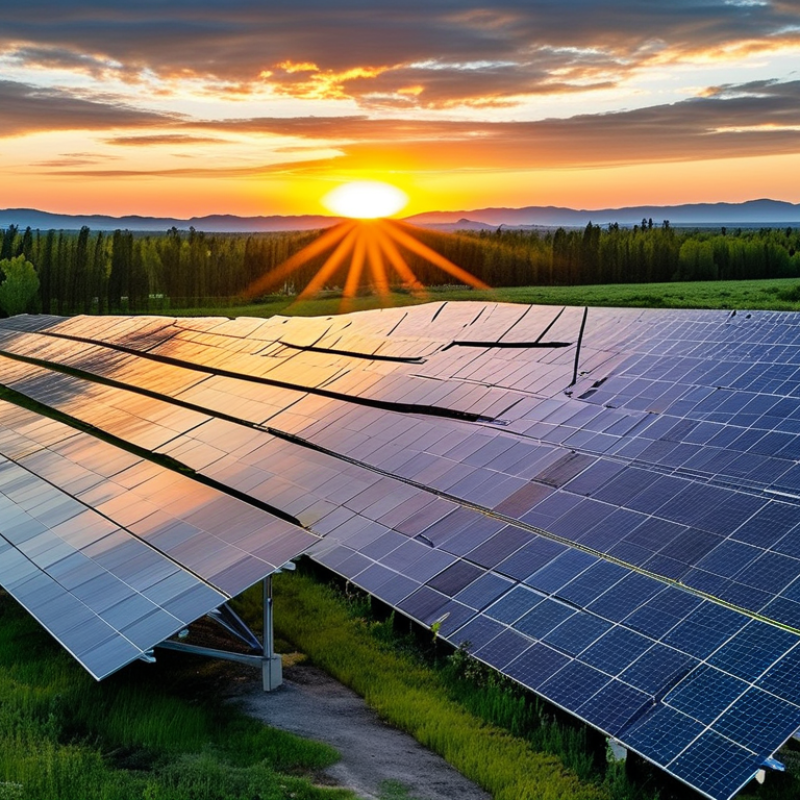
What Affects Solar Panel Efficiency the Most Factors Explained

Time:2026-05-03 Author:Mason
0%

Solar energy is a crucial player in the quest for sustainable solutions. Understanding what affects solar panel efficiency the most is vital for homeowners and businesses alike. According to the National Renewable Energy Laboratory (NREL), solar panels can convert around 15-22% of sunlight into electricity. However, many factors can influence this efficiency.

Temperature is a key factor. As temperatures rise, the efficiency of solar panels typically declines. Studies show that for every degree Celsius increase, the efficiency can drop by approximately 0.5-0.6%. Additionally, the angle of installation significantly impacts performance. Panels tilted towards the sun can capture more light, enhancing energy production. Dust and dirt accumulation also cannot be ignored; a dirty panel can lose up to 25% efficiency.

Despite advancements in technology, the quest for optimal efficiency remains challenging. Variability in weather conditions and geographical differences contribute to solar energy's unpredictable nature. The importance of addressing these factors is critical for maximizing energy output and investment returns. Understanding these nuances fosters a more informed approach to solar panel usage and encourages ongoing innovation in the industry.

What Affects Solar Panel Efficiency the Most Factors Explained

Factors Influencing Solar Panel Efficiency

Solar panel efficiency is affected by various factors that can influence energy production. One vital aspect is sunlight exposure. Panels perform best in direct sunlight. Shading from trees or buildings can significantly reduce efficiency. Even a small shadow can impact overall output. This underscores the need for careful placement when installing solar panels.

Temperature plays a critical role, too. High temperatures can decrease efficiency. While panels need sunlight, excessive heat can lower output. It’s a delicate balance. Additionally, the angle of the panels matters. A tilt that is not optimized for your geographic location could waste valuable sunlight. Regular adjustments based on seasonal changes can improve efficiency.

Finally, the quality of the panels themselves cannot be ignored. Low-quality materials may reduce long-term performance. It's essential to research and choose panels based on reliability and durability. Regular maintenance is crucial, too. Dust and debris can accumulate, hindering efficiency. Keeping solar panels clean helps maximize energy production. This approach ensures that you get the most from your solar investment while recognizing the challenges inherent in solar technology.

The Role of Solar Irradiance on Energy Conversion

Solar irradiance plays a crucial role in the efficiency of solar panels. It refers to the power of solar radiation received per unit area. Higher irradiance levels mean more sunlight hitting the panels, resulting in increased energy production. Solar panels convert this sunlight into electricity through a process called photovoltaics. Yet, this conversion is not as straightforward as it seems.

Various factors can influence how well solar panels utilize solar irradiance. Temperature, for instance, can impact efficiency levels. As temperatures rise, the efficiency of solar cells typically decreases. This is a point often overlooked in performance assessments. Moreover, the angle of installation is vital. Optimally placed panels can catch maximal sun exposure throughout the day.

Reflective surfaces and shading can also affect energy conversion. A poorly positioned panel or surrounding trees can significantly lower output. Regular maintenance is essential to prevent dust accumulation as well. It's a reminder that while solar technology advances, user decisions and environments still have a profound impact on its effectiveness.

Factors Affecting Solar Panel Efficiency

Impact of Temperature on Solar Panel Performance

Temperature plays a crucial role in determining solar panel performance. As temperatures rise, the efficiency of solar panels usually declines. According to the National Renewable Energy Laboratory (NREL), solar panels generally perform best at temperatures around 25°C (77°F). For every degree Celsius above that, efficiency can drop by about 0.4% to 0.5%.

In hot climates, this can lead to significant energy losses. For example, a solar system operating in a region where average temperatures exceed 35°C (95°F) can experience up to a 5% reduction in energy output. It’s essential to consider cooling solutions or optimal placement to manage these temperature impacts effectively.

Tips: Ensure your solar panels are installed at an optimal angle to maximize airflow. Regular cleaning can also help in maintaining their efficiency. Take the time to monitor system performance. Understanding temperature's impact will help in making informed decisions regarding solar investments.

Effects of Angle and Orientation on Solar Energy Harvesting

The efficiency of solar panels greatly depends on their angle and orientation. When positioned correctly, panels can capture maximum sunlight. This directly influences energy output. For optimal performance, solar panels should face true south in the northern hemisphere. This orientation ensures that they receive the most sunlight throughout the day.

The angle of the panels is equally significant. A tilt angle that matches the latitude of the installation site generally enhances energy capture. For example, in winter, a steeper angle may yield better results due to the sun's lower position in the sky. However, it's essential to periodically assess your setup. Many homeowners overlook seasonal changes in sunlight.

Tips: Regularly clean your panels. Dust and debris can block sunlight. Monitor shading from trees or buildings. Adjust the angle if necessary. Sometimes, small changes make a big difference in solar efficiency. Don't hesitate to experiment with different orientations and tilts to find what works best for your location.

Influence of Dust and Debris on Panel Efficiency

Dust and debris can significantly impact the efficiency of solar panels. When dust accumulates on the surface, it blocks sunlight and reduces energy production. Even a thin layer of dirt can lead to noticeable declines in output. For instance, studies show that unclean panels can lose up to 25% of their efficiency in some regions.

Another consideration is seasonal changes. In dry, windy areas, dust can accumulate more quickly. Rain can wash away some of this debris, but in other climates, the buildup can be persistent. Regular maintenance is crucial to keep panels clean. Ignoring this may lead to underperformance and higher energy costs over time.

**Tips:** Regularly inspect your panels for dust and debris. A general recommendation is to clean them every six months. In areas prone to dust storms, consider more frequent cleaning. Always use safe, non-abrasive materials to avoid scratching the surface.

What Affects Solar Panel Efficiency the Most - Influence of Dust and Debris on Panel Efficiency

Factor Description Impact on Efficiency (%)
Dust Accumulation Settling of dust and dirt on the solar panel surface 10-25
Debris Obstruction Leaves, branches, or other material blocking sunlight 15-30
Shade from Surroundings Trees or buildings casting shadows on panels 20-40
Panel Orientation Angle and direction facing solar radiation 5-15
Temperature Higher temperatures can reduce efficiency 10-20

FAQS

: What is solar irradiance?

: Solar irradiance refers to the power of solar radiation received per unit area.

How does solar irradiance affect solar panels?

Higher irradiance levels lead to more sunlight on panels, increasing energy production.

What impact does temperature have on solar panel efficiency?

As temperatures rise, solar panel efficiency typically decreases, especially above 25°C.

How much can efficiency drop with increasing temperatures?

Efficiency can drop by about 0.4% to 0.5% for each degree Celsius above optimal conditions.

Why is the angle of installation important?

The optimal angle allows panels to capture more sunlight during the day, enhancing energy output.

How does dust affect solar panel performance?

Dust blocks sunlight, which can reduce energy production by up to 25% even with a thin layer.

How often should solar panels be cleaned?

It is recommended to clean solar panels every six months or more frequently in dusty areas.

What should you use to clean solar panels?

Always use safe, non-abrasive materials to avoid scratching the panel surface.

Can shading affect solar panel output?

Yes, shading from trees or structures can significantly lower energy production.

What are the consequences of poor maintenance?

Ignoring maintenance can lead to underperformance and higher energy costs over time.

Conclusion

Solar panel efficiency is influenced by a variety of factors, making it crucial to understand what affects solar panel efficiency the most. One of the primary factors is solar irradiance, as higher levels of sunlight directly enhance energy conversion. Additionally, temperature plays a significant role; while solar panels generate more electricity in the sun, excessive heat can reduce their efficiency.

Furthermore, the angle and orientation of solar panels are vital for optimal energy harvesting, as panels that are well-aligned with the sun’s position can capture more sunlight. Lastly, the presence of dust and debris on panel surfaces can obstruct sunlight and diminish efficiency. By understanding these factors, we can optimize solar panel performance and maximize renewable energy output.

Mason

Mason

Mason is a seasoned marketing professional with a deep expertise in the company's offerings and a passion for driving brand awareness. With a strong background in digital marketing strategies, he has an innate ability to connect with diverse audiences and effectively communicate product benefits.......