As the demand for renewable energy rises, understanding "what is the lifespan of a solar inverter" becomes crucial. Solar inverters play a significant role in converting solar energy into usable electricity. According to a report from the National Renewable Energy Laboratory, the average lifespan of a solar inverter is around 5 to 15 years. However, industry experts like Dr. Emily Roberts emphasize, "The lifespan can vary significantly based on usage and environmental factors."
Inverters are often the most vulnerable components in a solar system. They are exposed to harsh conditions, like heat and humidity. This exposure can accelerate wear and tear, affecting their longevity. Studies show that 10% of inverter failures occur due to inadequate cooling solutions. Furthermore, maintenance practices heavily influence their operational life. Regular inspections can prevent unexpected breakdowns.
It is essential to reflect on the implications of inverter lifespan. Investing in high-quality inverters may lead to better long-term performance. However, this comes at a higher initial cost. Homeowners must balance these aspects while considering their energy needs. Understanding the nuances of inverter lifespan can empower consumers to make informed decisions.
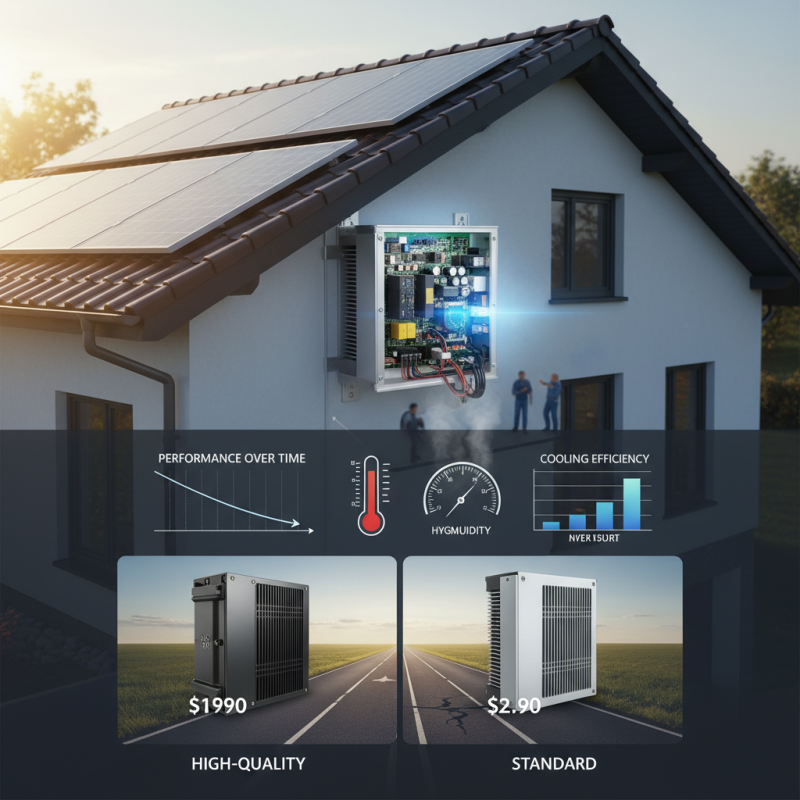
Understanding the Basics of Solar Inverters and Their Role
Solar inverters play a crucial role in converting the direct current (DC) generated by solar panels into alternating current (AC), which can be used in homes and businesses. They are essential for maximizing the efficiency of solar energy systems. Understanding their lifespan helps in planning for maintenance and replacements, ensuring energy production continues without significant interruptions.
Industry data indicates that the average lifespan of a solar inverter ranges from 5 to 15 years. This variation depends on the type of inverter, installation conditions, and usage patterns. String inverters typically last 5 to 10 years, while microinverters can last up to 20 years. Extreme temperatures, humidity, and dust can lead to malfunctions. Inverters located in harsh environments may degrade faster. Regular inspections can mitigate some risks, yet wear and tear can catch owners by surprise.
Monitoring performance metrics helps in assessing inverter health. Many inverters come equipped with monitoring systems that provide real-time data. These insights are valuable, but it's important to understand their limitations. Not all issues are easily detectable, and reliance solely on technology can be misleading. Creating a maintenance schedule based on both data and visual inspections is wise. Owners should consider these factors for effective operations and longevity.
Average Lifespan of Solar Inverters Based on Type
Factors Influencing the Lifespan of Solar Inverters
The lifespan of solar inverters can vary significantly based on several critical factors. Quality is one of the prime influencers. Higher-quality inverters generally last longer under various conditions. These devices can experience wear and tear due to heat, humidity, and dust. Inverter placement also matters. Positioning them in shaded, well-ventilated areas can enhance their longevity.
Operational cycles are another key aspect. Inverters that frequently switch between on and off may wear out faster. Overloading the inverter reduces its lifespan as well. Users need to monitor and avoid pushing their systems beyond intended power levels. Regular maintenance is essential. Checking for dust accumulation, loose connections, and corrosion can extend the device's life significantly.
Environmental conditions play a direct role in inverter durability. Areas with extreme temperatures may reduce efficiency. Users should consider climate when installing solar systems. Additionally, technological advancements in inverter design might improve longevity. However, some older models may lack these innovations. It’s vital to assess each installation carefully. Ultimately, understanding these factors will help in making informed decisions for reliable solar energy systems.
Common Types of Solar Inverters and Their Durability
When considering solar inverters, it's essential to understand the variety available and their expected durability. Common types include string inverters, microinverters, and power optimizers.
String inverters
connect multiple solar panels and are popular for their simplicity. They typically last around 5 to 10 years, but some newer models may reach up to 12 years. However, they are more vulnerable to shading issues.
Microinverters function on individual panels. Their lifespan often surpasses that of string inverters. Many microinverters come with warranties extending to 20 years. This can lead to higher efficiency in energy production. Power optimizers offer a middle ground. They enhance the output of string inverters, usually lasting around 10 to 15 years. Yet, their performance heavily relies on the compatibility with the inverter system.
While these figures offer a guide, real-life conditions affect longevity. Factors like climate, installation quality, and usage can impact all types of inverters. Regular maintenance is crucial for maximizing lifespan. Inverters might show signs of wear before their expected lifespan. Being aware of these variations helps in planning for replacements and maintaining efficiency in solar energy systems.
Maintenance Practices to Extend Solar Inverter Lifespan
Regular maintenance can significantly extend the lifespan of solar inverters. Studies indicate that a well-maintained inverter can last 15 to 20 years, compared to an average lifespan of 5 to 12 years for those that are neglected. Simple tasks, such as cleaning dust and debris from the inverter, can enhance performance. Dust buildup can raise temperatures, leading to potential overheating.
Monitoring the inverter’s performance is crucial. Industry reports show that regular checks can identify issues early on. For example, voltage irregularities may indicate a failing component. Addressing these issues promptly can prevent costly repairs or replacements down the line. Additionally, ensuring the inverter is installed in a cool, shaded area can drastically improve its efficiency and longevity.
While these practices may seem straightforward, many inverter owners overlook them. Neglecting routine checks and maintenance may lead to unexpected failures. Even minor problems, if unattended, can escalate quickly. Keeping a maintenance schedule not only increases uptime but also ensures your solar system operates at peak efficiency. Prioritizing these practices is essential for a longer-lasting solar investment.
Signs Your Solar Inverter May Need Replacement
Monitoring the health of your solar inverter is crucial. A failing inverter can significantly reduce your system's efficiency. Industry reports suggest that inverters typically last between 5 to 15 years. If your inverter is nearing the end of this range, it is wise to keep an eye on its performance.
Signs that your inverter may need replacement include any sudden drops in energy production. If you notice a 20% reduction in output, it could indicate a problem. Additionally, check the inverter's display for error codes or warning lights. These indicators often point to malfunctions that could lead to failure if not addressed promptly. Even minor irregularities can hint at underlying issues.
Physical signs can also tell you a lot. Look for unusual noises or excessive heat coming from the inverter. These symptoms can suggest internal damage. Further, inspect for corrosion or burnt traces on connections. According to a solar energy report, regular maintenance checks can extend your inverter's life. However, once you see these signs, consider a replacement. Addressing these issues early ensures the longevity of your solar investment.
How to Determine the Lifespan of a Solar Inverter? - Signs Your Solar Inverter May Need Replacement
| Signs of Inverter Issues |
Potential Causes |
Recommended Action |
Estimated Lifespan |
| Frequent error messages |
Software issues or component failure |
Consult a technician for diagnosis |
5-10 years |
| Reduced energy output |
Degradation of components or installation issues |
Inspect installation and performance |
5-12 years |
| Unusual noises |
Mechanical failure or loose components |
Service check required |
5-10 years |
| Overheating |
Poor ventilation or faulty cooling system |
Ensure proper airflow and inspect hardware |
5-15 years |
| Inverter date of manufacture |
Aging components |
Plan for replacement |
10-15 years |
FAQS
: Solar inverters convert direct current (DC) from solar panels into alternating current (AC) for homes and businesses.
Most solar inverters last between 5 to 15 years, depending on type and installation conditions.
Common types include string inverters, microinverters, and power optimizers, each with different durability.
Yes, extreme temperatures and humidity can cause malfunctions and reduce the lifespan of inverters.
Many inverters have built-in monitoring systems that provide real-time performance data for assessment.
No, not all issues are detectable by technology; regular visual inspections are also essential.
Establish a maintenance schedule that includes both data analysis and visual checks to mitigate wear and tear.
String inverters are more vulnerable to shading, which can negatively affect their efficiency and lifespan.
Yes, microinverters often have longer lifespans and provide higher efficiency by functioning on individual panels.
Be aware of real-life conditions like climate and installation quality that impact the longevity of your inverter.
Conclusion
Understanding what is the lifespan of a solar inverter involves exploring several key factors that influence its longevity. Solar inverters are essential components in solar power systems, converting direct current (DC) from solar panels into alternating current (AC) for home use. Their lifespan typically ranges from 5 to 15 years, depending on various factors such as the type of inverter, environmental conditions, and maintenance practices. Common types of solar inverters, including string inverters, microinverters, and power optimizers, each exhibit varying durability and performance levels.
To maximize the lifespan of a solar inverter, regular maintenance practices are crucial. This can involve monitoring performance, cleaning components, and ensuring proper ventilation to prevent overheating. Additionally, being aware of signs that indicate a solar inverter may need replacement, such as reduced energy output or warning lights, can help homeowners make informed decisions about their solar power systems. By understanding these elements, one can effectively extend the operational lifespan of their solar inverter.

 Smart Energy