As the demand for renewable energy grows, homeowners are increasingly curious about solar energy systems. One common question arises: "How much does a solar system cost for a house?" This inquiry reflects a broader interest in sustainability and energy savings. According to Dr. Emily Carter, a recognized expert in solar technology, "Investing in solar is not just about cost; it's about long-term savings and environmental impact."
The costs of solar systems can vary significantly. Factors include system size, component quality, and local installer's rates. Many consumers might underestimate these variables. A typical residential solar setup may range from $15,000 to $30,000. However, numerous incentives and rebates can dramatically reduce this figure. It’s essential to gather multiple quotes and consider financing options.
Despite the initial investment, the average homeowner can see considerable savings over time. A well-designed solar system provides energy independence and contributes positively to the environment. Yet, the decision should be made after thorough research. Reflecting on these aspects can help clarify "how much does a solar system cost for a house," leading to a more informed choice.
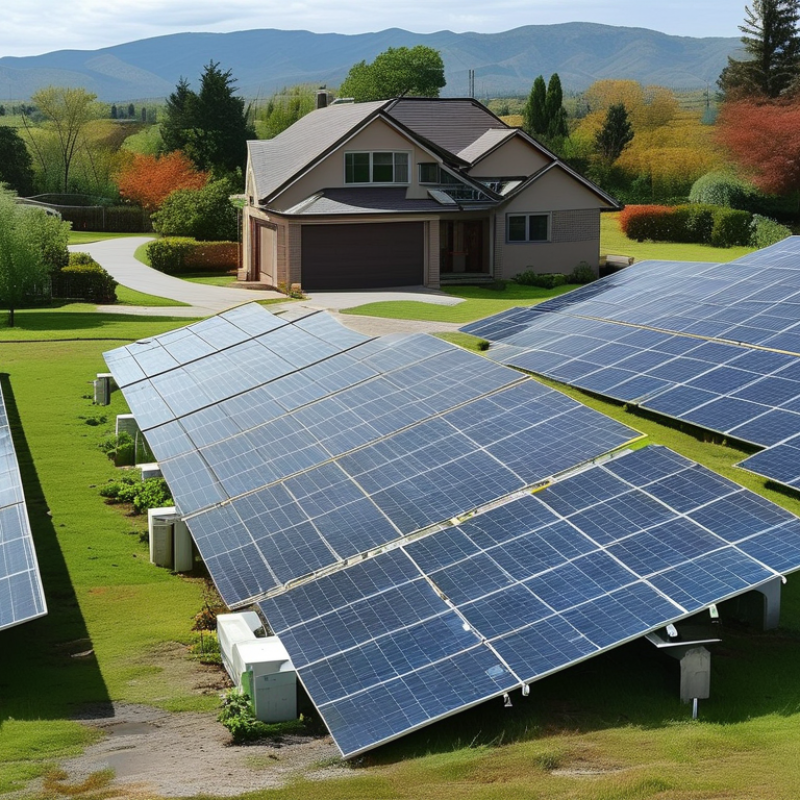
Understanding the Average Cost of Solar Panel Installation for Homes
Installing solar panels at home can be a significant investment. The cost varies based on location, the size of the system, and energy needs. On average, homeowners can expect to pay between $15,000 and $30,000 for a complete solar energy system. This figure includes equipment, installation, and permits. However, many incentives are available, which can offset the initial expense.
It's important to note that not all homes are ideal candidates for solar installation. Factors like roof orientation, shading, and structural integrity play a crucial role. For instance, a roof facing south will typically generate more energy than one facing east or west. Homeowners should assess their properties carefully. Getting multiple quotes from different installers can provide insight into the range of costs and quality. Transparency in the bidding process is vital, as hidden fees can arise.
While the long-term savings on energy bills are appealing, the upfront cost may pose challenges. Some homeowners may feel overwhelmed by the financial commitment. Thorough research and consultations with experts can help to demystify the process. Ultimately, understanding the average cost and its implications is key to making an informed decision.
Factors Influencing the Price of Residential Solar Systems
When considering a solar system for your home, various factors play a critical role in the overall cost. The size of your roof and the amount of sunlight it receives significantly affect the price. Homes in sunnier locations may require fewer panels to meet energy needs. Thus, homeowners in these areas may see a lower cost per watt of energy produced.
Another important factor is the type of solar panels chosen. High-efficiency panels tend to be more expensive but can generate more energy in less space. Budget options may save upfront costs but could lead to longer payback periods due to lower efficiency. Additionally, installation costs can vary based on the complexity of the installation and local labor rates.
In many cases, local incentives and financing options also influence solar system pricing. Some areas offer significant tax credits or rebates, which can reduce the initial investment. Evaluating the total cost of ownership is crucial. Examining these factors thoroughly ensures homeowners make informed decisions. It’s essential to weigh long-term savings against upfront expenses when choosing the right solar system.
How Much Does a Solar System Cost for Your Home?
| Factors |
Cost Range (USD) |
| System Size (kW) |
$15,000 - $30,000 |
| Installation Complexity |
$1,000 - $5,000 |
| Geographic Location |
Varies by state |
| Incentives and Rebates |
Up to 30% Off |
| Type of Solar Panels |
$1,000 - $3,000 per panel |
| Battery Storage |
$5,000 - $15,000 |
Cost Breakdown: Equipment, Installation, and Maintenance Expenses
When considering a solar system for your home, it's essential to understand the various costs involved. The primary expenses include equipment, installation, and ongoing maintenance. Solar panels, inverters, and batteries represent the bulk of your initial investment. High-quality panels can cost between $15,000 to $25,000, depending on the size and specifications. Inverters may add an extra $1,000 to $3,000. It’s crucial to choose equipment that fits your energy needs and budget.
Installation costs can vary widely based on your location. Professionals typically charge between $2,000 to $5,000 for complete installation. Labor rates differ among regions. Sometimes, additional permits or structural adjustments may incur more expenses. At the same time, handling installations without professional help may lead to costly errors.
Maintenance expenses also play a role in long-term costs. Regular cleaning and occasional checks could add up to $200 annually. While solar systems are often low maintenance, overlooking routine care might affect performance. System monitoring can help spot issues early but comes at a price. This investment requires careful consideration of both immediate and future expenses to maximize the benefits effectively.
Cost Breakdown of a Solar System for Your Home
This chart illustrates the average costs associated with a solar power system for residential use, including equipment, installation, and maintenance expenses.
Financing Options: Loans, Leases, and Federal Incentives for Solar Energy
When considering solar energy for your home, financing options play a crucial role. Homeowners can choose among loans, leases, and various federal incentives. Each option has unique pros and cons. The average cost of a residential solar system ranges from $15,000 to $30,000 before incentives. Federal tax credits can reduce this cost by 26% until the end of 2022, encouraging many to invest.
Solar loans typically offer lower interest rates, allowing homeowners to own their system outright. This path can yield savings over time. Conversely, leasing a solar system often results in lower upfront costs but may lead to higher overall expenses. Lease payments may not build equity in the system.
Tips: Explore local and federal incentives to understand how much you can save. Calculate your potential savings based on your utility rates. A professional assessment can provide tailored insights, making the solar option more effective. Be cautious—some homeowners may find themselves trapped in unfavorable lease agreements. Always read the fine print before signing anything.
Return on Investment: Calculating Savings and Payback Period for Homeowners
When considering a solar system for your home,
calculating the return on investment (ROI)
is crucial. Homeowners often ask how much they will save. The average payback period for solar panels
ranges between five to seven years. This timeframe can vary based on
your location, energy usage, and local incentives available.
Solar power reduces utility bills significantly. Many homeowners report savings of 50% or more on energy expenses. This leads to
substantial savings over the lifespan of the solar panels,
typically 25 years or more. However, initial costs can be high, often
requiring a financial commitment that not every homeowner is prepared for. It’s essential to evaluate your
financial situation before making a decision.
In some areas, solar installations face barriers. Homeowners may struggle with financing options or local regulations.
Furthermore, not all homes are suitable for solar energy based on their roof orientation or shading. These factors make it critical for potential buyers to do thorough research.
Engaging with local solar experts can provide personalized insights.
Understanding both potential hurdles and benefits will help you make an informed choice about investing in solar energy for your home.
FAQS
: Homeowners typically pay between $15,000 and $30,000 for a complete solar energy system.
Roof size, sunlight exposure, panel type, and installation complexity influence pricing.
No, homes with poor roof orientation or structural issues may not be ideal for solar.
Explore local incentives and federal tax credits to lower the initial investment.
Homeowners can choose loans, leases, or incentives to finance their solar systems.
Yes, high-efficiency panels are more expensive but generate more energy in less space.
Savings timelines can vary; lower efficiency panels may lead to longer payback periods.
Be cautious. Some leases have hidden terms that can lead to higher long-term costs.
Yes, obtaining several quotes helps ensure transparency and competitive pricing.
Conduct thorough research and consult with professionals to understand your options effectively.
Conclusion
In exploring the question of "how much does a solar system cost for a house," homeowners can gain valuable insights into the average cost of solar panel installation. Various factors influence the price of residential solar systems, including the size of the system, location, and type of equipment used. A thorough cost breakdown reveals expenses associated with equipment, installation, and ongoing maintenance, allowing for a clearer understanding of the overall investment.
Financing options play a crucial role in making solar energy accessible, with alternatives such as loans, leases, and federal incentives available to homeowners. Calculating the return on investment is essential, as it not only highlights potential savings but also helps determine the payback period for the system. By comprehensively evaluating these aspects, homeowners can make informed decisions about investing in solar energy for their homes.

 Smart Energy