Choosing a solar system for home use involves careful consideration. The right system can significantly reduce energy bills and carbon footprint. According to the Solar Energy Industries Association, residential solar installations have increased by over 20% year-on-year, highlighting the growing interest in solar energy.
Experts emphasize the importance of understanding individual needs. Dr. Emily Green, a leading solar energy consultant, states, "To effectively choose a solar system for home use, homeowners must assess their energy consumption patterns." This insight taps into the core of how to choose the right solar system for home use.
Homeowners often struggle with various options available in the market. Some may overlook essential factors like roof orientation and available space. Considering these details can dramatically influence the efficiency of solar energy. An informed choice leads to better long-term benefits. Thus, exploring and understanding one’s energy needs is crucial.
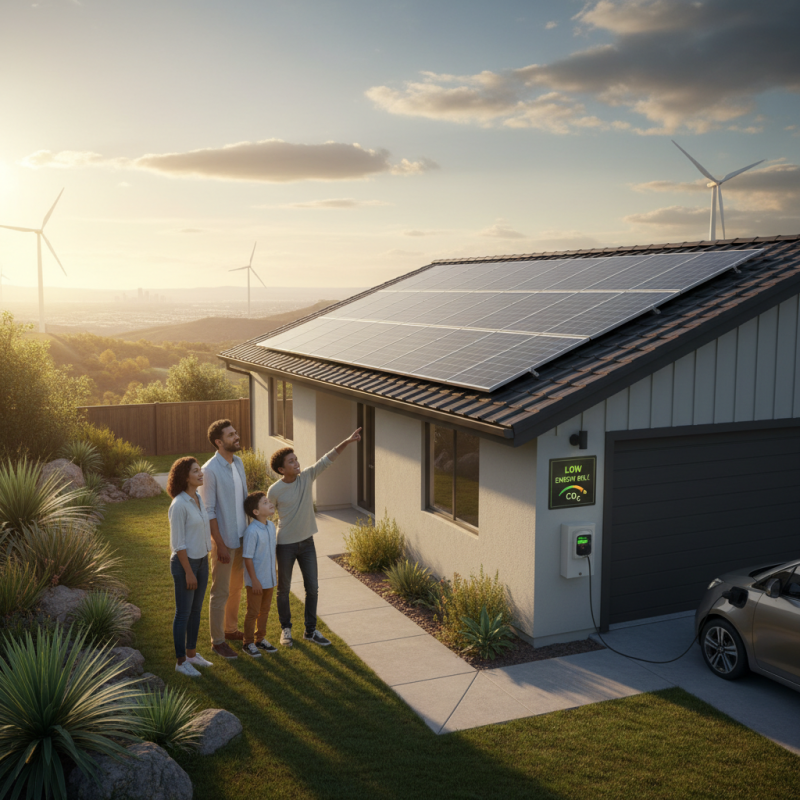
Choosing the right solar system for your home begins with understanding your energy needs. Start by calculating your home's power consumption. Review your electricity bills to find your average monthly usage. This data helps you determine the size of the solar system required to meet your needs.
Keep in mind that energy consumption can fluctuate. Seasonal changes or new appliances can affect your usage. Consider these factors when making your calculations. For instance, heating and cooling systems often consume the most energy. If you intend to add new appliances, factor them into your total power needs as well.
You might feel overwhelmed by the numbers at first. That’s common, and it's okay to seek help. Consulting with a professional can provide clarity. They can offer insights tailored to your specific situation. Remember, a proper calculation sets the foundation for an efficient solar system. The goal is to create a setup that not only meets but ideally exceeds your energy requirements.
When considering solar panels for home use, understanding the technology behind them is crucial. Two popular types are monocrystalline and polycrystalline solar panels. Monocrystalline panels are known for their high efficiency, typically around 15-22%. They are made from a single crystal structure, allowing electrons to move more freely. However, they can be more expensive to produce.
On the other hand, polycrystalline panels are created from multiple crystal structures. This results in lower efficiency, generally between 13-16%. Yet, they are more affordable, making them a popular choice for budget-conscious homeowners. According to the Solar Energy Industries Association, the adoption of solar energy is growing, with a 20% increase in installations in the last year.
While monocrystalline panels shine in efficiency, they also have a lower temperature coefficient. This means they perform better in hot conditions. Conversely, polycrystalline panels may struggle in extreme heat. Homeowners should weigh these factors carefully. Choosing the right panel can impact energy bills significantly. Balancing cost with performance is essential for a successful solar investment. Keep in mind, what works best may vary based on specific household needs and local conditions.
Choosing a solar inverter is a critical step in setting up a solar system for your home. Two popular options are string inverters and microinverters, each with its pros and cons. String inverters are simpler and often more affordable. They manage multiple solar panels together as one unit. However, this setup can lead to efficiency losses if one panel is shaded or damaged, impacting overall performance.
Microinverters, on the other hand, optimize each solar panel individually. This maximizes energy production, especially in homes with varying roof angles or shading issues. The installation process can be more complex, and the cost is generally higher. Homeowners should consider their specific needs and circumstances. A more expensive microinverter might deliver better results in certain situations, while string inverters may suffice for others.
Evaluating your home’s layout is essential. Take note of shading from trees or buildings. This can significantly affect your inverter's performance. Research and consult with professionals to weigh the options. Familiarize yourself with installation and maintenance differences. Being informed will help you choose the right solar system, ultimately maximizing your investment.
When considering a solar system for home use, understanding costs is critical. Several factors significantly influence the installation expense and return on investment (ROI). According to the U.S. Department of Energy, the average installation cost for residential solar systems is around $3 to $5 per watt. However, prices can vary based on location, system size, and local incentives. For example, systems in California often benefit from state rebates, which can lower upfront costs.
Another crucial factor is the type of solar panels chosen. High-efficiency panels may carry a higher price, but they produce more energy over time. Reports indicate that monocrystalline panels can generate 10% to 20% more power than polycrystalline panels. This difference can significantly impact long-term savings and ROI. Homeowners should also reflect on their energy consumption patterns. Misestimating your electricity needs can lead to over or under-sizing the system, affecting both costs and performance.
Financing options also contribute to the overall cost structure. While some homeowners choose to buy outright, others opt for financing plans or leases. These decisions can complicate calculations around ROI. For some, the payback period can extend beyond ten years, depending on their energy usage and local tariffs. It's essential to weigh these aspects carefully to make an informed choice.
Choosing a reputable installer for your solar system is crucial. Researching industry certifications can guide your decision. Look for installer certifications from recognized organizations. These credentials ensure that the installer is knowledgeable and follows best practices.
Customer reviews are another valuable resource. Look for feedback on platforms dedicated to home services. Positive reviews often indicate reliability. However, take note of any recurring negative comments. They can reveal potential issues, such as unprofessional behavior or poor post-installation support.
Understand that no installer is perfect. Even the best may have some unsatisfied clients. Evaluate overall trends rather than focusing on a few negative experiences. Engaging with past customers can provide insights into their reliability. This understanding will help you make a more informed choice for your solar installation.
Choosing the right solar system for your home involves considering multiple factors, each with its own importance. This chart illustrates the top factors to take into account, rated from 1 to 10 based on their significance in the selection process.
: The two main types are string inverters and microinverters.
String inverters connect multiple solar panels together, managing them as one unit.
Their efficiency can drop if one panel is shaded or damaged.
Microinverters optimize each panel individually, increasing energy production.
Their installation is complex, and they generally cost more upfront.
Costs vary based on location, system size, and available local incentives.
Misestimating usage can lead to a poorly sized system, affecting performance.
Different financing plans can change the overall cost structure and payback period.
Look for industry certifications and customer reviews for guidance.
Yes, even reputable installers can have unsatisfied clients; focus on overall trends.
When considering how to choose the right solar system for home use, it's crucial to start by understanding your energy needs. Calculating your home's power consumption helps determine the size and type of system required. Next, you'll want to explore different solar panel technologies, comparing the efficiency and cost-effectiveness of monocrystalline versus polycrystalline panels.
Evaluating your inverter options is also essential; choosing between string inverters and microinverters can significantly impact your system's performance and flexibility. Additionally, factor in the overall costs associated with installation and the return on investment (ROI) to ensure you make a financially sound decision. Lastly, selecting a reputable installer backed by industry certifications and positive customer reviews can enhance the effectiveness and reliability of your solar system, ensuring that you maximize your investment in renewable energy.

Smart Energy