China Best Solar Batteries How Long Do They Last?

Time:2026-09-09 Author:Oliver
0%

Choosing the best solar battery from China involves more than comparing prices or storage capacity. The practical question is simple: how long do solar batteries last in real household conditions? The answer depends on battery chemistry, daily usage, temperature, charging habits, and installation quality. Lithium iron phosphate batteries often provide strong cycle performance, while older lead-acid systems usually require shallower discharge and more frequent replacement.

Real experience matters. A battery installed in a shaded, ventilated garage may age differently from one exposed to summer heat. Daily cycling, backup operation, and poor inverter settings can also change its useful life. Many modern lithium batteries are designed to operate for roughly ten to fifteen years, but this is not a guarantee. Some may perform longer. Others lose capacity sooner.

Small details matter.

This guide examines cycle ratings, usable capacity, depth of discharge, warranty terms, and battery management systems. It also considers how Chinese manufacturers test and support their products, rather than relying only on marketing claims. A battery rated for 6,000 cycles sounds impressive, yet actual results depend on how those cycles are measured. One full discharge is not the same as several shallow discharges.

Buyers should check independent certifications, temperature limits, installation records, and replacement policies. Product data can be incomplete. That deserves honest attention. By comparing technical specifications with real operating conditions, homeowners can make a more reliable decision. The best solar battery is not always the cheapest or the one with the longest advertised warranty. It is the system that delivers dependable energy, safe operation, and predictable performance over many years.
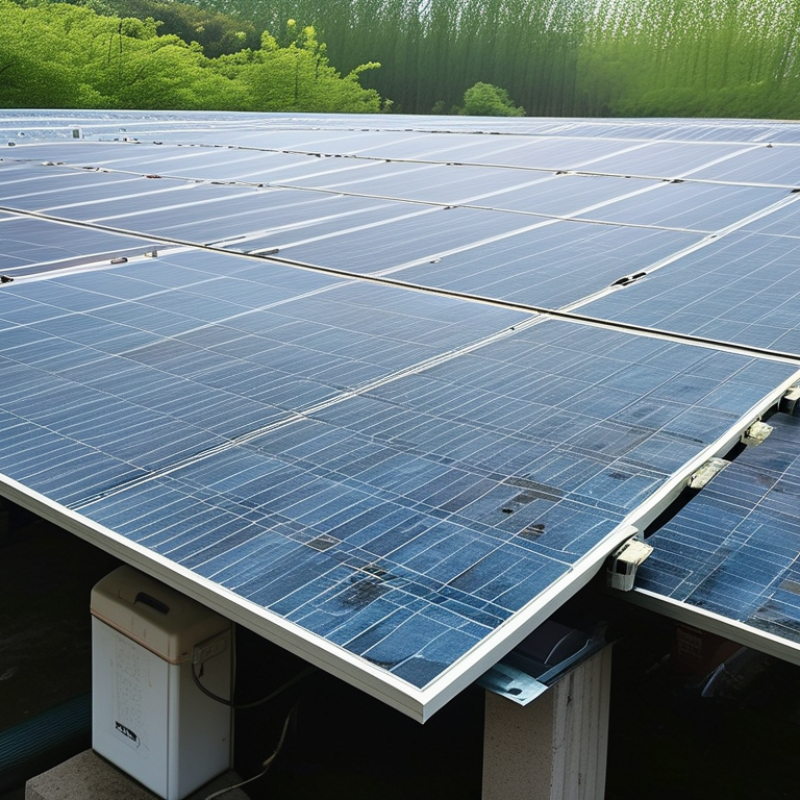
China Best Solar Batteries How Long Do They Last?

What Determines the Lifespan of China-Made Solar Batteries?

China Best Solar Batteries: How Long Do They Last?

What Determines the Lifespan of China-Made Solar Batteries?

China-made solar batteries often last 10 to 15 years, but chemistry alone does not decide their service life. NREL’s 2024 Annual Technology Baseline uses a 15-year reference life for many utility-scale lithium-ion systems. EPRI reports that temperature, cycling, and operating conditions strongly affect battery aging. Real installations can perform differently. That is the uncomfortable part.

Depth of discharge matters every day. A battery discharged from 100% to 20% usually experiences less stress than one repeatedly pushed near zero. Heat is another quiet enemy. Battery rooms above 30°C can accelerate capacity loss, especially with poor ventilation. Charging during cold conditions may also damage cells. In practice, an inverter, battery-management system, and installation quality can matter as much as the cell origin. A cheaper system may still last well. A premium specification can still disappoint.

Tips: Keep the battery between its recommended temperature limits. Avoid full discharge whenever possible. Review the warranty’s cycle count, retained-capacity figure, and test conditions. Ask for independent safety and performance reports, not only factory claims. Monthly monitoring helps reveal rising temperature, falling capacity, or unusual balancing behavior. Data is useful. Guesswork is not.

Typical Service Life of Different Solar Battery Technologies

When comparing China-made solar batteries, service life depends more on chemistry and operating conditions than on country of manufacture. A well-installed lithium iron phosphate battery commonly lasts 10 to 15 years, or about 4,000 to 7,000 cycles. Many systems still retain roughly 70% to 80% capacity near the end of that period. Lithium nickel manganese cobalt batteries can also last 8 to 12 years, but their lifespan may shorten under high heat or frequent deep discharge.

Lead-acid batteries usually serve for 3 to 7 years. Flooded models require ventilation and regular inspection. AGM and gel batteries need less maintenance, yet their usable capacity often falls faster when discharged deeply. A battery used every evening may age sooner than one used only during power interruptions. That difference matters.

Flow batteries can operate for 15 to 20 years because their active materials experience limited solid-state wear. They need more space and careful installation, however. In real projects, I have seen poor airflow and oversized loads reduce expected life by several years. Datasheets are useful, but they are not promises. Temperature, depth of discharge, charging settings, and maintenance can change the result. A battery kept near 20–25°C usually ages more gently than one inside a hot, unventilated utility room. Small details matter.

How Battery Cycles and Usage Conditions Affect Longevity

China Best Solar Batteries: How Long Do They Last?

How Battery Cycles and Usage Conditions Affect Longevity

A solar battery’s life depends more on daily treatment than its country of manufacture. Many modern lithium batteries provide roughly 3,000 to 6,000 full equivalent cycles. One full cycle means using 100% of the battery’s usable capacity, even across several partial discharges.

Yet a cycle count is not a promise. A battery discharged from 100% to 20% uses about 80% of one cycle. Repeating shallow discharges usually creates less stress than draining it completely every evening. In practical systems, limiting the working range can protect capacity, although it may reduce the energy available for backup.

Temperature matters. High heat speeds chemical aging, while very cold conditions can restrict charging and reduce performance. A shaded, ventilated battery room is safer than a sealed, sun-heated cabinet. Charging and discharging too quickly also increases strain, especially during heavy household loads.

Installation records deserve attention. Check the battery management system, inverter settings, warranty conditions, and actual depth of discharge. A displayed cycle number may hide long periods at high charge or poor thermal conditions. Real sites are messier. I would not choose a battery from cycle figures alone; measured capacity, service support, and suitable operating limits matter equally. Expect gradual capacity loss, not sudden perfection or failure.

Warning Signs of Solar Battery Aging and Performance Loss

Solar battery aging rarely arrives as one dramatic failure. It usually appears through small changes in daily performance. A battery may charge more slowly, lose 15% of its backup time, or fall from 60% to 25% overnight. Repeated inverter warnings also deserve attention. Heat matters. The U.S. Department of Energy’s Energy Storage Grand Challenge Roadmap places typical lithium-ion stationary storage life around 10–15 years, depending on cycling, temperature, and maintenance. NREL’s Annual Technology Baseline uses degradation assumptions near 2% per year for some lithium-ion storage cases. Actual results vary.

Watch the battery, not only the app. A warm cabinet, unusual odor, corrosion, swelling, or clicking sounds can indicate serious deterioration. Stop using damaged equipment and contact a qualified technician. Do not open the enclosure yourself. IEC 62933 guidance emphasizes monitoring, protection, and safe operation for stationary energy storage systems. Compare monthly backup runtime under similar weather and household demand. A 10-minute decline may be noise. A steady decline across several months is stronger evidence.

Some signs are easy to misread. Cloudy weather can mimic capacity loss. Software updates can change displayed values. I have seen maintenance decisions rely too heavily on one dashboard percentage. That is not enough. Temperature logs, cycle history, voltage balance, and measured usable capacity provide better evidence. Battery aging is uneven. High heat and deep daily cycling may accelerate it. A practical inspection every six to twelve months can reveal performance loss before an outage exposes it.

How to Extend the Lifespan of a China-Made Solar Battery

China Best Solar Batteries: How Long Do They Last?

A China-made solar battery can often serve for 10 to 15 years, depending on chemistry and operating conditions. NREL’s 2024 Annual Technology Baseline uses a 15-year life assumption for utility-scale lithium-ion storage. Real household systems may perform differently. Heat, deep discharges, poor wiring, and irregular charging can shorten that period. A battery is not just a box on the wall.

Keep the battery in a shaded, dry, and ventilated area. High temperatures accelerate chemical aging, while moisture can damage terminals and control equipment. The U.S. Department of Energy recommends active battery management, including temperature monitoring and protection against overcharging. Set practical charge limits through the battery management system, rather than forcing 100% charging every day. Avoid repeated shutdowns below the manufacturer’s minimum state of charge. Gentle cycling helps.

Inspect cables, terminals, ventilation paths, and system alerts at least twice each year. Record daily energy output and compare it with earlier months. A gradual decline is normal; a sudden drop deserves professional testing. The IEA’s 2024 Batteries and Secure Energy Transitions report emphasizes better monitoring and longer battery use as essential for reducing material demand. That point is easy to overlook. In my experience, users often blame battery quality before checking installation temperature or inverter settings. That judgment can be unfair, and sometimes wrong. Proper commissioning matters as much as the battery cells themselves.

China-Made Solar Batteries: How Long Do They Last?

Typical cycle-life ranges are shown until the battery reaches approximately 80% of its original capacity. Lead-acid batteries generally provide fewer cycles, while lithium iron phosphate (LFP) batteries commonly deliver the longest service life. At one full cycle per day, 3,000 cycles equal roughly 8 years, although temperature, depth of discharge, charging settings, and maintenance can significantly affect actual lifespan.

FAQS

: How long can a lithium iron phosphate solar battery last?

: It commonly lasts 10 to 15 years, or about 4,000 to 7,000 cycles. Many units retain 70% to 80% capacity near the end. Actual results vary.

How long do other solar battery types usually last?

Lithium nickel manganese cobalt batteries often last 8 to 12 years. Lead-acid batteries commonly last 3 to 7 years. Flow batteries may operate for 15 to 20 years. Space and installation needs differ.

What does one battery cycle mean?

One full cycle means using 100% of the usable capacity. Using 80% equals about 0.8 cycles. Partial use still adds up.

Does deep discharge shorten battery life?

Yes, repeated full discharges usually create more stress. Shallower discharge ranges can protect capacity. However, they provide less backup energy. That trade-off is easy to miss.

How does temperature affect solar battery lifespan?

High heat speeds chemical aging and may reduce service life. Very cold conditions can restrict charging and lower performance. A shaded, ventilated area near 20–25°C is gentler. Heat matters.

Where should a solar battery be installed?

Choose a dry, shaded, and ventilated location. Avoid sealed cabinets exposed to direct sunlight. Keep airflow paths clear around the equipment. Poor airflow can remove several useful years.

What maintenance helps a solar battery last longer?

Inspect cables, terminals, ventilation, and system alerts twice each year. Record energy output and compare it with earlier months. Check charging limits, inverter settings, and minimum state of charge. Small checks matter.

How can I tell whether a battery is aging normally?

Gradual capacity loss is normal over time. A sudden drop may indicate wiring, temperature, settings, or battery problems. Professional testing can identify the cause. Do not blame battery quality too quickly.

Are cycle ratings enough when choosing a solar battery?

No. Cycle ratings are useful, but they are not promises. Review measured capacity, operating temperature, discharge limits, and service support. A displayed cycle count may hide difficult operating conditions. Datasheets can mislead.

Conclusion

How long do solar batteries last depends on the battery technology, manufacturing quality, operating environment, and daily usage patterns. Lithium-based batteries commonly provide a service life of around 8–15 years, while lead-acid batteries may last approximately 3–7 years when properly maintained. Actual longevity is also influenced by the number of charge and discharge cycles, depth of discharge, temperature, charging settings, and how consistently the system is used. Frequent deep discharges, excessive heat, poor ventilation, and incorrect installation can accelerate battery aging and reduce energy storage capacity.

Warning signs of an aging solar battery include shorter backup times, slower charging, unexpected shutdowns, reduced efficiency, and visible swelling or leakage. To extend the lifespan of a China-made solar battery, users should follow the manufacturer’s operating guidelines, avoid unnecessary deep discharges, maintain suitable temperatures, ensure proper ventilation, and arrange regular inspections. Monitoring battery performance can also help identify problems early and support timely maintenance or replacement.

Oliver

Oliver

Oliver is a seasoned marketing professional with a wealth of expertise in driving brand awareness and engagement. With a deep understanding of our company's product offerings, he consistently delivers high-quality content that enriches our professional blog. His insights not only shed light on......