The transition to renewable energy is crucial for a sustainable future. Solar energy stands out due to its abundance and clean nature. However, a significant challenge remains: how to store excess solar energy. When solar panels generate more energy than needed, the surplus can go to waste. Efficient storage solutions are essential to maximize the benefits of solar power.
Innovative methods for energy storage are evolving rapidly. Battery systems, for example, offer great potential but can be costly. Understanding different technologies helps homeowners and businesses make informed decisions. Each method has its advantages and limitations. It’s essential to evaluate them critically.
While many resources outline various storage options, few explore practical applications deeply. This article aims to fill that gap. By investigating the best ways to store excess solar energy, we provide insights that balance efficiency with practicality. With ongoing advancements, effective energy storage strategies can help us harness the full potential of solar energy.
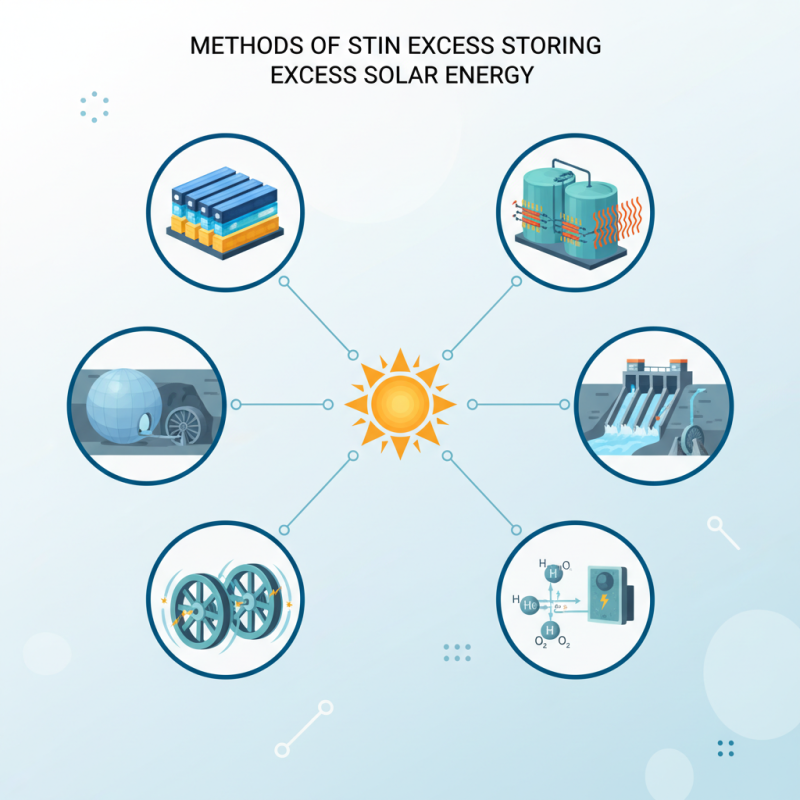
Current Solar Energy Storage Solutions and Technologies
Solar energy has transformed how we power our world. Yet, storing excess energy remains a challenge. Current technologies provide various solutions for efficient energy storage, but each has advantages and drawbacks.
Lithium-ion batteries are widely used. They offer high energy density and quick charging times. However, they come with high costs and environmental concerns over mineral extraction. Flow batteries, on the other hand, allow for larger-scale storage. They last longer than lithium-ion options but are bulkier and can be more expensive to install.
Another option is compressed air energy storage. This method uses excess energy to compress air in underground caverns. Although effective, it requires significant infrastructure and is not widely available. Advanced technologies like solid-state batteries show promise, yet they are still in developmental phases. These solutions highlight the need for innovation in energy storage. Each method has trade-offs, challenging us to find the best fit for our energy needs.
Advantages of Battery Storage Systems for Solar Energy
Battery storage systems are becoming essential for storing excess solar energy. They offer numerous advantages that contribute to more efficient energy use. These systems can hold energy produced during sunny days, allowing homeowners to use this power at night. This flexibility ensures a more continuous energy supply, reducing reliance on the grid.
One key benefit of battery storage is energy independence. Homeowners can rely less on utility companies, leading to potential savings on energy bills. During power outages, battery systems can supply necessary power, enhancing security and comfort. However, the installation cost can be a concern for some. Not everyone sees immediate returns, leading to questions about long-term investment.
Maintenance is another area needing attention. Batteries require regular checks to ensure they function effectively. Over time, battery efficiency can diminish, which might surprise some users. The technology is rapidly evolving, pointing toward improvements in lifespan and efficiency. Staying informed about advancements can help users make better decisions about their energy storage options.
Innovative Methods for Thermal Energy Storage
Thermal energy storage (TES) has emerged as a pivotal technology in managing surplus solar energy. By storing energy as heat, these systems help mitigate the challenges of solar intermittency. According to a recent report by the International Renewable Energy Agency (IRENA), thermal storage can increase the efficiency of solar energy systems by as much as 25%.
Innovation is key in this sector. Phase change materials (PCMs) are gaining traction for their ability to absorb and release thermal energy efficiently. They can store energy at specific temperatures, making them ideal for various applications. A study by the U.S. Department of Energy shows that using PCMs can improve operational efficiency and minimize energy losses.
However, scalability remains a significant challenge. Many TES systems are still costly and require extensive infrastructure. The efficiency of these systems can also vary based on environmental conditions and material quality. Additionally, ongoing research aims to enhance the performance and reduce the costs involved in these technologies. Emphasizing research and development is crucial for the widespread adoption of thermal energy storage solutions in the future.
Utilizing Pumped Hydro Storage for Excess Solar Energy
Pumped hydro storage (PHS) presents a viable solution for storing excess solar energy. This method utilizes two water reservoirs, one elevated and the other lower, to generate electricity. During peak solar production, excess energy pumps water uphill. When demand rises, water is released to flow downhill, turning turbines to generate power. According to a report from the U.S. Department of Energy, pumped hydro accounts for 95% of global energy storage capacity.
The efficiency of PHS reaches around 70-85%. This means it can store a significant amount of excess energy for later use. However, constructing these facilities requires considerable investment and suitable geographic locations. Not all regions can support PHS systems, which presents challenges for widespread adoption.
A study by the International Renewable Energy Agency highlights the potential of expanding PHS capacity. With an estimated potential of 430 GW globally, significant gaps exist between current capacity and potential. Environmental concerns also arise. Local ecosystems can be affected by reservoir construction and water management practices. These factors must be weighed against the benefits of clean, renewable energy storage.
2026 Best Ways to Store Excess Solar Energy Efficiently - Utilizing Pumped Hydro Storage for Excess Solar Energy
| Storage Method |
Efficiency (%) |
Cost ($/kWh) |
Environmental Impact |
Storage Duration (hours) |
| Pumped Hydro Storage |
70 - 90 |
$100 - $200 |
Moderate |
4 - 10 |
| Battery Storage |
80 - 90 |
$300 - $600 |
Low |
4 - 8 |
| Compressed Air Energy Storage |
70 - 80 |
$200 - $400 |
Moderate |
6 - 24 |
| Flywheel Energy Storage |
90 |
$400 - $800 |
Very Low |
0.5 - 3 |
Future Trends in Solar Energy Storage Efficiency
As we look toward the future, solar energy storage efficiency is set to evolve significantly. Innovative technologies emerge constantly. These developments can enhance how we store and use excess solar energy. Solid-state batteries hold promise with their improved energy density and safety features. They reduce the risk of fires, a common concern in traditional batteries.
Another interesting trend is the integration of artificial intelligence in energy management systems. AI can optimize energy storage based on consumption patterns. This ensures that we utilize solar energy in the most efficient way possible. However, the complexity of these systems demands careful consideration and expertise. The balancing act between user needs and system capabilities is crucial. Over-reliance on technology may lead to unforeseen issues, such as system failures or inefficiencies.
There's ongoing research into new materials that can increase energy capture. Flow batteries offer potential for scaling energy storage. However, their deployment requires robust infrastructure. Many areas still lack the resources to implement these advancements fully. While the future looks bright, challenges remain. We must reflect on the balance between innovation and practicality in solar energy storage solutions.
FAQS
: They store excess solar energy, ensuring continuous power supply, and reduce reliance on the grid.
They provide energy independence, allowing users to decrease their dependence on utility companies.
Yes, they can supply necessary power during outages, enhancing security and comfort for homeowners.
High installation costs and uncertain returns on investment can make some hesitant to install them.
Regular checks ensure effectiveness, and battery efficiency can diminish over time, surprising some users.
It mitigates solar intermittency by storing excess energy as heat, increasing overall efficiency.
PCMs absorb and release thermal energy efficiently, storing energy at specific temperatures for various uses.
Scalability issues, high costs, and variable efficiency based on environmental factors are significant hurdles.
Research is crucial for enhancing performance and reducing costs, promoting wider adoption in the future.
Staying informed about advancements helps users make better decisions for their energy storage needs.
Conclusion
In the quest to maximize the benefits of solar energy, understanding how to store excess solar energy is crucial. Current technologies include advanced battery storage systems that provide efficiency and reliability, allowing for greater energy autonomy. These battery systems not only capture surplus energy but also enhance grid stability and support renewable energy integration.
Additionally, innovative thermal energy storage methods, such as molten salt, offer unique ways to retain heat generated during sunny periods. Pumped hydro storage remains a traditional yet effective method, utilizing gravitational potential energy to store excess solar power by pumping water uphill. Looking ahead, trends indicate a shift towards even more efficient storage solutions, incorporating technologies that will further optimize how we harness and utilize solar energy for a sustainable future.

 Smart Energy