The transition to renewable energy sources is essential for sustainability. Among these, hybrid solar systems are increasingly popular among global buyers. They combine solar panels with additional energy sources, enhancing efficiency and reliability. According to the International Renewable Energy Agency (IRENA), the global solar market has expanded significantly, with hybrid systems contributing to this growth.
What are the benefits of hybrid solar systems? They offer advantages like improved energy independence and reduced electricity costs. By integrating battery storage, users can harness solar power even during low sunlight periods. A recent report from the U.S. Department of Energy highlights that households using hybrid systems can save up to 50% on energy bills. However, buyers should also consider initial setup costs and long-term maintenance.
The flexibility of hybrid solar systems allows for tailored solutions. Still, not all systems are created equal. It's crucial for buyers to assess local regulations and grid connectivity. These factors can significantly impact the performance of solar installations. Although hybrid systems offer numerous benefits, prospective users must conduct thorough research to maximize their investment.
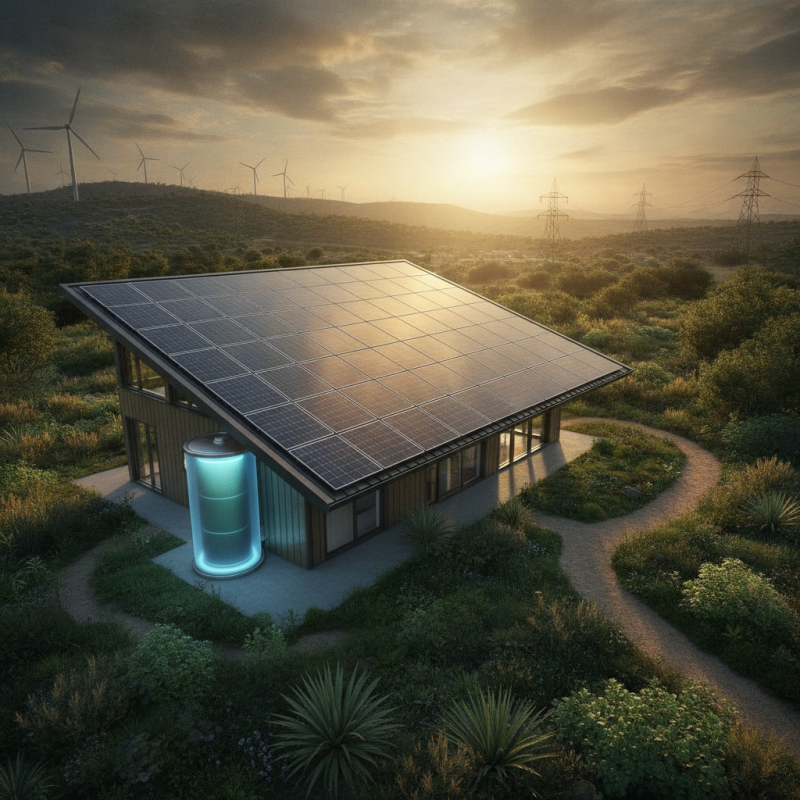
Top Benefits of Hybrid Solar Systems for Global Buyers
Hybrid solar systems are gaining popularity among global buyers for several reasons. These systems combine solar energy with traditional power sources, providing users with flexibility. They can harness energy during the day while relying on back-up systems at night or on cloudy days. This feature ensures a constant power supply.
One of the most significant benefits of a hybrid solar system is energy efficiency. By using solar energy, users can reduce utility costs. For many, the savings can offset the initial investment in a few years. Relying on multiple energy sources also boosts resilience against energy price fluctuations.
Tips: When considering a hybrid solar system, think about your local climate and energy needs. Ensure that the system is properly sized for your consumption. Maintenance is crucial; regular checks can avoid unexpected charges. Look for certified installers with experience to maximize system performance.
Cost Efficiency: How Hybrid Systems Reduce Energy Bills by Up to 50%
Hybrid solar systems combine solar panels with battery storage, optimizing energy usage. These systems can significantly cut energy bills by up to 50%. They allow homeowners to store energy during the day. When the sun sets, this stored energy powers homes, reducing reliance on the grid. This means lower electricity costs each month.
Adopting hybrid systems brings other financial benefits. Incentives and rebates may lower initial investment costs. Over time, this leads to savings that accumulate and offset the upfront expenses. It’s essential, however, to evaluate installation and maintenance costs carefully. Poor installation can result in inefficient energy production. Regular maintenance is also crucial for long-term savings.
Moreover, not every home will benefit equally from a hybrid solar system. Factors like location, solar exposure, and energy consumption patterns play a significant role. Homes in cloudy areas might not achieve the same reductions. Some homeowners may struggle with understanding system specifications. Consulting with experts can clarify these aspects. Tailoring solutions to unique needs is vital for maximized efficiency.
Top Benefits of Hybrid Solar Systems for Global Buyers
| Benefit |
Description |
Potential Savings (%) |
Environmental Impact (CO2 Reduction) - (Tons per Year) |
Long-term Investment Return (Years) |
| Cost Efficiency |
Reduces energy bills significantly through a combination of solar and conventional power sources. |
Up to 50% |
2.5 |
5-7 |
| Energy Independence |
Decreases reliance on grid power and protects against energy price hikes. |
N/A |
1.8 |
3-5 |
| Increased Property Value |
Homes with hybrid solar systems can have a higher resale value due to energy savings. |
N/A |
2.1 |
4-6 |
| Environmental Benefits |
Contributes to reduction in greenhouse gas emissions through renewable energy usage. |
N/A |
3.0 |
N/A |
| Scalability |
Allows for easy expansion as energy needs increase, such as adding more solar panels. |
N/A |
N/A |
N/A |
| Reliability |
Offers a more reliable energy supply by combining different energy sources. |
N/A |
N/A |
N/A |
Energy Reliability: Achieving 99% Uptime with Hybrid Solar Solutions
Hybrid solar systems have revolutionized energy consumption worldwide. They combine both solar panels and energy storage, ensuring users enjoy consistent power. Achieving 99% uptime is a remarkable feat. This high reliability offers peace of mind for households and businesses alike. Many users report fewer outages, even during extreme weather conditions.
The hybrid approach allows for on-demand energy, minimizing reliance on grid power. Imagine having a backup that kicks in seamlessly during power cuts. With hybrid systems, this is a reality. However, implementing such technology can come with complexities. Users might face challenges in management and maintenance. Training and support become vital in overcoming these hurdles.
Additionally, the financial investment may be daunting for some. While long-term savings on energy bills are appealing, the initial costs of installation can be high. It’s essential to evaluate whether the benefits align with individual or business needs. As the technology evolves, understanding its growing pains is important. Users must ask themselves: Is the investment worth the return?
Environmental Impact: How Hybrid Systems Cut Carbon Emissions by 30%
Hybrid solar systems present significant environmental benefits. They play a crucial role in reducing carbon emissions. Studies show that these systems can cut emissions by up to 30%. This is vital in the fight against climate change. By using a combination of solar and traditional energy sources, these systems offer a reliable power supply. They help decrease our reliance on fossil fuels.
Tips for optimizing your hybrid solar system include regular maintenance checks. Ensure that all components are functioning well. A poorly maintained system can lead to increased emissions and reduced efficiency. Another tip is to monitor energy consumption closely. Understanding your usage patterns helps you maximize the advantages of the system, ensuring that you minimize waste.
Hybrid systems do have their challenges. Not everyone may find them affordable upfront. There may also be a learning curve associated with their installation and operation. However, the long-term benefits often outweigh these initial hurdles. Exploring local incentives can also ease the financial burden. Embracing hybrid technology today is a step towards a greener future.
Integration: Seamlessly Combining Solar with Existing Grid Infrastructure
Hybrid solar systems offer significant advantages for global buyers, particularly in their ability to integrate seamlessly with existing grid infrastructures. These systems allow consumers to harness solar energy while staying connected to the traditional power grid. This dual approach enhances energy reliability, especially during peak demand periods.
Integration presents some challenges. Many regions lack updated grid technology, limiting the efficiency of hybrid systems. In some cases, existing grids are not optimally designed for fluctuating renewable energy inputs. This can create issues, such as energy wastage or unstable supply. Addressing these concerns is vital for maximizing the potential benefits of hybrid solar systems.
The future of energy consumption depends on overcoming these integration hurdles. A well-designed hybrid system can reduce reliance on fossil fuels and lower energy costs. Buyers should carefully assess local grid capabilities before investing. Moving towards a greener future requires not just advanced technology, but also a reliable infrastructure.
Top Benefits of Hybrid Solar Systems for Global Buyers
Increased Property Value: Hybrid Systems Boosting Home Values by 20%
Hybrid solar systems are becoming increasingly popular among homeowners. These systems integrate both solar energy and traditional electricity sources. This innovation not only provides energy independence but also significantly boosts the property value. Studies indicate that homes equipped with hybrid solar systems can see an increase in value of up to 20%. This figure could be a game-changer in real estate.
Potential buyers are drawn to energy-efficient homes. They recognize the long-term savings on utility bills. These savings are appealing, especially in high-cost energy areas. A hybrid system can offer reliability, reducing reliance on the grid. However, homeowners must fully understand installation costs and maintenance requirements. If not managed properly, these factors could deter potential buyers.
Homeowners should also consider local market conditions. Some regions may value energy-efficient upgrades more than others. The appeal of hybrid systems can vary widely. It’s important to research and assess whether the investment aligns with the local climate and energy needs. Although hybrid systems can improve property value, not every house will see the same return. Understanding these variables can help homeowners make informed decisions.
FAQS
: A hybrid solar system combines solar energy with traditional power sources. It ensures a constant power supply.
These systems can reduce energy bills by up to 50%. They store energy during the day for later use.
Location, solar exposure, and energy consumption affect performance. Homes in cloudy areas may see less benefit.
Regular maintenance avoids unexpected charges. It ensures long-term energy savings and efficient performance.
Consider your local climate and energy needs. It’s crucial to size the system properly for your consumption.
Yes, incentives and rebates can help lower initial costs. Evaluate these options to maximize savings.
Certified installers bring experience to maximize system performance. Poor installation can lead to energy loss.
Not every home benefits equally. Consulting experts helps tailor solutions to unique needs and ensures efficiency.
Yes, some homeowners struggle with specifications. Understanding details is key for effective implementation and efficiency.
Conclusion
Hybrid solar systems are becoming increasingly popular among global buyers due to their numerous advantages. One of the key benefits of hybrid solar systems is cost efficiency; they can significantly reduce energy bills by up to 50%, making solar energy more accessible and affordable. Additionally, these systems offer exceptional energy reliability, achieving up to 99% uptime, which ensures a consistent power supply even during outages.
Furthermore, hybrid solar systems contribute positively to the environment, cutting carbon emissions by approximately 30%. They also allow for seamless integration with existing grid infrastructure, enhancing their practicality. Lastly, homeowners can benefit from an increase in property value, with hybrid systems reportedly boosting home values by around 20%. In answer to the question, what are the benefits of hybrid solar systems, it's clear that they provide significant financial, environmental, and practical advantages to users.

 Smart Energy