In recent years, renewable energy has gained significant traction in China. Solar energy, in particular, has emerged as a popular choice for many households and businesses. However, potential investors often grapple with a critical question: are solar systems worth the investment? This exploration seeks to uncover insights on the financial and environmental benefits of solar systems in China.
Several factors influence the decision. The initial costs can be daunting, but long-term savings often offset this expense. Government incentives also play a crucial role in making solar systems more appealing. Yet, some skeptics argue about the effectiveness and reliability of solar technology. They question whether the return on investment justifies the upfront costs.
As we delve into the top 10 reasons for investing in solar systems, we aim to provide a balanced view. It is essential to consider both the advantages and the challenges involved. While solar energy offers a path toward sustainability, potential buyers must weigh their options carefully. The journey toward understanding the worth of solar systems in China is just beginning.
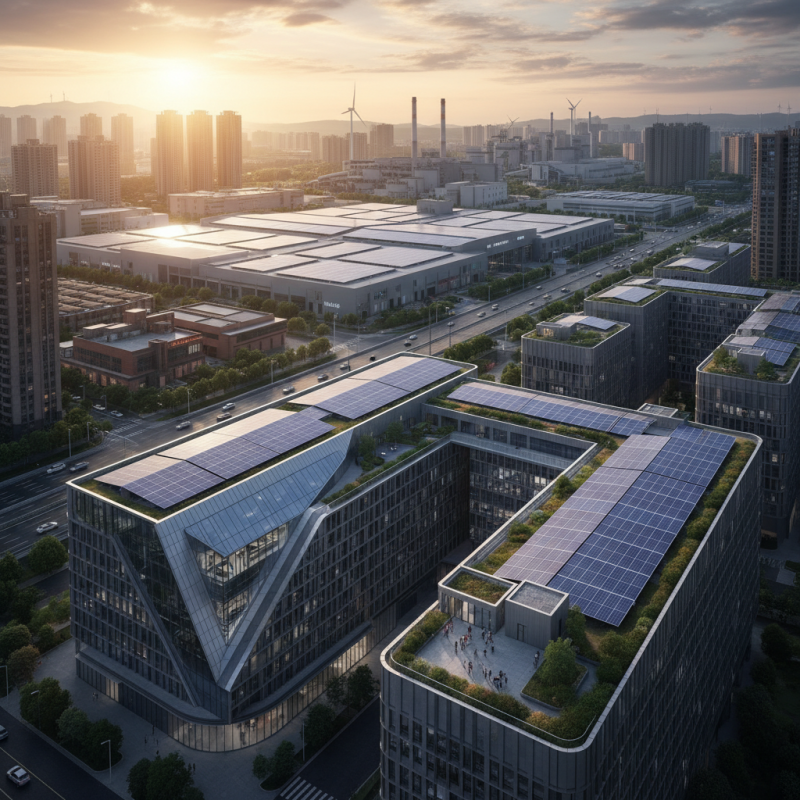
Overview of Solar Energy Investment in China
China has rapidly emerged as a leader in solar energy investment. In 2022, it accounted for over 50% of the global solar market share. The increasing demand for renewable energy sources has propelled investments, with projections indicating solar capacity could reach 1,300 GW by 2025. This presents a compelling opportunity for both businesses and individuals looking to invest in sustainable energy solutions.
The economic benefits are substantial. A report from the China Photovoltaic Industry Association states that the solar industry has created millions of jobs. Additionally, the cost of solar panels has decreased significantly, making solar installations more accessible. Incentives provided by the government further sweeten the deal, with subsidies and tax breaks encouraging adoption.
Tip: Before investing, consider conducting a feasibility study. Assess local solar potential and available incentives. This step could enhance your return on investment.
Despite the positive outlook, challenges exist. The initial costs can still be a barrier for many. Furthermore, the efficiency of solar technology can vary, leading to inconsistent results across different installations. It's important to weigh these factors carefully.
Tip: Keep an eye on technological advances. New innovations can improve efficiency and reduce costs further. Staying informed can help maximize your investment.
Key Factors Influencing Solar System Worthiness in China
Solar systems are gaining popularity in China. However, their worth is influenced by several key factors. The initial installation cost remains significant. According to a report by the National Energy Administration, the average cost of solar systems in China was about $1,000 per kilowatt in 2022. This creates a barrier for many potential investors.
Another critical factor is government policy. The Chinese government has provided substantial incentives for solar energy adoption. Programs like feed-in tariffs support the financial viability of solar projects. Yet, policies can change, leading to uncertainty in investment outcomes. The International Renewable Energy Agency highlights that policy stability is crucial for long-term investments.
Market competition also impacts solar system worthiness. The rapid expansion of solar manufacturers has driven prices down. An oversaturated market can lead to reduced margins. This situation forces investors to continuously evaluate their choices. While solar energy offers environmental benefits, the financial risks require careful consideration. Thus, potential investors should weigh these factors thoroughly before making a decision.
Economic Benefits of Investing in Solar Energy Systems
Investing in solar energy systems in China can yield significant economic benefits. The country ranked first globally in solar capacity, with over over 300 GW installed by the end of 2020. Reports indicate that solar energy could provide around 20% of China's total energy needs by 2030. This transition not only supports energy security but also promotes sustainable growth.
The reduction in energy costs is a crucial factor. A 2021 report by the International Energy Agency stated that the levelized cost of electricity from solar photovoltaics (PV) has decreased by 89% since 2009. As technology advances, solar installations become more cost-effective. Many households and businesses benefit from lower utility bills after switching to solar power.
Job creation is another positive economic aspect. The solar sector has the potential to create millions of jobs across manufacturing, installation, and maintenance. However, there are challenges. The initial investment can be high. Uncertainties around policy changes may also deter potential investors. Evaluating local incentives and market conditions is essential. A detailed cost-benefit analysis can help identify the best approach for prospective investors.
Environmental Impact of Solar Energy Adoption in China
The adoption of solar energy in China has seen exponential growth. As more households and businesses shift towards renewable sources, the environmental impact is becoming evident. Solar systems contribute to significant reductions in carbon emissions. This transition helps combat air pollution and mitigates climate change.
However, the benefits come with challenges. The production of solar panels involves energy-intensive processes. Toxic by-products can arise during manufacturing. Proper management of waste is crucial to minimize environmental harm. Additionally, not all regions are suitable for solar energy. Geographical limitations can affect efficiency and deployment.
Local governments play a vital role in promoting sustainable practices. Incentives for solar energy adoption encourage communities to embrace clean energy. Education about its benefits can lead to increased acceptance. Overall, while the environmental impact of solar energy in China is positive, continuous reflection on its production and implementation is necessary for better outcomes.
Future Trends and Developments in China's Solar Market
The solar market in China is rapidly evolving. As the world’s largest producer of solar panels,
China is at the forefront of renewable energy developments. The government’s initiatives support solar technology,
aiming for carbon neutrality by 2060. This shift could redefine energy consumption in urban areas.
The demand for solar systems will likely increase. Potential homeowners must consider the integration of solar energy.
While initial costs can be high, long-term savings on electricity bills are enticing. As installations become more prevalent,
prices may drop, making them more accessible.
Tips for potential investors:
- Research local incentives. Various regions offer subsidies for adopting solar systems.
- Assess available technologies. Different systems may suit different needs.
- Evaluate long-term benefits versus upfront costs. Immediate savings may not always reflect long-term value.
China's solar developments highlight both opportunity and uncertainty.
Learning about emerging technologies is crucial. Some installations may experience unforeseen issues.
Ongoing education about solar systems can mitigate risks.
Embracing this transition requires dedication and informed decision-making.
FAQS
: China holds over 50% of the global solar market share, leading in investments.
Investing in solar can lower energy costs and create millions of jobs.
The cost of solar panels has dropped significantly, making installations more affordable.
Conduct a feasibility study to assess local solar potential and available incentives.
Initial costs can be high, and technology efficiency can vary among installations.
Innovations can improve efficiency and reduce costs, enhancing potential returns.
The solar industry supports jobs in manufacturing, installation, and maintenance.
Anticipate increasing demand and possible price drops as installations grow.
Unforeseen issues may occur with certain installations, necessitating ongoing education.
Compare short-term savings with long-term value before making decisions.
Conclusion
As the demand for sustainable energy sources grows, the question of whether solar systems are worth the investment in China becomes increasingly relevant. The overview of solar energy investment in China highlights significant governmental incentives and a rapidly growing market, which contribute to the overall attractiveness of solar systems. Key factors influencing their worthiness include decreasing installation costs, advancements in technology, and favorable policies.
Furthermore, the economic benefits of investing in solar energy systems are compelling, with potential savings on electricity bills and opportunities for income generation through surplus energy sales. Additionally, the environmental impact of solar energy adoption underscores its role in reducing carbon emissions and promoting cleaner air quality. Lastly, future trends indicate a robust development trajectory for China’s solar market, suggesting that for many, the answer to "are solar systems worth the investment" is a resounding yes.

 Smart Energy